Os EUA. sistema viário inclui rodovias, rodovias, e interestaduais, cada um com seu próprio conjunto de regras e padrões de design. Entendimento significado dos sinais de trânsitoé essencial para viagens seguras e eficientes, pois estes sinais podem representar diferentes instruções ou avisos dependendo da localização. Toda a sinalização de trânsito é projetada para orientar os motoristas e promover a segurança no trânsito. Sinais de rodovias interestaduais, por exemplo, apresentam formas de escudo exclusivas e cores específicas para ajudar os motoristas a reconhecer rapidamente seu significado e a tomar decisões seguras. O significado claro e padronizado dos sinais de trânsito é crucial para evitar confusão na estrada. No entanto, certos sinais, como aqueles que exibem estatísticas de mortalidade, pode distrair os motoristas e potencialmente aumentar as taxas de acidentes.
| Descrição da evidência | Impacto nas taxas de acidentes |
|---|---|
| Os motoristas são 4.5% maior probabilidade de bater depois de ver estatísticas de fatalidade nos sinais. | Isto poderia levar a 17,000 mais acidentes nos EUA. todos os anos se a tendência continuar. |
Conhecer o significado dos sinais de trânsito ajuda os motoristas a permanecerem seguros e confiantes, especialmente ao navegar em estradas movimentadas e cruzamentos complexos. Para saber mais sobre como os sistemas corretos de gerenciamento de tráfego podem melhorar a segurança no trânsito, Confira OPTRAFFIC's soluções para controle de tráfego eficiente.
Takeaways -chave
- Conhecer a sinalização rodoviária é importante para uma condução segura. Compreender o significado dos sinais ajuda a evitar confusões e acidentes.
- Rodovias, rodovias, e interestaduais não são iguais. Aprender como eles diferem ajuda você a dirigir com segurança em cada estrada.
- As autoestradas precisam de sinais claros e grandes. Esses sinais ajudam os motoristas a decidir rapidamente e evitar movimentos bruscos.
- Placas com revestimentos brilhantes são mais fáceis de ver à noite. Isso ajuda os motoristas a ler os sinais em qualquer clima ou horário.
- Sinais de trânsito com a mesma aparência tornam a condução mais segura. As mesmas formas e cores ajudam os motoristas a identificar sinais rapidamente e viajar com segurança.
O que são rodovias, Rodovias, e interestaduais?
Conhecendo a diferença entre rodovias, rodovias, e interestaduais ajudam os motoristas a ler as placas. Também os ajuda a viajar com segurança nos EUA. estradas. Cada tipo de estrada possui características especiais. Aprender esses recursos ajuda os motoristas a entender o significado dos sinais de trânsito e a seguir as regras corretas.
Definição de Rodovias
Uma rodovia é uma via pública para carros e caminhões. Rodovias ligam cidades e diferentes áreas. Eles geralmente têm mais de uma faixa. Os EUA. Departamento de Transportes diz que rodovia é qualquer via pública para veículos. Isso inclui toda a área dentro da faixa de domínio. Rodovias podem ter cruzamentos e semáforos. Eles também permitem a entrada direta em residências e empresas. Motoristas veem muitos sinais de trânsito nas rodovias. Estes incluem sinais de limite de velocidade, Sinais de aviso, e orientar sinais. O significado dos sinais de trânsito pode mudar dependendo de onde você está e do tipo de estrada.
Algumas características principais das rodovias são:
- Mais de uma faixa para carros
- Cruzamentos e semáforos
- Entrada direta em residências e lojas
- Limites de velocidade geralmente de 45 para 65 km/h
Para saber mais sobre os diferentes tipos de sinalização rodoviária e suas funções específicas, Confira nosso blog: Quais são os principais tipos de sinalização rodoviária.
Definição de autoestradas
As rodovias são um tipo especial de rodovia feita para viagens rápidas. As rodovias têm controle total de acesso. Isso significa que os carros só podem entrar ou sair usando rampas. Não há cruzamentos ou semáforos nas rodovias. Este design permite que os carros se movam com rapidez e segurança. As rodovias geralmente têm limites de velocidade mais altos, de 65 para 80 km/h. Os motoristas veem grande, sinalização clara nas rodovias. Esses sinais os ajudam a fazer escolhas rápidas ao dirigir rápido.
Definição de interestaduais
As interestaduais fazem parte de um sistema que conecta estados. O mapa do sistema interestadual mostra grandes estradas que ligam cidades e regiões. As interestaduais têm regras rígidas de segurança e viagens. Estas estradas têm acesso limitado e nenhuma entrada direta às propriedades. Eles são feitos para viagens longas. O Secretário de Transportes deve dizer que uma estrada faz parte do sistema interestadual. Sinais de rodovias interestaduais têm formato de escudo. Isso os torna fáceis de ver. Os motoristas podem saber se uma estrada é uma rodovia ou interestadual procurando placas em forma de escudo e verificando os tipos de sinalização rodoviária.
Observação: Interestaduais, rodovias, e rodovias ajudam a movimentar bem o trânsito. Conhecer o significado dos sinais de trânsito e os tipos de sinais de trânsito em cada estrada ajuda os motoristas a se manterem seguros e seguirem as regras nas estradas principais.
Por que as placas interestaduais têm formato de escudo?
Contexto histórico do desenho do escudo
Sinais de rodovias interestaduais use um formato de escudo por razões importantes da história. A forma do escudo foi sugerida pela primeira vez em uma reunião em 1925. Lou A. Boulay tirou a ideia do Grande Selo dos Estados Unidos. A diretoria falou sobre o escudo e olhou os desenhos. Eles concordaram em usar o escudo depois de conversarem sobre isso. O design final foi escolhido em agosto 1925 depois de mais conversas sobre nomes de estados.
O olhar de sinais de rodovia interestadual mudou ao longo do tempo. Richard Oliver fez o primeiro projeto em 1957. Os designers mudaram novamente em 1961, 1971, e 1978 para se adequar às novas regras. A Associação Americana de Oficiais de Rodovias Estaduais realizou um concurso antes 1956. Estados enviados 76 ideias, e o design de Richard Oliver ganhou. Ele usou algumas ideias do desenho de Missouri. Isso mostra como as pessoas trabalharam juntas para tornar o sistema rodoviário interestadual.
O desenho do escudo tornou-se um sinal de poder federal e unidade para o sistema rodoviário interestadual.
Uniformidade e fácil identificação entre estados
O formato do escudo ajuda os motoristas a saber sinais de rodovia interestadual rápido, onde quer que eles vão. Cada sistema rodoviário usa seu próprio escudo para localização rápida. O escudo garante que os sinais tenham a mesma aparência em todos os estados. Isso ajuda a viajar a ser mais fácil e segura.
| Escolha de design | Implicação para uniformidade e identificação |
|---|---|
| Representação genérica para sinais de trânsito | Torna os sinais fáceis de ver e entender na estrada. |
| Círculo branco simples para rotas primárias | Mantém os mapas iguais, para que os motoristas não se confundam. |
| Retângulo branco para rotas secundárias | Torna a legenda do mapa simples e fácil de ler. |
Sinais de rodovias interestaduais use o formato do escudo para fazer com que todos os sinais pareçam iguais em todo o país. Isso ajuda a manter os motoristas seguros e a encontrar o caminho.
Por que os sinais de entrada/saída de rodovias são maiores e mais claros do que os sinais de rodovia?
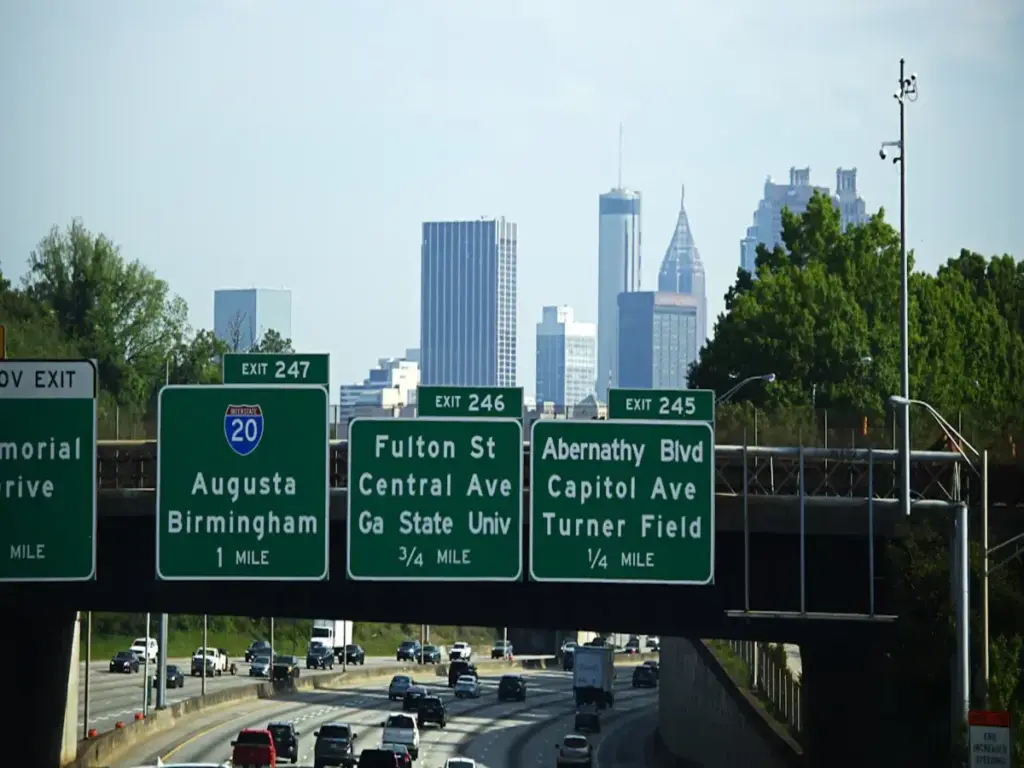
Diferenças de design devido às necessidades de velocidade e visibilidade
Os sinais de entrada e saída das autoestradas são maiores e mais claros. Isso ajuda os motoristas a se manterem seguros ao dirigir rápido. Os motoristas têm menos tempo para ler as placas nas rodovias. Então, os sinais devem ser fáceis de ver e entender. As regras federais dizem sinais de autoestrada preciso de cartas pelo menos 8 polegadas de altura. As placas na estrada ou em grandes cruzamentos usam letras ainda maiores. As letras minúsculas têm três quartos da altura das maiúsculas. O tamanho de cada sinal depende da mensagem e do tamanho da letra.
As rodovias têm canteiros centrais largos e mais faixas do que rodovias. Os sinais devem ser vistos de longe. Nas cidades, uma mediana deve ser pelo menos 12 pés de largura para rodovias de quatro pistas. Estradas com mais faixas ou muitos caminhões precisam de canteiros centrais ainda mais largos. Isso ajuda os motoristas a ver os sinais com antecedência. Sinais de autoestrada use fontes e cores especiais para ajudar as pessoas a lê-los. A fonte Clearview ajuda os motoristas a ver melhor os sinais à noite. Isso é 16% melhor que fontes normais. Placas de néon e iluminadas ajudam os motoristas a enxergar à noite. Eles podem fazer sinais 40% para 60% mais fácil de ler. Cores brilhantes e forte contraste fazem com que os sinais de alerta se destaquem. Isso ajuda os motoristas a fazer escolhas rápidas.
Engenheiros adicionam sinais de alerta e setas extras em locais complicados. Isso ajuda os motoristas a permanecerem seguros em curvas acentuadas ou mudanças repentinas. O Manual sobre Dispositivos Uniformes de Controle de Tráfego diz para usar sinais maiores onde os carros andam rápido ou há muito trânsito. Isso garante que todos os sinais funcionem bem para carros em movimento rápido.
Importância da clareza, Grandes placas para entradas e saídas de rodovias
Grande, sinais claros nas entradas e saídas das rodovias mantêm os motoristas seguros. Placas grandes são mais fáceis de ver e ler. Isso ajuda os motoristas a saber onde sair. Sinais claros impedem a confusão e ajudam os motoristas a evitar movimentos de última hora. Bons sinais de saída ajudam o fluxo do tráfego e mantêm os carros nas faixas certas.
As placas usam materiais brilhantes para que os motoristas possam vê-las dia e noite. Esses materiais ajudam os motoristas a encontrar saídas e reduzir os riscos de acidentes. Os sinais de alerta e os números de saída devem ser fáceis de ler, Mesmo quando os carros vão rápido. Quando os motoristas veem sinais claros, eles podem se preparar para saídas. Isso interrompe movimentos repentinos e reduz as chances de acidente. Ele também mantém o tráfego fluindo bem.
| Descrição da evidência | Impacto nas necessidades de visibilidade |
|---|---|
| Sinais iluminados internamente e letreiros de néon resultaram em 40%-60% melhorias na legibilidade noturna em relação aos sinais iluminados externamente. | Destaca a importância da luminância no design de sinalização para visibilidade noturna. |
| As distâncias de legibilidade noturna para os sinais rodoviários aumentaram em 16% quando a fonte Clearview foi usada no lugar da fonte padrão da rodovia. | Enfatiza a importância da escolha da fonte para melhorar a legibilidade. |
| As combinações de cores que proporcionam o maior contraste de luminância tendem a proporcionar a maior legibilidade. | Indica que o contraste de cores é crucial para um design de sinalização eficaz. |
| O uso de cores fluorescentes na sinalização rodoviária aumentou as manobras de direção desejadas. | Sugere que a escolha da cor pode influenciar o comportamento do motorista e a tomada de decisões. |
Os sinais de entrada e saída das autoestradas devem ser maiores e mais claros do que os sinais das autoestradas. Isso ajuda os motoristas em estradas rápidas a entender os sinais e a se manterem seguros. Essas opções de design ajudam os motoristas a seguir os sinais de alerta e orientação para uma viagem segura.
Como os limites de velocidade e as direções das rotas são projetados e exibidos em diferentes estradas?
Variações de limite de velocidade nas rodovias, Rodovias, e interestaduais
Os limites de velocidade mantêm o trânsito seguro e sob controle. Cada rodovia, auto-estrada, e a interestadual tem seu próprio limite de velocidade. A velocidade depende de onde está a estrada e de que tipo ela é. As cidades têm limites de velocidade mais baixos porque há mais carros e saídas. No campo, os limites de velocidade são mais altos. Por exemplo, Illinois define a velocidade interestadual em 55 mph nas cidades. Em áreas rurais, vai até 70 km/h. Texas tem alguns dos limites de velocidade mais altos, até 85 mph em algumas estradas. Nova York geralmente mantém a velocidade em 65 km/h. Maine deixa os motoristas irem 75 km/h, o que não é comum no leste.
| Estado | Limite máximo de velocidade (km/h) | Notas |
|---|---|---|
| Califórnia | 65-70 | As áreas urbanas muitas vezes têm limites mais baixos. |
| Texas | 75-85 | Limites mais altos encontrados em segmentos específicos. |
| Nova Iorque | 65 | Limite consistente na maioria das estradas. |
| Maine | 75 | Incomum para o leste do Mississippi. |
| Dakota do Sul | 80 | Limites mais elevados em trechos rurais. |
| Nova Jersey | 65 | Limite padrão para rodovias. |
| Virgínia | 70 | Limite comum para interestaduais. |
| Wyoming | 75-80 | Varia com base em estudos de tráfego. |
| Flórida | 70 | Limite comum em rodovias. |
| Oregon | 65 (caminhões 55) | Caminhões têm limites mais baixos. |
| Dakota do Norte | 80 | Limites mais altos em certas estradas. |
| Oklahoma | 75 (pode alcançar 80) | Segmentos específicos podem permitir velocidades mais altas. |
O papel dos sinais dinâmicos para ajustes de velocidade
Sinais dinâmicos de limite de velocidade use a tecnologia para alterar os limites de velocidade. Esses sinais podem mudar com base no trânsito, clima, ou trabalho na estrada. Eles ajudam a controlar os engarrafamentos e a tornar as estradas mais seguras. Por exemplo, estes sinais diminuem a velocidade quando há muito trânsito ou mau tempo. Eles também protegem os trabalhadores em zonas de construção e as crianças em zonas escolares. O sistema rodoviário interestadual usa esses sinais para manter os carros circulando com segurança.
| Área de aplicação | Descrição |
|---|---|
| Mitigando o congestionamento | Os VSLs ajudam a gerenciar o fluxo de tráfego, aconselhando os motoristas a reduzir a velocidade à medida que o congestionamento aumenta, reduzindo manobras de último segundo que levam a colisões. |
| Contabilização do clima | VSLs são usados para ajustar limites de velocidade com base nas condições climáticas, como reduzir velocidades durante condições de baixa visibilidade ou gelo. |
| Aumentando a segurança nas zonas escolares | VSLs reduzem limites de velocidade durante o horário escolar de pico, melhorar a segurança de crianças e pedestres. |
| Melhorando a segurança da zona de trabalho | VSLs são empregados para reduzir limites de velocidade em zonas de construção, especialmente à noite, quando o trânsito é mais leve, garantindo a segurança do trabalhador. |
Sinais dinâmicos usam luzes LED para que os motoristas possam vê-los dia e noite. Esses sinais podem funcionar com baterias, potência normal, ou energia solar. Isso significa que eles podem ser colocados em muitos lugares.
Sinalização direcional e de caminho para diferentes tipos de estradas
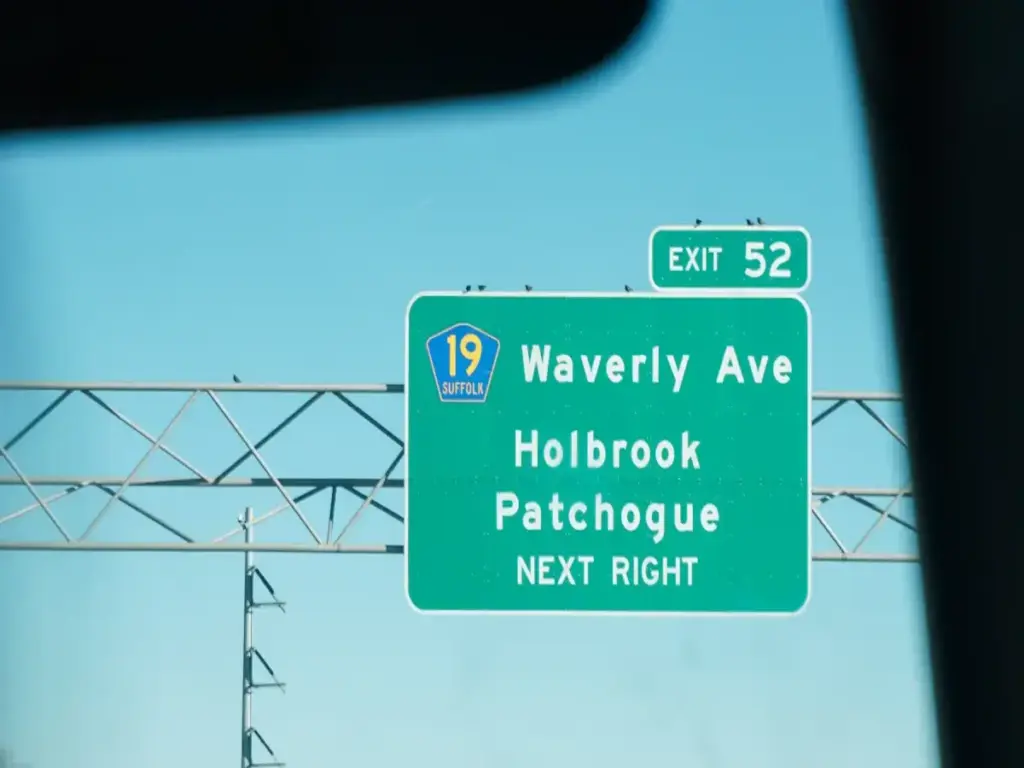
Placas direcionais ajudam motoristas a saber para onde ir nas rodovias, rodovias, e interestaduais. Estes sinais de guia são verdes com letras brancas. Sinais suspensos aparecem antes de cada saída para dar aos motoristas tempo para se prepararem. Rodovias usam grande, sinais brilhantes para que os motoristas possam lê-los mesmo quando está escuro ou quando estão indo rápido. O tamanho e a localização desses sinais ajudam a impedir a confusão e a manter o trânsito em movimento.
Dica: Sinais claros e fáceis de ver ajudam os motoristas a fazer escolhas seguras e impedir mudanças repentinas de faixa.
Existem três tipos principais de sinais de trânsito: regulatório, aviso, e orientar sinais. Cada tipo ajuda os motoristas a seguir as regras, Fique alerta, e chegar onde eles precisam ir com segurança.
Sinais de trânsito de alumínio: Atendendo aos padrões de durabilidade e visibilidade
Por que o alumínio é o material preferido para sinais de trânsito
O alumínio é o principal material para sinalização de trânsito nas rodovias dos EUA. Não enferruja nem corrói, então os sinais duram muito tempo. O alumínio é leve, para que os trabalhadores possam transportar e colocar cartazes facilmente. Isso torna mais segura e rápida a instalação de sinalização em rodovias movimentadas. O alumínio funciona bem com revestimentos reflexivos. Esses revestimentos ajudam os motoristas a ver os sinais à noite e com mau tempo.
| Propriedade | Descrição |
|---|---|
| Durabilidade | Altamente resistente à corrosão, garantindo longevidade e visibilidade ao longo do tempo. |
| Leve | Easier to handle and install, reducing installation costs. |
| Refletividade | Can be coated with reflective materials for enhanced visibility at night. |
Federal rules say aluminum must be used for highway traffic signs. The Manual on Uniform Traffic Control Devices says aluminum sheets must be at least 2mm thick. All highway signs need to be retroreflective or lit up, so drivers can see them anytime. The Federal Standard Highway Signs Manual also says signs must have rounded corners and holes for safe and easy mounting.
The Role of Reflective Coatings for Enhanced Visibility
Reflective coatings are important for making highway traffic signs easy to see. These coatings use special materials that bounce light from headlights back to drivers. Isso ajuda os motoristas a ver os sinais da estrada de longe, Mesmo na chuva ou nevoeiro. Boas folhas refletivas captam a luz solar durante o dia e refletem as luzes do carro à noite. Isso mantém os sinais de trânsito nas rodovias claros e fáceis de ler o tempo todo.
Para saber mais sobre como escolher os melhores materiais refletivos para seus sinais de trânsito, Confira nosso blog: Como selecionar os melhores materiais reflexivos para sinais de trânsito.
Soluções personalizadas de sinalização de trânsito para maior durabilidade
As fábricas agora fazem sinais de trânsito rodoviários personalizados para locais difíceis. Eles usam alumínio de qualidade marítima, que não corrói facilmente. Alguns sinais de trânsito possuem revestimentos em pó cerâmico para proteção UV extra. Outros usam policarbonato forte para melhor resistência ao impacto. As fábricas também fazem sinalizações que podem ficar mais fortes se o tempo mudar.
| Tipo de material | Benefícios |
|---|---|
| Alumínio de grau marítimo (5052/6061) | Resistência superior à corrosão, mantendo força e flexibilidade. |
| Revestimento em pó aprimorado com cerâmica | Fornece proteção UV e resistência à corrosão, prolongando a vida útil do sinal. |
| Policarbonato de nível de engenharia | Resistência ao impacto 200x maior que o vidro, com clareza óptica e estabilidade UV. |
Personalizado sinais de trânsito rodoviário pode ter revestimentos resistentes a UV para locais ensolarados. As fábricas fazem esses sinais para atender ou superar os padrões MUTCD, então eles são seguros e duram muito em todas as rodovias.
Conhecer as diferentes estradas e sinais de trânsito ajuda os motoristas a se manterem seguros. Muitos acidentes acontecem quando os motoristas não entendem ou perdem os sinais. Sinais brilhantes, como alumínio e refletivos, ajudar as pessoas a ver informações importantes. Esses sinais funcionam bem à noite e com mau tempo. Os motoristas devem sempre olhar para os sinais de trânsito e saber o que eles significam. Isso ajuda a manter todos seguros na estrada.
Perguntas frequentes
O que significa uma placa em forma de escudo na estrada?
Uma placa em forma de escudo marca uma rodovia interestadual. Os motoristas podem detectar esses sinais rapidamente. The shield shape helps everyone know they are on a major national route.
Why do some speed limit signs change during the day?
Dynamic speed limit signs use technology to adjust speeds. These signs change based on traffic, clima, ou trabalho na estrada. Drivers should always follow the current speed shown.
How do reflective traffic signs help at night?
Reflective signs bounce car headlights back to drivers. This makes the signs easy to see in the dark or during bad weather. Drivers can read important information even at night.
Are all freeway entrance and exit signs the same size?
Não, sign size depends on road speed and location. Freeways use larger signs than highways. Bigger signs help drivers see directions early and make safe choices.
Who decides the standards for traffic signs in the U.S.?
O manual em dispositivos uniformes de controle de tráfego (MUTCD) sets the rules. Este grupo garante que todas as placas tenham a mesma aparência em todo o país. Sinais uniformes ajudam os motoristas a se manterem seguros e evitar confusão.