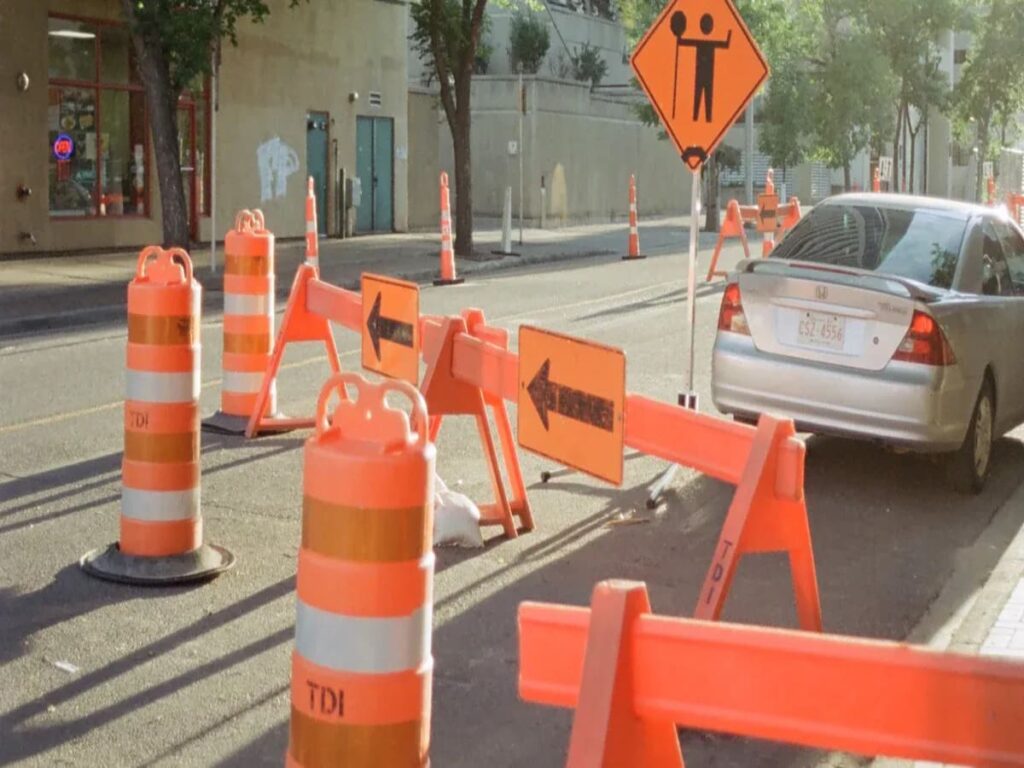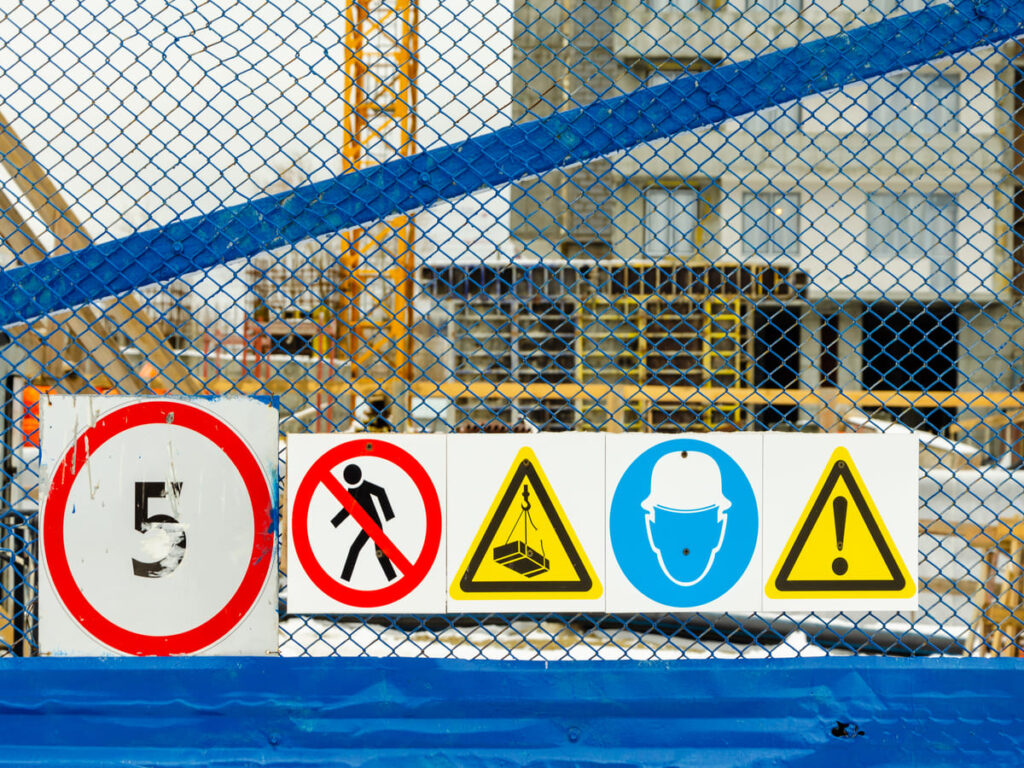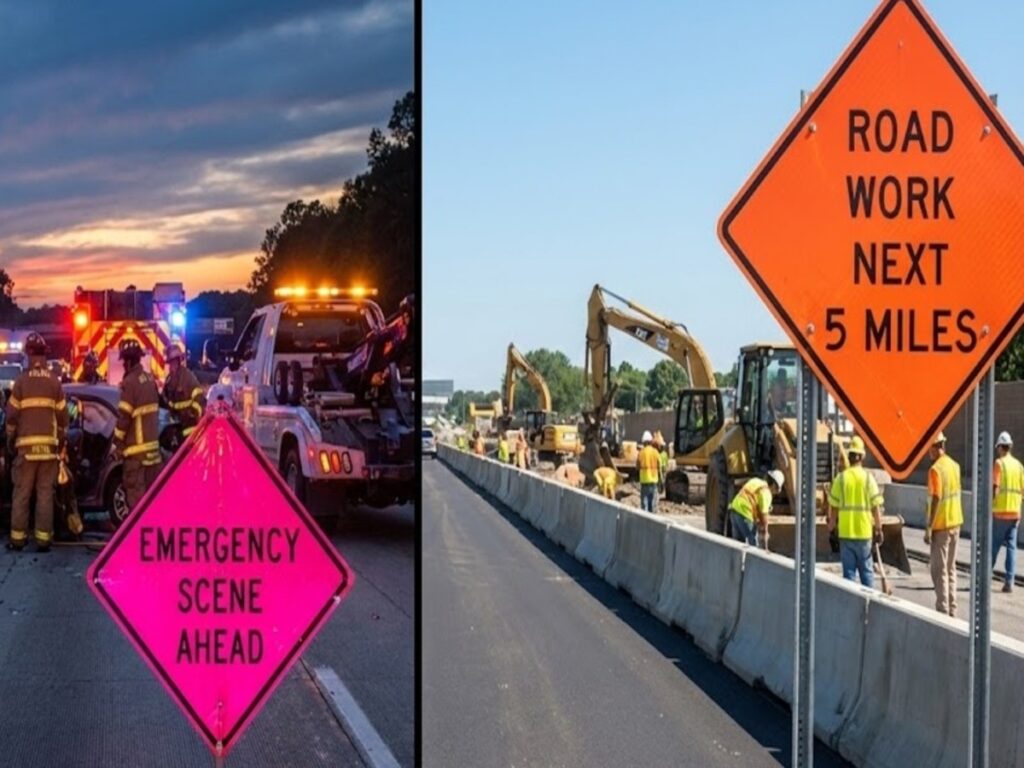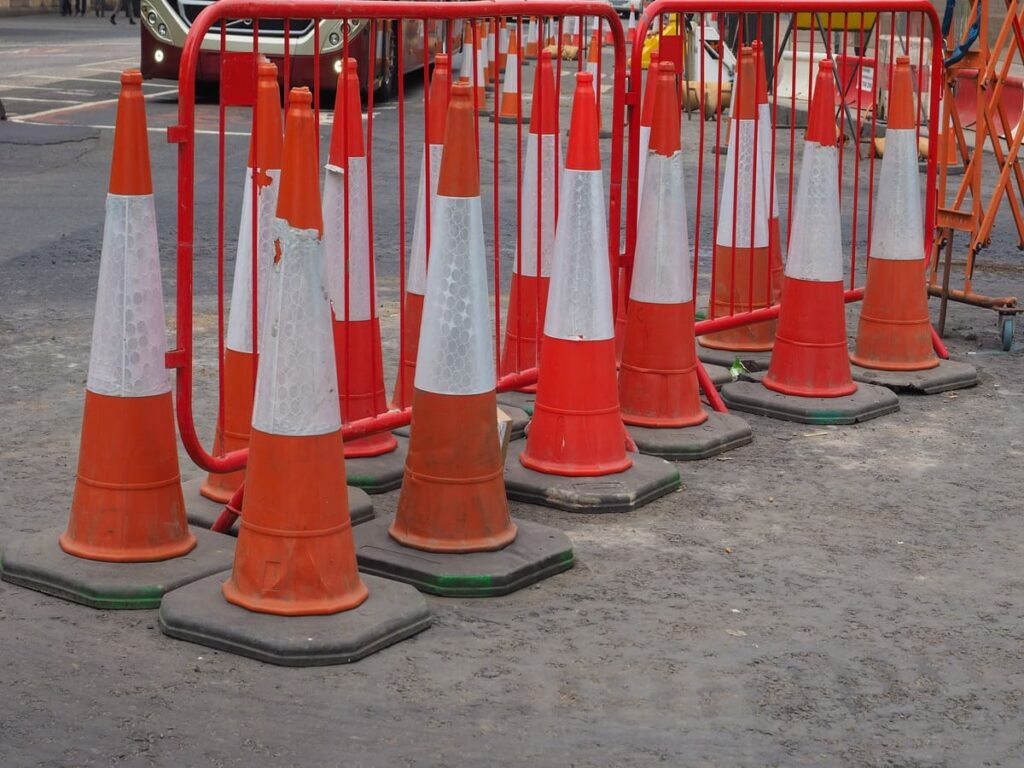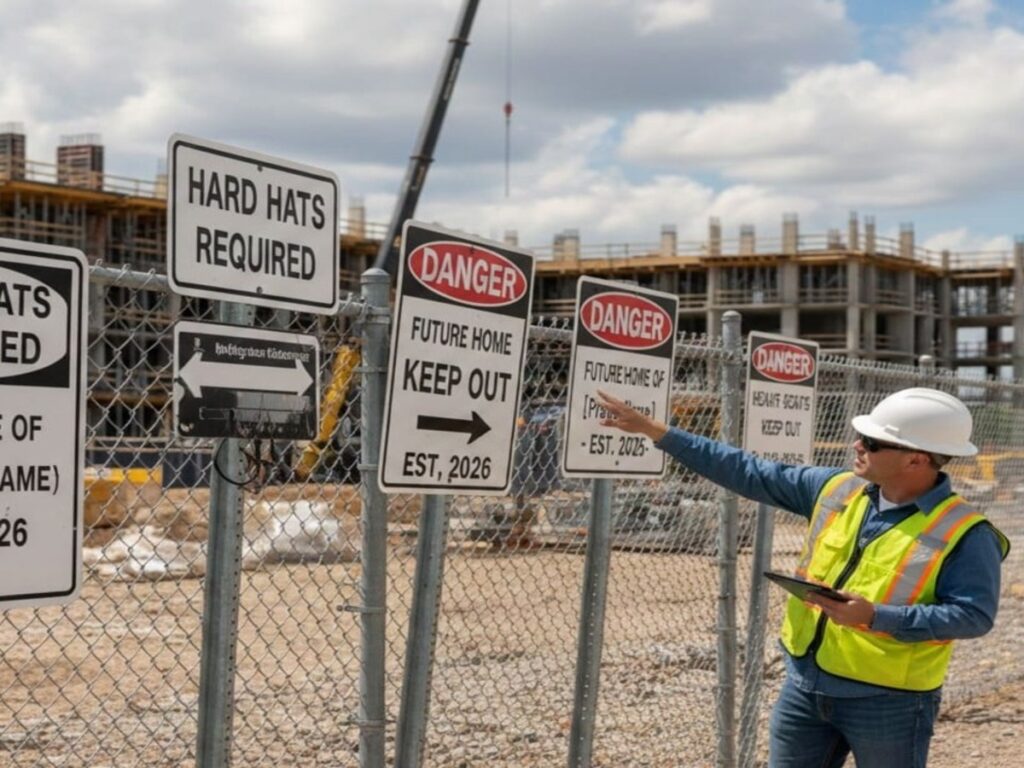
Construction sign materials are a critical factor in determining whether signage remains readable and intact through harsh conditions like dust, impacto, e exposição UV. While durable materials may come with a higher upfront cost, the investment pays off in the long run by reducing the need for frequent replacements, minimizing maintenance costs, and lowering safety risks on construction sites.
Construction sites are tough on signs—whether it’s the constant abrasion from machinery, exposure to extreme weather, or chemical splashes from cleaning products. When a sign fades or breaks, it no longer serves its purpose. That puts safety, conformidade, and overall project efficiency at risk. Choosing durable materials from the beginning helps prevent these problems and keeps your site running smoothly.
Neste blog, we will explore how investing in sinais de construção duráveis can reduce long-term costs, enhance site safety, and improve regulatory compliance.
If you’d like to learn more about construction sign materials and how to choose the best options for your project, confira nosso guia detalhado: Materiais de sinalização de construção que duram em ambientes agressivos.
Why Durability Matters in Construction Signage
Reducing the Frequency of Replacements
One of the biggest advantages of sinais de construção duráveis is the reduced frequency of replacements. Signs made from cheaper materials often degrade quickly, requiring frequent replacements and leading to higher long-term costs. These lower-quality signs are more susceptible to fading, rachadura, and tearing, especially when exposed to the elements.
Por outro lado, durable materials like alumínio, Policarbonato, and UV-resistant films offer much longer lifespans. These materials can withstand the demands of construction sites—whether exposed to direct sunlight, chemical cleaners, or physical impacts from machinery—without losing their effectiveness. While the initial cost may be higher, fewer replacements result in significant savings over the course of the project.
Minimizing Maintenance Costs
Low-quality signs require regular cleaning, reparos, or even replacements, which can quickly add up. Em contraste, durable signage is designed to withstand harsh weather, sujeira, e manuseio frequente, reducing the need for continuous maintenance. The use of abrasion-resistant coatings and protective laminates helps preserve the integrity of the signage for much longer, making it more cost-effective in the long run.
Durable signs are less likely to degrade under heavy usage. This means less time and money spent on ongoing issues. Whether it’s UV degradation or physical impacts, high-quality materials stay intact. They remain legible throughout the project, reducing both time and labor costs for maintenance.
Custo versus. Desempenho: Comparing Materials for Long-Term Savings
High-Quality vs. Low-Quality Sign Materials
Ao selecionar construction signage materials, the cost may seem like the most obvious factor, but it’s important to consider the performance of each material over time. Choosing lower-cost materials may save you money upfront, but you may end up paying more in replacements, reparos, e manutenção.
Por exemplo, polycarbonate is more expensive than acrylic or vinyl, but its impact resistance is significantly higher. Polycarbonate can absorb more physical impact without cracking or shattering, making it ideal for high-traffic areas where signs are more likely to be hit by machinery. This durability translates into longer-lasting signage, which saves you money on replacements.
De forma similar, aluminum is a more durable material compared to coroplast (plástico corrugado), offering better resistance to weathering, ferrugem, e danos físicos. While aluminum costs more initially, it lasts much longer and requires less maintenance, making it a more cost-effective choice for signs that need to endure harsh conditions over time.
Long-Term Value of UV-Resistant and Impact-Resistant Signs
UV-resistant construction signs are especially valuable for projects that span a long duration. Sun exposure can cause signs to fade and deteriorate quickly, especially when made from lower-quality materials. UV-resistant films and impact-resistant materials are designed to withstand these stresses, ensuring that your signs stay legible and intact for the entirety of the project.
Por exemplo, signs with UV-resistant coatings will maintain their brightness and legibility for much longer than untreated signs. This reduces the need for frequent replacements and ensures your signage remains compliant with regulations throughout the project’s lifespan.
How Durable Signs Contribute to Safety and Compliance
Preventing Accidents Through Clear, Visible Warnings
One of the primary purposes of construction signage is to prevent accidents. Legible signs help workers identify hazards, navigate safely through job sites, and follow safety protocols. When signs become damaged or illegible, they lose their effectiveness, Colocando os trabalhadores em risco. Claro, durable signage ensures that important safety messages remain visible throughout the entire project.
By investing in sinalização durável, construction teams can reduce the risk of accidents caused by unreadable or broken signs. Por exemplo, altamente visível Sinais de aviso placed in high-risk zones—such as around heavy machinery or hazardous materials—can help prevent costly accidents and injuries.
Meeting Regulatory Compliance Requirements
Construction sites must meet certain regulatory standards to ensure the safety of workers. Nos EUA, OSHA e MUTCD (Manual sobre Dispositivos Uniformes de Controle de Tráfego) provide guidelines for safety signage, requiring that all signs remain legible, visível, and maintained properly throughout the project. Se um sinal estiver desbotado, danificado, or illegible, it may not meet these compliance standards, which could result in fines or legal complications.
Durable construction signs are specifically designed to meet these compliance requirements. By ensuring that your signs remain readable and intact over time, you reduce the risk of non-compliance and the associated legal and financial penalties.
Evaluating the Return on Investment (ROI) for Durable Construction Signs
Quantifying the Cost Savings Over Time
Enquanto sinais de construção duráveis may come with a higher initial price tag, o economia de longo prazo they provide make them a smart investment. Consider these savings:
- Reduced replacements: Menos sinais precisam ser substituídos, reducing the cost of new signs and labor.
- Less downtime: Durable signs can withstand the harsh conditions on construction sites, eliminating the need for frequent sign replacements and minimizing downtime.
- Increased safety: Well-maintained signage reduces the likelihood of accidents, which can lead to costly workers’ compensation claims, insurance premiums, e atrasos no projeto.
The ROI of high-quality signage is clear when you factor in these savings over the course of the project. By opting for durable materials, you can lower your overall project costs and ensure a safer, more efficient construction site.
The Hidden Costs of Low-Quality Signage
Opting for low-cost signage might seem like a budget-friendly choice at first, but it can end up costing you much more in the long run. Low-quality signs degrade quickly, leading to higher replacement costs, maintenance fees, and potential legal risks. Adicionalmente, poorly maintained signs may not meet regulatory requirements, exposing your company to fines and penalties.
The hidden costs of low-quality signage often exceed the upfront savings. Ao investir em bens duráveis, high-performance signage, you ensure that your site stays compliant, seguro, e eficiente.
Choosing the Right Construction Signage for Your Budget
Balancing Cost and Durability
While some areas of a construction site can use budget-friendly signage, other areas—such as high-risk zones, áreas de tráfego intenso, and perimeter signage—require durable construction signs. Assessing the specific needs of each zone will help you make informed decisions about material selection. Por exemplo, temporary work zones can use lightweight materials like coroplast, while more critical areas should feature impact-resistant polycarbonate or aluminum for longevity and durability.
Sustainable and Cost-Effective Alternatives
In addition to choosing durable materials, consider using eco-friendly signage options. Recycled plastics and solar-powered signs offer both environmental benefits and long-term cost savings. These materials can withstand harsh conditions while helping your company meet sustainability goals.
Conclusão: Build to Last, Sign to Last
Investindo em sinais de construção duráveis ensures that your project remains compliant, seguro, and cost-effective from start to finish. While the initial cost may be higher, the long-term savings in reduced replacements, custos de manutenção mais baixos, and improved safety far outweigh the upfront investment. Durable signage is not just about protecting your workers—it’s about protecting your bottom line.
OPTRÁFEGO, as a leading signage manufacturer, is capable of handling large orders while maintaining high quality. Sua durabilidade sinais de construção are built to withstand harsh conditions and provide reliable performance throughout any project. Whether it’s a small-scale site or a large construction project, OPTRÁFEGO is equipped to meet the needs of their clients with competitive pricing and the ability to manage bulk orders.
Perguntas frequentes
The true cost of cheap signs is often buried in operational overhead. Estes incluem Labor Leakage (the hourly cost of staff repeatedly replacing worn signs), Exposição de responsabilidade (potential lawsuits if a faded sign leads to an accident), e Regulatory Fines (non-compliance with OSHA/MUTCD visibility standards). Investing in durability is essentially buying insurance against these recurring expenses.
We recommend a Criticality-Based Strategy:
Invest in Durability: For high-risk warnings (Alta tensão, Objetos caindo), perimeter branding, and long-term traffic control. These require aluminum or polycarbonate to withstand UV and impact.
Opt for Economy: For short-term notifications (Por exemplo, “Room Painted Today”) or indoor, climate-controlled areas where Coroplast or standard vinyl is sufficient.
The failure usually isn’t the substrate, but the ink and protective layer. Standard inks break down under UV radiation. Differentiated, high-quality signs use UV-inhibited thermal inks and an anti-graffiti/UV over-laminate. Think of it as “SPF for your signage”—without it, even an aluminum sign will bleach white in harsh site environments.
There is no contest: Policarbonato is the industry standard for high-impact zones. It has a high “impact strength” (nearly 200 times that of glass), meaning it flexes rather than shattering when struck by debris or equipment. Acrylic is brittle; if hit, it can shatter into sharp shards, creating an additional safety hazard on-site.