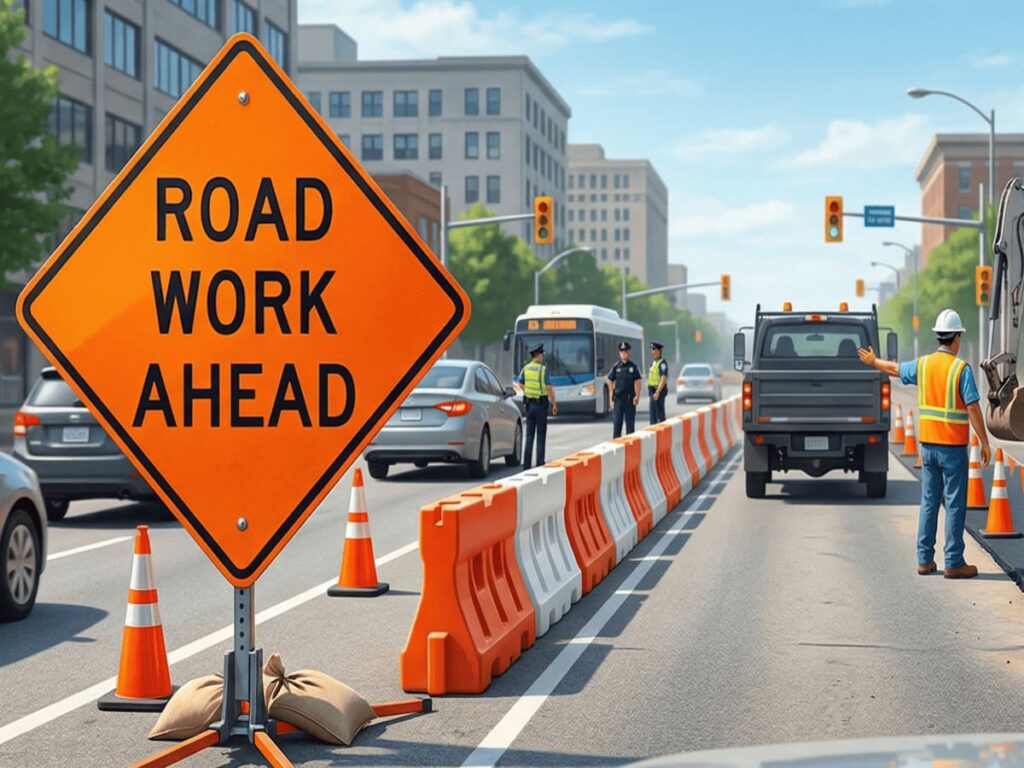
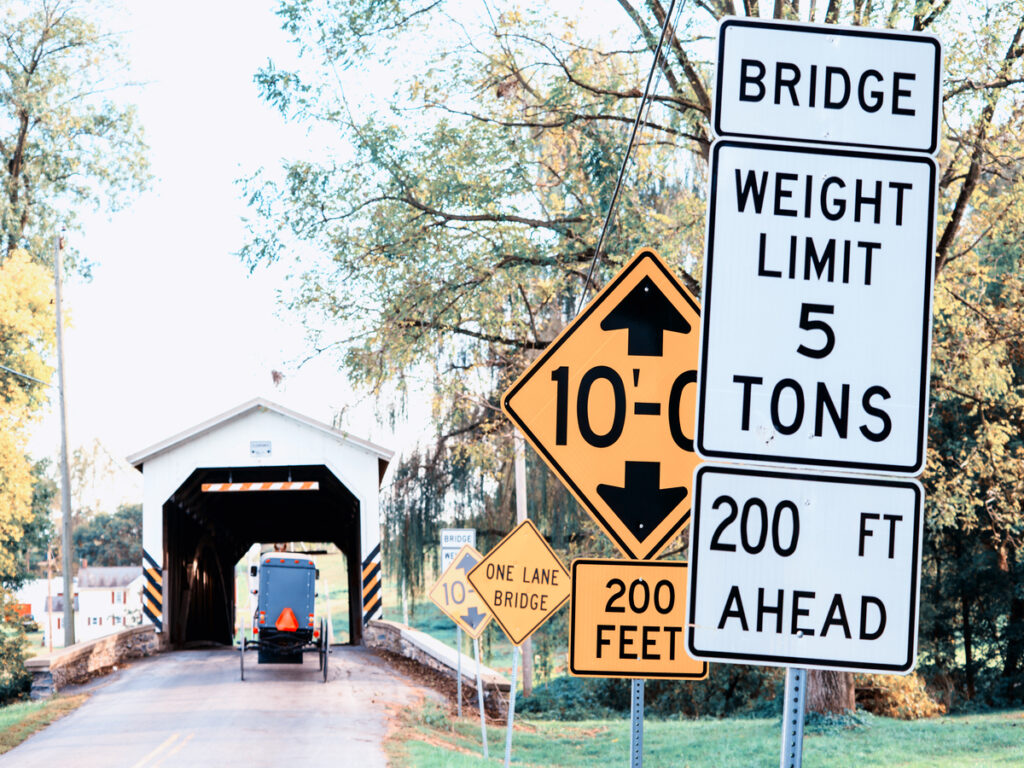
AS/NZS 1365 é a regra principal para placas de alumínio na Austrália e na Nova Zelândia. Esta norma possui regras rígidas para a qualidade do material. Garante que cada signo possa lidar com o mau tempo. Também ajuda os sinais a combater a ferrugem. Os fabricantes usam AS/NZS 1365 fazer sinais que duram muito tempo. Esses sinais permanecem fáceis de ver e seguros por anos. Os fornecedores confiam neste padrão para fornecer sempre os mesmos bons resultados. As pessoas que usam os sinais recebem sinais em que podem confiar. Esses sinais ajudam a manter estradas e locais de trabalho mais seguros.
No OPTRÁFEGO, nós orgulhosamente aderimos AS/NZS 1365 na produção de nossos sinais de trânsito de alumínio, garantindo que atendam aos mais altos padrões de durabilidade e desempenho. Nosso os sinais são projetados para suportar as condições mais difíceis, permanecendo fáceis de ler e confiáveis ao longo do tempo. Confiar OPTRÁFEGO para suas necessidades de sinalização, e tenha certeza de que nossos produtos estão em conformidade com os regulamentos mais recentes para fornecer resultados consistentes, sempre soluções de alta qualidade.
Takeaways -chave
- AS/NZS 1365 garante que as placas de alumínio sejam resistentes e durem muito. Isso significa que eles funcionam bem fora.
- Sinais feitos com este padrão não precisam de muitos reparos. Isso economiza tempo e dinheiro para empresas e conselhos.
- Usando sinais que seguem AS/NZS 1365 significa que a qualidade é sempre boa. Isso ajuda a manter as pessoas seguras e facilita a visualização dos sinais em locais públicos.
- A norma ajuda os fabricantes a escolher os melhores materiais. Isso garante que as placas resistam ao mau tempo e não enferrujem.
- Sinais de alumínio que atendem AS/NZS 1365 não custe muito. Eles não precisam ser substituídos ou consertados com frequência.
Visão geral do AS/NZS 1365 para sinais de alumínio
O que é AS/NZS 1365 e sua importância para placas de alumínio?
AS/NZS 1365 é o padrão australiano e neozelandês que especifica as propriedades exigidas do alumínio usado em aplicações de sinalização. Ele descreve a composição química, força, e requisitos de durabilidade do material para garantir um desempenho de alta qualidade. Esta norma desempenha um papel crítico para garantir que sinais de alumínio manter sua integridade e longevidade, mesmo sob condições ambientais adversas.
A norma define as características necessárias do alumínio, como sua resistência à corrosão, força, e acabamento superficial, todos eles são cruciais para sinalização exposta a elementos externos ou uso intenso. Conformidade com AS/NZS 1365 garante isso sinais de alumínio não são apenas duráveis, mas também resistentes à degradação, mantendo sua aparência e funcionalidade ao longo do tempo.
Sinais fabricados como OPTRÁFEGO usando AS/NZS 1365 os padrões são altamente resistentes à ferrugem e danos físicos. Isso os torna ideais para aplicações de alta visibilidade, como sinais de trânsito, onde a durabilidade a longo prazo e o desempenho consistente são essenciais. Como resultado, Conselhos, municípios, e os empreiteiros podem ter confiança na confiabilidade e na vida útil dos sinais produzidos de acordo com esses padrões.
Escopo e relevância do AS/NZS 1365 para placas de sinalização de alumínio
AS/NZS 1365 abrange uma ampla gama de tipos e formas de alumínio, incluindo folhas planas, pratos, e vários outros formatos usados na fabricação de sinalização. A norma especifica parâmetros como espessura, dureza, e suavidade da superfície, garantindo que os fabricantes selecionem o material de alumínio apropriado com base nas necessidades específicas do sinal.
Seguindo AS/NZS 1365, fabricantes de sinalização são capazes de:
- Selecione o material de alumínio ideal para cada aplicação, com base na exposição esperada do sinal e nas condições ambientais.
- Garanta a conformidade com os regulamentos do setor e alcance os padrões de desempenho necessários para segurança e longevidade.
- Mantenha uma qualidade consistente em todos os produtos de sinalização, independentemente da aplicação ou localização.
Esta norma é essencial para garantir uniformidade na qualidade da sinalização, seja na sinalização viária urbana, sinalização industrial, ou aplicações comerciais. Conformidade com AS/NZS 1365 garante isso sinais de alumínio são produzidos com qualidade e desempenho consistentes na Austrália e na Nova Zelândia, atendendo aos requisitos legais e às expectativas do setor.
Elementos-chave do AS/NZS 1365 para sinalização de alumínio
Composição e propriedades da liga em placas de sinalização de alumínio
AS/NZS 1365 descreve as composições e propriedades específicas da liga necessárias para o alumínio usado na fabricação de sinalização. A norma garante que as ligas de alumínio atendam à resistência necessária, flexibilidade, e resistência à corrosão para manter o desempenho dos sinais durante toda a sua vida útil.
- Força da Liga: As ligas escolhidas devem ser fortes o suficiente para resistir à flexão ou à ruptura sob tensões típicas encontradas ao ar livre., como vento ou impacto físico.
- Flexibilidade: As ligas precisam manter um certo nível de maleabilidade para permitir fácil moldagem e dobra sem comprometer sua integridade estrutural..
A norma define especificamente quais ligas são mais adequadas para diferentes ambientes. Por exemplo, Alumínio 5005 (comumente usado para sinalização externa) fornece excelente resistência à corrosão e resistência às intempéries, tornando-o ideal para sinais expostos ao vento e à chuva. Por outro lado, Alumínio 1050 é mais adequado para aplicações internas onde superfícies lisas e exposição mínima a condições ambientais adversas são típicas.
Acabamento de superfície e textura para placas de alumínio
O acabamento superficial de sinais de alumínio é fundamental para durabilidade e visibilidade. AS/NZS 1365 especifica quão lisa ou texturizada a superfície deve ser, juntamente com recomendações para tratamentos de superfície, como anodização ou revestimento em pó. Esses acabamentos protegem a sinalização e ajudam a manter sua visibilidade ao longo do tempo.
- Anodização: Um processo eletroquímico que forma uma camada de óxido durável na superfície, proporcionando resistência à corrosão e melhorando a aparência do sinal. Este tratamento também ajuda a reter a cor e a refletividade ao longo dos anos.
- Revestimento em pó: Um processo de acabamento a seco que garante uma uniformidade, acabamento durável resistente a arranhões, desvanecimento, e lascar. É comumente usado para sinalização externa exposta a condições climáticas adversas.
- Superfícies Pintadas: Os sinais também podem ser pintados para melhorar a sua visibilidade e estética. No entanto, superfícies pintadas normalmente requerem manutenção mais frequente do que acabamentos anodizados ou com revestimento em pó.
Estes tratamentos de superfície não só melhoram o apelo estético do sinal, mas também melhoram a sua capacidade de resistir a factores externos., como raios UV, umidade, e poluentes.
Para entender mais sobre os materiais utilizados na fabricação de letreiros refletivos, incluindo os benefícios do alumínio pré-tratado versus alumínio com acabamento fresado para montagem de revestimentos reflexivos, Leia nosso blog: Alumínio pré-tratado vs com acabamento fresado: O que é melhor para montagem de sinalização reflexiva.
Grossura, Tolerâncias, e precisão em placas metálicas de alumínio
O espessura do alumínio usado para sinalização desempenha um papel vital tanto na força quanto na estética. AS/NZS 1365 especifica requisitos precisos de espessura para vários tipos de sinalização para garantir uniformidade e durabilidade.
- Grossura: A norma define espessuras específicas para diferentes tipos de sinalização, como 1.6 milímetros ± 0.1 mm para sinalização geral. Isso garante que a placa tenha o equilíbrio certo de força sem ser desnecessariamente pesada.
- Tolerância: Limites de tolerância rigorosos são definidos para garantir que os sinais sejam produzidos de forma consistente e se ajustem às molduras designadas. Por exemplo, uma tolerância de ± 0.05 mm garante corte e modelagem precisos, o que é fundamental para sinalização que precisa se adaptar a acessórios de instalação específicos.
A norma também fornece diretrizes para garantir que os sinais sejam cortados e moldados com precisão, evitando problemas como mau ajuste, desalinhamento, ou desperdício desnecessário durante a produção.
| Recurso | Exemplo de requisito |
|---|---|
| Grossura | 1.6 milímetros ± 0.1 milímetros |
| Tolerância | ± 0.05 milímetros |
Você sabia? Muitos recém-chegados ao setor de compras cometem o erro de presumir que a qualidade de um sinal é diretamente proporcional à sua espessura. Mas será que esse é realmente o caso? Para saber mais sobre os prós e contras de diferentes sinal de alumínio espessuras e qual é melhor para suas necessidades, Confira nosso blog: É mais espesso sempre melhor? Os prós e contras de diferentes espessuras em sinais de trânsito de alumínio.
Resistência à corrosão e durabilidade em placas de alumínio
Sinais de alumínio estão expostos a condições ambientais adversas, incluindo luz solar, chuva, e poluição. AS/NZS 1365 garante que esses sinais mantenham sua integridade ao longo do tempo, com foco específico na resistência à corrosão.
- Resistência à corrosão: A norma especifica testes rigorosos de corrosão, incluindo testes de névoa salina e exposição à água, para simular condições climáticas do mundo real. As placas feitas de alumínio em conformidade com AS/NZS 1365 devem resistir à ferrugem e à corrosão mesmo após exposição prolongada à umidade ou ao ar salgado. Por exemplo, sinais localizados em regiões costeiras da Austrália, como ao longo da Great Ocean Road ou na costa de Queensland, estão sujeitos a níveis mais elevados de sal no ar, que pode acelerar a corrosão. Conformidade com AS/NZS 1365 garante que a sinalização nessas áreas mantenha sua durabilidade e visibilidade, apesar dos efeitos corrosivos da água salgada e da umidade.
- Durabilidade: Além da corrosão, a norma exige que os sinais de alumínio mantenham a sua integridade estrutural e desempenho visual sob exposição prolongada a elementos ambientais. Isto é particularmente importante para sinalização externa, que deve permanecer legível e funcional por muitos anos.
AS/NZS 1365 Conformidade e fabricação de placas de alumínio
Atendendo aos padrões de sinalização rodoviária com placas de sinalização de alumínio
Fabricantes de sinais de trânsito de alumínio deve cumprir padrões rígidos da indústria, incluindo AS/NZS 1365, para atender às especificações exigidas pelos conselhos locais e autoridades rodoviárias. Estas diretrizes estão alinhadas com o Manual de Dispositivos Uniformes de Controle de Tráfego (MUTCD), garantindo que todos os sinais de trânsito sejam de qualidade consistente, tamanho apropriado, e moldado para máxima legibilidade. A conformidade com estas normas garante que os sinais terão um desempenho eficaz sob diversas condições ambientais e permanecerão duráveis em estradas de tráfego intenso..
Mas a conformidade não se limita à qualidade do material. Para garantir a visibilidade e a segurança do motorista, materiais retrorrefletivos são igualmente cruciais na sinalização de trânsito. AS/NZS 1906.1 define as especificações para esses materiais, certificando-se de que eles atendam aos padrões necessários de desempenho. Quer saber por que AS/NZS 1906.1 é essencial para garantir retrorrefletividade eficaz na sinalização de trânsito? Leia nosso blog: Por que AS/NZS 1906.1 é essencial para materiais retrorrefletivos em sinalização de trânsito.
Controle de qualidade e certificação para placas metálicas de alumínio
O controle de qualidade é muito importante ao fazer placas de alumínio metálico. As fábricas usam testes para verificar a resistência, grossura, e final de cada sinal. Inspetores procuram marcas, dentes, ou arestas ásperas. Eles também testam se a placa pode impedir a ferrugem e o desbotamento. Somente os sinais que passam em todas essas verificações recebem um certificado. Sinais certificados ajudam conselhos e empresas a confiar em sua segurança e em seu bom funcionamento.
Uma lista de verificação normal de controle de qualidade tem:
- Verificando o tipo e espessura da liga
- Olhando para o acabamento superficial
- Teste de resistência à corrosão
- Verificando tamanho e forma
Garantindo segurança e uniformidade na fabricação de sinalização de alumínio
Consistência e segurança são fundamentais na produção de Sinais de alumínio em conformidade com AS/NZS 1365. A norma fornece diretrizes claras para garantir que cada sinal atenda às mesmas especificações, seja instalado em uma rodovia movimentada ou em um local de trabalho.
Processos de fabricação, incluindo corte, moldar, e acabamento, siga procedimentos padronizados para minimizar erros e garantir uniformidade em todos os sinais. Esta uniformidade garante que os sinais sejam facilmente reconhecíveis, ajudando motoristas e trabalhadores a interpretar informações com rapidez e precisão, reduzindo assim a confusão e melhorando a segurança geral.
Benefícios do AS/NZS 1365 Sinais de alumínio
Durabilidade e longevidade de placas de sinalização de alumínio
AS/NZS 1365 tem regras rígidas para placas de sinalização de alumínio. Essas regras ajudam a sinalização a resistir ao vento e à chuva. Placas feitas com esse padrão duram muito tempo. Conselhos e empresas confiam nestes sinais porque permanecem fortes. A norma garante que as placas não dobrem ou quebrem. As pessoas veem esses sinais nas estradas e no trabalho. Sinais duradouros são importantes nesses locais.
Manutenção reduzida com placas metálicas de alumínio
Sinais de alumínio feito para AS/NZS 1365 Precisa de menos fixação. A norma diz que as superfícies devem combater a ferrugem e o desbotamento. Os trabalhadores não gastam muito tempo consertando esses sinais. As empresas economizam dinheiro porque as placas duram mais. O acabamento liso torna a limpeza rápida e fácil. Os sinais permanecem brilhantes e fáceis de ler com cuidado simples.
Benefícios da manutenção reduzida:
- Menos reparos necessários
- Custos de limpeza mais baixos
- Intervalos mais longos entre substituições
Custo-benefício do AS/NZS 1365 Sinais de alumínio
Fabricantes que usam AS/NZS 1365 não desperdice materiais. O padrão os ajuda a usar bem os recursos. Câmaras e empresas gastam menos em nova sinalização. Os sinais duram mais, então menos são necessários ao longo do tempo. Um bom desempenho economiza dinheiro para todos.
| Beneficiar | Impacto |
|---|---|
| Menos desperdício | Custos de produção mais baixos |
| Menos substituições | Redução de despesas de longo prazo |
| Fabricação eficiente | Melhor gerenciamento de recursos |
Qualidade consistente em placas de sinalização de alumínio
AS/NZS 1365 garante que todos os sinais produzidos atendam a padrões de qualidade consistentes, independentemente do fabricante ou aplicação. Essa uniformidade no design e nas propriedades dos materiais torna esses sinais confiáveis, garantir que as autoridades rodoviárias, negócios, e os trabalhadores podem confiar na integridade de cada sinalização instalada.
Benefícios da qualidade consistente:
- Erros reduzidos: A fabricação de acordo com um padrão definido resulta em menos defeitos, minimizando o risco de erros que podem levar a preocupações de segurança.
- Maior confiança: A uniformidade garante que todos os sinais sejam claramente legíveis e funcionais, ajudando motoristas e trabalhadores a interpretar a sinalização de forma eficaz.
- Ambientes mais seguros: Claro, sinalização consistente reduz o potencial de confusão, melhorar a segurança em espaços públicos e locais de trabalho.
Aplicações e tendências futuras em sinalização de alumínio
Placas de sinalização de alumínio para sinalização rodoviária e de trânsito
Placas de sinalização de alumínio são um componente chave nos sistemas de controle de tráfego na Austrália e na Nova Zelândia. Esses sinais são cruciais para transmitir informações essenciais aos motoristas, garantir a segurança rodoviária, fornecendo informações claras, mensagens legíveis. Engenheiros selecionam Materiais em conformidade com AS/NZS 1365 para cada sinal para garantir que eles sejam duráveis, resistente ao tempo, e ter um bom desempenho em ambientes de alto tráfego.
- Revestimentos reflexivos são usados para melhorar a visibilidade, garantindo que os sinais permaneçam legíveis à noite ou durante condições de neblina. Esses revestimentos são particularmente importantes em rodovias, estradas da cidade, e estradas rurais, onde a visibilidade consistente é essencial para a segurança rodoviária.
- Conformidade com AS/NZS 1365 garante que toda a sinalização nessas regiões forneça mensagens uniformes, oferecendo as mesmas instruções claras, independentemente da localização.
Aplicações comerciais e industriais de placas de alumínio
Além da sinalização rodoviária, sinais de alumínio são amplamente utilizados em ambientes comerciais e industriais por sua durabilidade e desempenho duradouro. Esses signos são escolhidos por sua força, Resistência à corrosão, e capacidade de suportar ambientes exigentes.
- Usos de gerenciamento de instalações sinais de alumínio para orientação, instruções de segurança, e conformidade regulatória. As aplicações comuns incluem sinais de entrada/saída, sinais direcionais em shopping centers, e avisos de segurança em armazéns.
- Sinais de alumínio são resistentes a arranhões e ferrugem, garantindo sua longevidade mesmo em ambientes com alto tráfego de pedestres, como fábricas e espaços de varejo.
Aplicações comuns de sinalização comercial:
- Sinalização de loja para branding e orientação.
- Sinais de segurança para áreas perigosas em fábricas ou armazéns.
- Sinalização direcional em grandes espaços comerciais como shoppings ou parques industriais.
Sustentabilidade e Inovação em Placas Metálicas de Alumínio
À medida que as preocupações ambientais crescem, fabricantes de sinais de trânsito como OPTRÁFEGO estão cada vez mais focados na sustentabilidade ao produzir sinalização de alumínio. Os avanços na ciência dos materiais e nos processos de fabricação estão ajudando a reduzir a pegada ambiental desses sinais.
Inovações em materiais de sinalização:
| Inovação | Beneficiar |
|---|---|
| Alumínio reciclado | Reduz o desperdício em aterros e a extração de recursos. |
| Revestimentos ecológicos | Menor manutenção e maior durabilidade. |
| Materiais inteligentes | Melhor desempenho e benefícios ambientais. |
A sustentabilidade de sinais de alumínio continua a evoluir com a integração de materiais inteligentes, oferecendo maior durabilidade, menos impacto ambiental, e menores custos do ciclo de vida. Para saber mais sobre como os sinais de trânsito de alumínio estão se tornando mais ecológicos e os benefícios ambientais que eles trazem 2025, Leia nosso blog: Descubra os benefícios ambientais dos sinais de trânsito de alumínio 2025.
AS/NZS 1365 é a regra principal para o bem placas de alumínio na Austrália e na Nova Zelândia. Esta regra garante que os sinais permaneçam fortes, seguro, e funcionar bem. As pessoas obtêm esses benefícios:
- As placas são sempre de boa qualidade.
- Custa menos cuidar dos sinais.
- Os sinais duram muito tempo.
Escolhendo os sinais que se seguem AS/NZS 1365 é uma escolha inteligente e ajuda as pessoas a se sentirem seguras. Novas ideias de materiais e acabamentos continuarão a melhorar a sinalização para todos.
Perguntas frequentes
O OPTRAFFIC é compatível com AS/NZS 1365 padrões?
Sim, OPTRAFFIC garante que todos os nossos sinais de alumínio sejam compatíveis com AS/NZS 1365. Usamos materiais de alta qualidade e processos de fabricação que atendem a esses padrões rigorosos, fornecendo durável, confiável, e sinais duradouros. Nossa sinalização compatível com AS/NZS 1365 oferece desempenho consistente, seja para segurança rodoviária, comercial, ou aplicações industriais.
O que AS/NZS 1365 cobertura em sinalização de alumínio?
AS/NZS 1365 tem regras para o que entra na liga, quão grosso é, como fica a superfície, e quão bem ele combate a ferrugem. Essas regras garantem que as placas de alumínio sejam seguras e durem muito tempo na Austrália e na Nova Zelândia.
Por que os conselhos preferem sinais compatíveis com AS/NZS 1365?
Os conselhos escolhem sinais que seguem AS/NZS 1365 porque eles podem confiar neles. Esses sinais duram mais, não seja danificado pelo mau tempo, e fique fácil de ver. Seguir as regras significa que todos os sinais são de boa qualidade em locais públicos.
Dica: Os conselhos costumam pedir provas de que a sinalização segue as regras antes de afixá-la.
Como funciona o AS/NZS 1365 melhorar a durabilidade do sinal?
AS/NZS 1365 diz quais materiais e acabamentos impedem a ferrugem e o desbotamento. Sinais podem lidar com a chuva, sol, e ar sujo. Esta regra ajuda a economizar dinheiro porque as placas precisam de menos consertos e não precisam ser substituídas com tanta frequência.
Onde estão AS/NZS 1365 sinais de alumínio comumente usados?
| Aplicativo | Locais de exemplo |
|---|---|
| Sinalização rodoviária | Rodovias, interseções |
| Sinalização comercial | Lojas, escritórios |
| Sinalização industrial | Fábricas, armazéns |
Esses sinais são usados em muitos lugares porque são fortes e as pessoas podem confiar neles.