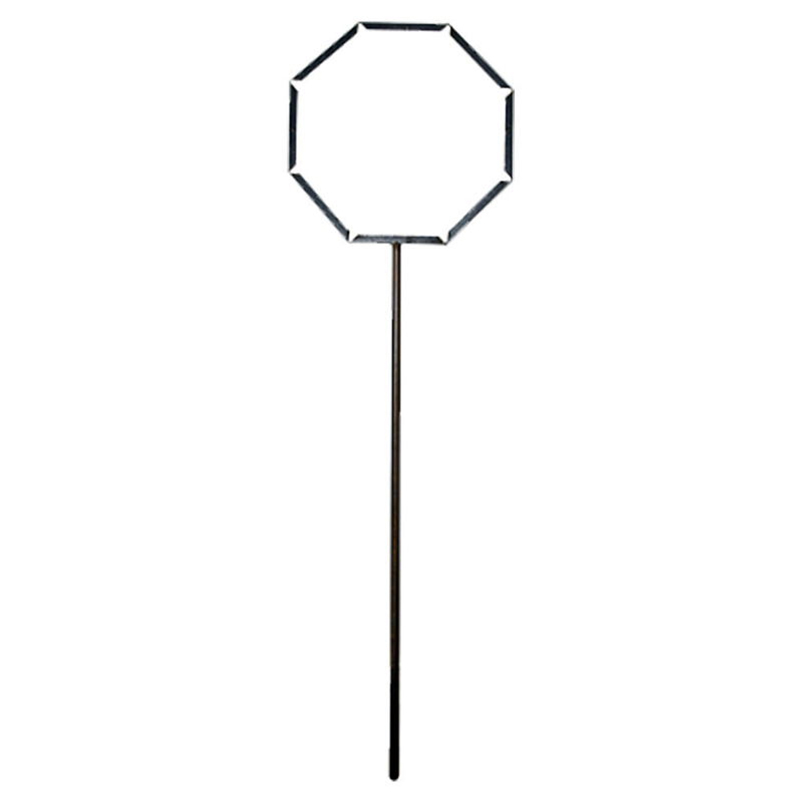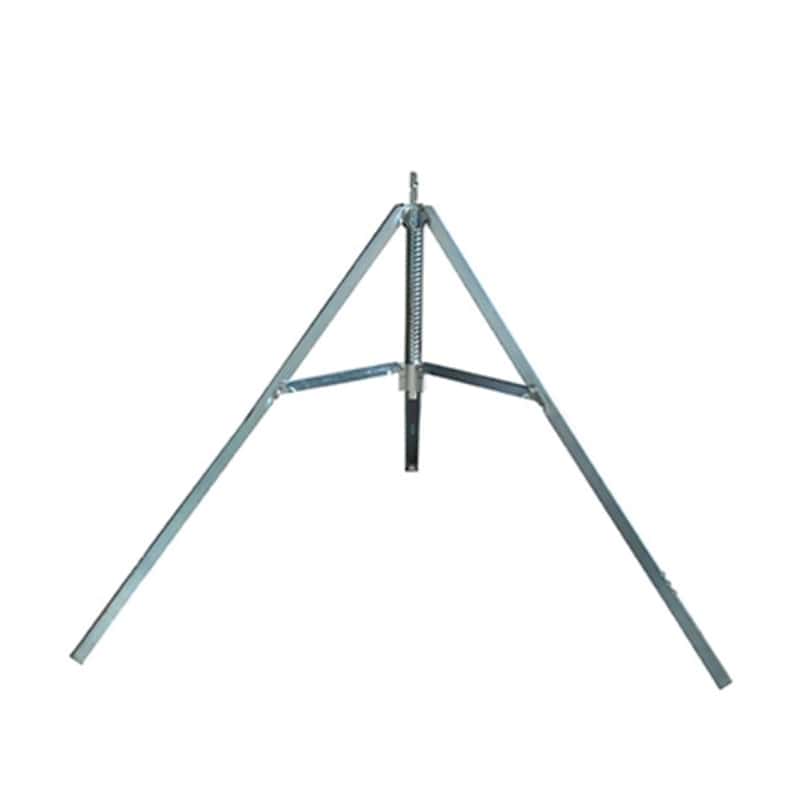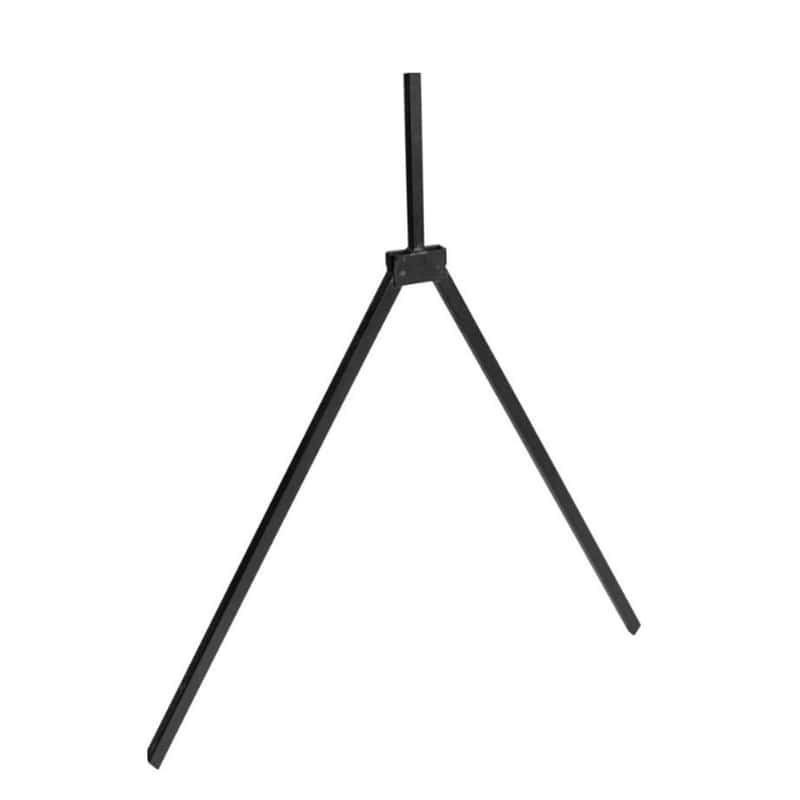
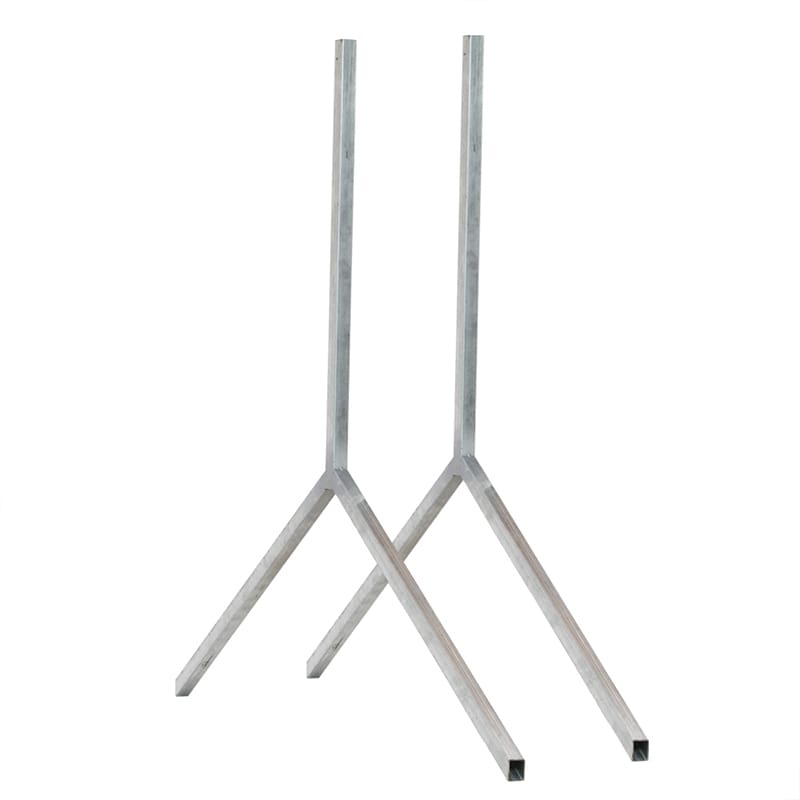
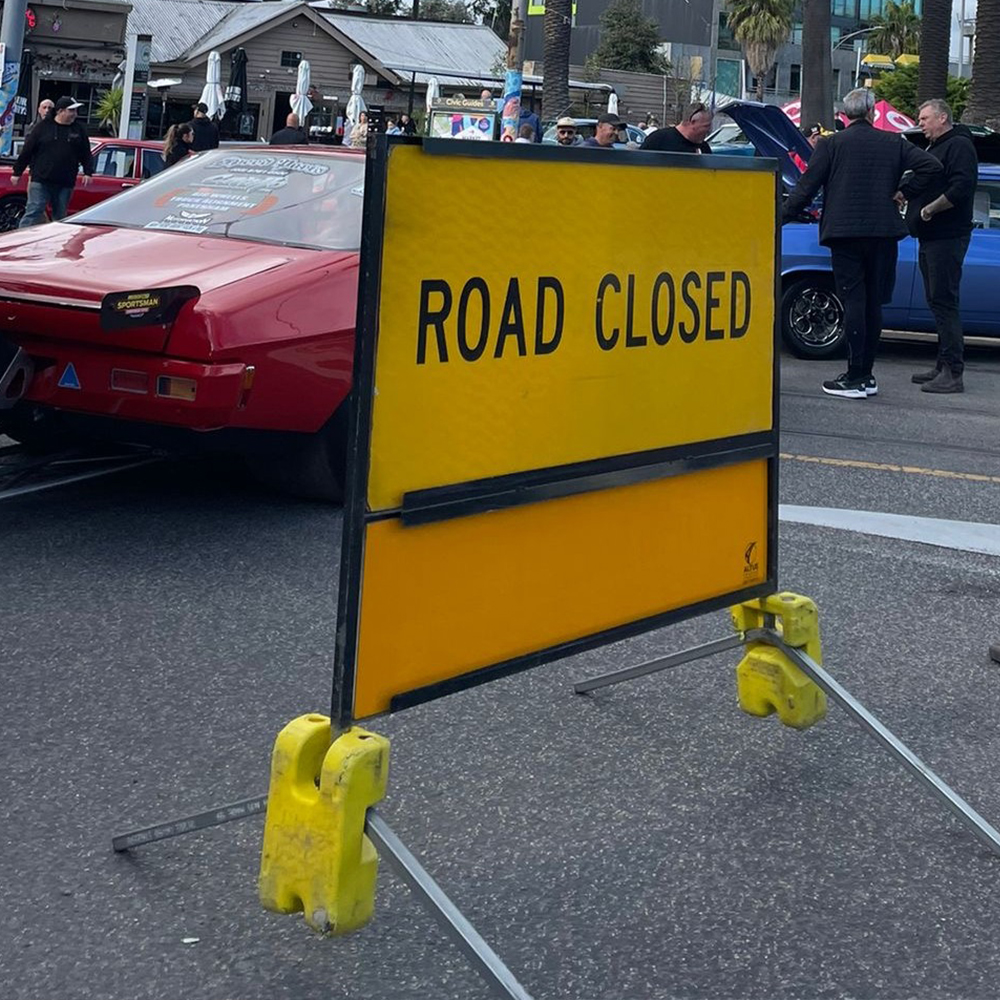
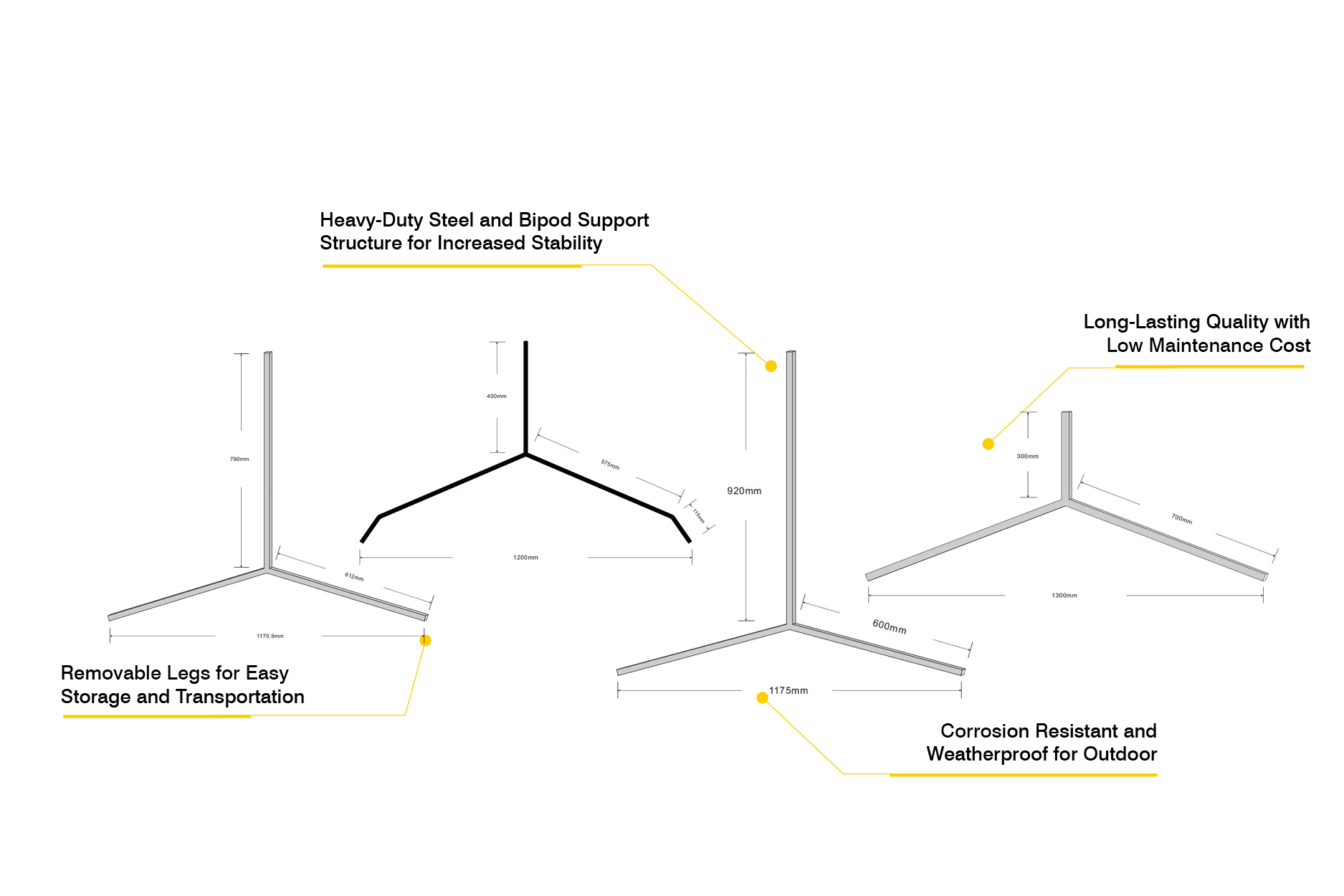
Optsigns Y Stands feature durable removable bipod steel legs designed to support multi-message frames, offering a robust and stable structure for temporary safety signs. These versatile Y Stands effectively manage traffic and alert motorists to important information, such as roadworks, roadway closures, speed reductions, and other hazardous road conditions. Their lightweight design allows for easy setup and transport, making them an essential tool for traffic management in various environments.
*We respect your confidentiality and all information are protected.
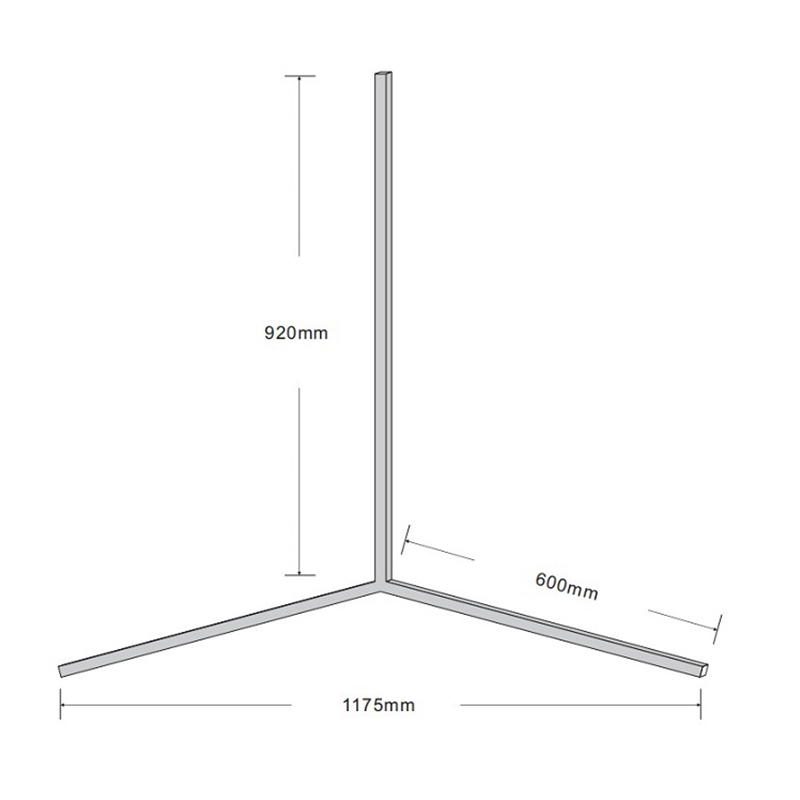
| Size | 1175*1095*50mm |
|---|---|
| Weight | 1.65kgs |
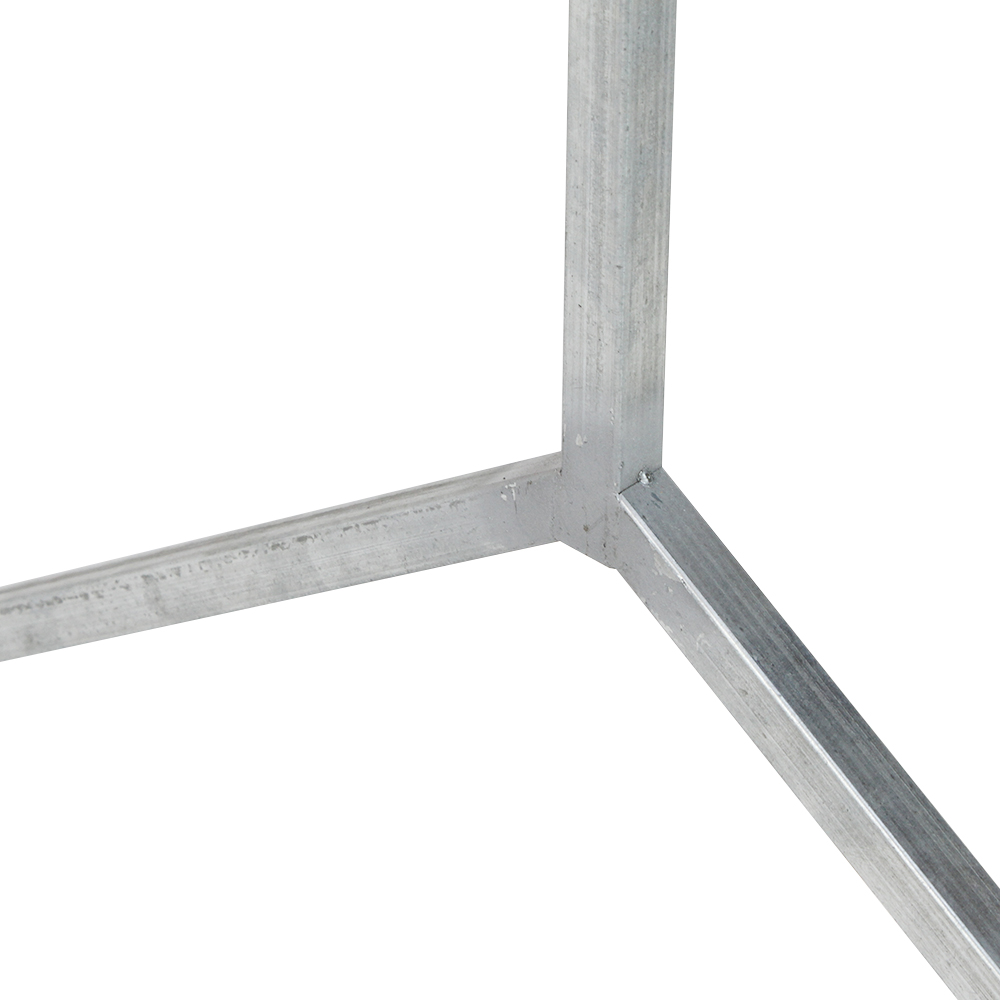
| Material | Hollow Square Steel |
| Finish | Black Powder Coating |
| Middle Bar | 920mm |
| Leg Length | 600mm |
| Customize | Custom Size and Shape |
Using Optsigns Y Stands is straightforward and efficient. Start by placing the bipod legs on a flat surface where you intend to set up your temporary safety signs. Attach the multi-message frame securely to the Y Legs, ensuring it is stable and upright. Adjust the frame to display the necessary messages clearly, whether it’s for roadworks, speed reductions, or other safety alerts. Once set up, regularly check the stability of the Y Stands, especially in windy conditions, to ensure maximum visibility and safety for motorists.
Hazard warning posts are markers designed to alert drivers and pedestrians about potential dangers in the area, such as construction sites or road hazards. Often made from durable materials, these warning posts are equipped with reflective surfaces for improved visibility, ensuring safety in low-light conditions.
Generally, plastic warning posts are designed to be flexible and absorb impacts, minimizing damage to vehicles. Unlike rigid structures, flexible warning bollards can bend or yield upon impact, reducing the risk of severe car damage in minor collisions.
Warning delineator posts at OPTsigns range in height from 45 to 78 cm, depending on their intended use. Flexible warning bollard posts are designed to be prominent enough to catch attention while remaining unobtrusive in traffic situations.
A warning post serves to alert and guide traffic, while a barricade is used to block access to certain areas. Warning posts, like traffic warning posts, are often smaller and provide information, whereas barricades are larger, more solid structures meant to physically obstruct passage.
Traffic warning posts should be spaced approximately 50 to 100 feet apart, depending on visibility conditions and local regulations. This spacing allows for clear guidance without overcrowding, ensuring that warning posts are easily seen and understood by drivers.