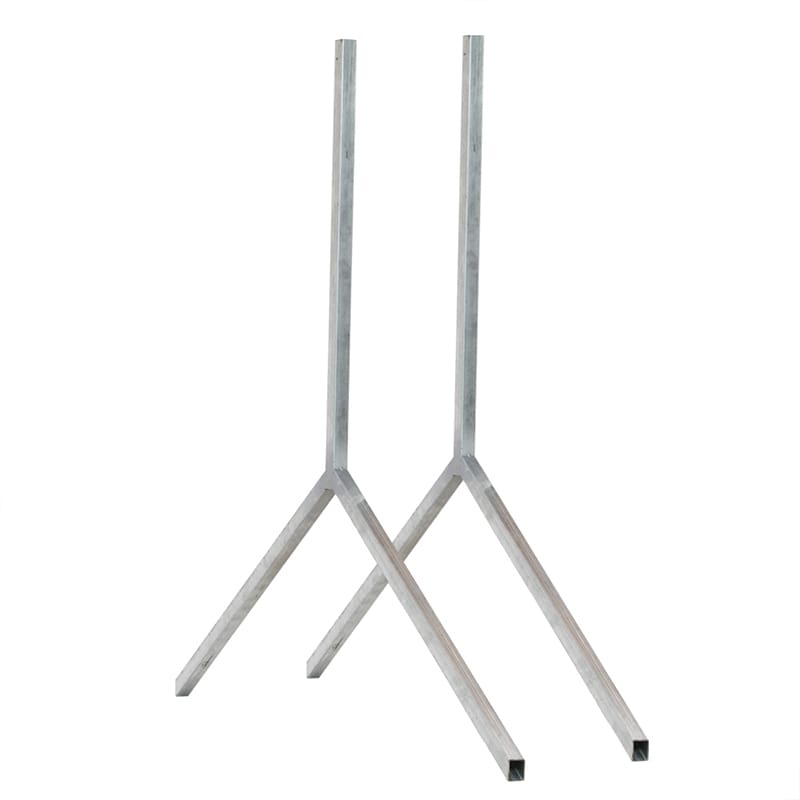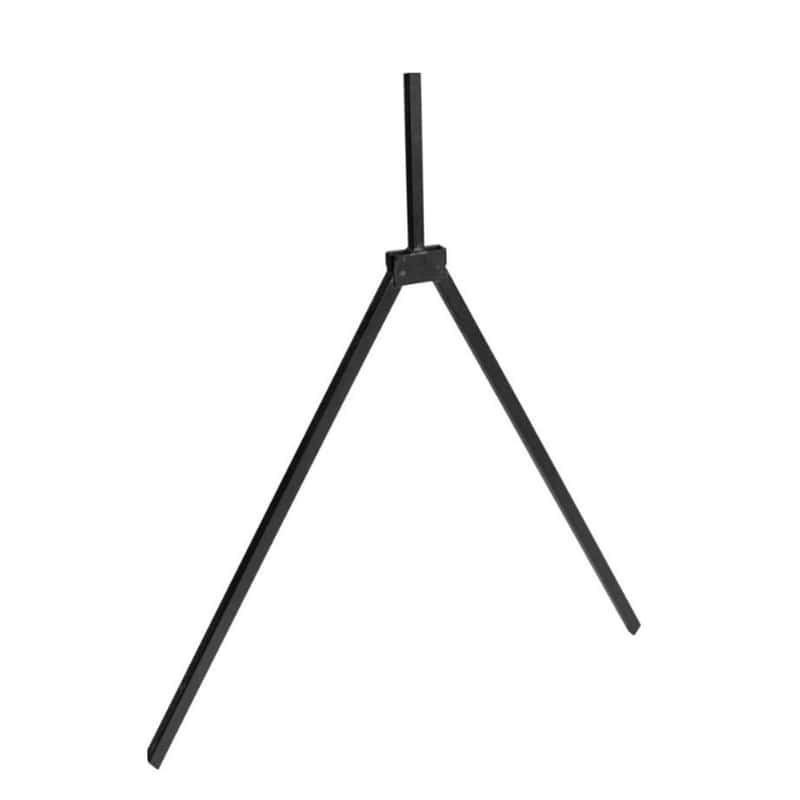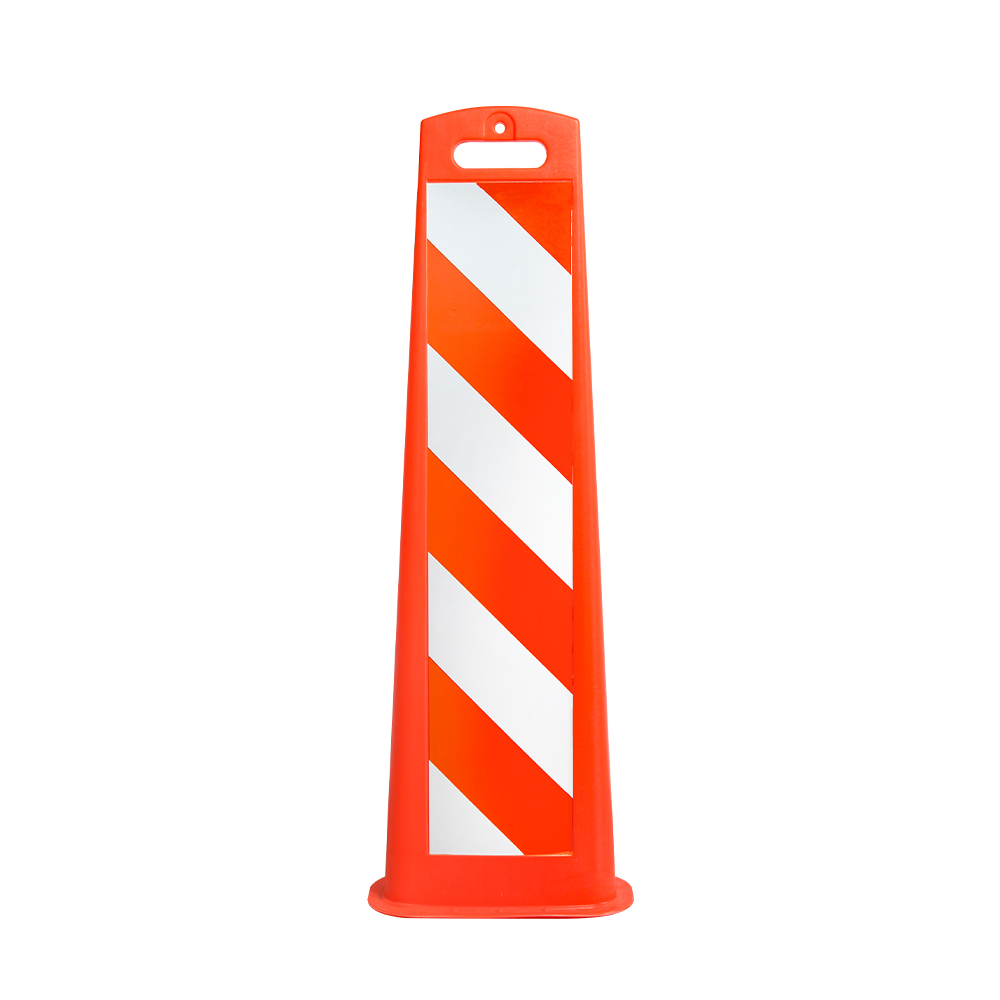
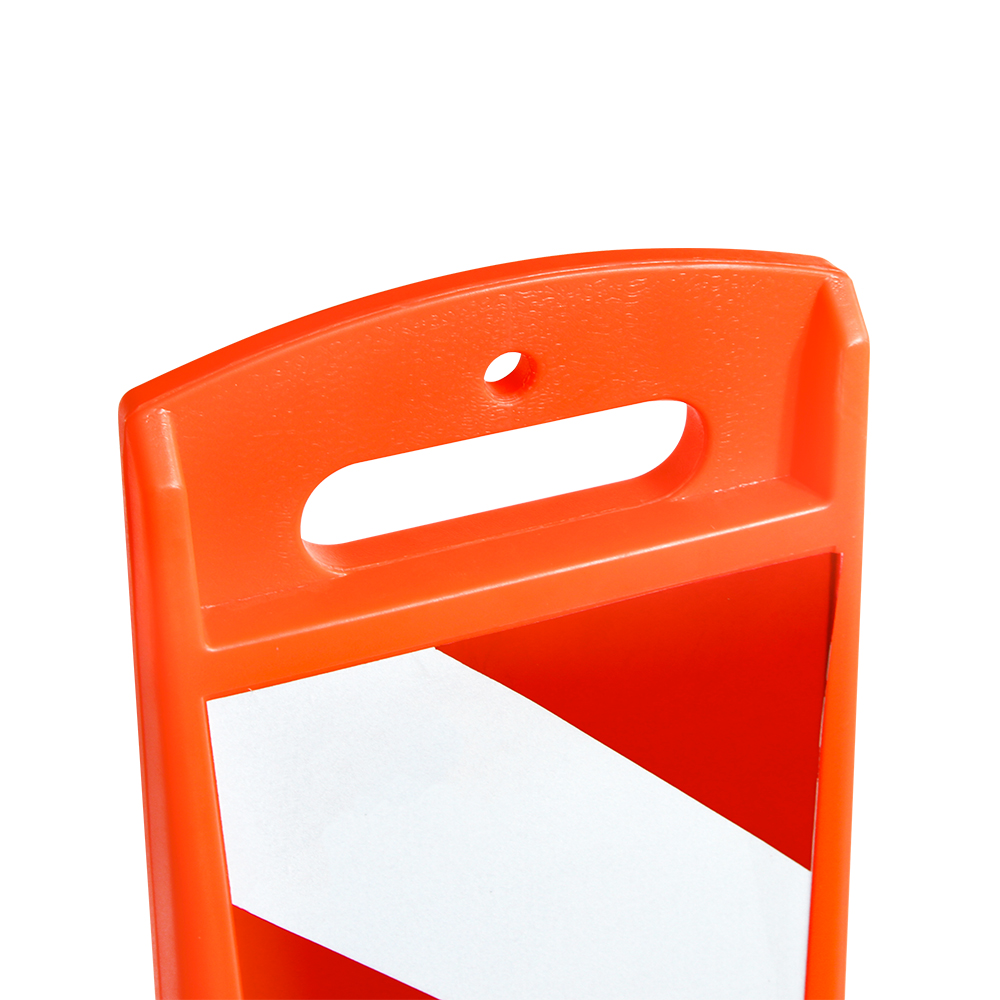
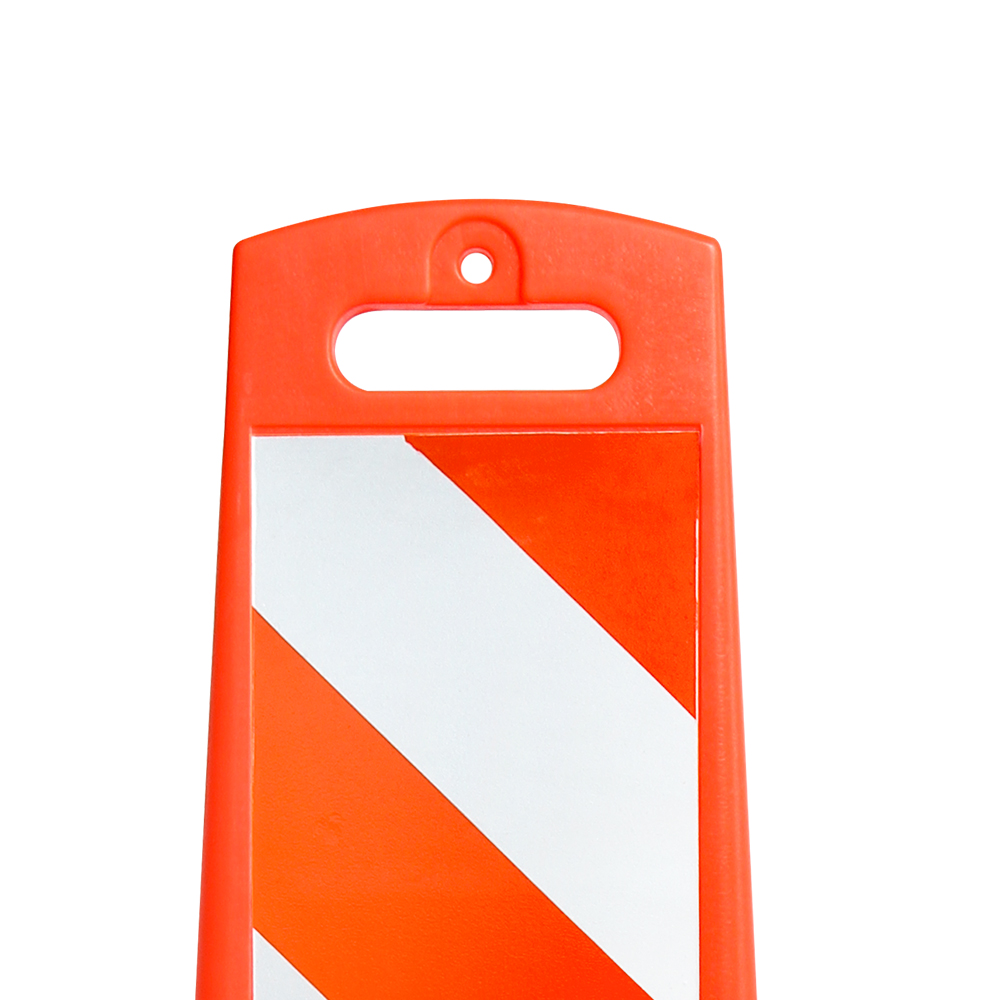
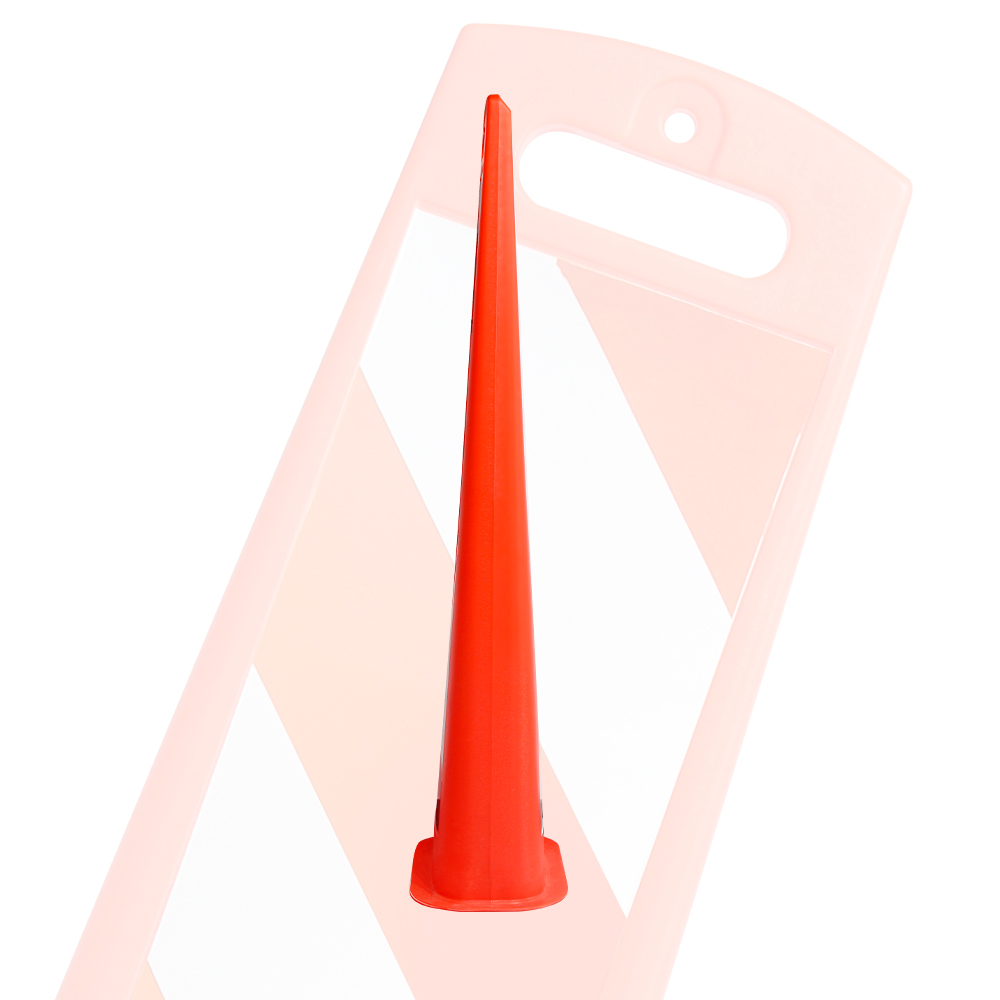
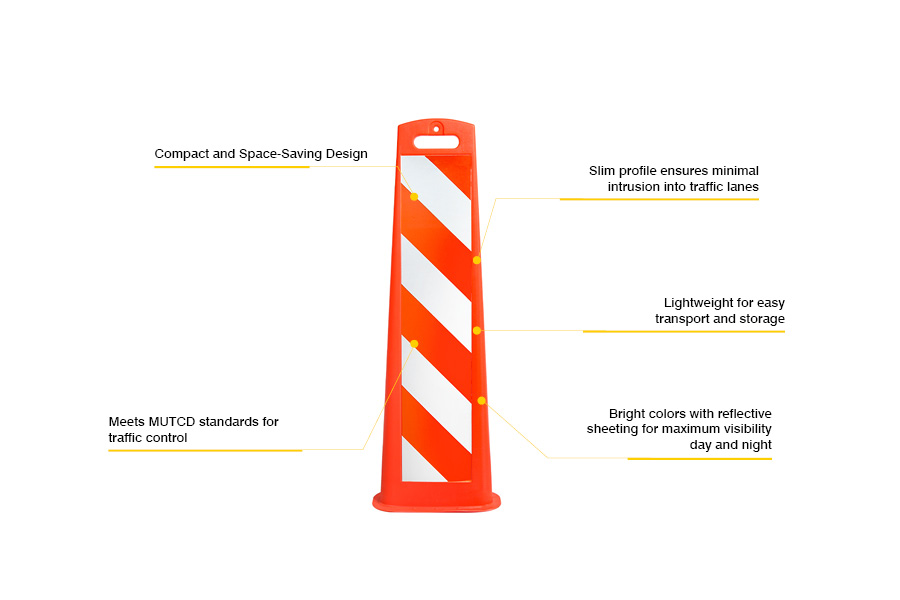
Vertical Panels for traffic control are designed to improve safety and streamline traffic management. Their tall, narrow shape is perfect for situations where space is limited, such as lane closures or urban construction zones. These panels are constructed from durable, impact-resistant materials that can withstand collisions and harsh weather, ensuring long-term usability.
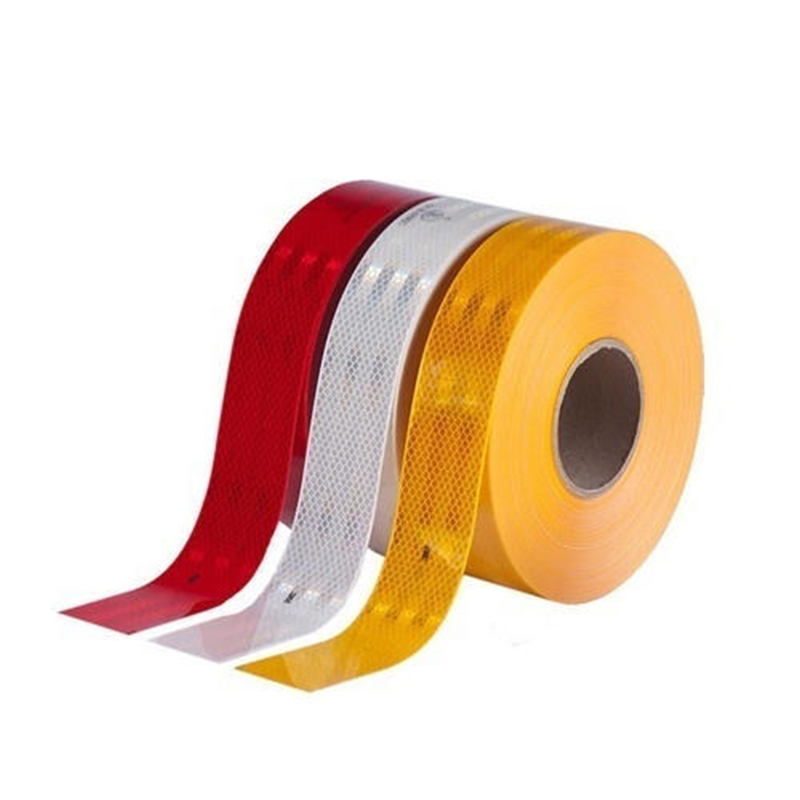
The bright, UV-stabilized colors and reflective sheeting ensure visibility even in low-light or nighttime conditions. With options for weighted bases, these panels remain stable even in high-traffic areas or windy environments. Their stackable and lightweight design makes them easy to transport and store, providing a practical solution for both temporary and long-term traffic management needs.
*We respect your confidentiality and all information are protected.
| Color | White, Black, Orange |
|---|---|
| Material | PE |
Position vertical panel barricades in a straight line or pattern to guide traffic or block restricted areas. Ensure spacing aligns with MUTCD standards for maximum safety. Attach a weighted base to each panel to enhance stability. Adjust placement as needed based on traffic flow or site conditions.
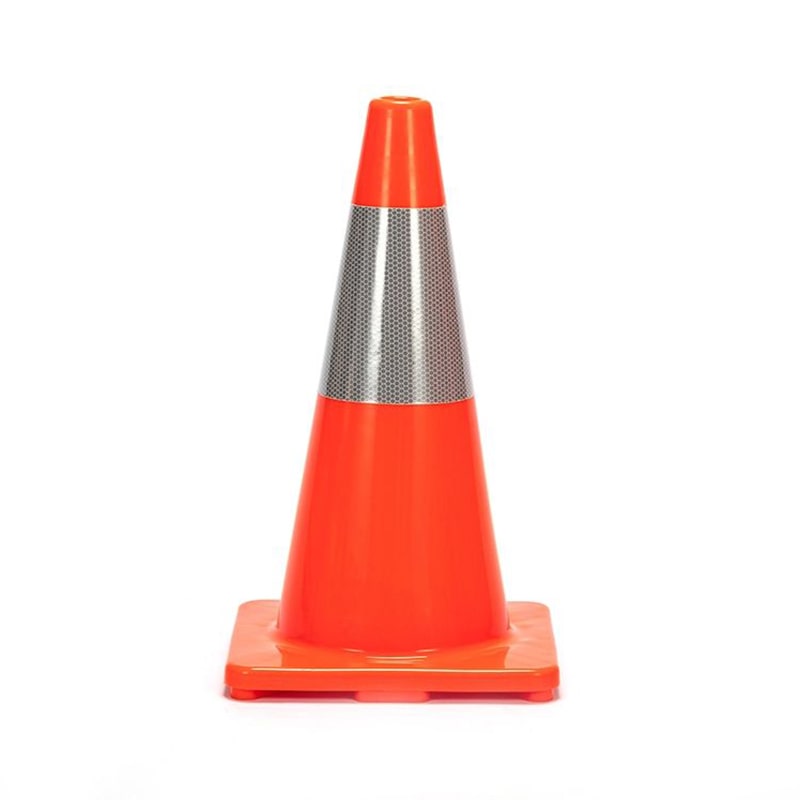
Different color cones serve various purposes in traffic and safety management. For example, orange traffic cones are typically used for road construction or to indicate hazards, while blue road cones may mark parking spaces for disabled individuals.
The lifespan of a traffic cone can vary based on its material and usage conditions. Generally, at OPTsigns, high-quality PVC traffic cones can last several months to 2 years , especially if they are UV resistant and stored properly. Regular maintenance can extend their lifespan further.
The weight of a road cone depends on its height. For example, at OPTsigns, a 300 mm plastic cone weighs approximately 0.55 kgs, while a 900 mm cone weighs around 4.4 kgs. Heavier cones provide more stability, which is crucial for safety in various environments.
Green traffic cones are often used to denote specific areas, such as safe zones or temporary pedestrian pathways. They can also indicate environmental initiatives or construction zones related to landscaping and eco-friendly projects.
Safety green cones are used primarily for guiding traffic in safe zones, while safety orange cones signal caution or hazards, often in road construction. The choice between them helps convey the intended message to drivers and pedestrians effectively