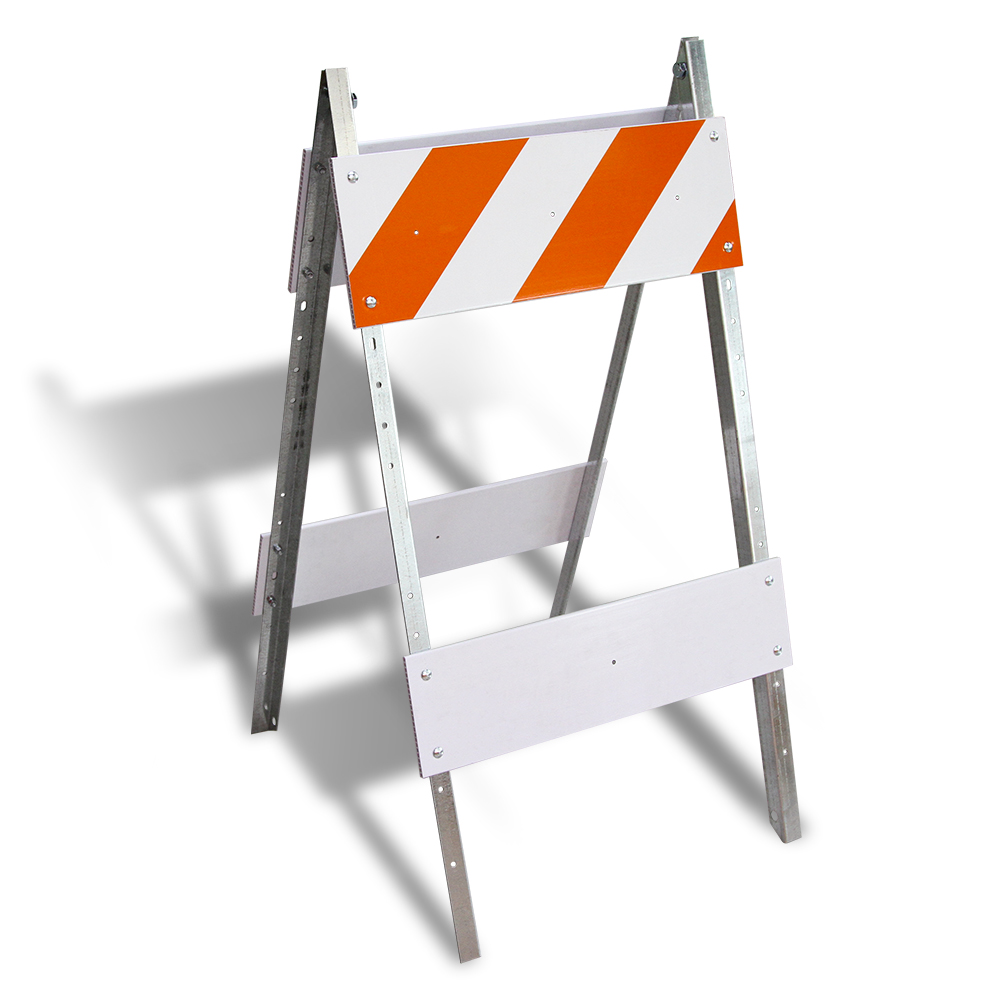
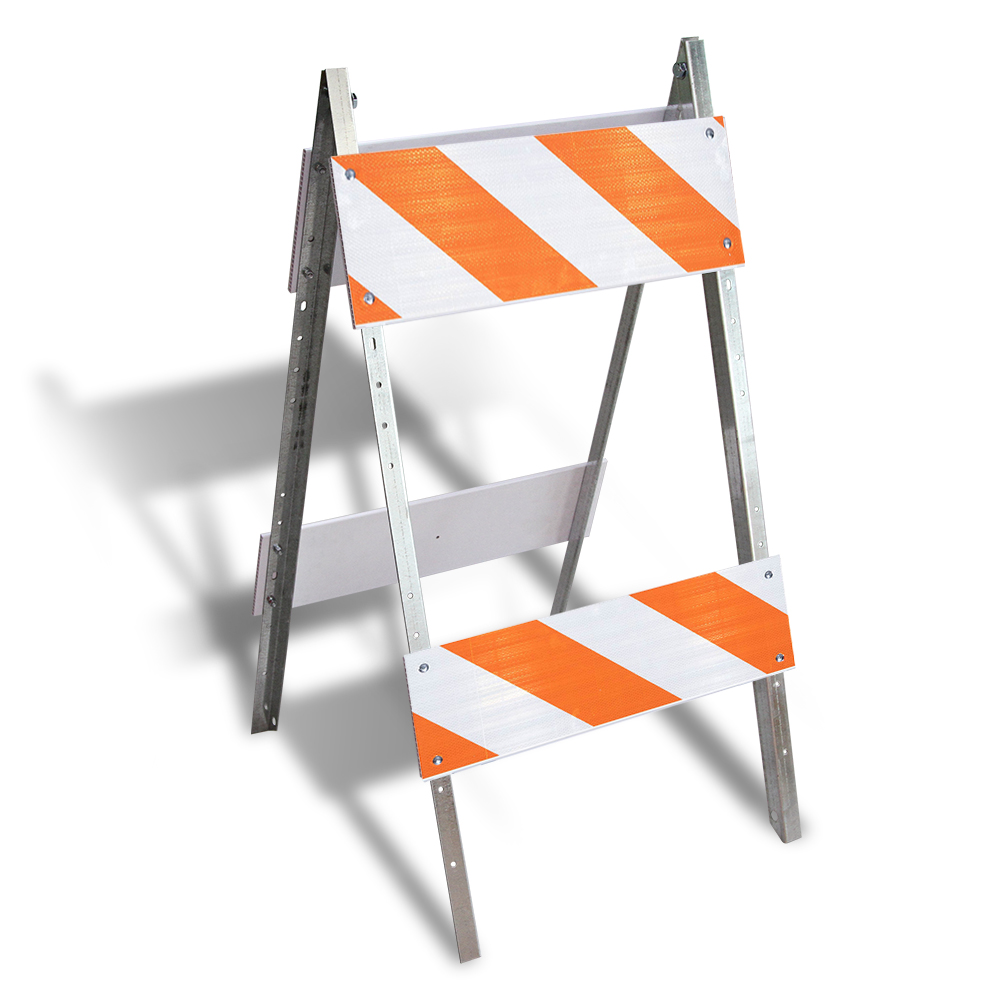
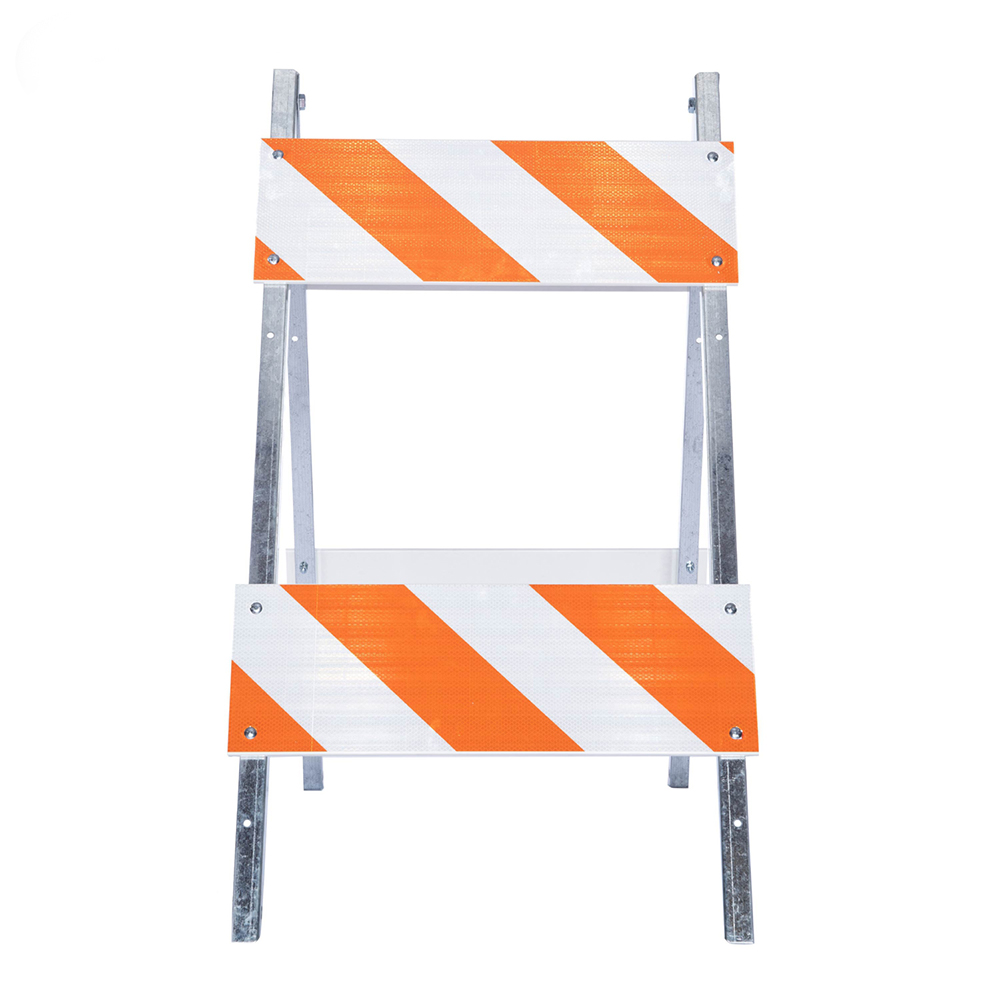
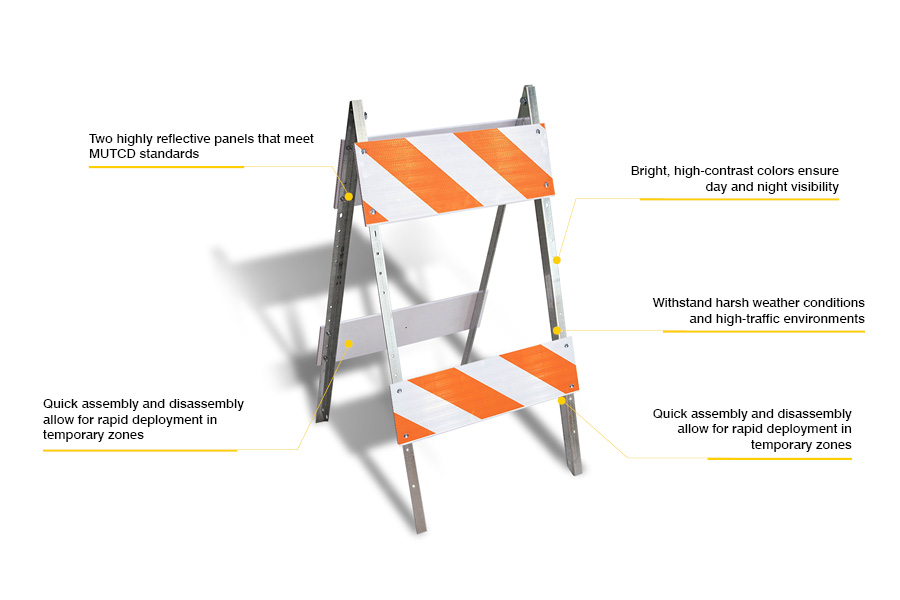
The Type II barricade is a versatile and highly effective solution for directing traffic or marking hazardous areas. With two reflective panels, this barricade provides improved visibility compared to the Type I barricade, making it suitable for moderate to high-traffic zones. Constructed from durable materials like high-density plastic or steel, it can withstand environmental challenges such as rain, wind, and UV exposure, ensuring long-lasting use.
The barricade’s stable base prevents tipping, and it can be weighted further for use in areas with high winds or traffic speeds. Designed for portability, the Type II barricade is lightweight and foldable, making it easy to transport and store. Its reflective panels meet MUTCD guidelines, ensuring compliance with safety standards for optimal performance in guiding traffic.
*We respect your confidentiality and all information are protected.
Water filled barriers are flexible, portable safety devices used to control traffic and enhance safety at construction sites or roadblocks. Made from durable materials, these water filled plastic barriers can be filled with water or sand to provide stability and weight, preventing movement during adverse conditions.
The length of water filled plastic traffic barriers at OPTsigns typically ranges from 1.3 to 2 meter, depending on the specific model and intended use. The water filled barriers size can be customized based on different traffic management needs.
An empty water filled barrier generally weighs between 5 to 17 kg. Once filled with water, the weight can increase significantly, reaching up to 100 kg, depending on the size and design of the water filled plastic barriers.
Plastic water filled barriers work by using water or sand as a stabilizing agent, making them heavy enough to withstand impacts and environmental forces. When filled, they act as effective water filled road barriers, providing safety and control in various traffic scenarios.
The capacity of water filled barriers at OPTsigns varies by model but up to 100 kg max. This volume allows them to provide significant weight and stability, making them effective for use as water filled road safety barriers.
The primary difference between concrete barriers and water filled barriers is portability. While concrete barriers are heavy and permanent, water wall barriers are lightweight and can be easily relocated. Additionally, water filled traffic control barriers can absorb impacts more effectively due to their flexible design.