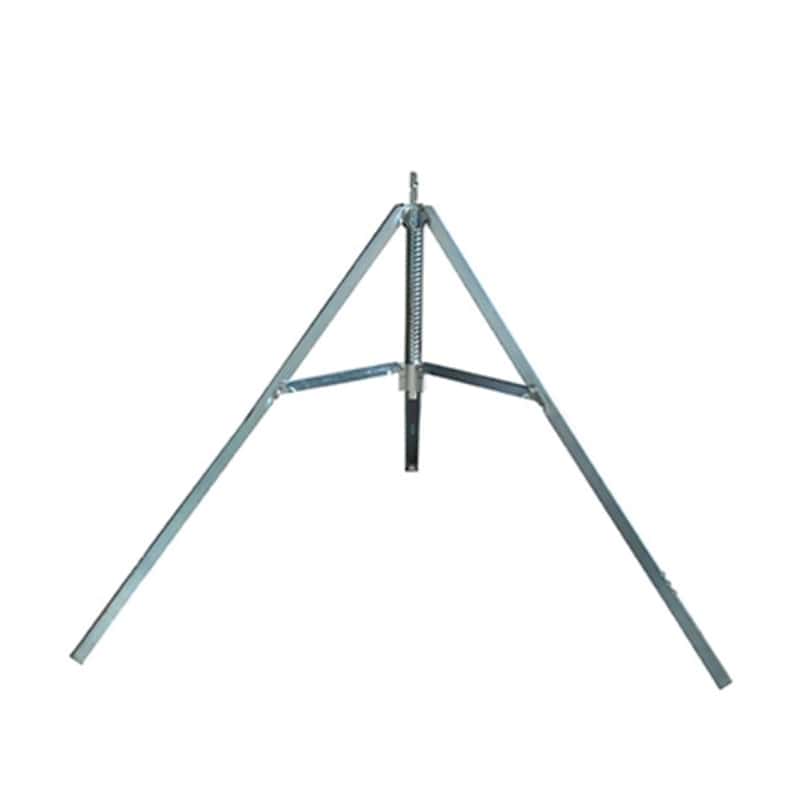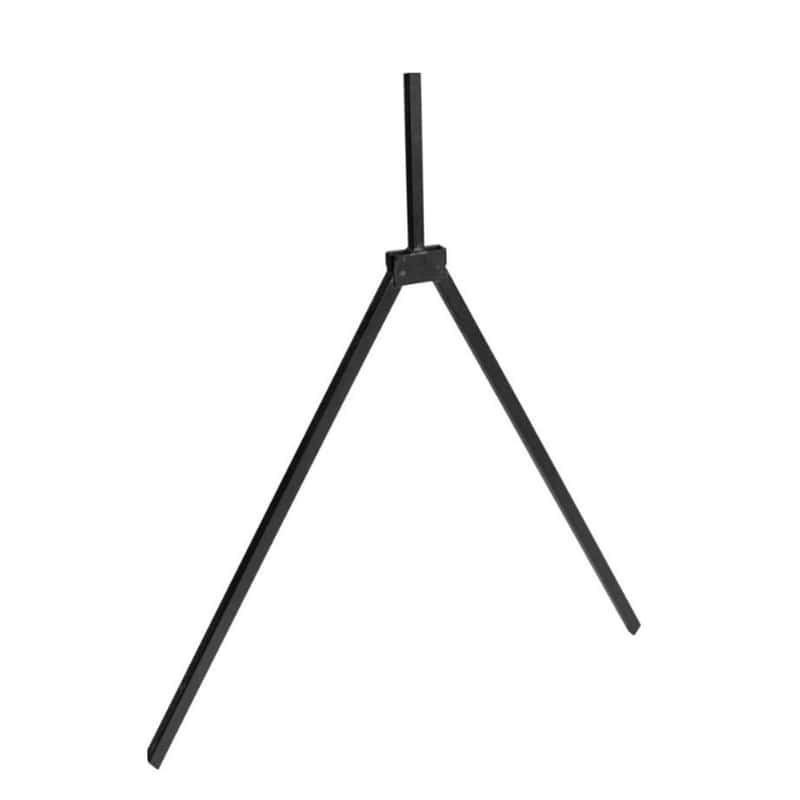
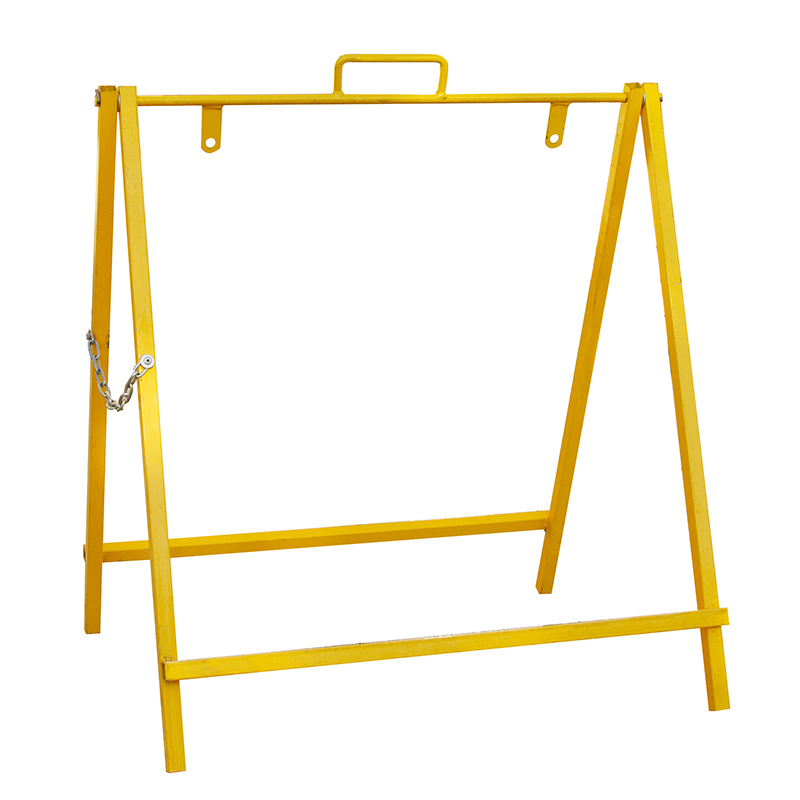
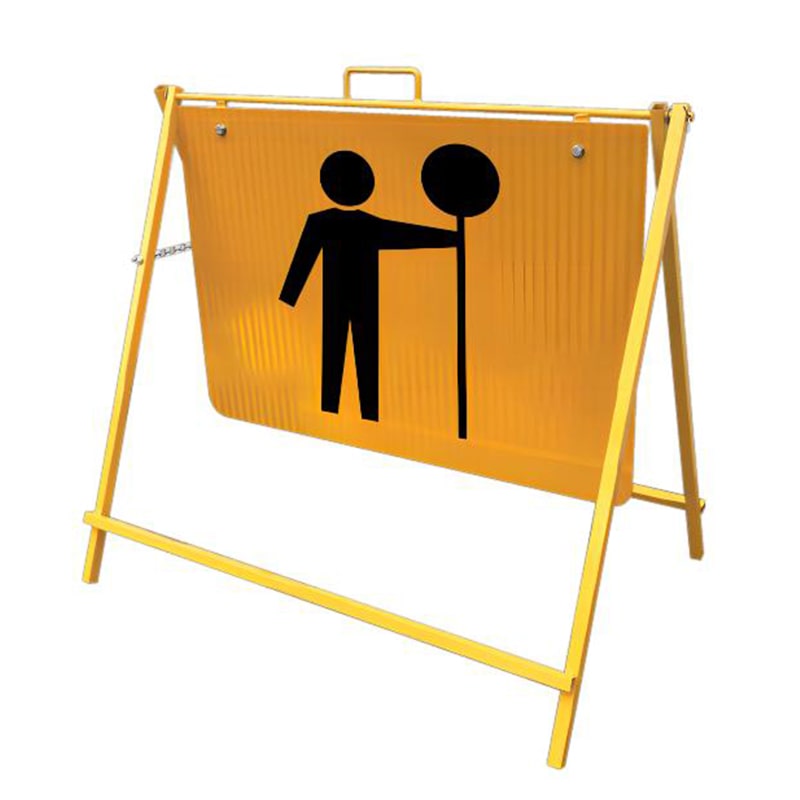

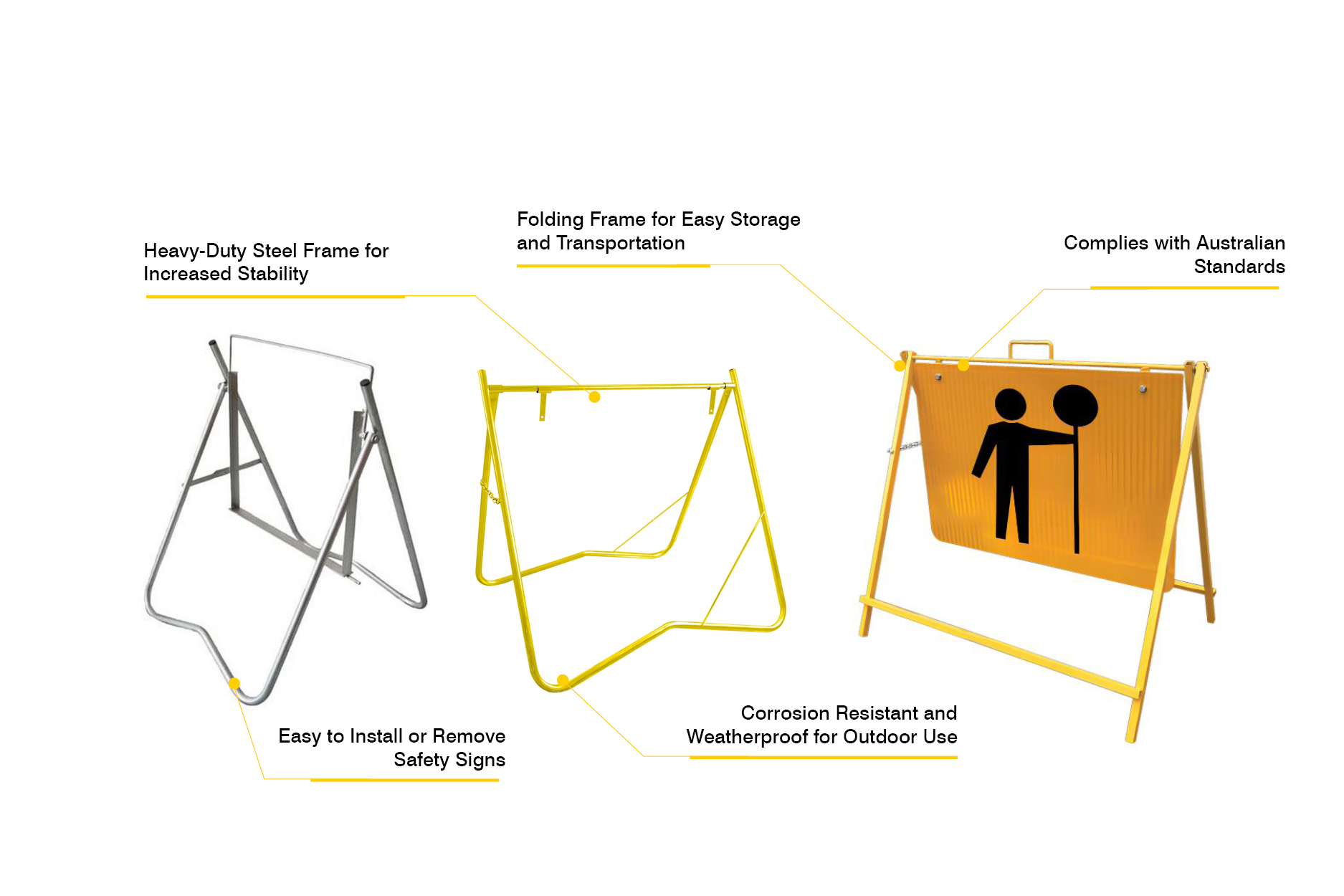
 The square tube swing frame from OPTsigns features a heavy-duty steel frame designed for increased stability, making it ideal for a variety of applications, including swing stand signs for traffic management. This robust construction ensures that the square tube frame remains secure even in challenging weather conditions. Its corrosion-resistant and weatherproof properties make it suitable for confidently displaying important information such as traffic safety swing stand signs and alerts for road conditions.
In addition to its strength, this square swing stand boasts a folding frame that allows for easy storage and transportation. With a handheld grip, installation is quick and efficient, ensuring that the square tubing swing frame can be set up with minimal effort. This collapsible sign stand complies with Australian Standards, providing peace of mind that the swing stand signs are both effective and reliable in promoting safety on the roads.