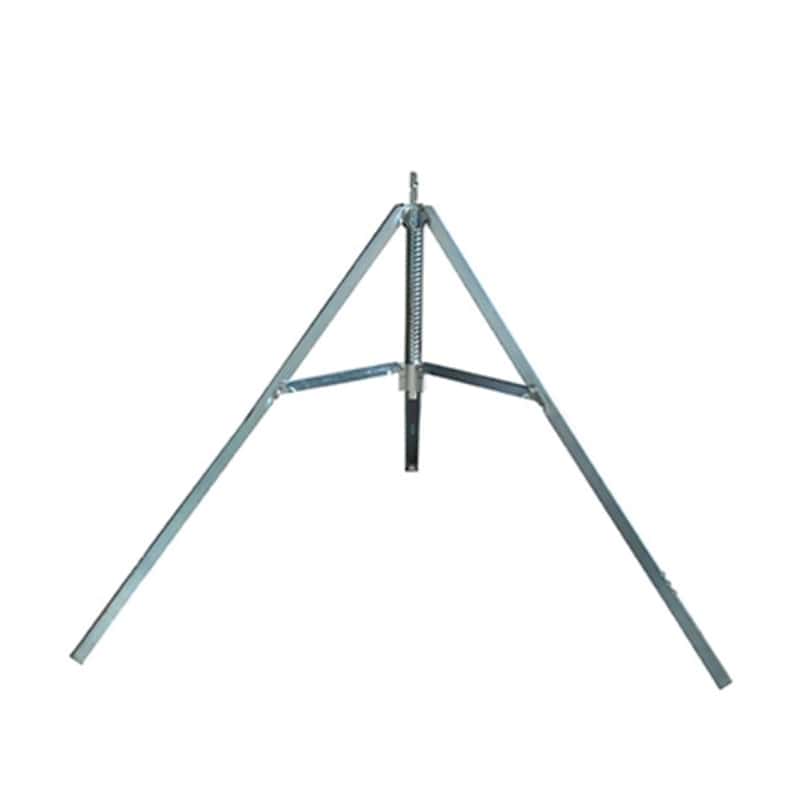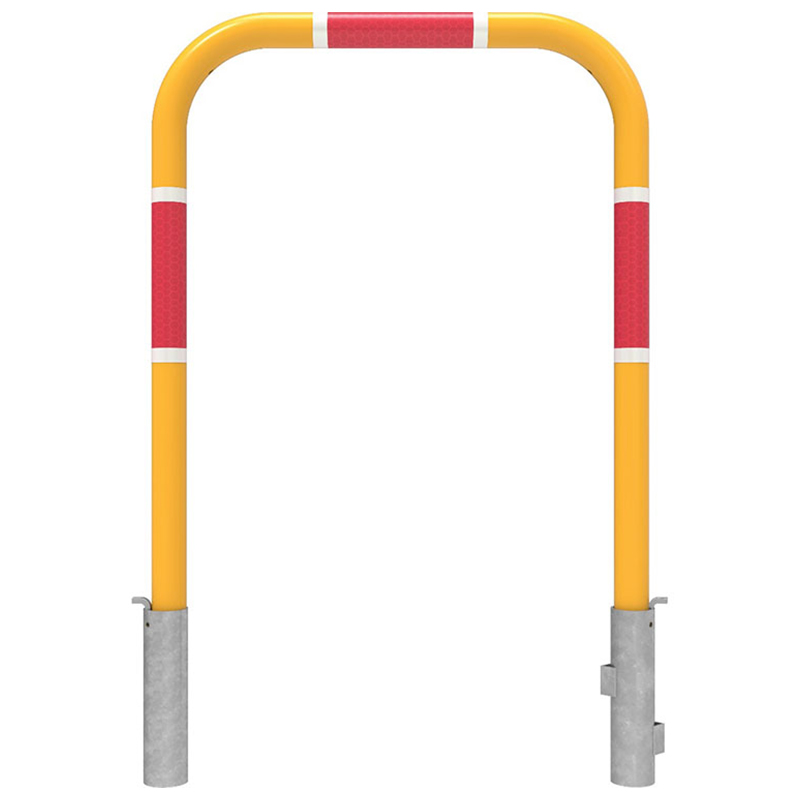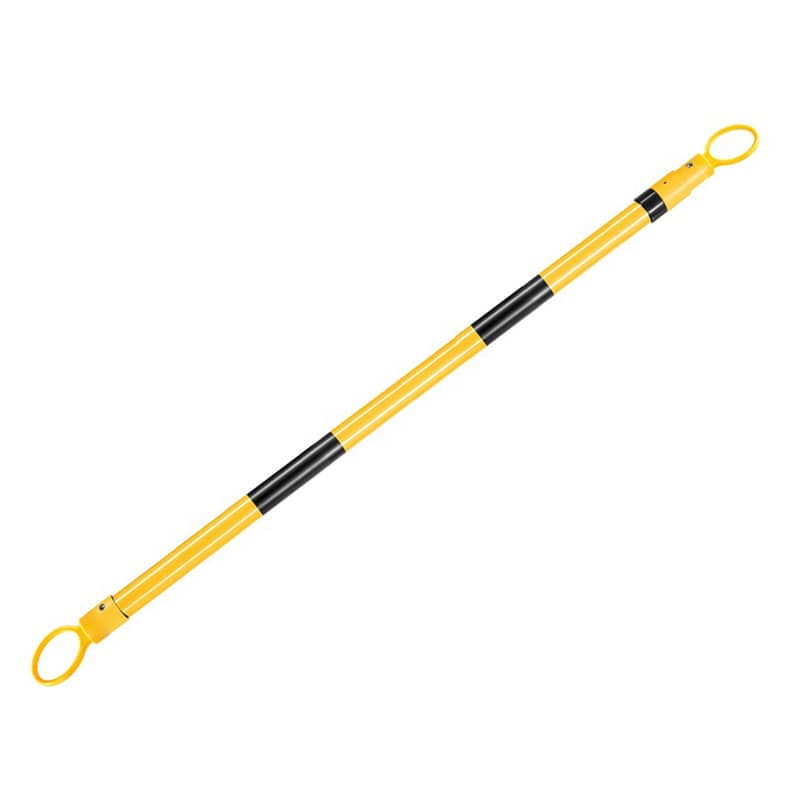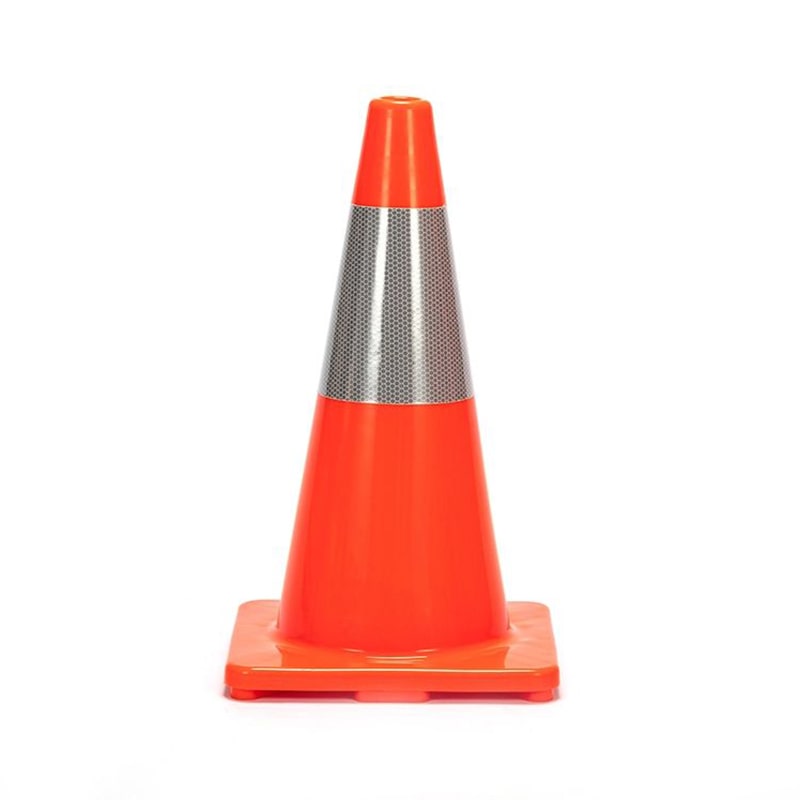
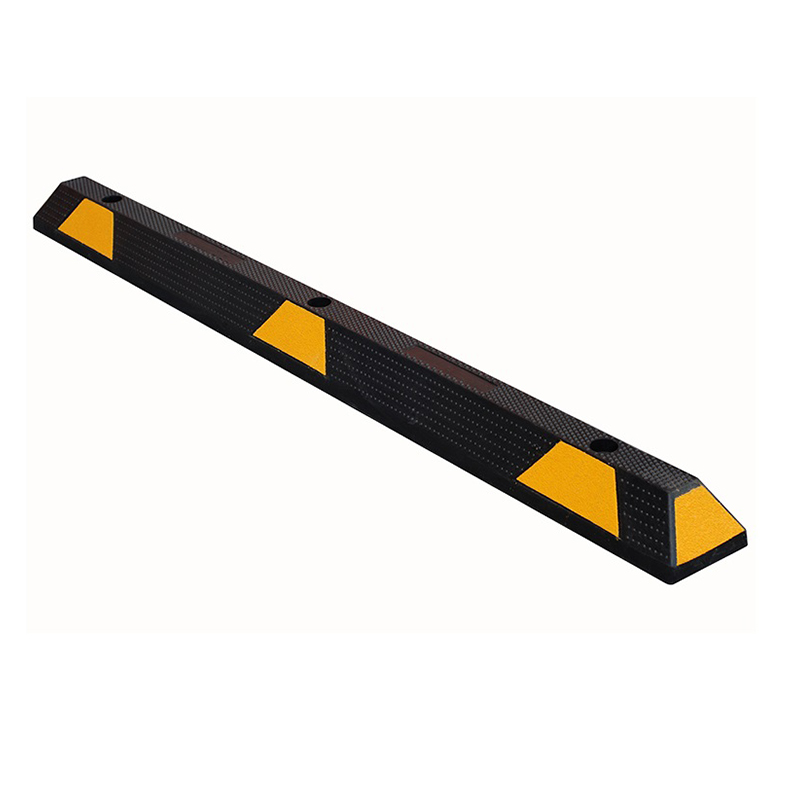
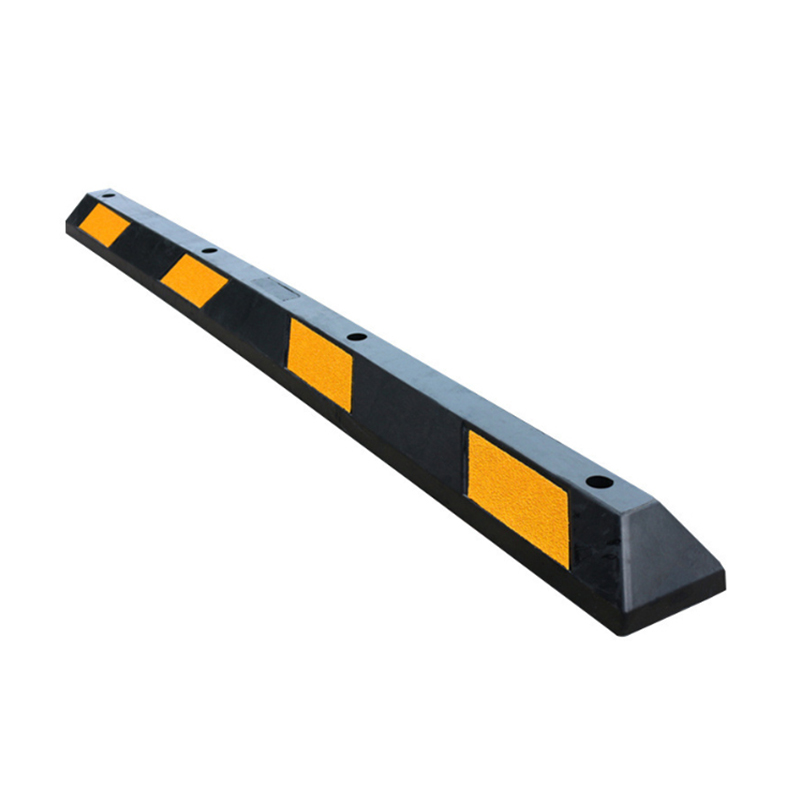
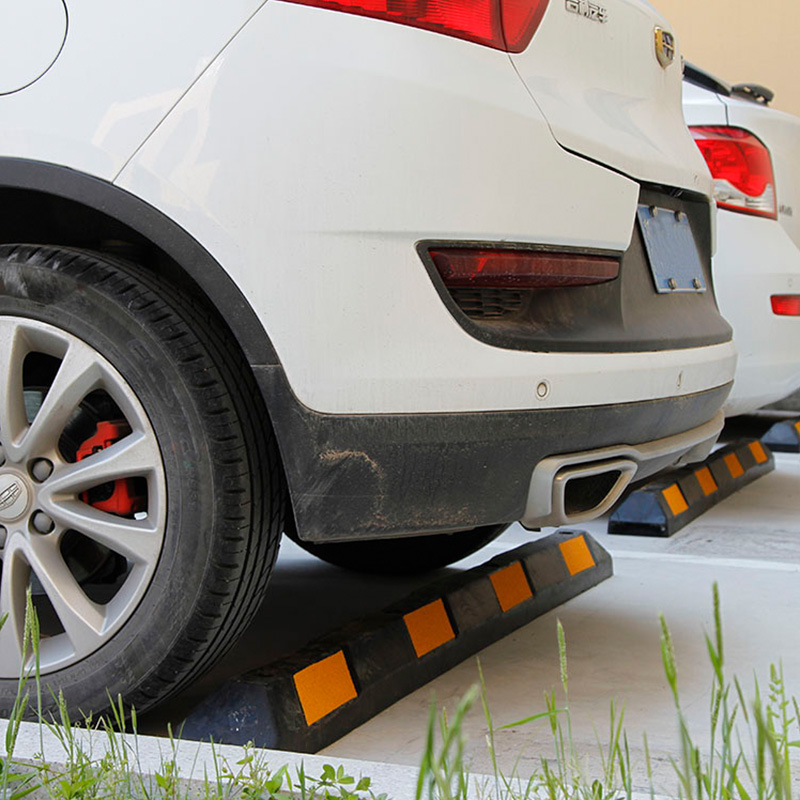
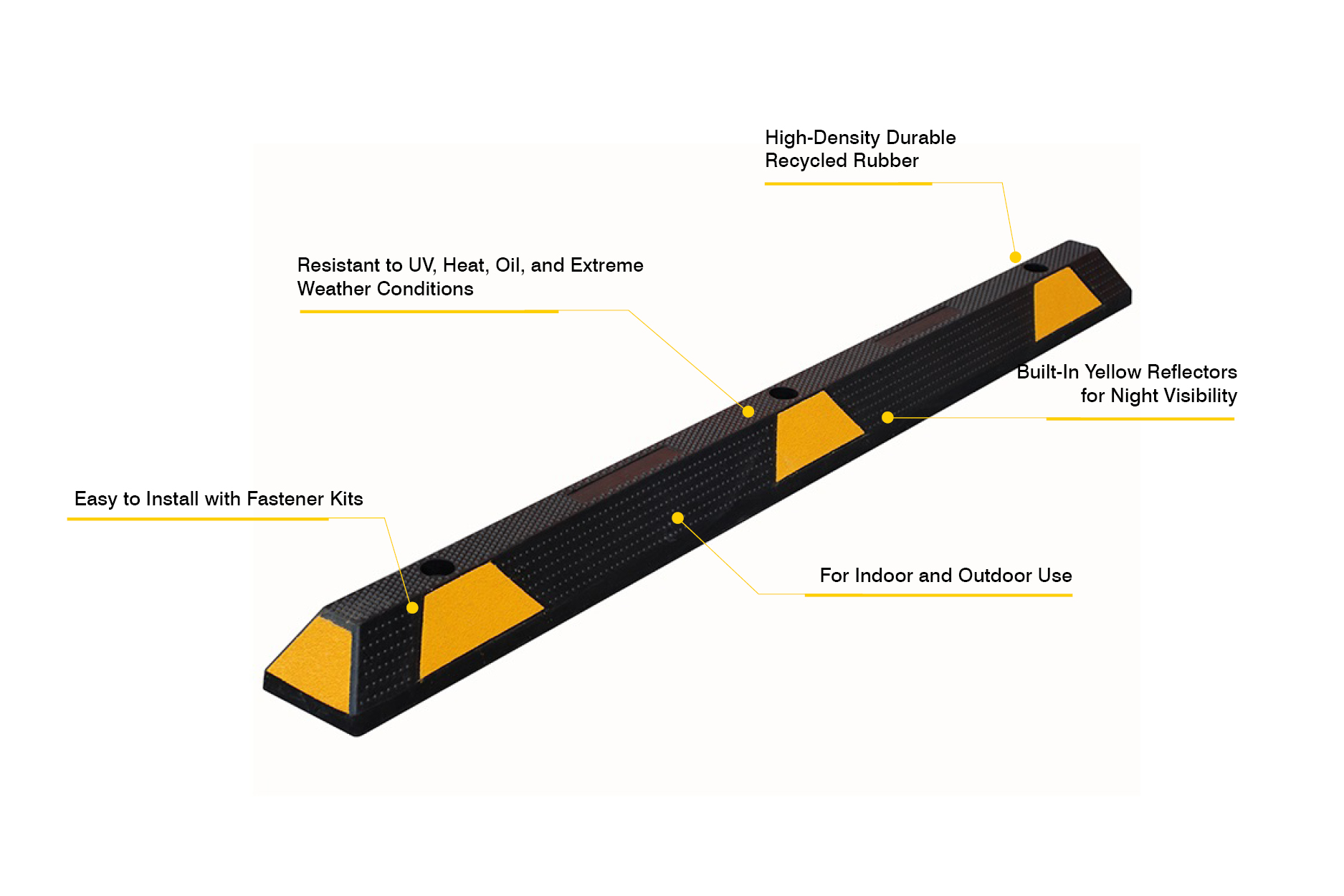
Optsigns Rubber Wheel Stop is the ideal parking solution for any environment. Designed for easy installation on both asphalt and concrete surfaces, these durable wheel stops effectively protect walls, buildings, sidewalks, and curbs from potential damage. Perfect for a variety of settings, including parking lots, garages, warehouses, factories, and other parking areas, our Rubber Wheel Stop ensures safe and efficient vehicle parking while preventing costly repairs.
*We respect your confidentiality and all information are protected.
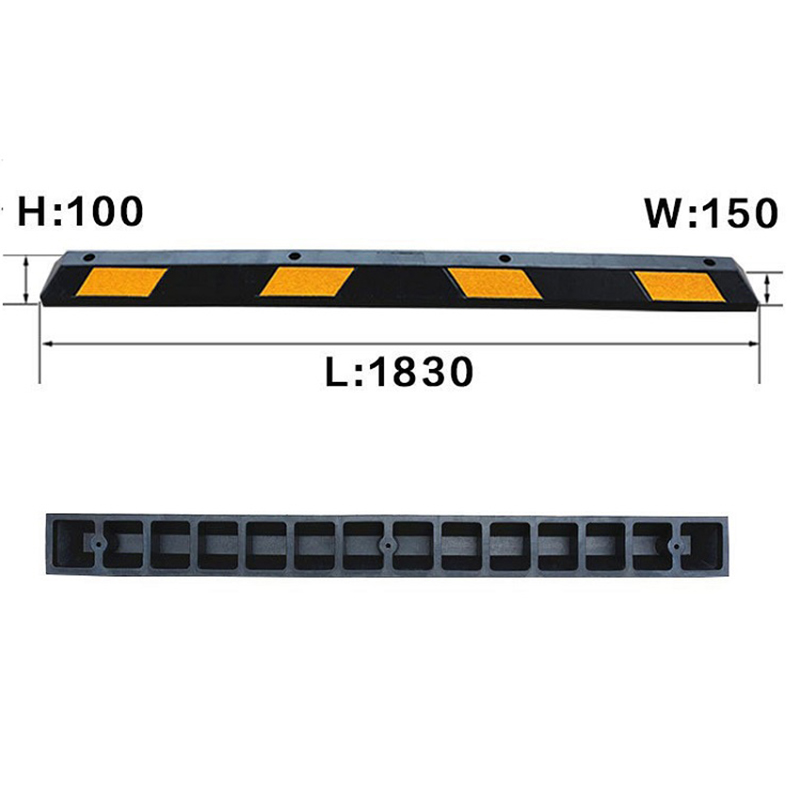
| Size | 1830*150*100mm |
|---|---|
| Weight | 16kgs |
| Material | Rubber with Dotted Surface |
| Reflector | 10 Yellow Reflective Strips (4 Sides) |
Using Optsigns car wheel stop is straightforward and efficient. Begin by selecting a suitable location in your parking area, ensuring it aligns with the desired parking space. Next, position the car wheel stop securely against the curb or wall, making sure it is level and stable. For optimal results, fasten the car wheel stop to the asphalt or concrete surface using appropriate anchors or bolts. This will prevent movement and provide reliable protection for your parking area. Once installed, the car wheel stop will effectively guide vehicles into proper parking positions, safeguarding surrounding structures and minimizing potential damage.
Different color cones serve various purposes in traffic and safety management. For example, orange traffic cones are typically used for road construction or to indicate hazards, while blue road cones may mark parking spaces for disabled individuals.
The lifespan of a traffic cone can vary based on its material and usage conditions. Generally, at OPTsigns, high-quality PVC traffic cones can last several months to 2 years , especially if they are UV resistant and stored properly. Regular maintenance can extend their lifespan further.
The weight of a road cone depends on its height. For example, at OPTsigns, a 300 mm plastic cone weighs approximately 0.55 kgs, while a 900 mm cone weighs around 4.4 kgs. Heavier cones provide more stability, which is crucial for safety in various environments.
Green traffic cones are often used to denote specific areas, such as safe zones or temporary pedestrian pathways. They can also indicate environmental initiatives or construction zones related to landscaping and eco-friendly projects.
Safety green cones are used primarily for guiding traffic in safe zones, while safety orange cones signal caution or hazards, often in road construction. The choice between them helps convey the intended message to drivers and pedestrians effectively