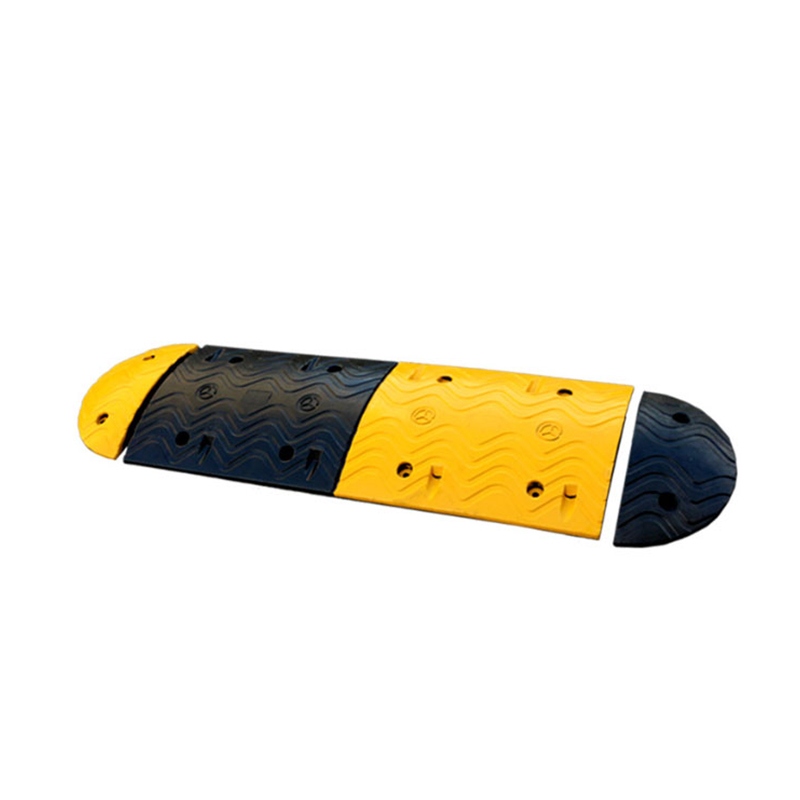
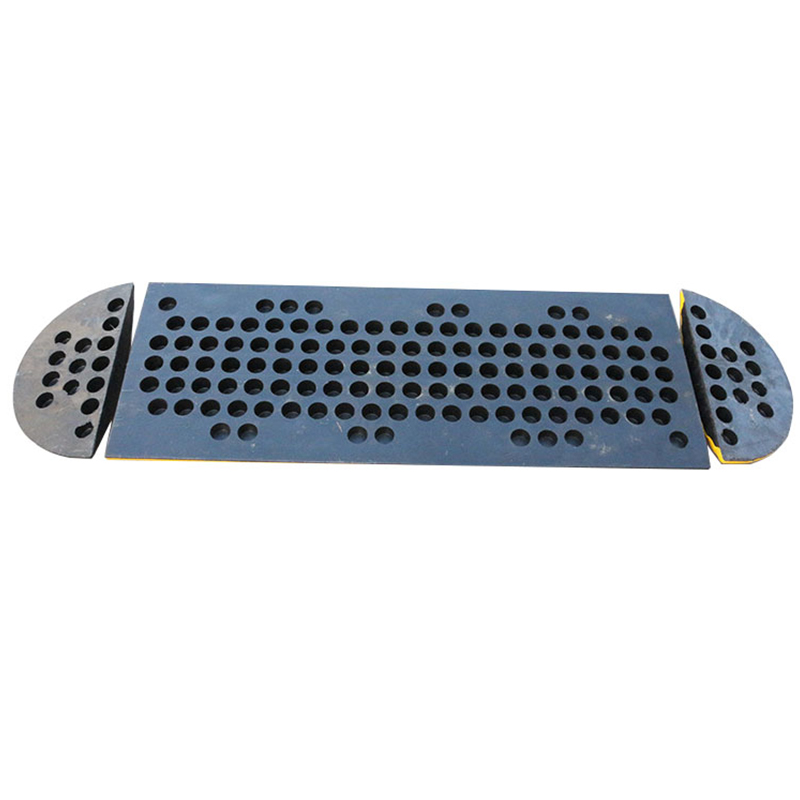
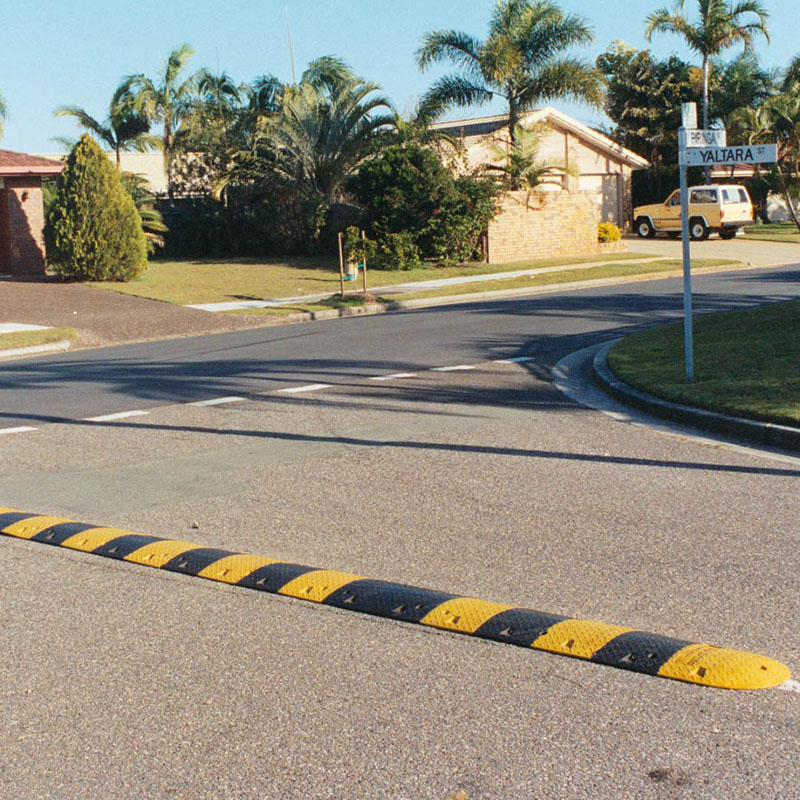
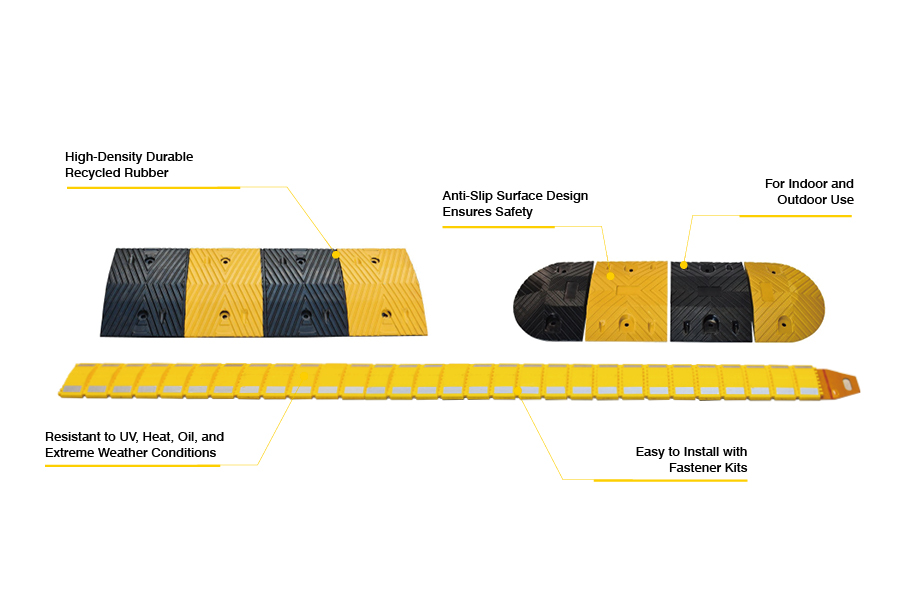
Optsigns speed bump is crafted from high-density recycled rubber, ensuring exceptional durability and resistance to UV rays, heat, oil, and extreme weather conditions. This makes speed bump an ideal choice for maintaining safety and controlling traffic speed in various environments. Whether you need to slow down vehicles in parking lots, school zones, commercial areas, residential neighborhoods, or industrial facilities, our speed bump provides an effective solution. Its robust design not only enhances safety but also contributes to environmental sustainability through the use of recycled materials.
*We respect your confidentiality and all information are protected.
| Size | 1000*380*50mm (Middle, 18kgs), 190*380*50mm (End, 2kgs) |
|---|---|
| Material | Recycled Rubber |
| Colour | Yellow and Black |
| Surface | Anti-Slip Design |
| Load Capacity | 15t |
| Customize | Custom Size and Weight |
Using Optsigns road hump is straightforward. Begin by selecting a suitable location where traffic speed needs to be reduced, such as a parking lot or school zone. Ensure the area is clear of obstacles before installation. Position the road hump parallel to the roadway and secure it firmly in place, following the manufacturer’s guidelines. The road hump should be visible to drivers, so consider adding signage if necessary. Once installed, the road hump will effectively slow down traffic, promoting safety for pedestrians and drivers alike.
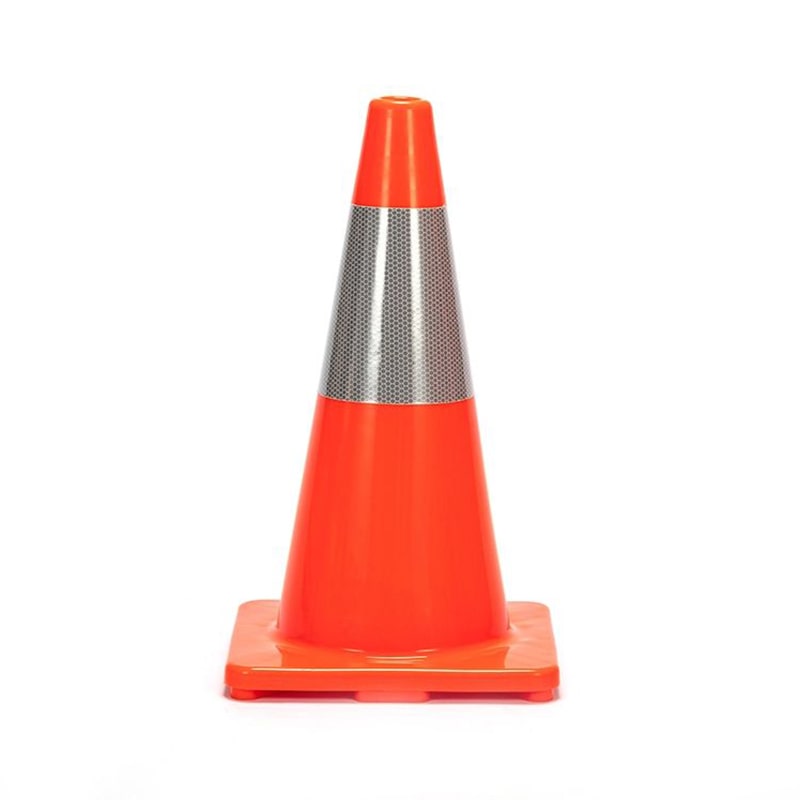
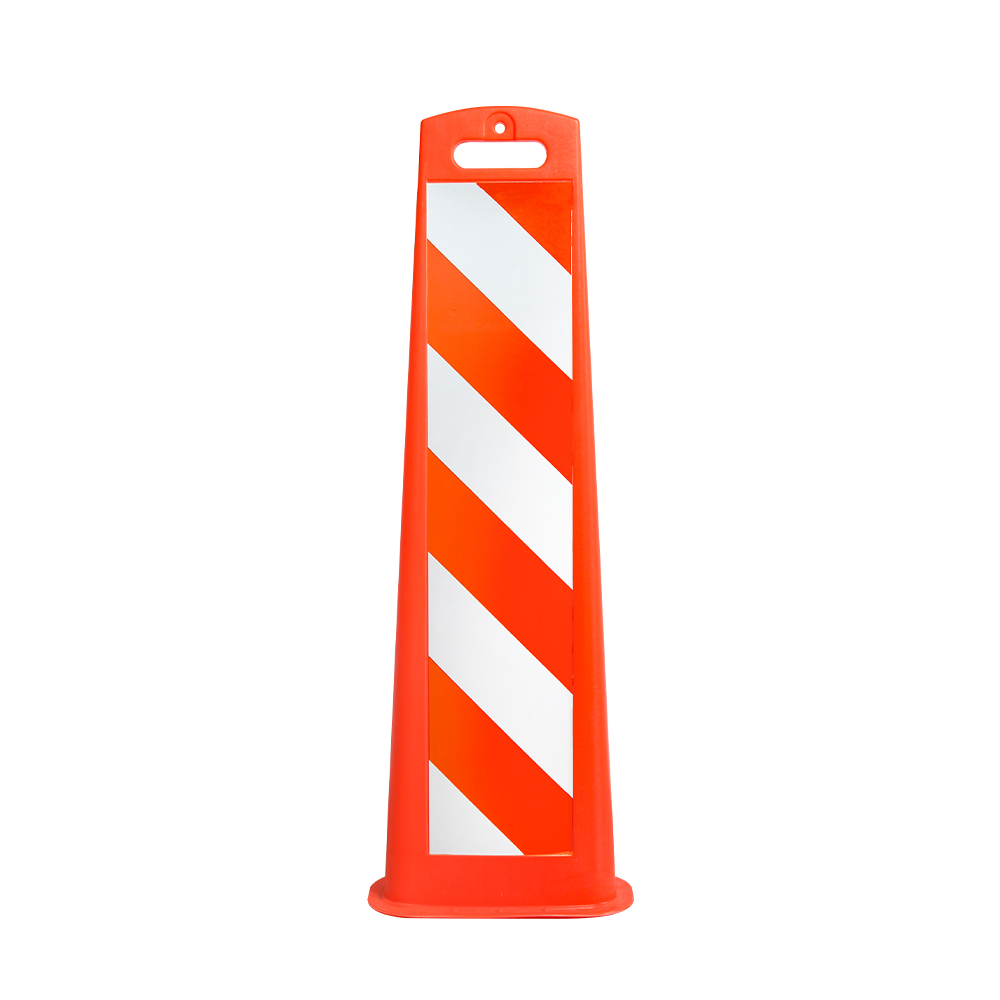
Orange traffic cones are used to indicate construction zones, road work, or any area where caution is needed. They signal drivers to slow down and be aware of potential hazards, ensuring safety around construction safety cones and work crews.
A yellow cone is typically used to indicate caution or to alert drivers and pedestrians to potential hazards in the area. Often employed in construction zones, detours, or to mark off restricted area, yellow cones can also signal temporary changes in traffic patterns, helping to ensure safety around road and other work zones.
Lime green cones often indicate a safe route for pedestrians or cyclists. They are sometimes used in construction zones to highlight areas for foot traffic, promoting safety in conjunction with traffic safety cones.
There are several types of traffic cones, including coloured traffic cones, collapsible traffic cones,flowing base traffic cones,etc. Each type serves a specific purpose, ensuring effective communication of safety messages in various environments.
Americans call traffic cones by many names, including: traffic pylons, road cones, highway cones, safety cones, construction cones, and witch’s hat. These colored cones are essential for directing traffic, marking hazards, and ensuring safety in various environments, including road work and public events.