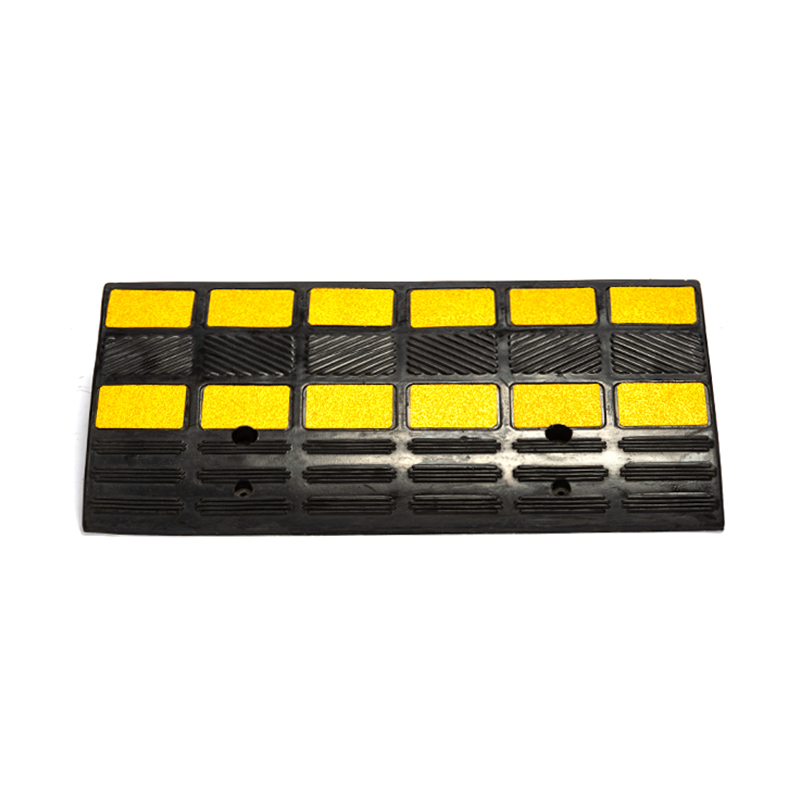
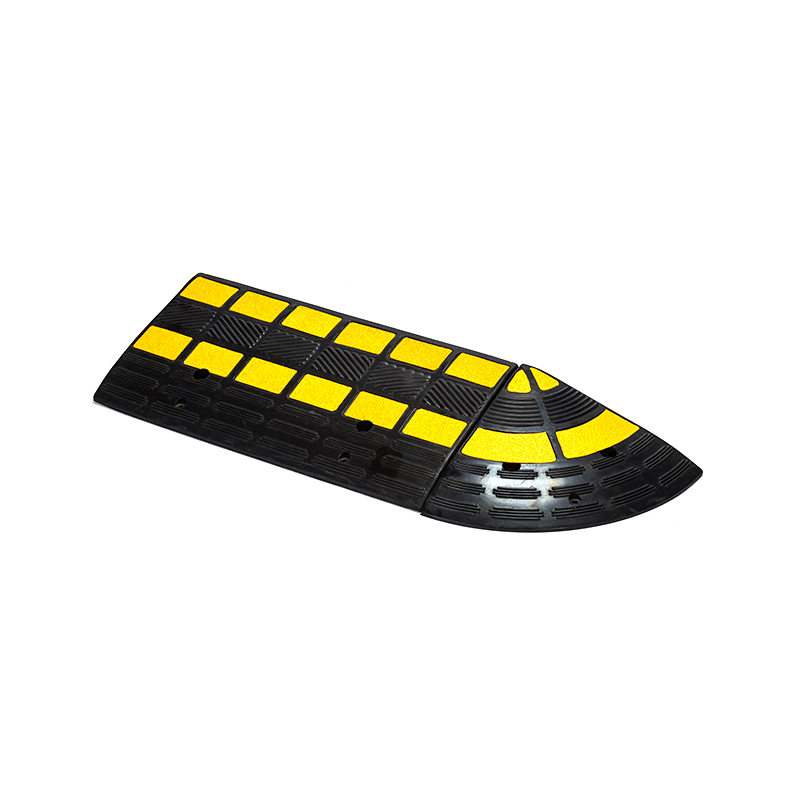
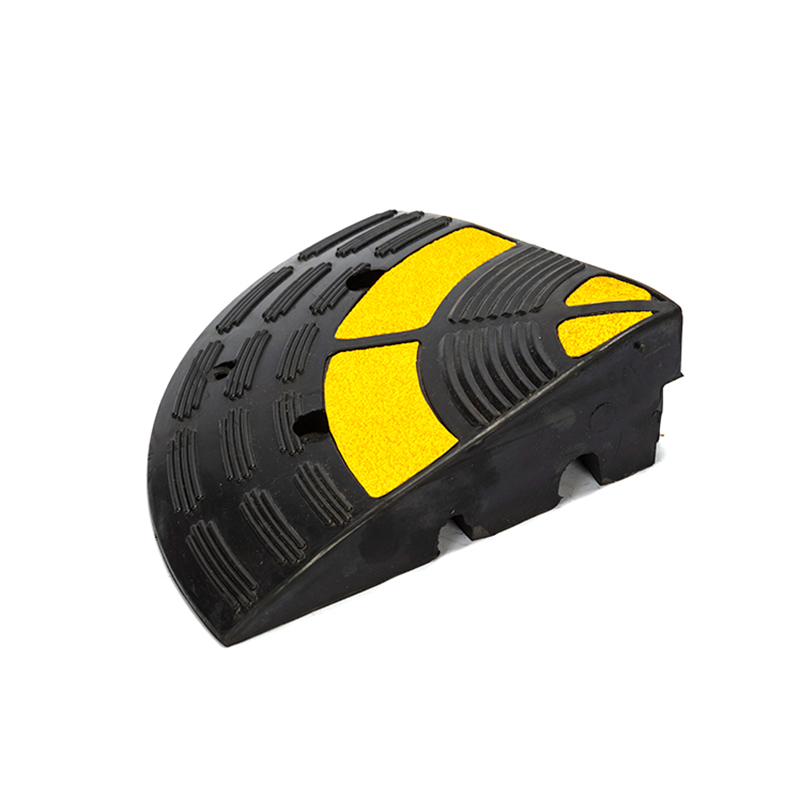
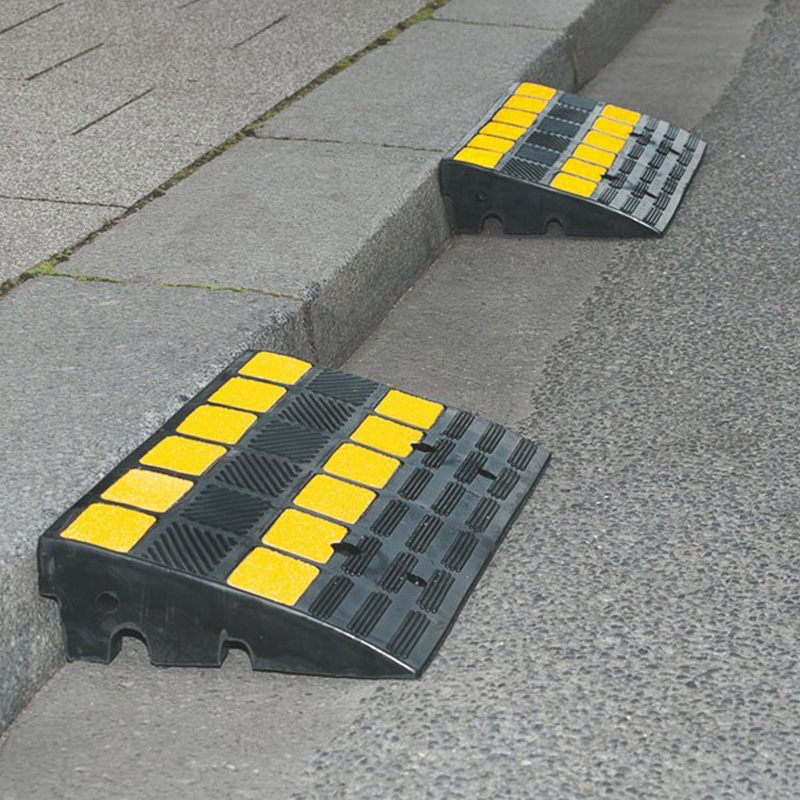
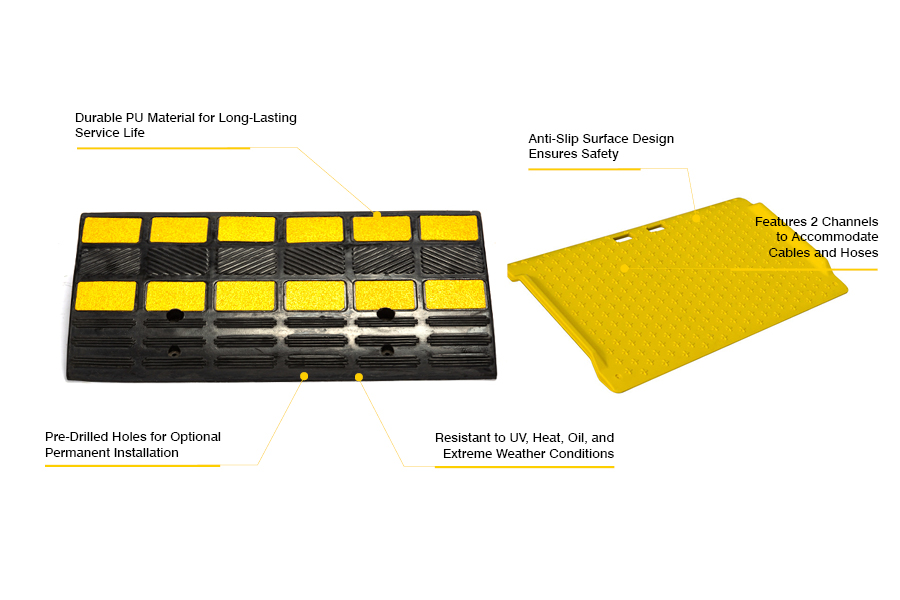
Optsigns Rubber Kerb Ramps are expertly crafted from high-density molded rubber, providing superior impact and temperature resistance for enhanced durability. These heavy-duty Rubber Kerb Ramps feature a grooved surface that offers excellent traction, ensuring safe passage in all weather conditions. Ideal for facilitating access for vehicles, trucks, RVs, and heavy equipment over curbs, these Rubber Kerb Ramps are perfect for both commercial and residential applications. Whether you need to navigate a curb at a loading dock, driveway, or any other elevated surface, Optsigns Rubber Kerb Ramps provide a reliable and sturdy solution to prevent damage and enhance accessibility.
*We respect your confidentiality and all information are protected.
| Size (Middle) | 600*300*100mm (12kgs), 600*360*150mm (21kgs), 600*450*200mm (32kgs) |
|---|---|
| Size (End) | 300*300*100mm (4kgs), 360*360*150mm (8kgs), 450*450*200mm (17kgs) |
| Material | Rubber |
| Colour | Black & Yellow |
| Load Capacity | 15t |
| Customize | Custom Size and Weight |
Rubber Kerb Ramps are designed to provide smooth transitions over curbs for vehicles, bicycles, and pedestrians. Simply place the Rubber Kerb Ramp at the base of the curb where access is needed. The non-slip surface ensures a secure grip for wheels, preventing any slippage. Ideal for use in areas such as driveways, construction sites, and pedestrian walkways, these Rubber Kerb Ramps offer a quick and effective solution for overcoming height differences and improving accessibility. Lightweight yet durable, Rubber Kerb Ramps are easy to position and move as needed, making them a versatile tool for both temporary and long-term use.
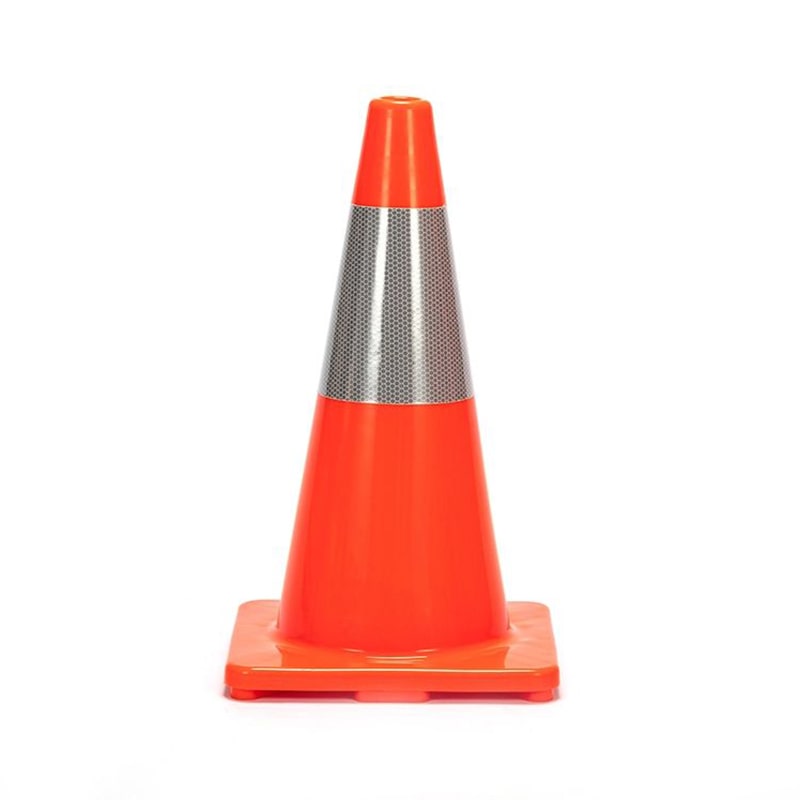
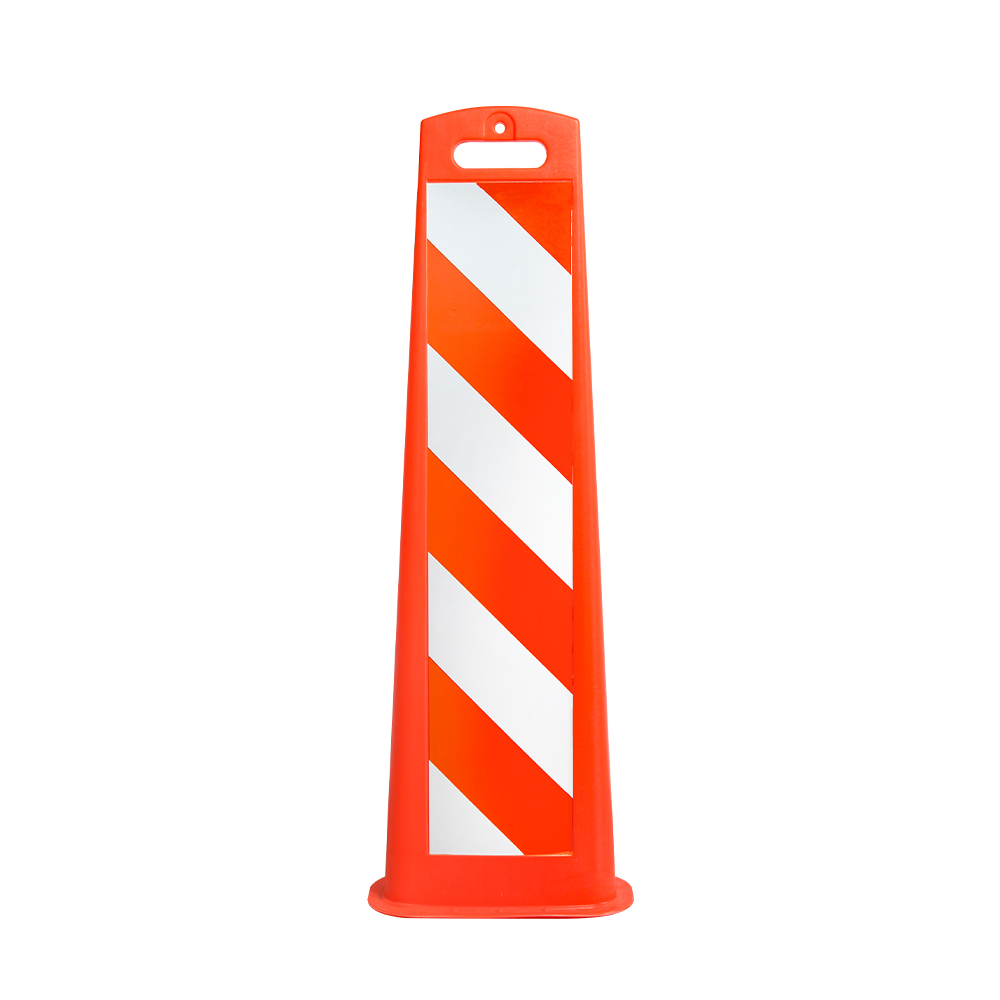
A delineator cone is a flexible, upright marker used to guide and control traffic. Often brightly colored, these delineator cones improve visibility and can be used in various settings, including construction sites, roadwork, or event management, to effectively delineate boundaries and paths.
A channelizer cone with base is designed to provide clear visual guidance and enhance safety in traffic control. Its heavy-duty base ensures stability, making it suitable for directing vehicles and delineating roadways or work zones. This design helps prevent accidents by clearly marking boundaries and guiding drivers through temporary conditions.
The main difference lies in their usage: channelizer cones are typically used to direct traffic flow, while delineator cones are focused on marking boundaries. Channelizers often have a wider base for stability and are designed for more extensive traffic control applications, whereas delineators can be used for general guidance.
They are called delineators because they delineate, or mark, specific areas or paths to guide traffic safely. By providing visual cues, these delineator traffic cones help prevent confusion and enhance safety in various environments.
To place traffic delineator cones, start by assessing the area to determine where guidance is needed. Position the delineator traffic cones at regular intervals along the designated path, ensuring they are visible from a distance. Use additional cones to create barriers or direct traffic effectively, particularly in work zones or detours.