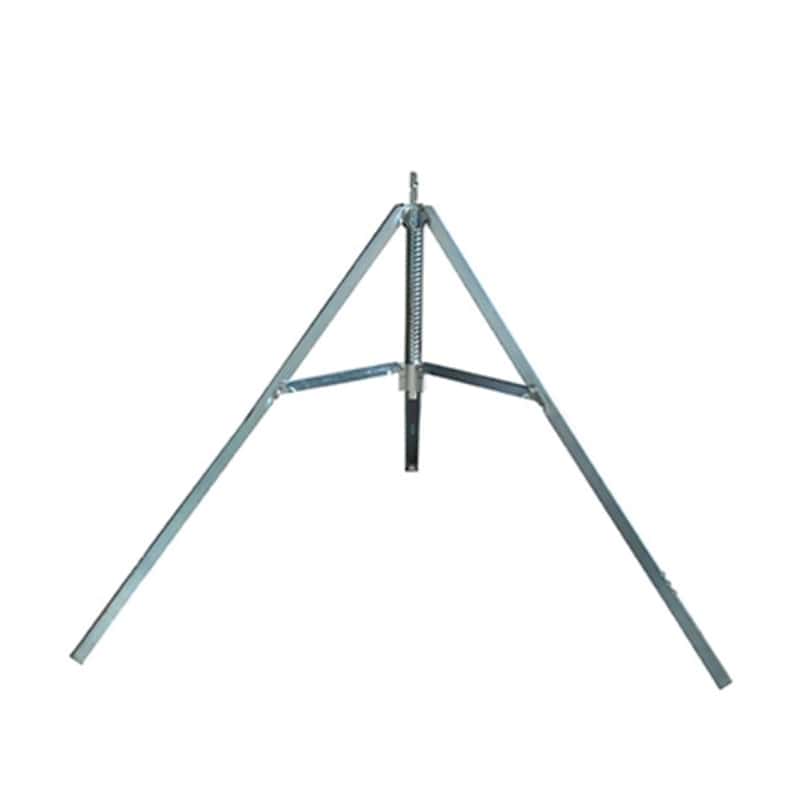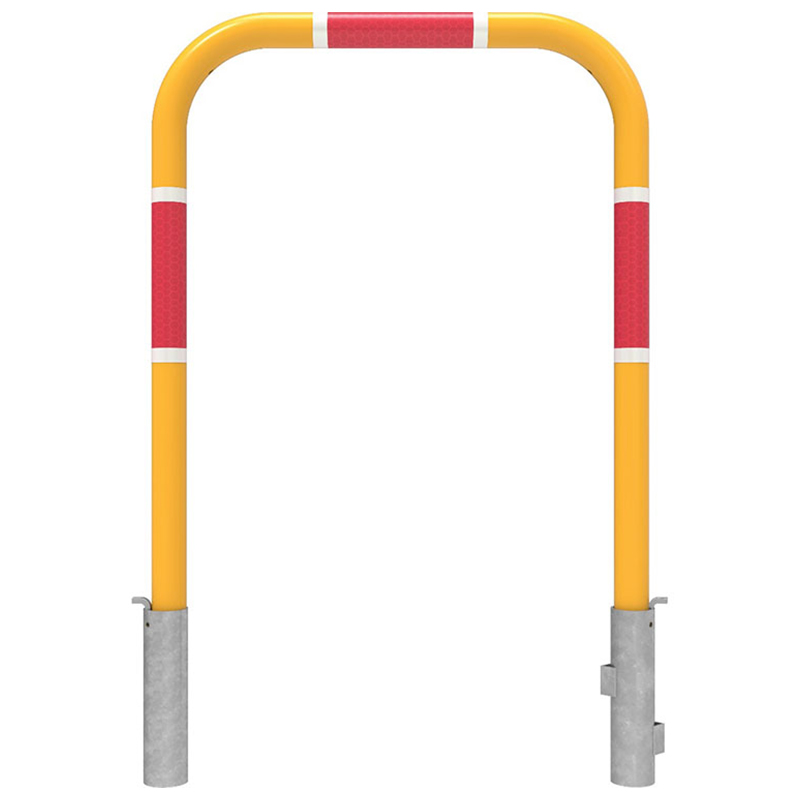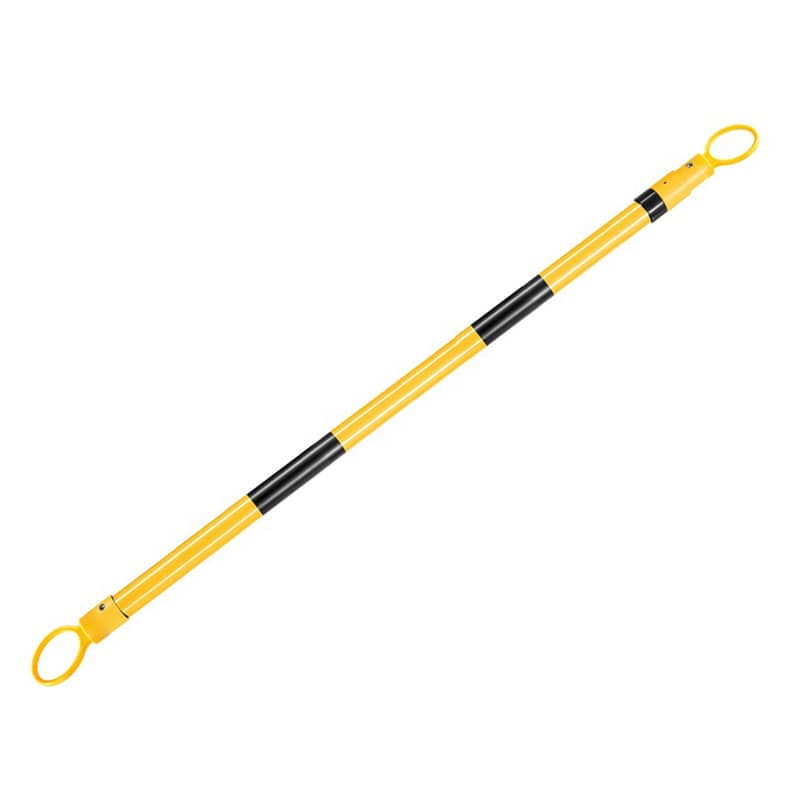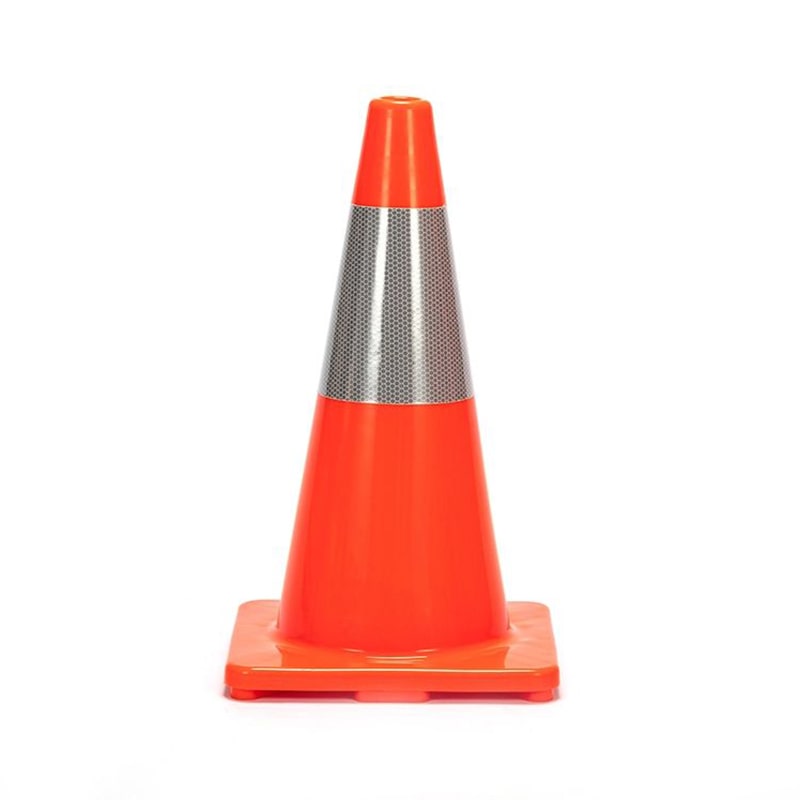
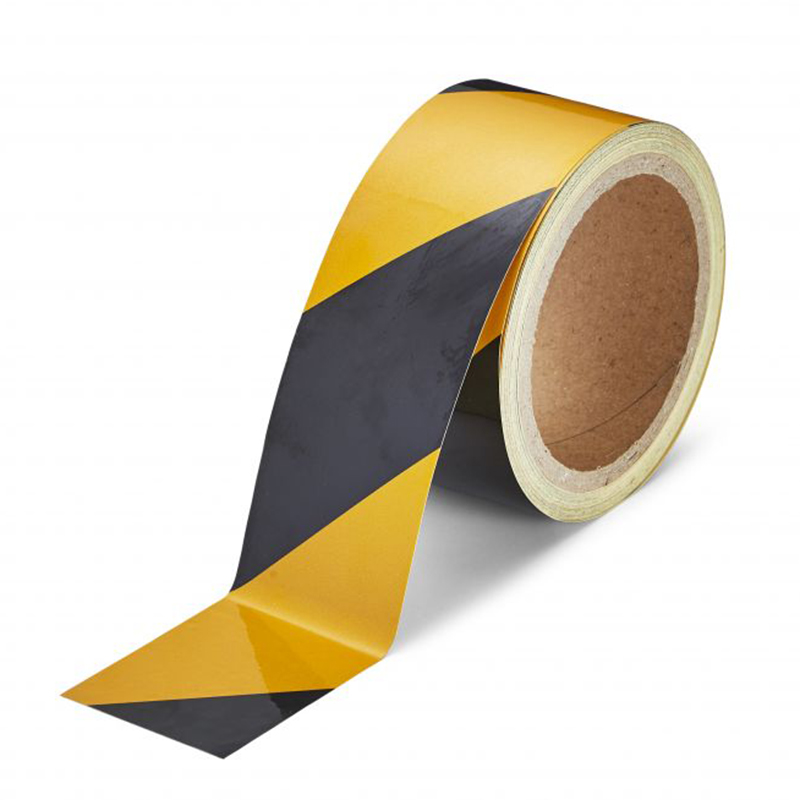

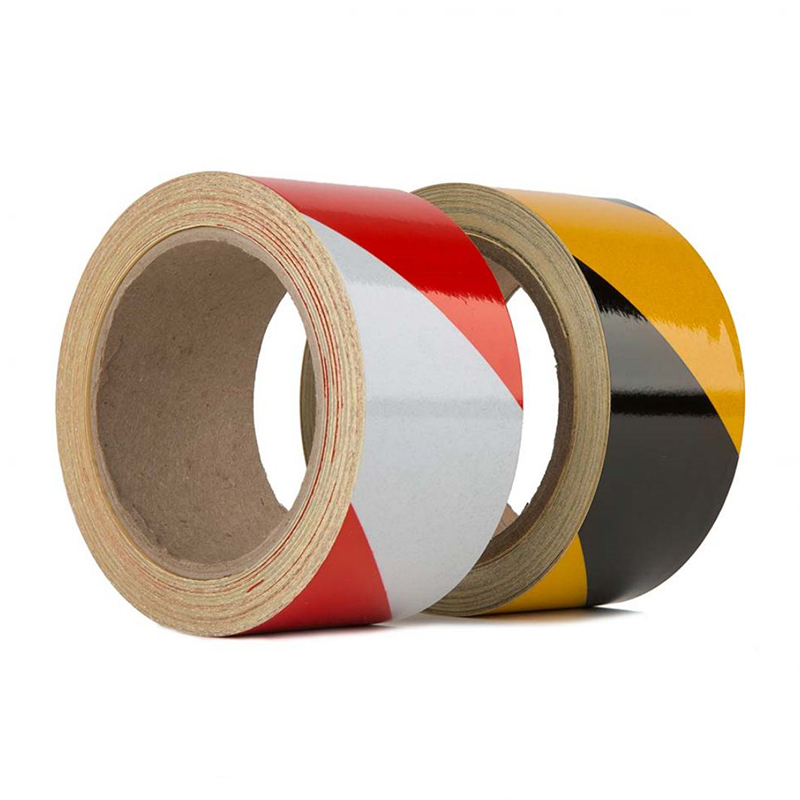
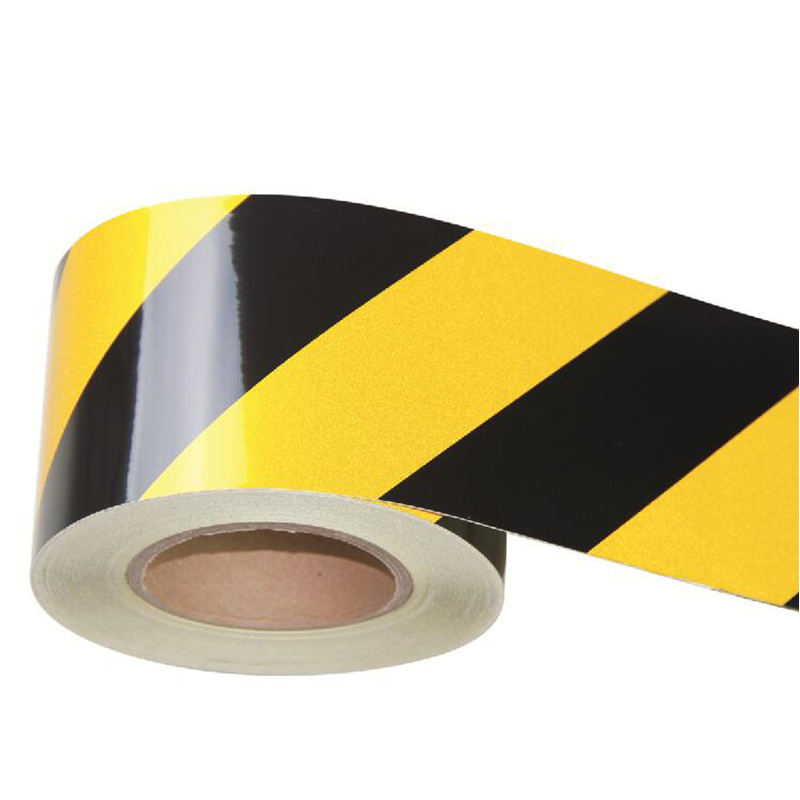
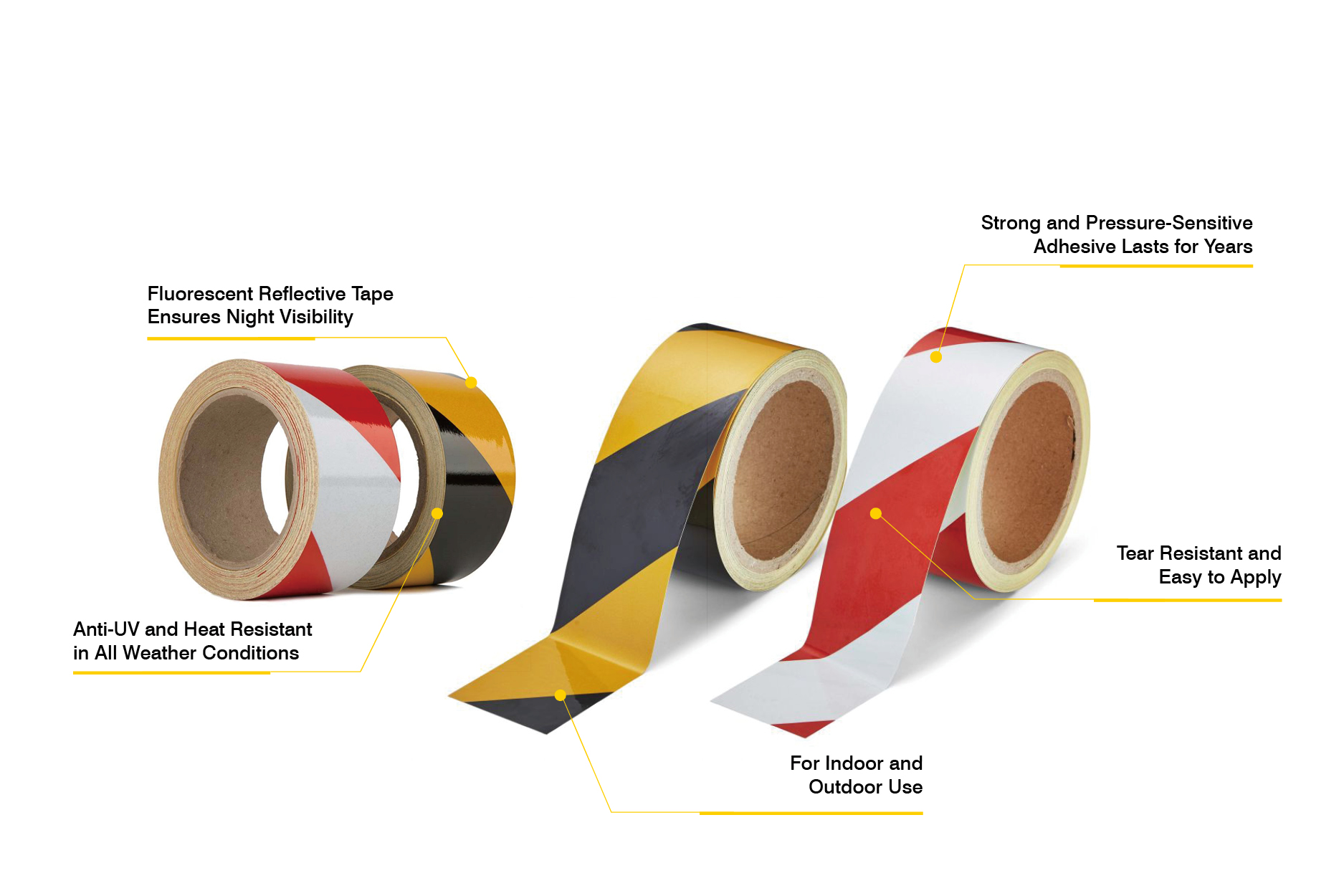
Optsigns Reflective Tape features high-visibility reflective color combinations and a strong pressure-sensitive adhesive, making it the perfect solution for alerting pedestrians and motorists to potential road hazards. This versatile Reflective Tape can be easily applied to equipment, barricades, loading docks, and a wide variety of vehicles, including ambulances, police vans, city buses, snow plows, and garbage trucks. With its durable construction and bright visibility, Optsigns Reflective Tape enhances safety in any environment.
*We respect your confidentiality and all information are protected.
| Width | 50mm, 100mm, Customizable |
|---|---|
| Length | 45.7m |
| Material | Reflective PE Material, Stickable |
| Colour | Black & Yellow, Red & White, Customizable |
| Customize | Custom Text and Logo |
Using Optsigns Reflective Warning Tape is simple and effective. Begin by cleaning the surface where you plan to apply the Warning Tape, ensuring it is free from dust, dirt, and moisture for optimal adhesion. Cut the Warning Tape to your desired length and peel off the backing to reveal the pressure-sensitive adhesive. Carefully position the Warning Tape on the surface, pressing firmly to ensure a secure bond. This Warning Tape can be used on various surfaces, including vehicles, barricades, and equipment, to increase visibility and warn of potential hazards.
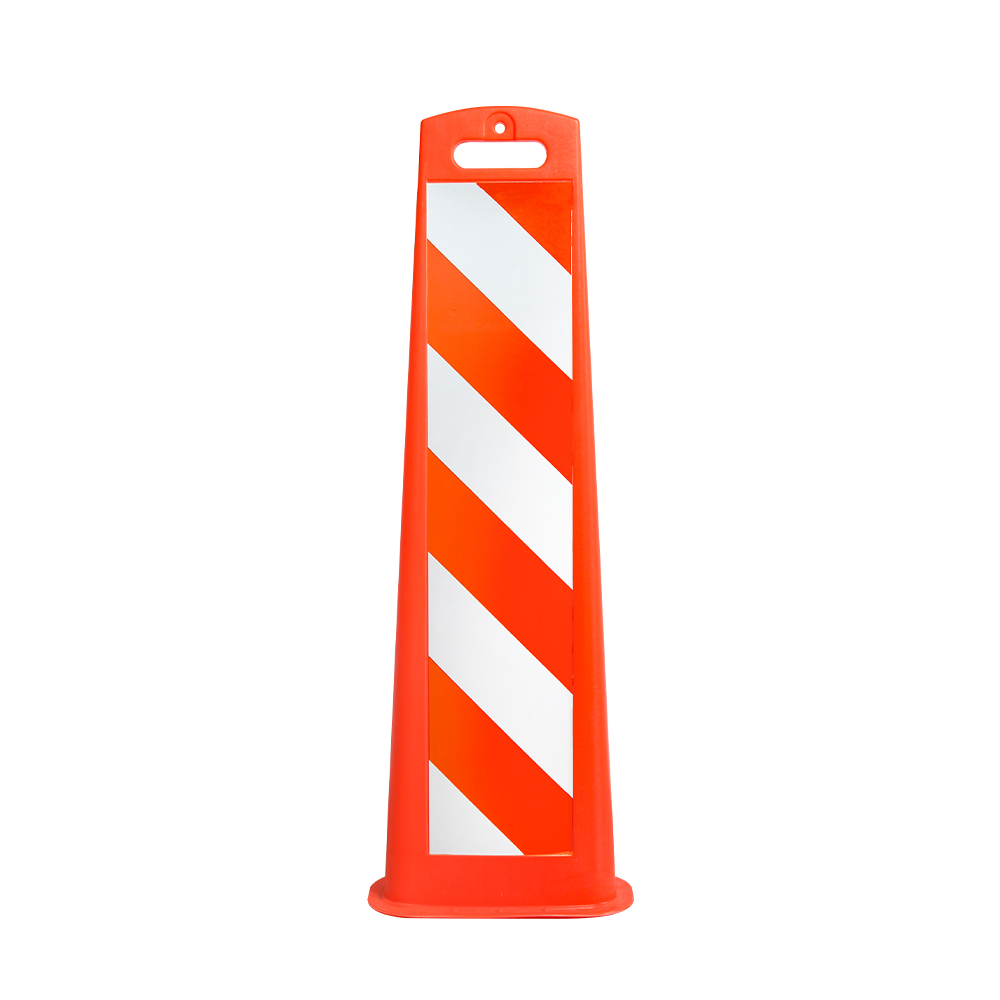
A vertical panel is a slim, upright traffic control device designed to guide vehicles and pedestrians safely in areas like construction zones, road closures, or lane diversions. Made from durable materials such as high-density polyethylene (HDPE), vertical panels are lightweight, portable, and resistant to weather and impact. Their compact design ensures minimal obstruction to traffic flow, making them ideal for narrow or congested areas.
The diagonal stripes on a barricade or vertical panel are reflective markings designed to enhance visibility and convey directional information. The stripes are regulated by the Manual on Uniform Traffic Control Devices (MUTCD) and indicate the direction of traffic flow:
Stripes slanting downward to the left direct traffic to the left.
Stripes slanting downward to the right direct traffic to the right.