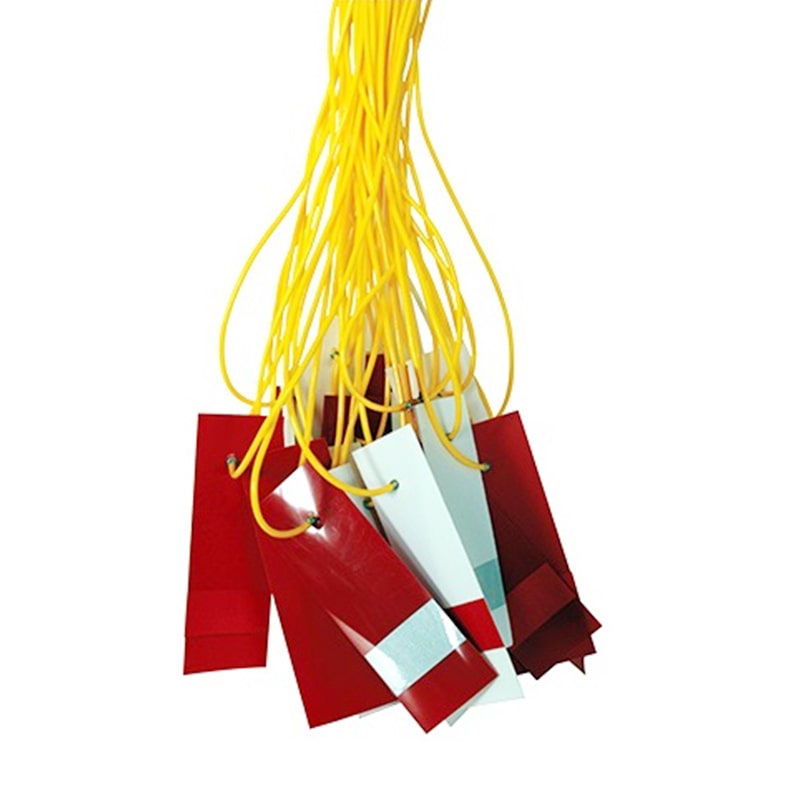
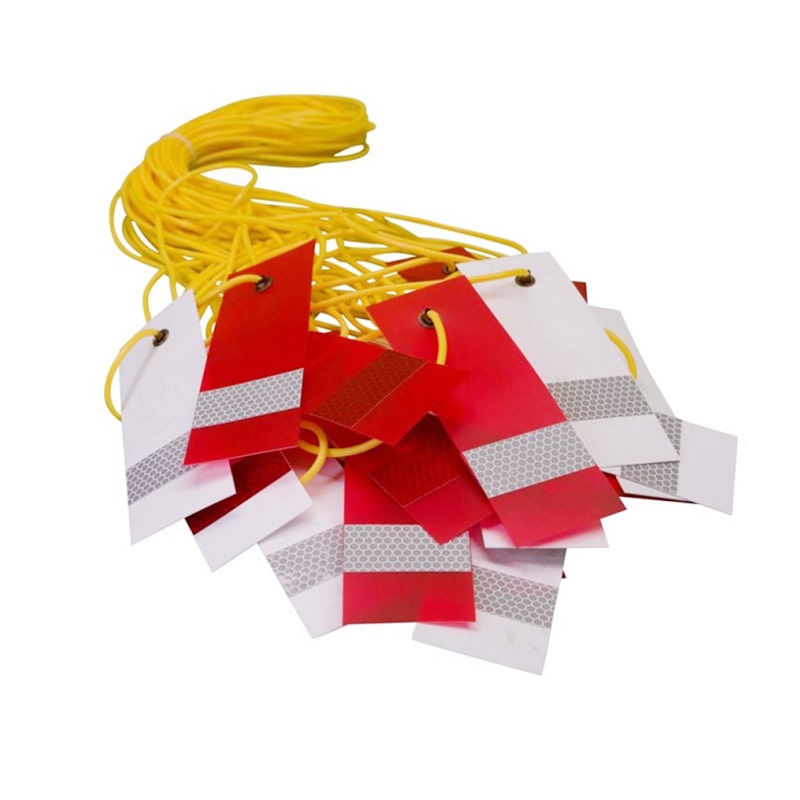
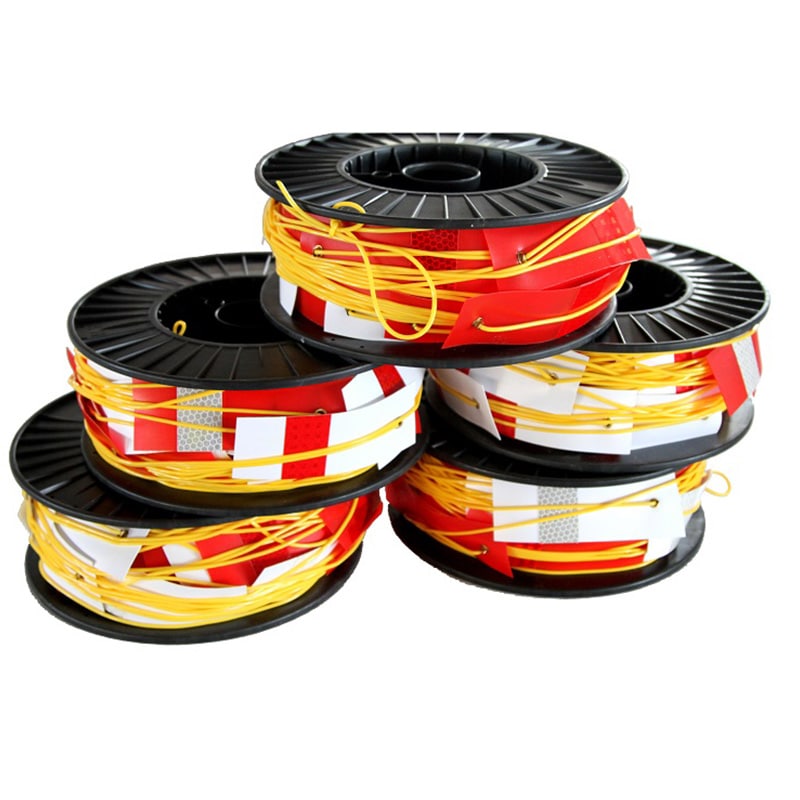
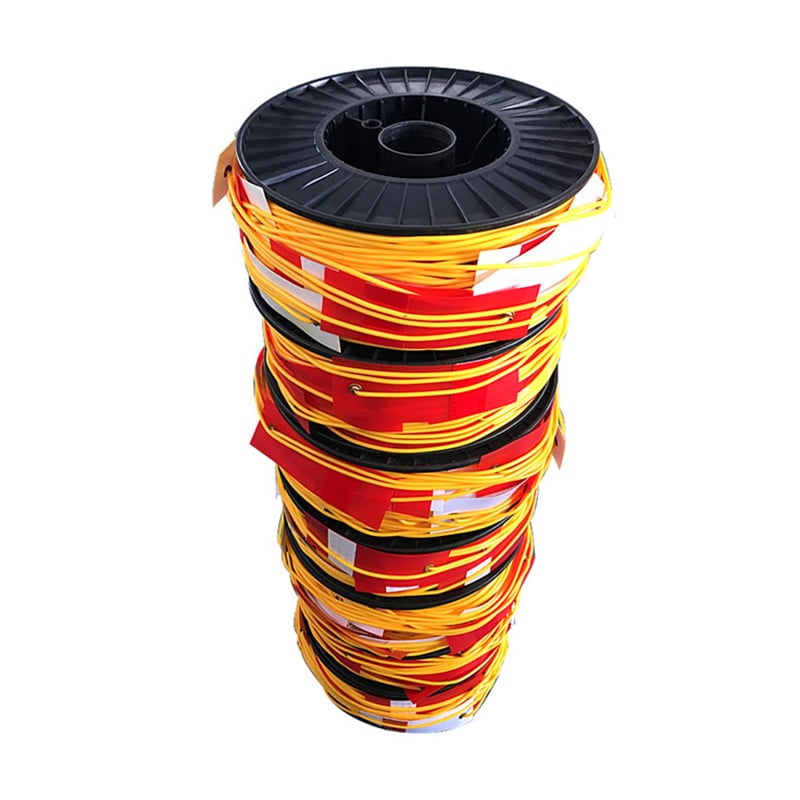
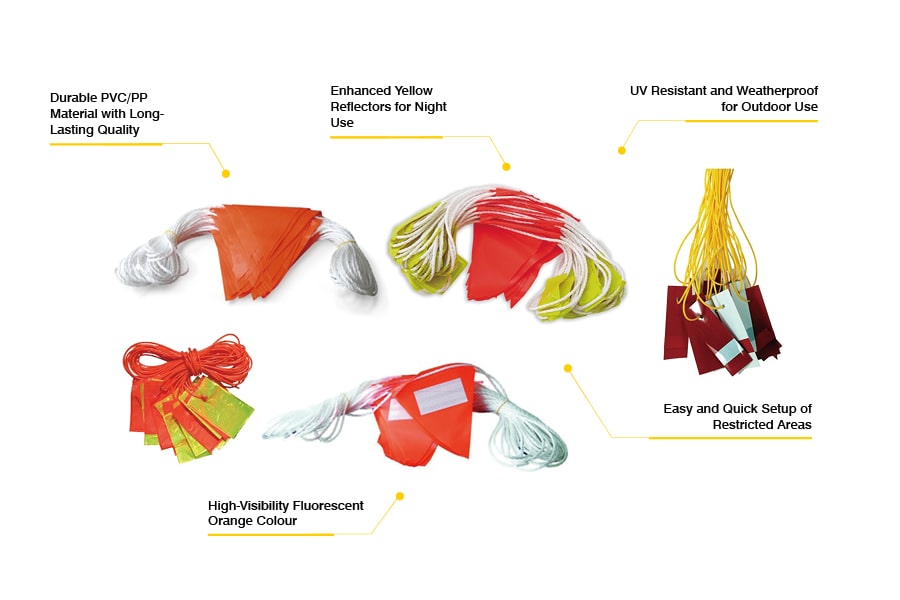
OPTsigns Night Line features HIP/Class 1 reflective film for superior visibility, ensuring safety in all conditions. Constructed from durable PVC/PP materials, it offers long-lasting quality and is designed for harsh environments. The fluoro PVC night line is both UV-resistant and weatherproof, making it ideal for outdoor use. This night line rope with reflective tags is quick and easy to set up, providing efficient crowd control and traffic management at low cost.
Widely used in roadworks, parking lots, construction sites, and hazardous areas, the reflective warning night line enhances safety by marking restricted zones. Available as a night line in roll, it simplifies deployment for various applications. For higher visibility, options like the orange warning night line and red warning night line can be used to meet specific safety requirements. The traffic safety night line rope and reflective night line are versatile, making them perfect for creating secure boundaries in the mining and demolition industries.
*We respect your confidentiality and all information are protected.
| Sheet Size | 50*150mm |
|---|---|
| Length | 25m |
| Colour | Red & White |
| Material | PP Plastic Sheets with a PVC Rope |
| Reflective Film | None, Commercial Grade, Class 1, Customizable |
| Customize | Logo and Marking |
To use a Bunting Line, first identify the area where you want to create a visual boundary or warning. Unroll the bunting line and secure the ends to stable posts, cones, or hooks, ensuring it’s taut but not overly stretched. Position the fluoro PVC bunting line at a height and angle visible to oncoming pedestrians or vehicles. For longer distances, use additional supports to prevent sagging.
To use dynabolts, first select the appropriate size based on your project’s needs. Refer to the dynabolt installation guide for detailed instructions. Ensure the installation surface, like concrete, is clean and free of debris. Place the galvanized dynabolts through the fixture and into the pre-drilled hole, then tighten using a suitable tool.
Dynabolts function by expanding within a pre-drilled hole when tightened, creating a secure anchor. This expansion mechanism allows them to hold substantial loads. The stainless steel dynabolts are particularly effective in resisting corrosion, ensuring a long-lasting hold in various environments.
To install a dynabolt, first drill a hole into the concrete of the appropriate size. Insert the dynabolt into the hole, ensuring it is aligned with the fixture. Use a wrench to tighten the nut, which will cause the dynabolt to expand and grip the surrounding material securely. Follow the dynabolt installation guide for specific instructions based on the type used.
To remove dynabolts from concrete, first, unscrew the nut and washer. Then, use a hammer to gently tap the dynabolt, loosening it from the concrete. If it resists, you may need to drill further into the hole or use a wrench to rotate the galvanized dynbolt counterclockwise until it releases.
The weight a dynabolt can hold varies based on its size and the material it is anchored into. Generally, standard galvanized dynabolts can support significant loads when properly installed.