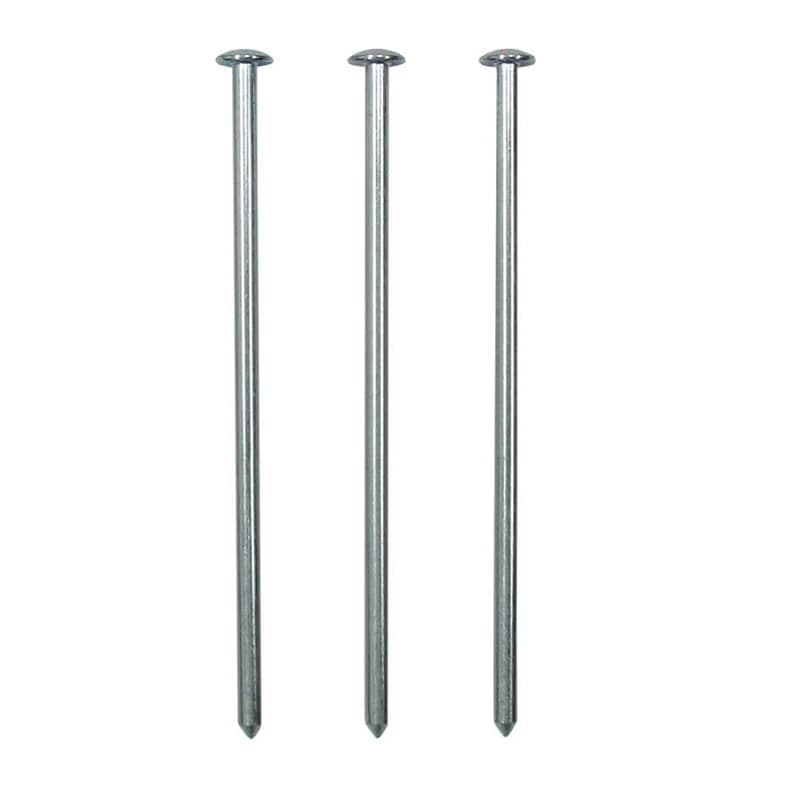
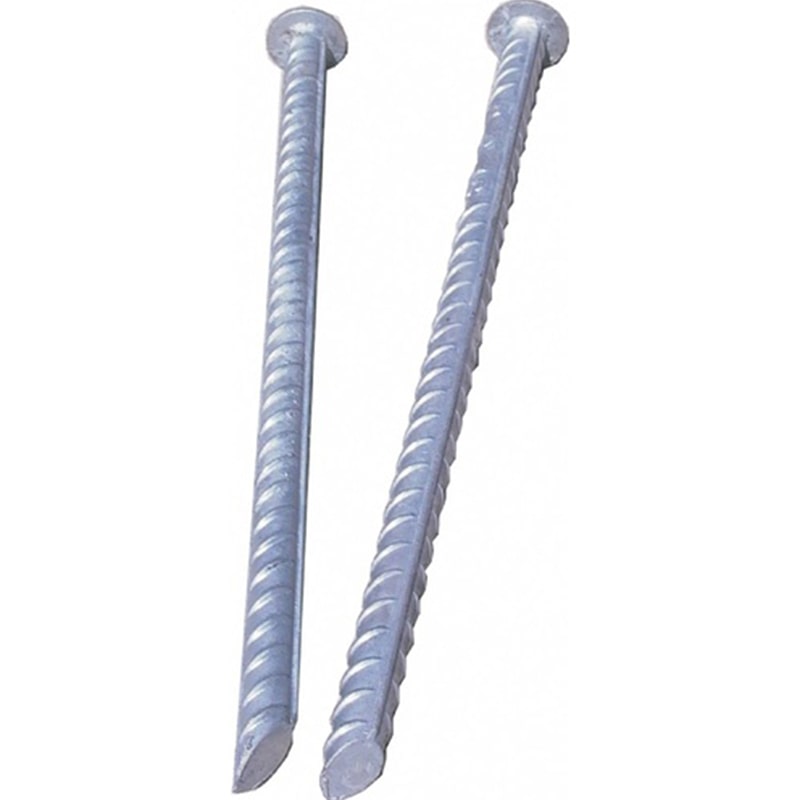
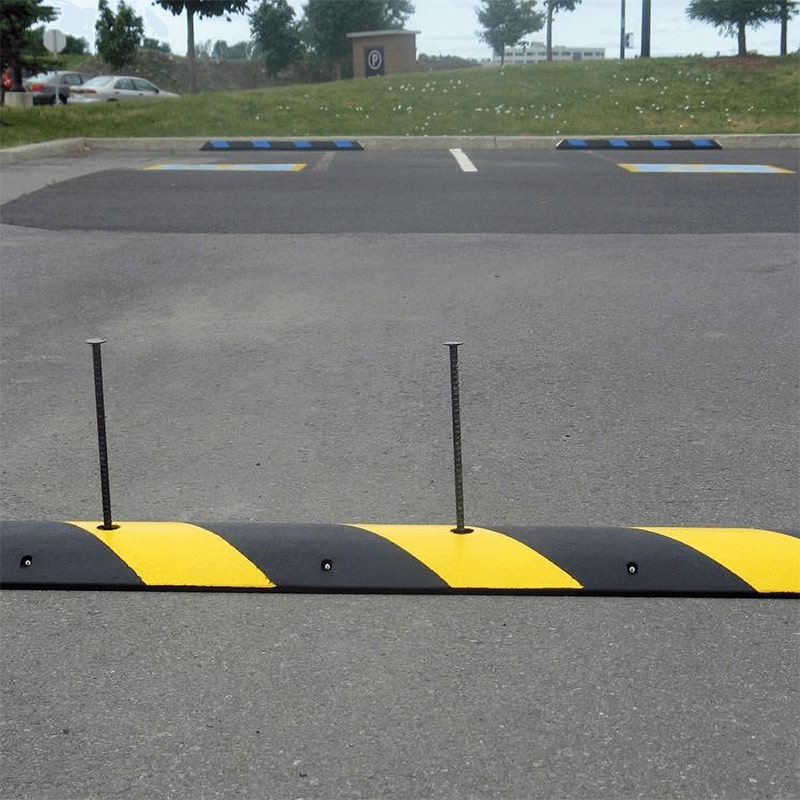
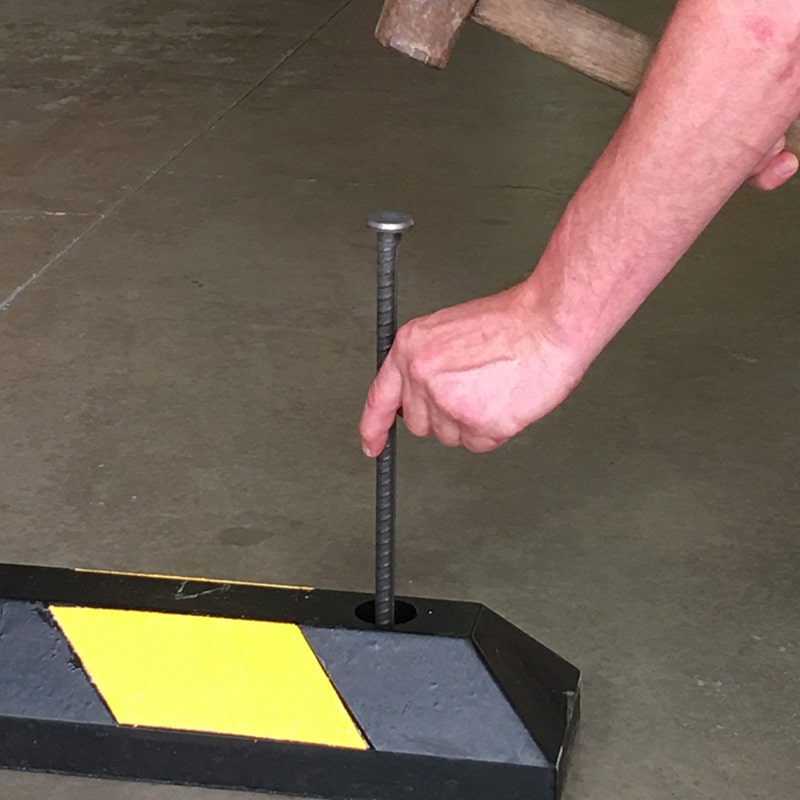
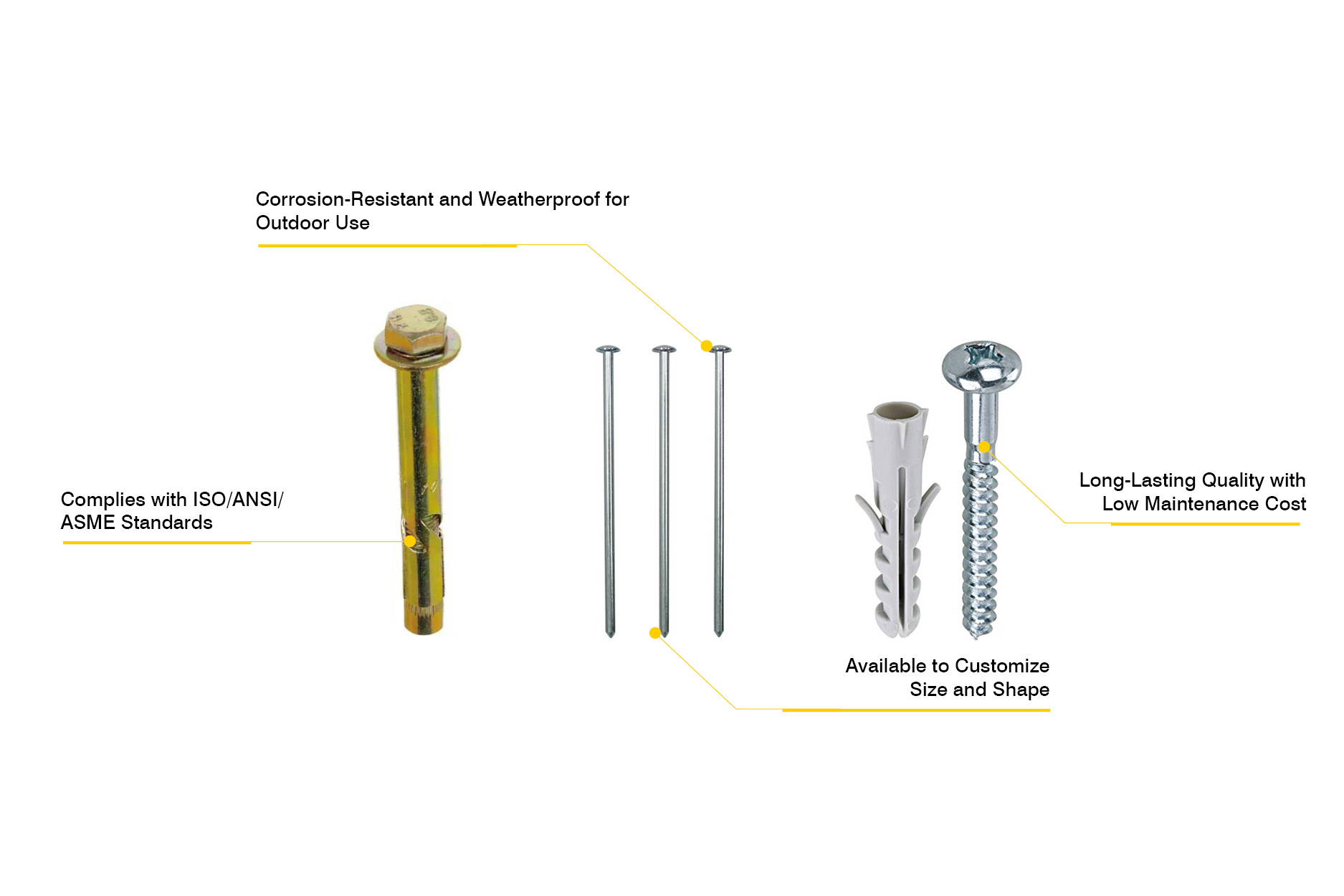
 Manufactured with advanced electro-galvanized coating technology, OPTsigns Long Spikes offer outstanding corrosion resistance and weatherproof durability, ensuring reliable performance in outdoor environments. Built to withstand harsh conditions, these long metal spikes provide long-lasting quality with minimal maintenance costs, making them ideal for securing wheel stops, brackets, traffic signs, road delineators, and other essential road safety products. Their design complies with ISO, ANSI, and ASME standards, underscoring a commitment to high-quality, standardized road safety solutions.
Available in customizable sizes and shapes, OPTsigns long spikes for rubber wheel stops and speed humps steel spikes offer versatility for various applications. The robust build of these steel spikes for rubber speed humps delivers enhanced stability and safety across different settings, effectively securing installations and minimizing movement or damage from heavy use.