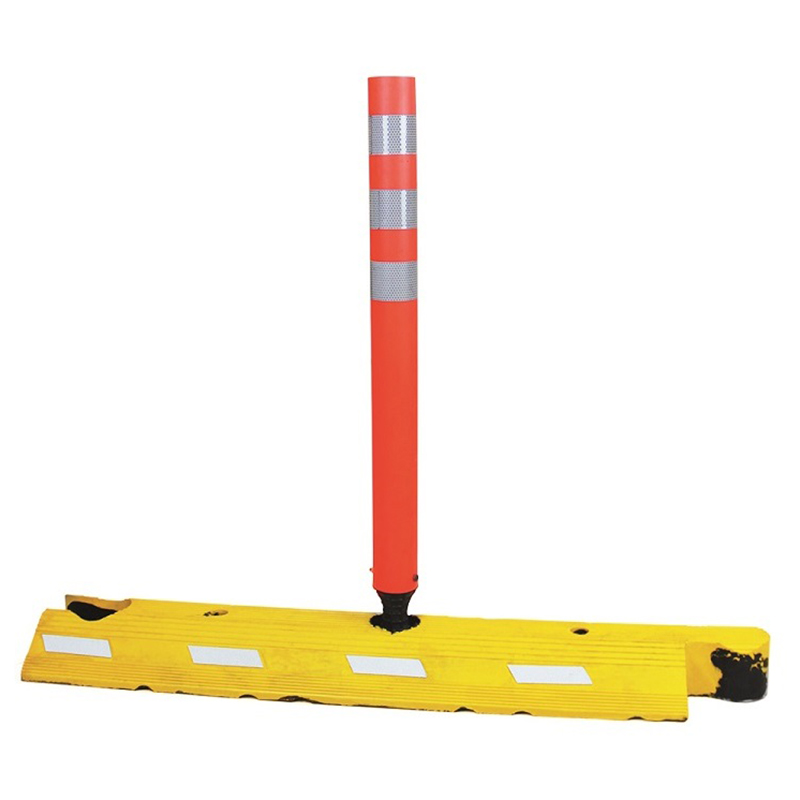
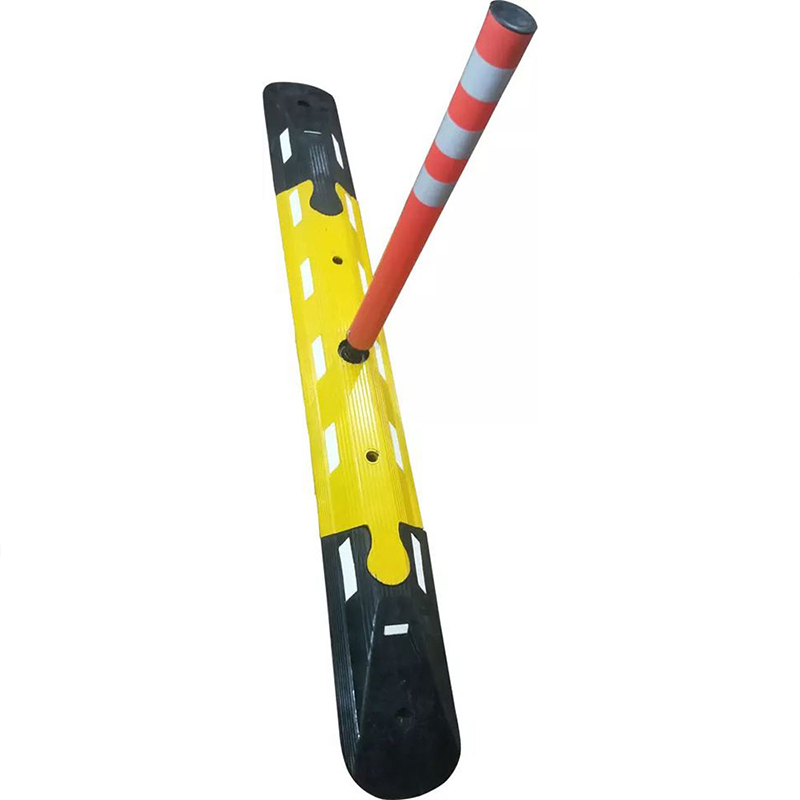
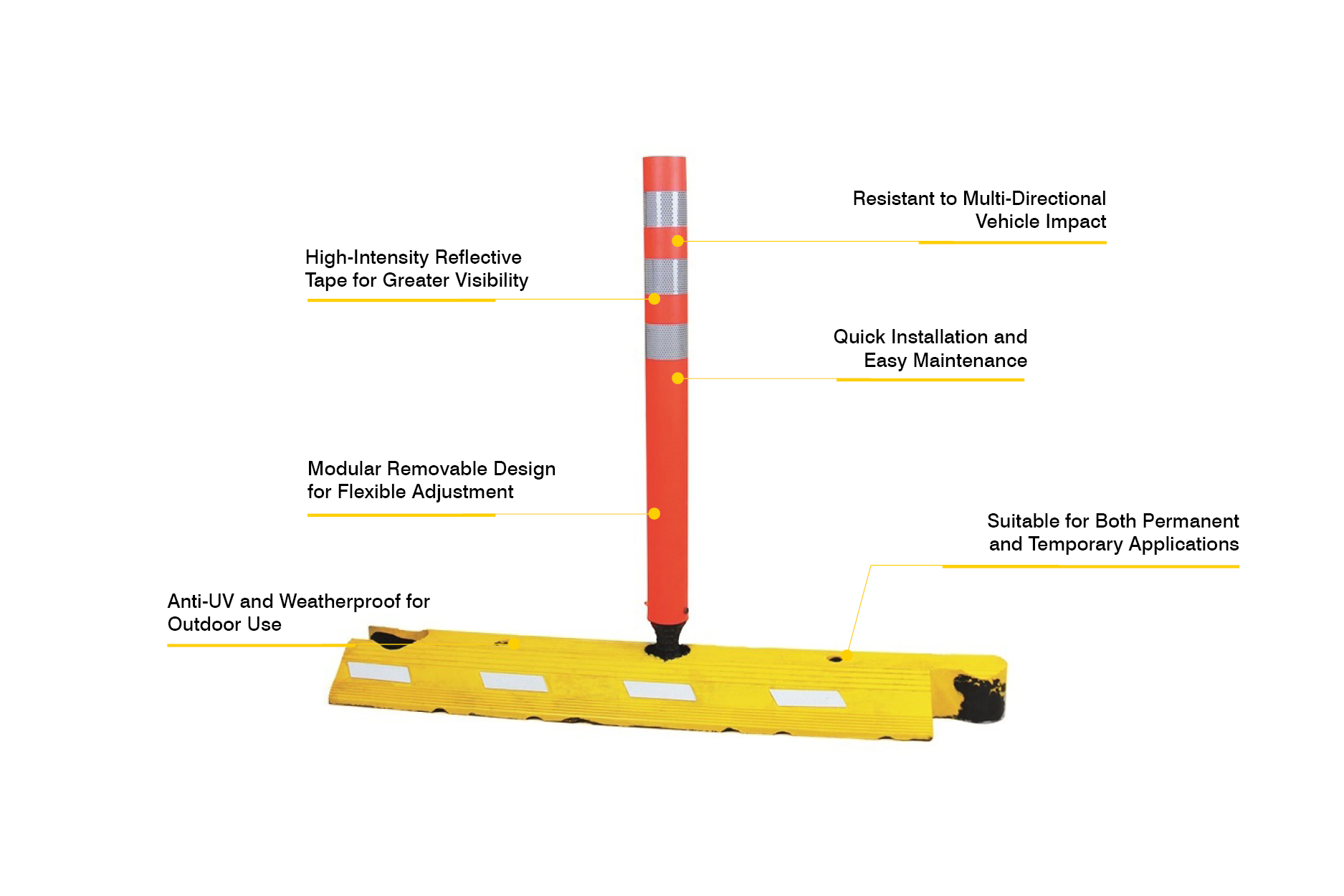
Optsigns Lane Separator is an essential traffic management tool designed to effectively guide vehicles and prevent unwanted lane changes or access to restricted areas. With its durable construction and high visibility, this lane divider serves as an ideal solution for organizing traffic flow in various settings, including parking lots, warehouses, bike lanes, and exit ramps. The Lane Separator not only enhances safety by clearly marking designated lanes but also improves overall traffic efficiency. Whether you’re directing vehicle movement or creating safe pathways for pedestrians, Optsigns Lane Separator is the reliable choice for effective traffic control in any environment.

*We respect your confidentiality and all information are protected.
| Size | 1000*245*85mm (Middle), 500*245*85mm (End), Customizable |
|---|---|
| Material | Recycled Rubber |
| Colour | Yellow and Black |
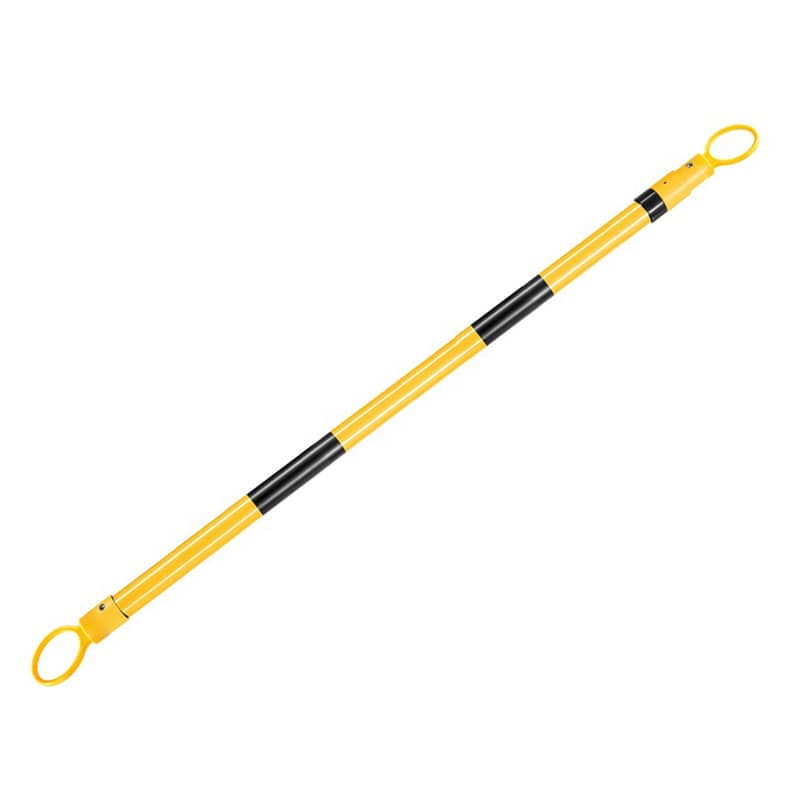
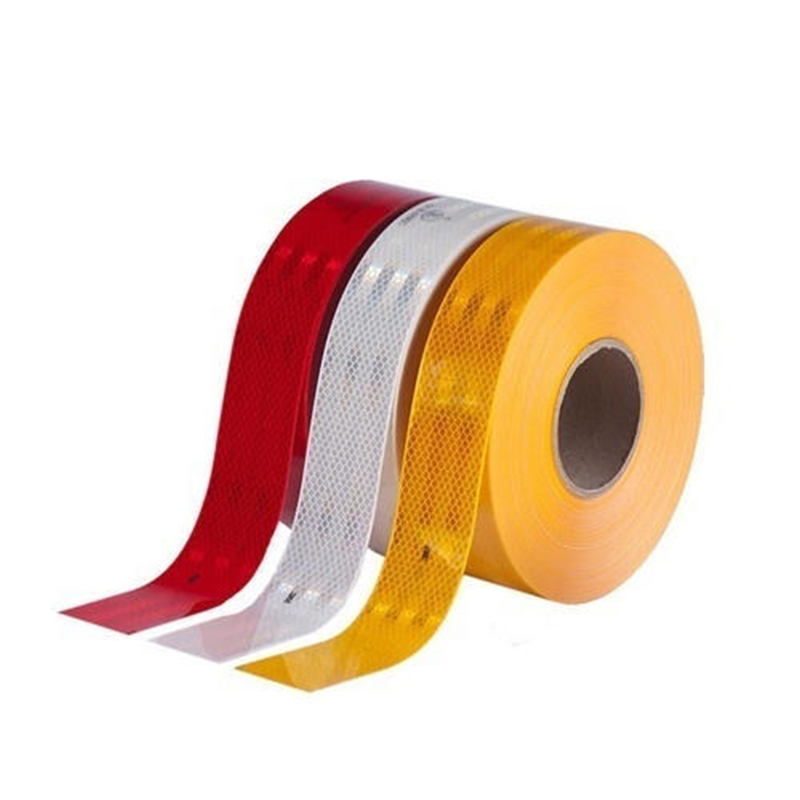
| Bollard | 72mm Dia.*1050mm PE Orange Bollard with 3 Reflective Tapes |
| Customize | Custom Size and Weight |
Using the Optsigns Lane Separator is straightforward. Begin by positioning the Lane Separator in the desired location to create a clear lane division. Ensure Lane Separator is securely placed to withstand vehicle movement. Ideal placements include parking lots, bike lanes, and exit ramps to guide traffic effectively. Regularly check the Lane Separator for stability and visibility, especially in busy areas, to maintain optimal traffic management.
A Type 1 barricade is a traffic control device used to warn or direct traffic in temporary work zones, road closures, or construction areas. It features a single reflective panel (usually orange or white) mounted on a lightweight frame. Type 1 barricades are designed for low to moderate traffic areas and are often used for shorter-term applications.
Type I Barricade
Design: A lightweight, foldable barricade with one reflective panel, suitable for low-traffic areas.
Application: Often used in urban or short-term construction zones.
Type II Barricade
Design: A larger, more robust barricade with two reflective panels, providing greater visibility.
Application: Commonly used for moderate traffic control in construction sites and road work.
Type III Barricade
Design: The largest barricade, typically with three reflective panels, providing maximum visibility.
Application: Used in high-traffic areas or hazardous zones where maximum warning is needed.
The Occupational Safety and Health Administration (OSHA) sets standards for barricades used in construction and industrial settings to ensure worker safety. OSHA standards for barricades are outlined in 29 CFR 1926.200 and state that:
Barricades must be visible and clearly mark hazards to prevent accidents or unauthorized access.
The barricade must have high-visibility materials, such as reflective sheeting, and be designed to withstand environmental conditions.
Barricades must be stable enough to remain upright and prevent injury if struck by vehicles or equipment.
OSHA regulations require that warning barricades are properly maintained and positioned to protect both workers and the public.
While stable under normal conditions, sandbags or weights can be added for extra stability in windy environments.