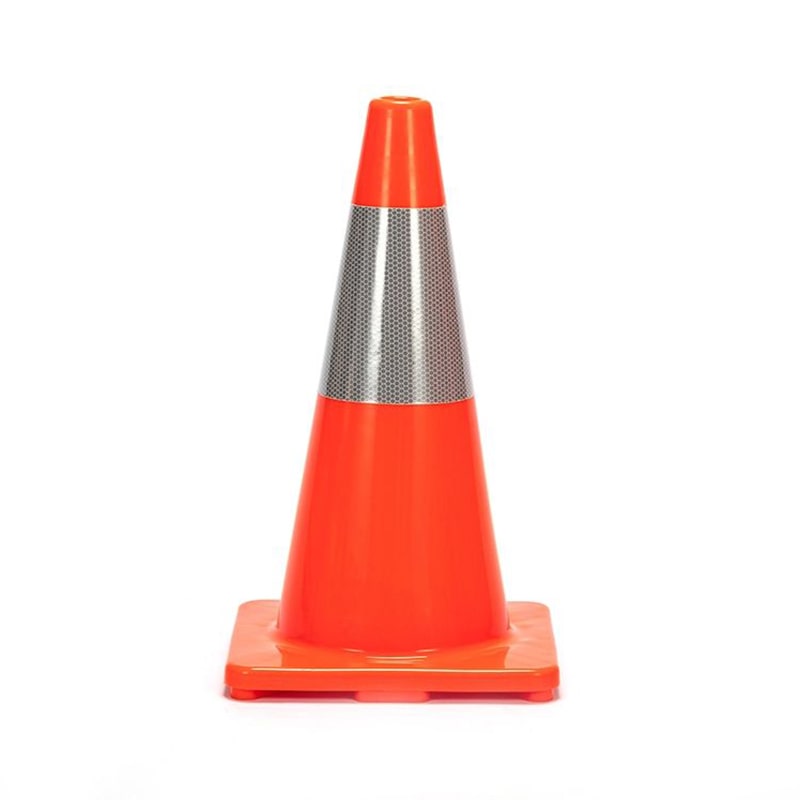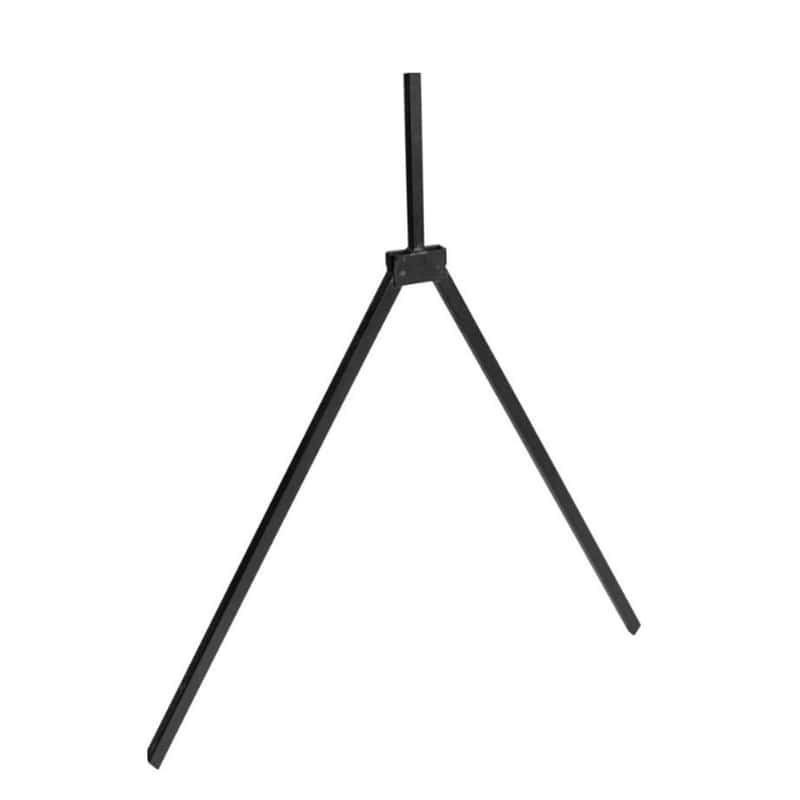
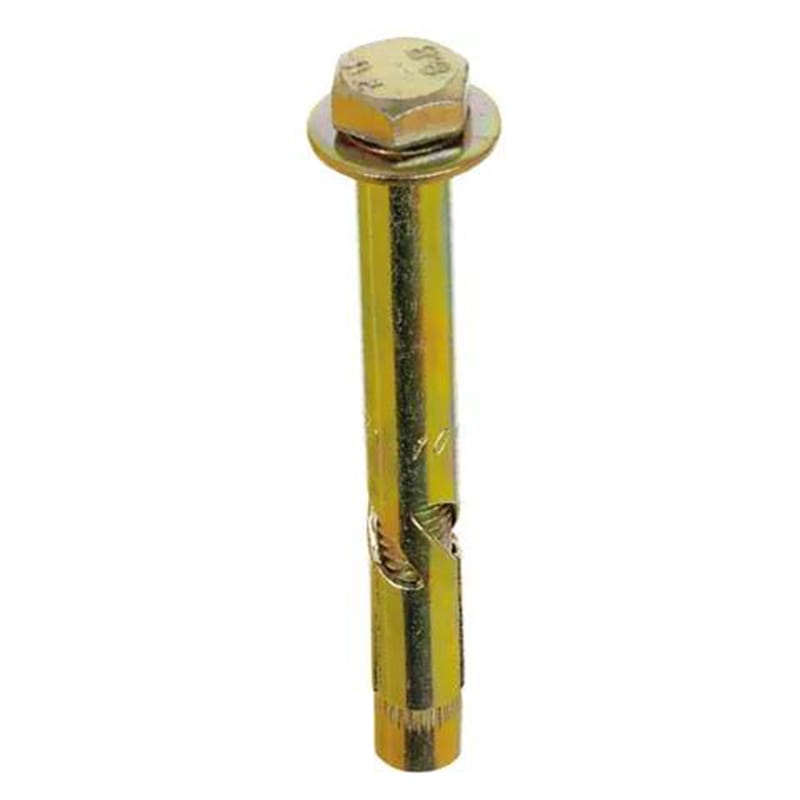
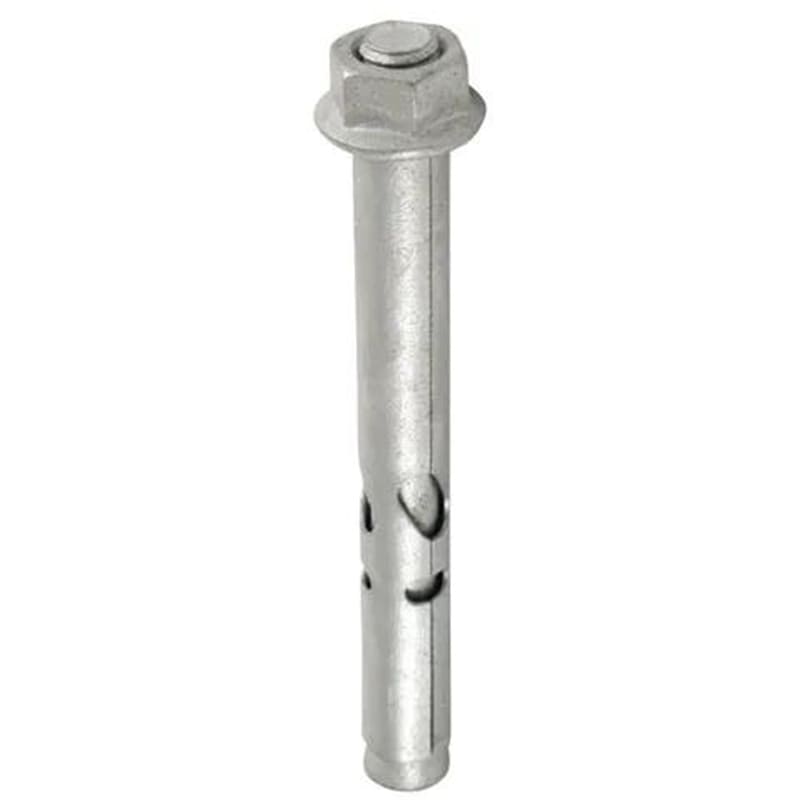
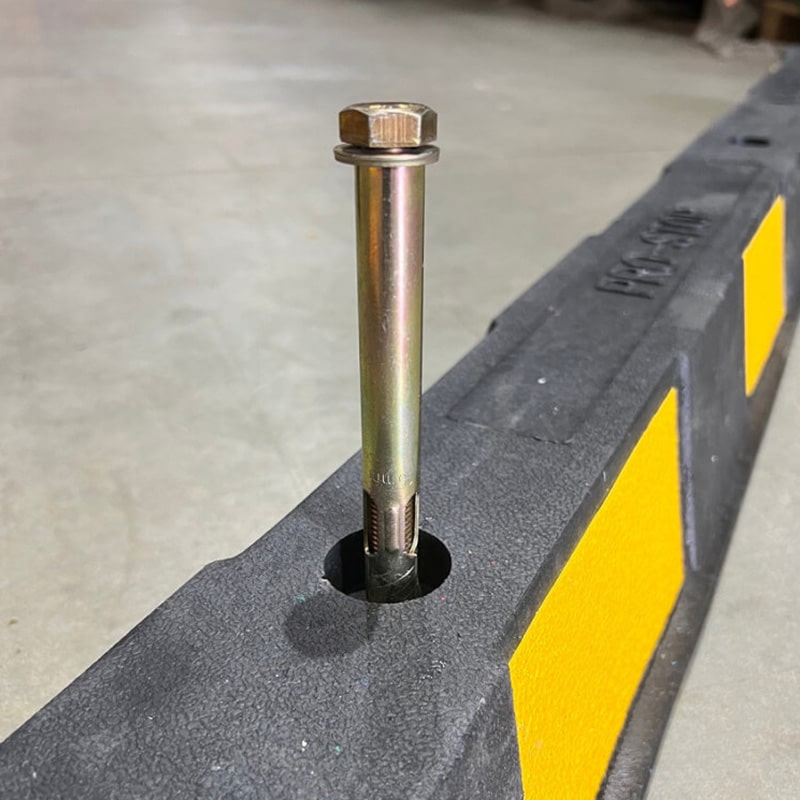
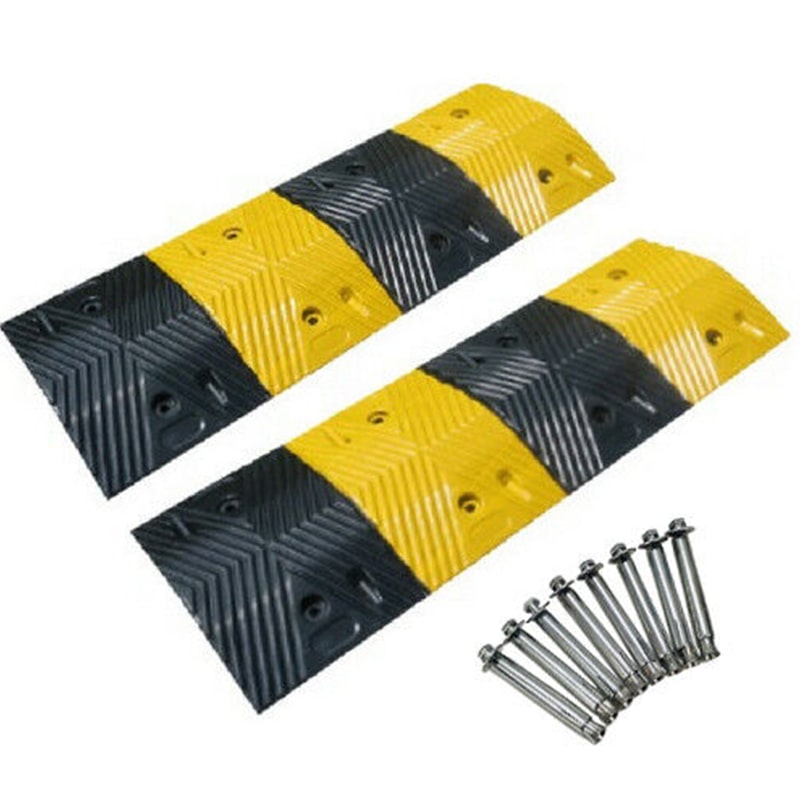
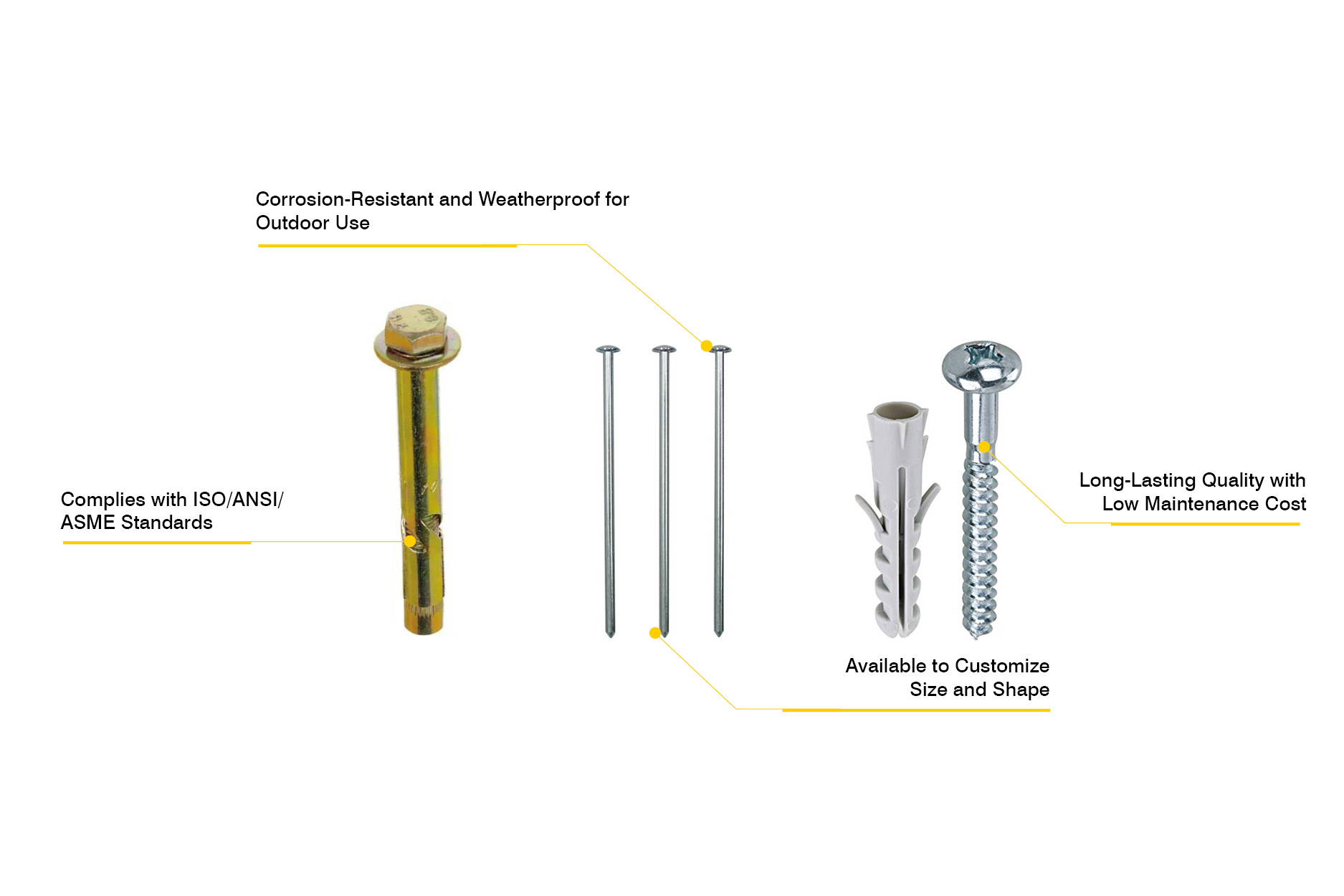
 Manufactured with advanced electro-galvanized coating technology, OPTsigns dynabolts offer exceptional corrosion resistance and are weatherproof, making them ideal for outdoor use. These galvanized dynabolts are designed for long-lasting quality with low maintenance costs, ensuring reliable performance in various applications, such as installing brackets, traffic signs, and road delineators. For added versatility, our products comply with ISO, ANSI, and ASME standards, guaranteeing they meet rigorous safety and quality requirements. With a variety of dynabolt sizes available, customers can find the perfect fit for their specific needs.
The dynabolt installation process is straightforward, supported by a comprehensive dynabolt installation guide to help users achieve optimal results. Whether you’re looking for stainless steel dynabolts for enhanced strength or specific configurations such as dynabolts for wheel stops, OPTsigns will meet your needs. Explore our range of dynabolts for sale today and experience the durability and reliability that sets OPTsigns apart in road safety solutions.