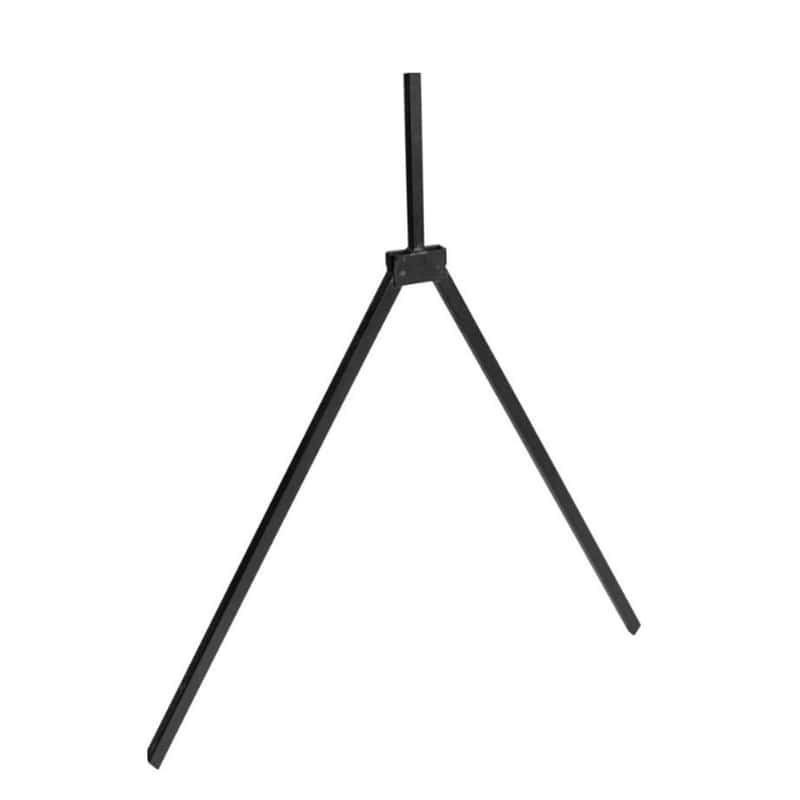

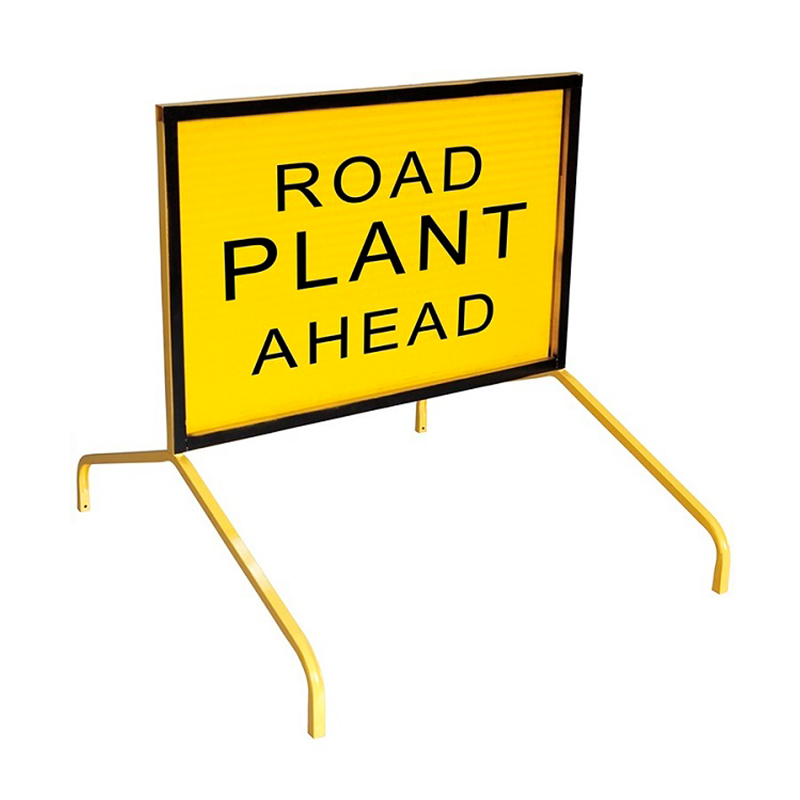
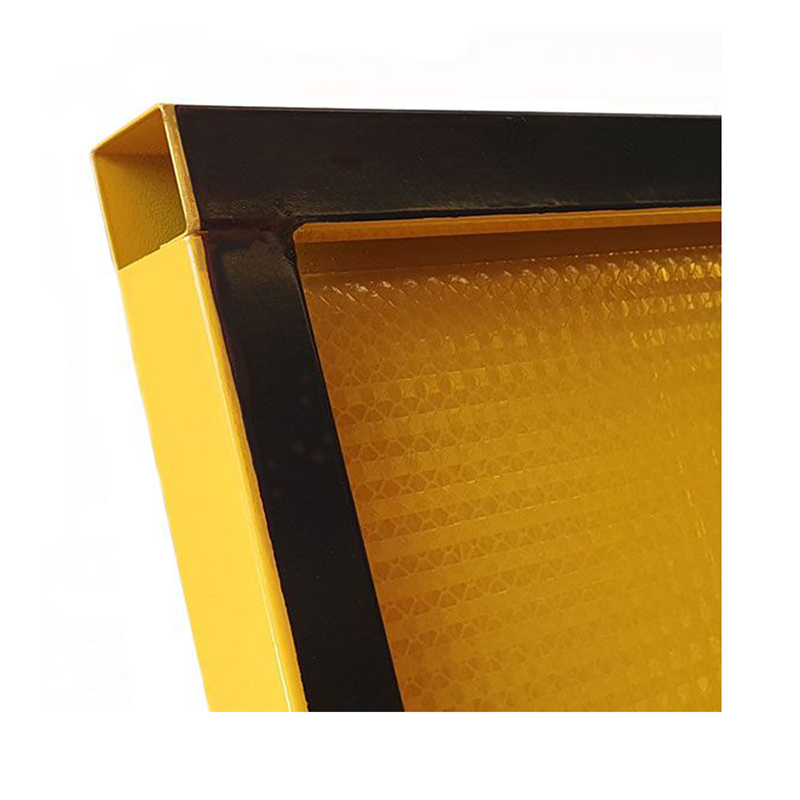
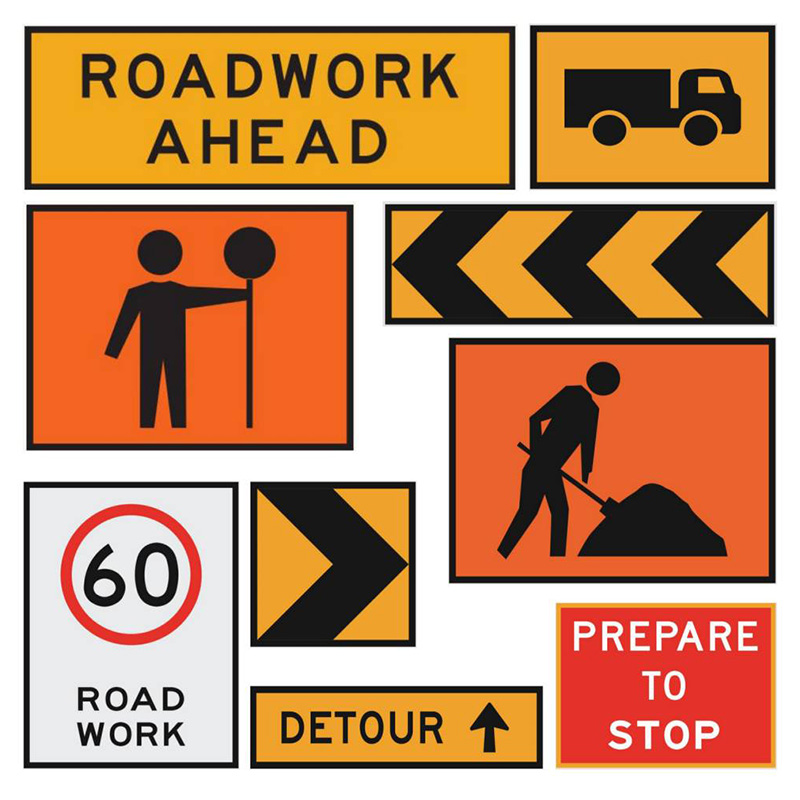

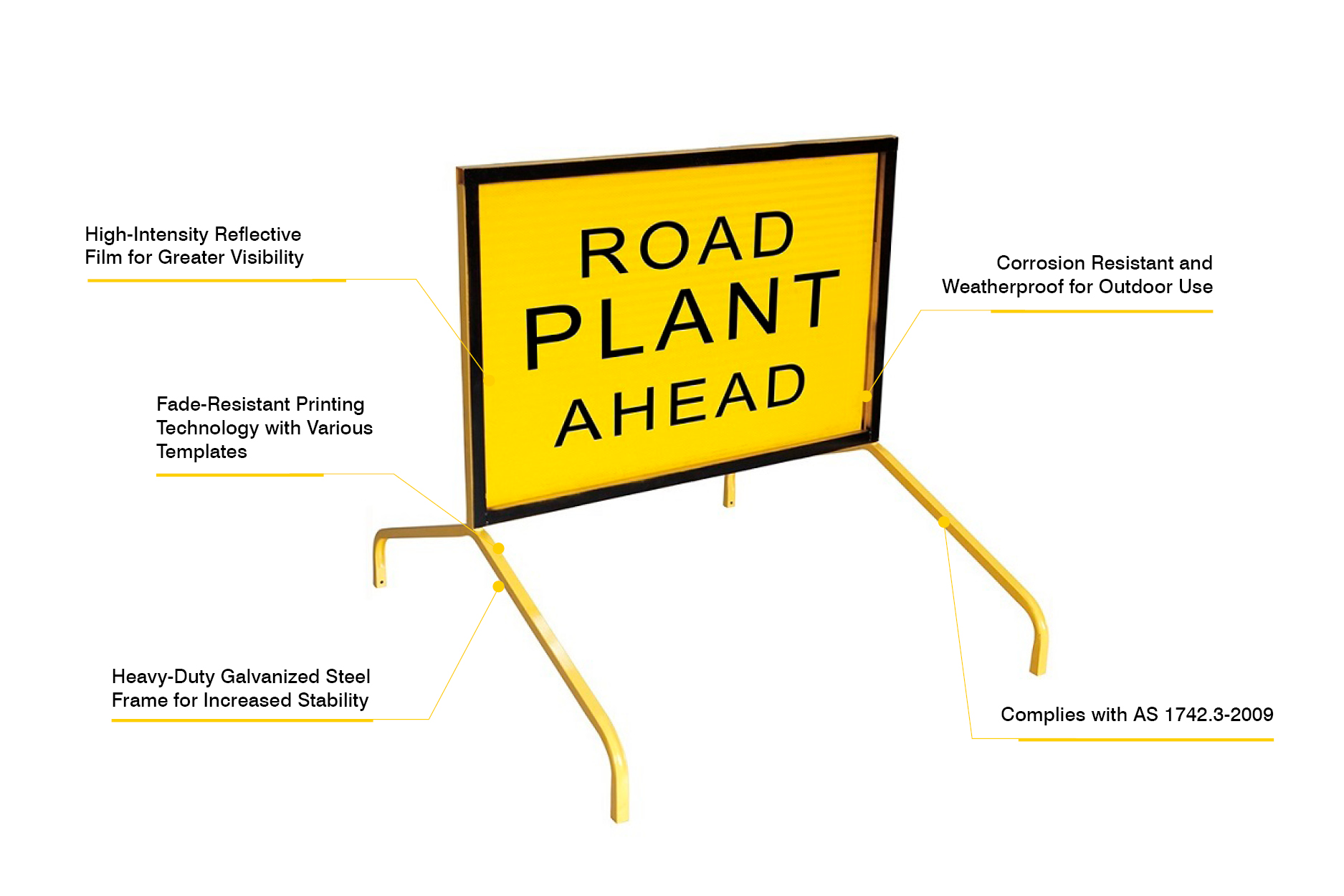
Optsigns Boxed Edge Signs are expertly crafted from galvanized steel plate, ensuring durability and resistance to rust and corrosion. With a bright yellow powder coating finish and Class 1 reflective film, these temporary road signs provide excellent visibility day and night. Designed to effectively manage traffic, temporary road signs are commonly used to alert motorists to roadworks, roadway closures, speed reductions, and other hazardous road conditions. Their robust construction and high reflectivity make temporary road signs an ideal choice for maintaining safety in various environments.
*We respect your confidentiality and all information are protected.
| Size | 600*600mm, 900*600mm, 1200*300mm, 1200*450mm, 1200*600mm, 1200*900mm, 1500*300mm, 1500*450mm, 1500*600mm, 1500*750mm, 1500*900mm, 1800*300mm, 1800*450mm, 1800*600mm, 1800*750mm, 1800*900mm, 1800*1200mm, 2400*900mm, 2400*1200mm |
|---|---|
| Thickness | 0.8mm Steel Plate |
| Edge | 25*25mm with Black Film |
| Material | Galvanized Steel Plate with Engineering Grade/Class 1 Reflective Film |
| Finish | Yellow Powder Coating |
| Customize | Custom Text, Logo, Film Grade and Legs |
Using Optsigns Boxed Edge Sign is straightforward. Position the Boxed Edge Sign in a location where it is clearly visible to drivers, such as near roadworks, construction zones, or areas requiring speed reduction. Ensure the Boxed Edge Sign is upright and securely mounted to withstand wind and weather conditions. Regularly check the visibility and condition of the Boxed Edge Sign to ensure it effectively communicates important information to motorists, enhancing road safety.
To use dynabolts, first select the appropriate size based on your project’s needs. Refer to the dynabolt installation guide for detailed instructions. Ensure the installation surface, like concrete, is clean and free of debris. Place the galvanized dynabolts through the fixture and into the pre-drilled hole, then tighten using a suitable tool.
Dynabolts function by expanding within a pre-drilled hole when tightened, creating a secure anchor. This expansion mechanism allows them to hold substantial loads. The stainless steel dynabolts are particularly effective in resisting corrosion, ensuring a long-lasting hold in various environments.
To install a dynabolt, first drill a hole into the concrete of the appropriate size. Insert the dynabolt into the hole, ensuring it is aligned with the fixture. Use a wrench to tighten the nut, which will cause the dynabolt to expand and grip the surrounding material securely. Follow the dynabolt installation guide for specific instructions based on the type used.
To remove dynabolts from concrete, first, unscrew the nut and washer. Then, use a hammer to gently tap the dynabolt, loosening it from the concrete. If it resists, you may need to drill further into the hole or use a wrench to rotate the galvanized dynbolt counterclockwise until it releases.
The weight a dynabolt can hold varies based on its size and the material it is anchored into. Generally, standard galvanized dynabolts can support significant loads when properly installed.