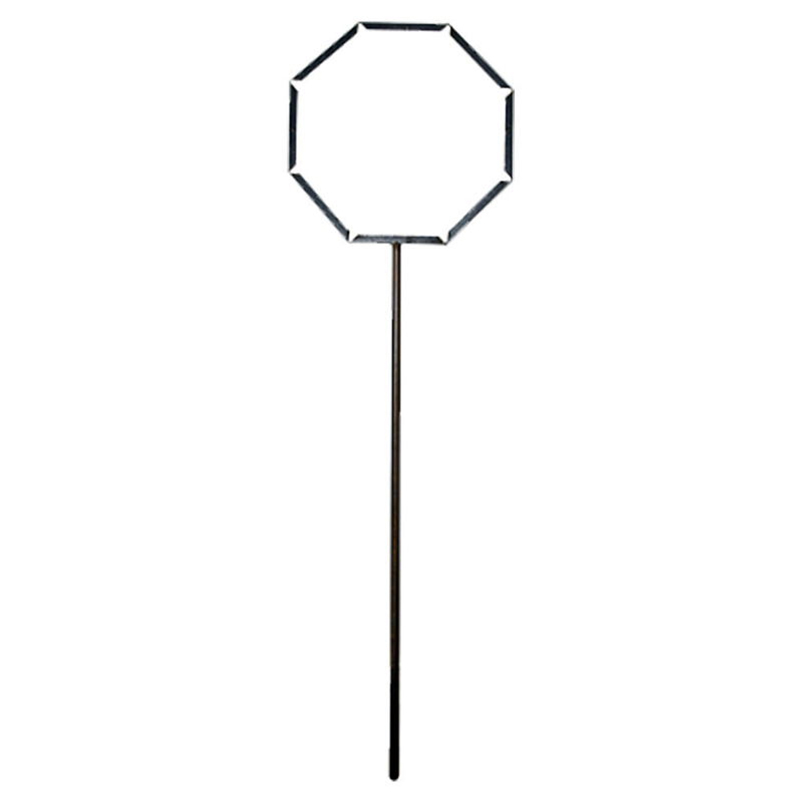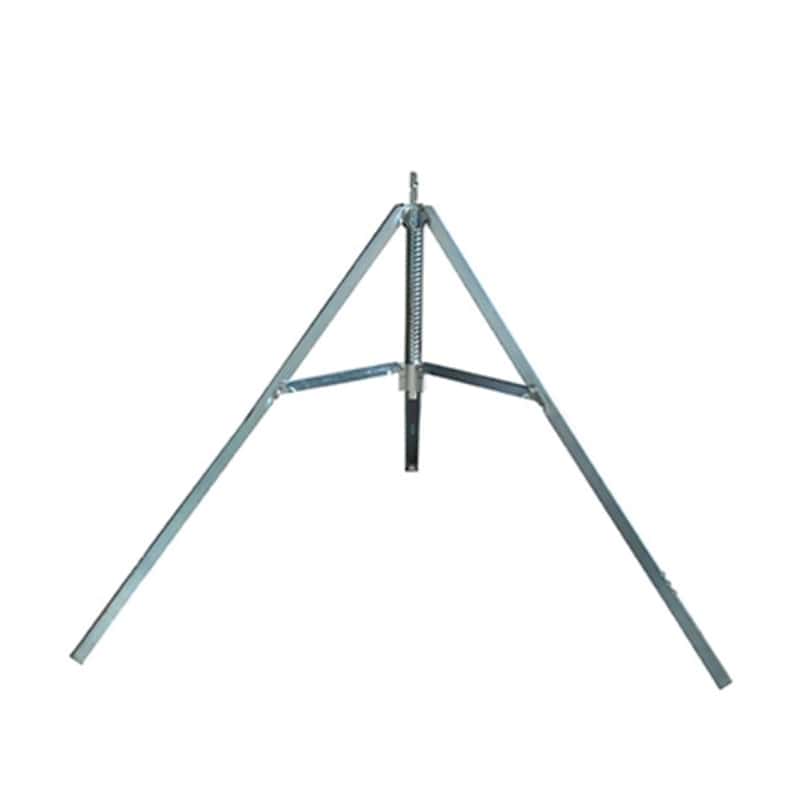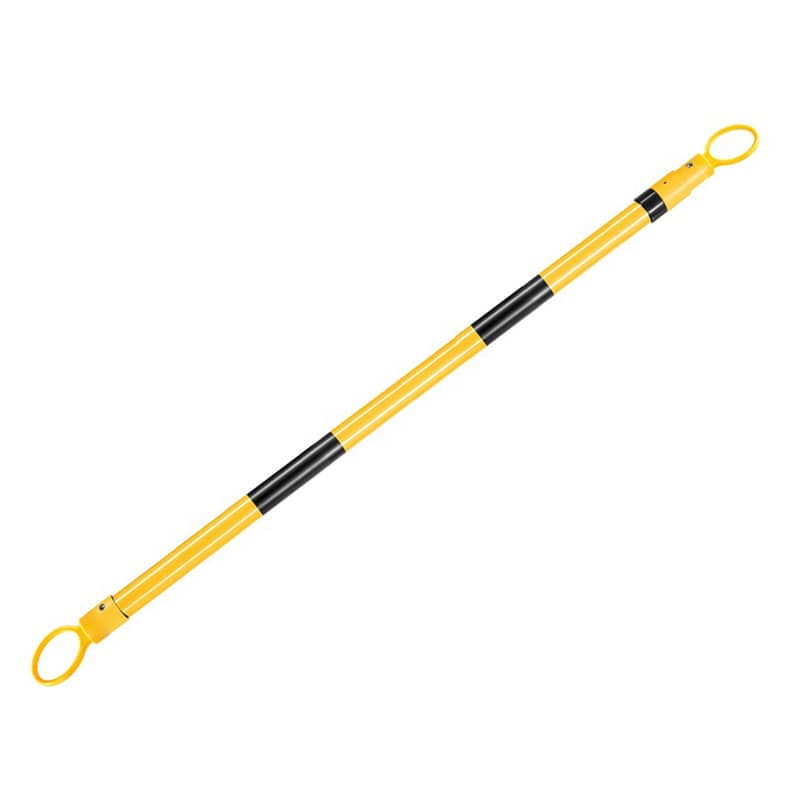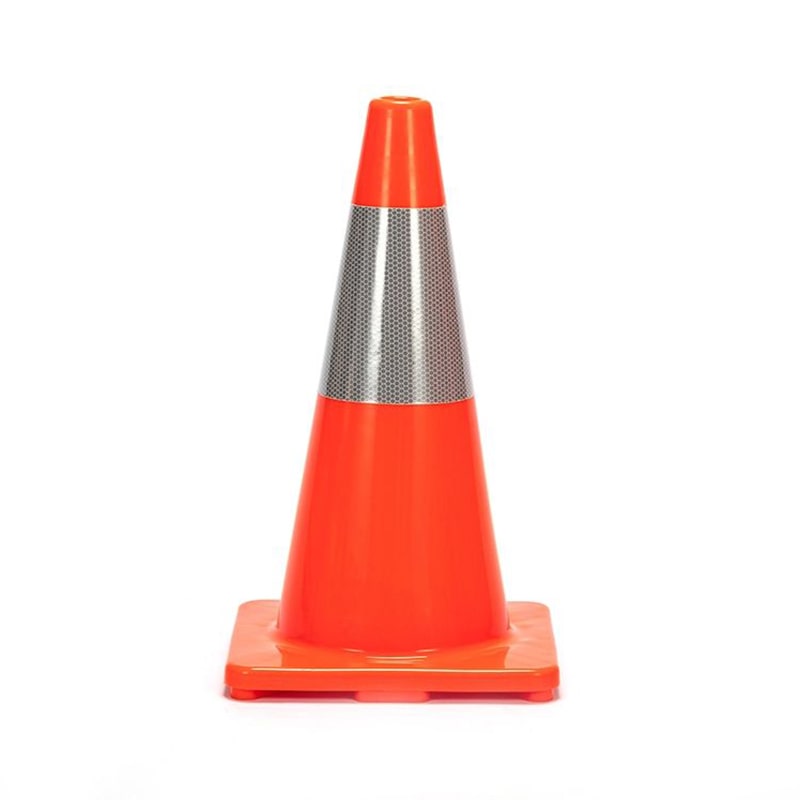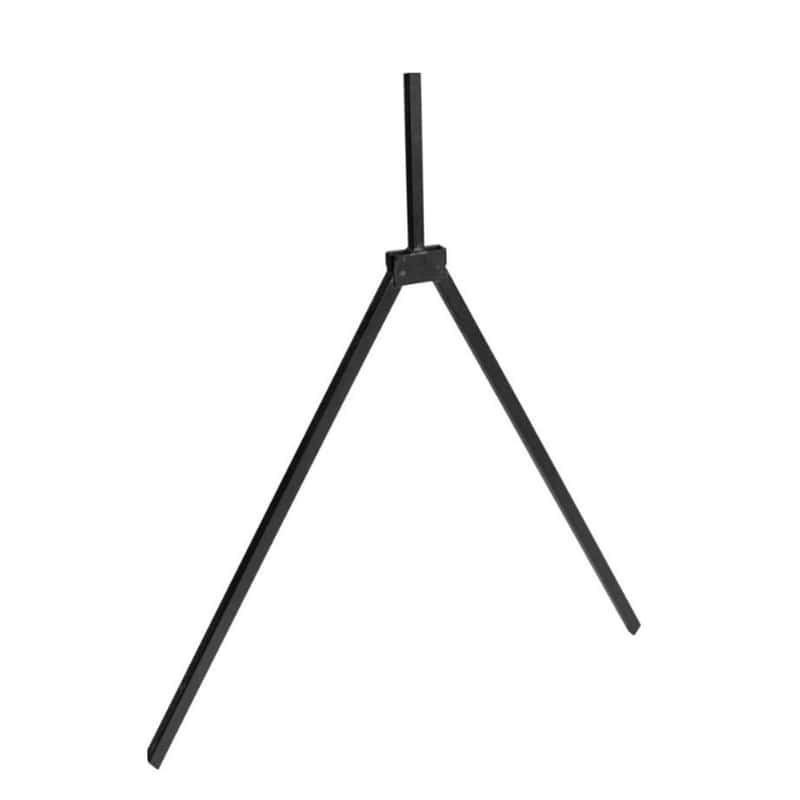
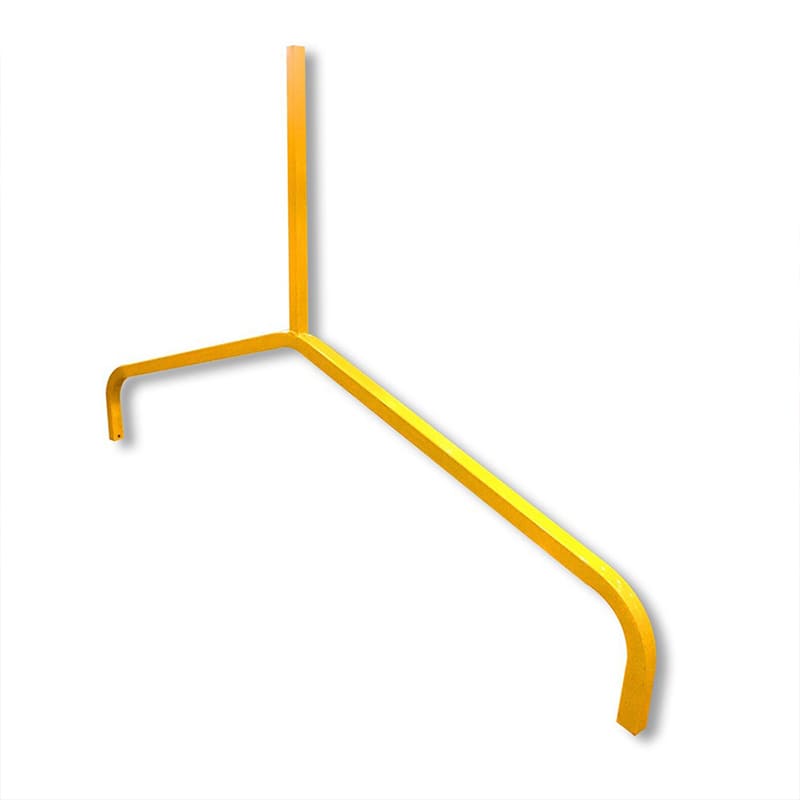

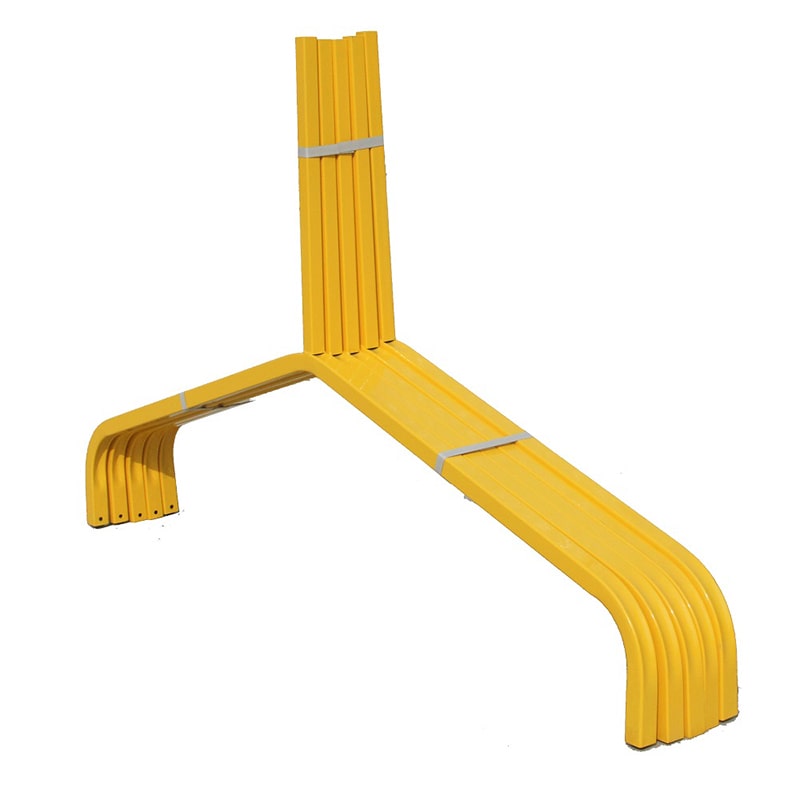

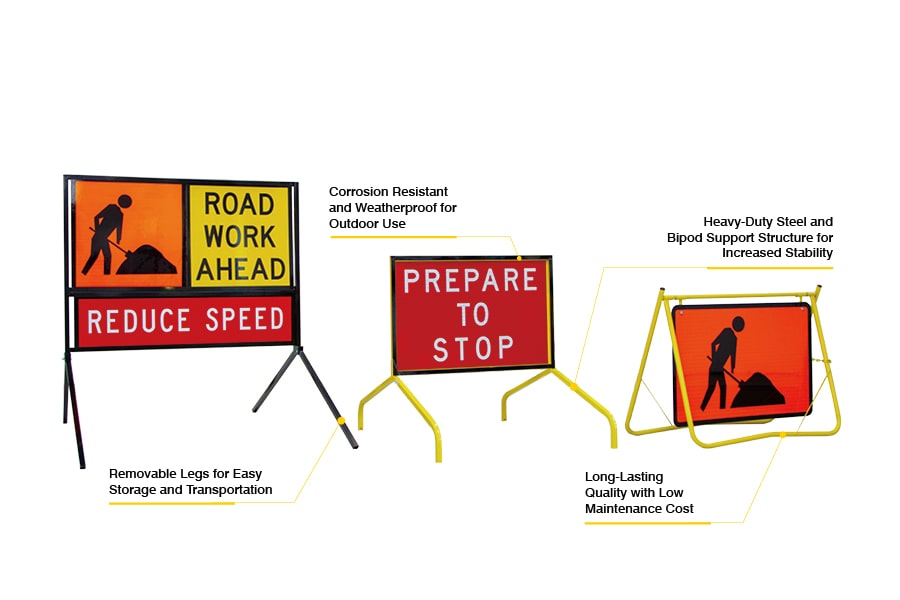
OPTsigns Bipod Legs are expertly crafted to enhance the stability of boxed edge signs, ensuring a reliable structure for temporary signs. Featuring a heavy-duty steel and bent-leg frame, these removable bipod legs provide the ultimate support for temporary safety signs, effectively managing traffic and warning motorists of critical situations such as roadworks, roadway closures, and speed reductions. Their design allows for easy storage and transportation, making them ideal for various applications, including temporary construction sign stands.
These boxed edge sign legs are corrosion resistant and weatherproof, making them suitable for outdoor use in all conditions. Their long-lasting quality minimizes maintenance costs, allowing for peace of mind in any environment. With the temporary sign stands-bent leg, traffic control sign stands will remain stable and visible, enhancing safety on the road. Whether for portable traffic sign stands or traffic safety sign stands, OPTsigns provides an exceptional solution to ensure your signs stand strong against the elements.
*We respect your confidentiality and all information are protected.
| Size | 1210*742mm, Customizable |
|---|---|
| Weight | 1.5kgs |
| Material | 20*20mm/25*25mm Steel |
| Finish | Yellow Powder Coating |
| Customize | Size and Shape |
To use a Boxed Edge Sign Bi-pod Leg, first attach it to the bottom edge of the sign by securing it with bolts or clips, ensuring stability. Position the boxed edge sign legs to create a stable, wide base. Adjust the legs as needed for uneven surfaces. To prevent tipping, ensure the legs form an angle wide enough for stability, especially in windy conditions. Place the sign in the desired location, checking that it’s firmly set. When finished, disassemble by folding or detaching the bipod legs, making transport and storage easier.
To use dynabolts, first select the appropriate size based on your project’s needs. Refer to the dynabolt installation guide for detailed instructions. Ensure the installation surface, like concrete, is clean and free of debris. Place the galvanized dynabolts through the fixture and into the pre-drilled hole, then tighten using a suitable tool.
Dynabolts function by expanding within a pre-drilled hole when tightened, creating a secure anchor. This expansion mechanism allows them to hold substantial loads. The stainless steel dynabolts are particularly effective in resisting corrosion, ensuring a long-lasting hold in various environments.
To install a dynabolt, first drill a hole into the concrete of the appropriate size. Insert the dynabolt into the hole, ensuring it is aligned with the fixture. Use a wrench to tighten the nut, which will cause the dynabolt to expand and grip the surrounding material securely. Follow the dynabolt installation guide for specific instructions based on the type used.
To remove dynabolts from concrete, first, unscrew the nut and washer. Then, use a hammer to gently tap the dynabolt, loosening it from the concrete. If it resists, you may need to drill further into the hole or use a wrench to rotate the galvanized dynbolt counterclockwise until it releases.
The weight a dynabolt can hold varies based on its size and the material it is anchored into. Generally, standard galvanized dynabolts can support significant loads when properly installed.