정확한 교통표지판 색상 matching is crucial for ensuring both daytime legibility and nighttime reflectivity. Color consistency directly impacts how easily drivers can interpret traffic signs in varying lighting conditions. Mismatched colors can make signs harder to read, leading to potential safety risks. 이 블로그에서, we will explore the importance of 교통표지판 색상 matching and how it affects road safety, compliance with standards, and overall sign effectiveness.
~에 광교통, we understand the importance of precise color matching for all our 교통 표지. That’s why we prioritize the use of high-quality materials and follow the strictest MUTCD guidelines to ensure that our signs provide the highest level of visibility and clarity. Whether you’re looking to improve safety in construction zones or ensure compliance with local regulations, OPTRAFFIC offers solutions that guarantee color consistency and durability. Explore our range of traffic signs designed to meet both daytime legibility and nighttime reflectivity standards, 모든 사람을 위해 도로를 더 안전하게 유지하는 데 도움이됩니다.
The Science Behind Traffic Sign Color Matching in Sign Design
Impact of Traffic Sign Color Variations
Even slight variations in traffic sign colors can significantly affect how signs are perceived by drivers. 낮 동안, traffic signs need to stand out and be clear, while at night, reflective sheeting must perform optimally to maintain high visibility when illuminated by headlights. Mismatched traffic sign colors can lead to a reduction in visibility and legibility, increasing the likelihood of misinterpretation.
날 대. Night Traffic Sign Visibility
Traffic sign color matching ensures that the sign’s reflective properties are consistent under all lighting conditions. Reflective sheeting works by reflecting vehicle headlights back toward drivers. If adjacent sections of traffic sign colors do not match, the sign may appear inconsistent, leading to confusion. Proper color matching allows signs to maintain consistent visibility and legibility, both in daylight and at night.
The Consequences of Mismatched Traffic Sign Colors
Reduced Legibility and Traffic Sign Visibility
Mismatched traffic sign colors between adjacent sections of reflective sheeting can cause visual confusion for drivers. Inconsistent colors make it difficult to quickly and accurately read important road information, 속도 제한과 같은, 지도, or warnings. This lack of clarity can lead to driver errors and compromised decision-making.
Driver Misinterpretation of Traffic Sign Colors
교통량이 많은 지역에서, confusion caused by mismatched traffic sign colors can be dangerous. 예를 들어, a stop sign with unclear, mismatched colors may cause a driver to miss or misinterpret the message. 이것은 사고의 위험을 증가시킵니다, particularly in busy intersections or construction zones.
Compliance Issues with Traffic Sign Colors
Failure to match traffic sign colors can lead to non-compliance with official regulations, such as those set by the Manual on Uniform Traffic Control Devices (mutcd). Regulatory authorities require that traffic signs meet specific color standards for safety and uniformity. Signs that do not adhere to these standards may result in legal complications, 벌금, and increased liability for municipalities or contractors responsible for the signage.
Ensuring Accurate Traffic Sign Color Matching in Production
Pre-Production Calibration and Certified Traffic Sign Color Standards
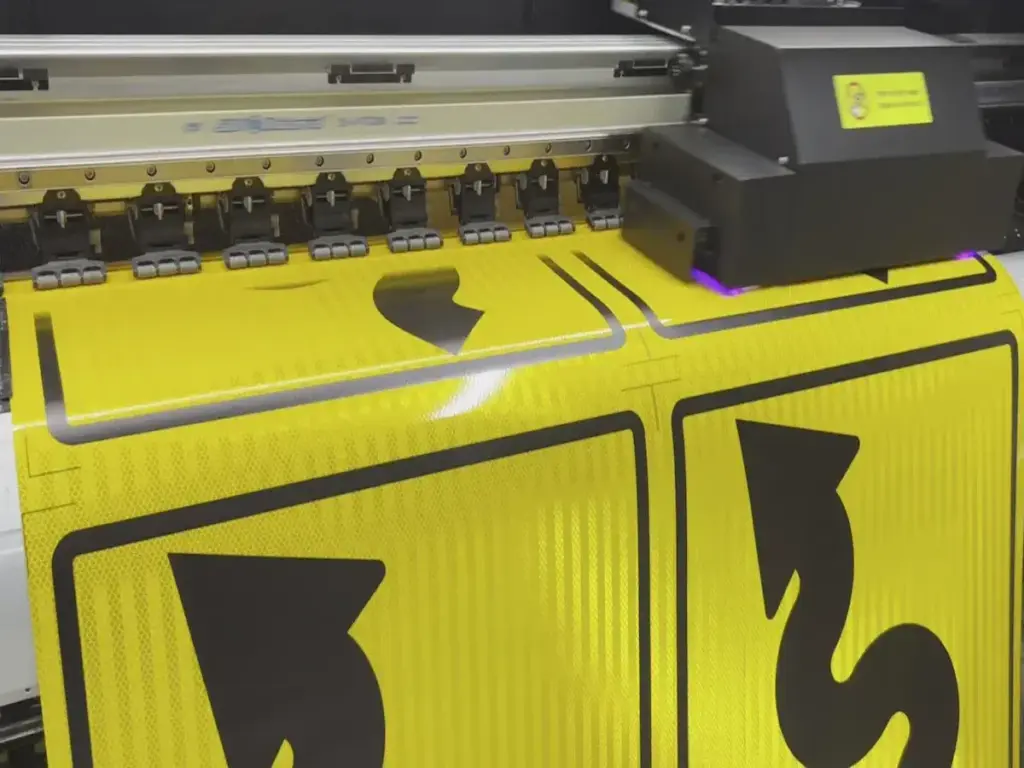
The process of ensuring accurate 교통표지판 색상 matching begins before production. Pre-production calibration and the use of certified color standards ensure that all materials used in manufacturing meet the required specifications. Color standards help eliminate any color discrepancies between batches of reflective sheeting, ensuring consistency across all traffic signs.
Utilizing Color Measurement Technology for Traffic Signs
To further guarantee accuracy, traffic sign manufacturers use color measurement tools, such as colorimeters, to check for color deviations. These tools measure the color of traffic signs and compare it to the set standards. This technology allows for quick detection and correction of any discrepancies, ensuring all reflective sheeting matches exactly.
Material Selection and Quality Control for Consistent Traffic Sign Colors
Choosing high-quality, color-stable reflective films is another crucial step. These films are specifically designed to maintain color consistency over time, even when exposed to harsh environmental conditions. 올바른 재료를 선택하여, manufacturers can reduce the risk of color shifts due to UV exposure, 날씨, or other environmental factors.
Real-World Examples of Traffic Sign Color Matching Challenges and Solutions
사례 연구 1: A Major City’s Traffic Incident Due to Color Mismatching
~ 안에 2017, a major city in Texas saw a sharp increase in traffic accidents at a busy intersection due to color mismatching in speed limit signs. The signs used two different shades of green for the background and the legend. This inconsistency created confusion for drivers, especially in low-light conditions at night. Drivers reported that the signs appeared “faded” or “blurred,” which led to speeding violations and a heightened risk of accidents.
A report from the Texas A&M Transportation Institute highlighted that even small variations in traffic sign colors can reduce their legibility distance, forcing drivers to get closer before they can read the sign. The city addressed the issue by replacing the mismatched signs with new ones that adhered to MUTCD color standards. Following the changes, the city observed a 25% reduction in accidents at that intersection. This improvement in safety showed how crucial accurate color matching is for effective traffic sign design.
사례 연구 2: Legal Compliance Issues Due to Non-Matching Traffic Sign Colors
A highway project in California faced significant legal challenges after color mismatching between the backgrounds and legends of new construction zone signs led to non-compliance with MUTCD guidelines. The issue arose when an unapproved reflective film was used for the legends, causing the background color to appear much brighter at night, while the legend itself was barely readable.
The California Department of Transportation (caltrans) required the contractor to replace the signs and incurred additional costs to make the signs compliant with MUTCD standards. The contractor also faced fines for the failure to meet federal guidelines. This case underscores the importance of color consistency not only for driver comprehension but also for avoiding legal issues and regulatory penalties. According to the Federal Highway Administration (FHWA), adherence to color standards is not optional—it’s a regulatory requirement, crucial for both safety and compliance.
사례 연구 3: A Citywide Initiative to Standardize Traffic Sign Colors
반면에, Seattle’s approach to color standardization offers a positive example of how cities can improve road safety through consistent traffic sign colors. The city had struggled with accidents due to color mismatching in its construction zone signage, where outdated reflective films caused signs to fade under certain lighting conditions, making it difficult for drivers to read detour routes and speed limits.
응답으로, Seattle’s Department of Transportation (SDOT) implemented a citywide initiative to standardize color matching across all signs, ensuring compliance with MUTCD color standards. By using advanced tools like colorimeters and selecting high-quality reflective materials, Seattle replaced old, mismatched signs with highly reflective and durable ones. According to an internal report from SDOT, this initiative resulted in a 30% decrease in construction-related accidents and reduced maintenance costs by 15%. The initiative not only improved sign legibility but also became a model for other cities aiming to standardize their traffic signage systems.
This approach to 교통표지판 색상 matching was further supported by a study from SDOT that demonstrated how consistent color use reduces driver confusion and enhances safety in high-risk areas, especially in construction zones where clear signage is critical.
The Long-Term Impact of Accurate Traffic Sign Color Matching
Improved Durability and Longevity of Traffic Signs
정확한 교통표지판 색상 matching not only enhances visibility but also contributes to the longevity of the sign. Traffic signs with consistent colors tend to last longer because they are more durable and less prone to fading. 이 내구성은 빈번한 교체의 필요성을 줄입니다, saving municipalities significant maintenance costs.
Cost-Effectiveness of Traffic Sign Color Matching
Though it requires an upfront investment in high-quality materials and advanced color matching technology, 정확한 교통표지판 색상 matching can ultimately save money. Consistent color matching reduces the risk of rework, lowers the cost of sign replacements, and improves the efficiency of sign production. This cost-effectiveness is crucial for municipalities managing large-scale sign installations or maintenance programs.
Enhanced Road Safety Through Accurate Traffic Sign Colors
When traffic signs are designed with accurate color matching, they are more visible, 읽기가 더 쉽다, and fully compliant with regulations. This improvement in legibility directly contributes to driver safety by ensuring that signs are understood quickly and correctly. This leads to fewer accidents, reduced confusion, 더 부드러운 트래픽 흐름.
정확한 교통표지판 색상 matching is not just a minor detail—it is a vital aspect of road safety. By ensuring that traffic signs are legible, 보이는, and compliant with regulations, municipalities and manufacturers can improve road safety, 사고를 방지하십시오, and reduce the risk of legal issues. It is essential for traffic authorities and manufacturers to prioritize color matching in the design and production of traffic signs. This small but critical detail plays a significant role in ensuring road safety, maintaining regulatory compliance, and ultimately saving lives.