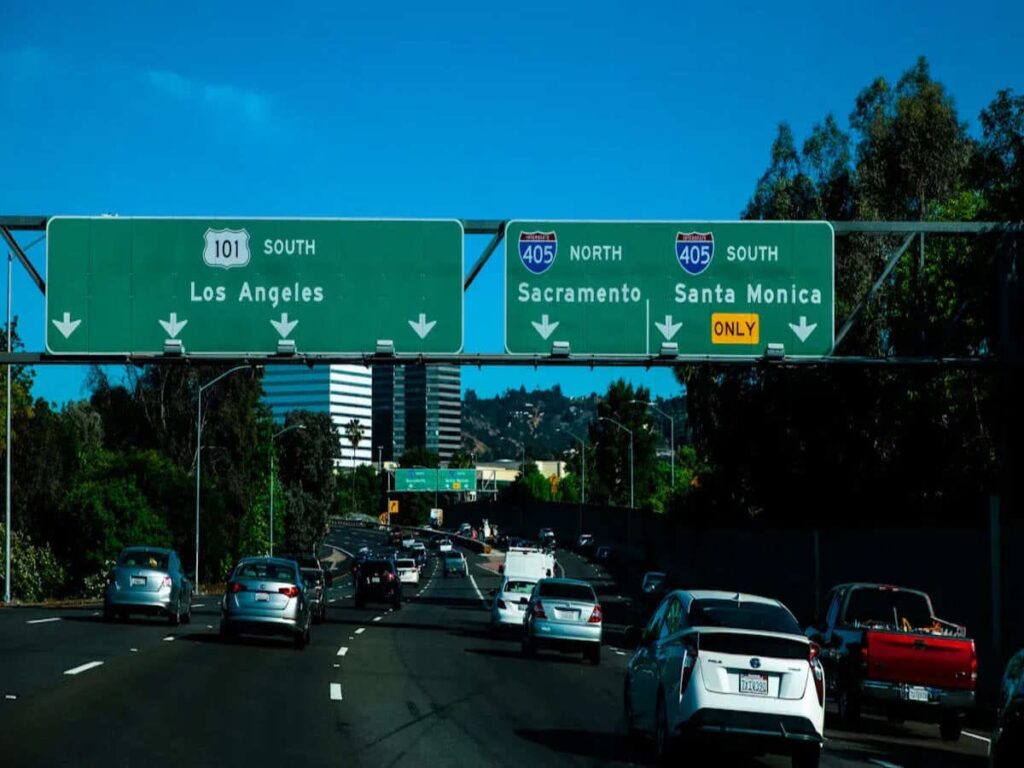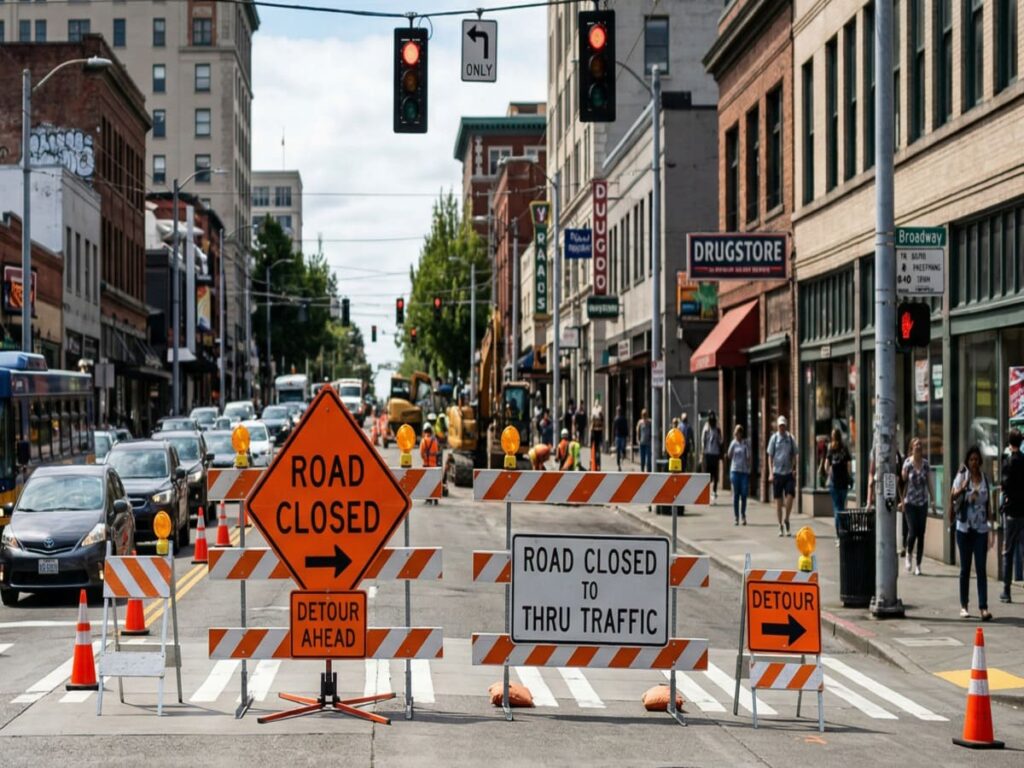
건설 경고 표지판 건설 현장에서 작업자와 운전자 모두의 안전을 보장하는 데 필수적인 도구입니다.. 이 표지판은 운전자와 보행자에게 잠재적인 위험을 경고하는 역할을 합니다., 사고를 피하기 위해 속도나 행동을 조정할 수 있습니다.. 건설 현장 경고 표지판 작업 구역의 교통 관리의 핵심 구성 요소입니다., 관련된 모든 사람의 안전을 보장합니다.. 이 블로그에서, 우리는 다양한 유형을 탐구할 것입니다. 건설 경고 표지판, 그들의 용도, 건설 구역에서 이를 효과적으로 구현하기 위한 모범 사례.
~에 광교통, 우리는 대규모 건설 프로젝트에서 대량 구매의 중요성을 이해하고 있습니다.. 완전한 세트가 필요한지 여부 건설 경고 표지판 또는 특정 교통 통제 장치, 우리는 계약자의 요구 사항을 충족하기 위해 경쟁력 있는 가격과 빠른 배송을 제공합니다.. 우리의 고품질 간판은 대량으로 제공됩니다, 장기 사용을 위해 설계되었습니다, 필요한 모든 안전 규정을 준수합니다.. 대량 구매 또는 세트 구매로, 프로젝트 전반에 걸쳐 일관성을 보장하고 작업 구역 전반에 걸쳐 최고 수준의 안전 표준을 유지합니다..
건설 경고 신호는 무엇이며 왜 중요한가요??
교통 통제 및 작업자 안전에 있어서 건설 경고 표지판의 역할
건설 경고 표지판 운전자에게 전방의 잠재적인 위험에 대해 명확하고 즉각적인 정보를 제공하도록 설계되었습니다.. 이들의 역할은 도로 상황의 중요한 변화를 전달하는 것입니다., 차선 폐쇄와 같은, 우회, 또는 속도가 감소됨, 운전자에게 적절하게 대응할 수 있는 충분한 시간 제공. 이러한 적극적인 의사소통을 통해 사고를 예방할 수 있습니다., 작업자와 운전자 모두가 건설 구역을 안전하게 탐색할 수 있도록 보장.
건설회사 및 시공업체의 경우, 오른쪽 배치 건설 경고 표지판 올바른 위치에 있는 것은 단순한 규제 요구 사항이 아니라 모든 프로젝트의 안전 계획의 중요한 구성 요소입니다.. "앞으로 도로 공사" 또는 "우회"와 같은 표지판은 혼란을 방지하고 사고 위험을 줄입니다., "속도 제한 감소" 또는 "앞에 있는 작업자"와 같은 표지판은 운전자에게 속도를 줄이거나 주의를 기울이도록 경고하여 현장 작업자를 보호하는 데 도움이 됩니다..
건설 현장 경고 표지판의 적절한 배치와 가시성이 중요한 이유
건설 표지판의 효과는 배치와 가시성에 달려 있습니다.. 적절한 배치를 통해 운전자는 로그인 시간에 반응할 수 있습니다., 속도를 조정하든지 다른 차선으로 합류하든지. 예를 들어, an '공사중' 표시 운전자가 차선을 변경하거나 대체 경로를 이용할 수 있는 충분한 시간을 제공할 수 있도록 미리 충분히 멀리 배치해야 합니다..
가시성 건설 현장 표지판 똑같이 중요합니다. 표지판이 잘 배치될 수 있음, 하지만 조명이 약해서 잘 보이지 않는다면, 악천후, 또는 손상에 서명, 그 목적을 달성하지 못한다. 재귀반사시트와 조명사인이 필수인 이유입니다., 특히 야간 작업 구역이나 비나 안개가 자주 발생하는 장소의 경우.
직면하게 될 건설 경고 신호의 유형
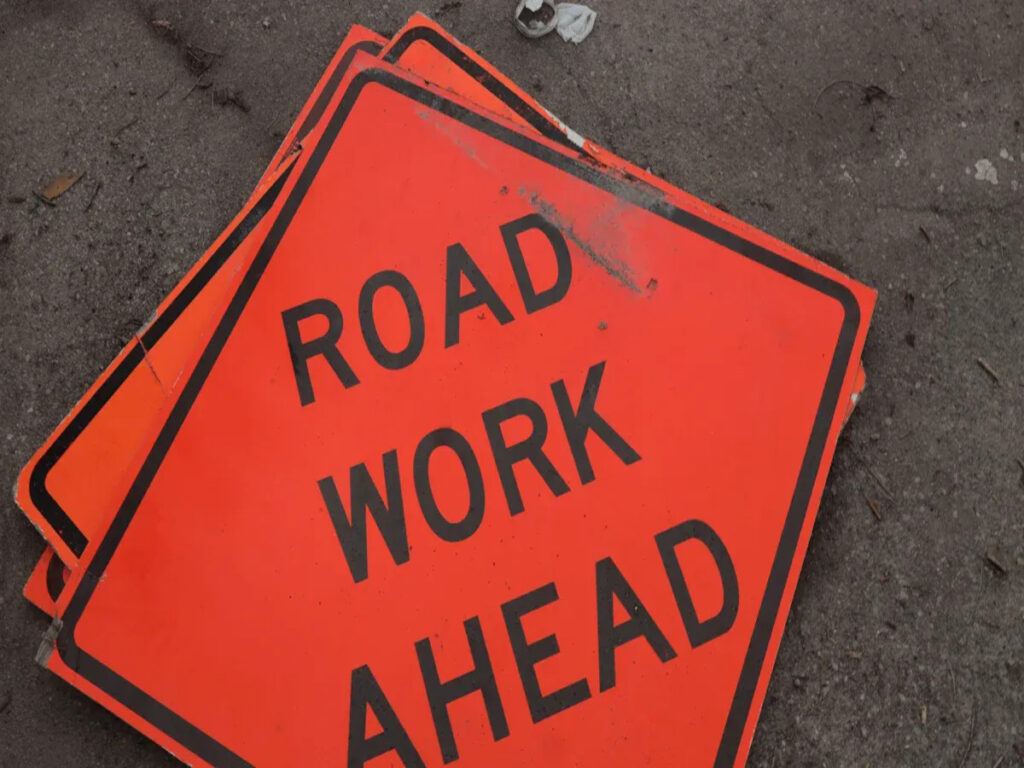
“앞으로 도로 공사”: 건설 구역의 운전자 준비
가장 흔한 경고 신호 중 하나, "앞으로 도로 공사" 표지판, 운전자에게 조기 경보 역할을 함. 공사가 가까워졌다고 경고합니다., 차선 폐쇄에 대비할 수 있도록, 속도 감소, 또는 기타 잠재적인 중단. 이 표지판은 건설 구역에서 수백 피트 앞에 배치되어야 합니다., 교통 속도와 도로 유형에 따라. 적절한 배치는 운전자가 도로에서 속도나 위치를 안전하게 조정할 수 있는 충분한 시간을 제공합니다..
"앞으로의 도로 공사" 표지판은 일반적으로 도로 공사에 대한 보다 구체적인 세부 정보를 제공하는 다른 표지판과 함께 표시됩니다., '차선 폐쇄' 또는 '속도 제한 감소'와 같은.
“앞에서 폐쇄된 차선”: 교통 흐름 관리 및 혼잡 예방
공사로 인해 차선이 폐쇄된 경우, 그만큼 "앞쪽 차선 폐쇄됨" 표지판은 운전자가 다가오는 변화에 대비하는 데 도움이 됩니다.. 이 표지판은 교통 정체를 방지하고 공사 구역 내 차량의 원활한 흐름을 보장하는 데 중요합니다.. 운전자에게 미리 알려줌으로써, 갑작스러운 차선 변경이나 급정거의 위험을 최소화합니다., 사고로 이어질 수 있는 일.
이 표지판은 원활한 차선 합류를 위해 폐쇄된 차선보다 훨씬 앞에 배치되어야 합니다.. 그만큼 mutcd (균일 한 교통 통제 장치 매뉴얼) 차선이 완전히 폐쇄되어 운전자가 다른 차선으로 합류해야 하는 경우 이 표지판을 사용할 것을 제안합니다..
"우회" 및 "우회 경로" 표지판: 건설 구역 주변의 교통 안내
공사로 인해 운전자가 대체 경로를 택해야 하는 경우, 우회 표지판 작업 구역 주변으로 안내하는 데 사용됩니다.. 이러한 표지판은 교통 흐름을 유지하고 지체를 방지하는 데 중요합니다.. 명확하고 잘 표시된 우회 경로는 운전자가 공사 지역을 안전하게 피할 수 있도록 도와줍니다..
우회 표지판 운전자가 혼란 없이 건설 현장을 탐색할 수 있도록 명확하게 표시되어 있고 쉽게 따라갈 수 있어야 합니다.. 우회로는 불필요한 지연을 피하기 위해 가능한 한 직접적으로 이루어져야 합니다..
“제한속도 감소”: 공사지역 안전운전 속도 확보
공사 구역에서는 작업자를 보호하고 사고를 최소화하기 위해 속도 제한을 줄이는 경우가 많습니다.. 운전자에게 변경 사항을 경고하기 위해 작업 구역 앞에 "속도 제한 감소" 표지판을 배치합니다.. 이 표지판은 교통 속도를 안전한 한도 내에서 유지하는 데 중요합니다..
운전자에게 작업 구역을 안내하는 다른 건설 경고 표지판과 함께 이 표지판을 함께 사용하세요.. 또한, 운전자가 공사 구역에 진입하기 전에 속도를 조절할 수 있도록 미리 충분히 멀리 배치하십시오..
“앞에 플래그”: 수동 교통 통제에 대해 운전자에게 경고
어떤 경우에는, 신호수에 의해 교통이 통제되어야 할 수도 있습니다. "신호자 전방" 표지판은 신호자가 건설 구역의 교통을 통제할 것임을 운전자에게 경고합니다.. 이 표지판은 자동화된 신호가 사용되지 않는 상황에서 교통을 관리하는 데 중요합니다..
신호수는 건설 작업 구역을 통해 교통을 안전하게 안내하는 데 중요한 역할을 합니다.. "신호기 전방" 표지판은 운전자가 수동 교통 통제에 대비할 수 있도록 보장합니다., 혼란을 피하고 사고를 예방하는 데 도움이 될 수 있습니다..
“앞으로 일하는 노동자들”: 운전자와 근로자의 안전 유지
"앞에 있는 근로자" 표지판은 건설 근로자가 도로 근처나 도로에서 작업할 수 있음을 운전자에게 경고합니다.. 이 표지판은 운전자가 공사 구역에 접근할 때 속도를 늦추고 주의를 기울이는 데 도움이 됩니다.. 이동하는 교통으로부터 작업자를 보호하는 것이 중요합니다..
"앞에 있는 근로자" 표시는 일반적으로 다른 표시와 함께 사용됩니다. 건설 현장 경고 표지판 작업 구역의 안전을 강화하기 위해.
건설 현장 경고 표시 및 규제 표준
건설 경고 표지판에 대한 MUTCD 지침
그만큼 mutcd (균일 한 교통 통제 장치 매뉴얼) 건설 현장 경고 표지판 사용에 대한 규정을 제공합니다.. 이 지침은 크기를 지정합니다, 놓기, 안전 표준을 충족하는지 확인하기 위한 교통 표지판의 반사 품질. MUTCD 지침을 따르면 작업 구역에서 일관성과 규정 준수를 유지하는 데 도움이 됩니다., 모든 교통 통제 장치가 효과적이고 신뢰할 수 있는지 확인.
건설 현장 경고 표지판에서 반사율의 중요성
야간이나 저조도 조건에서 건설 현장 경고 표지판을 볼 수 있도록 하려면 반사 시트가 필수적입니다.. MUTCD에서는 대부분의 도로 공사 표지판이 야간에도 가독성을 유지하기 위해 역반사되어야 한다고 요구합니다.. 적절한 반사율은 운전자가 충분한 거리에서 표지판을 볼 수 있도록 보장합니다., 비나 안개 등 악천후 속에서도. 다양한 조건에 적합한 반사 등급을 선택하는 방법에 대해 자세히 알아보려면, 블로그를 확인하십시오 야간 건설 현장 표지판에는 어떤 반사 등급을 사용해야 합니까?, 비, 그리고 안개?
건설 현장 경고 표지판을 사용할 때 피해야 할 일반적인 실수
공사 구역에 너무 가깝게 표지판 배치
자본 매출 건설 현장 경고 표지판 실제 작업 영역에 너무 가까운 것은 흔히 저지르는 실수입니다.. 이를 통해 운전자가 반응해야 하는 시간이 줄어듭니다.. 운전자가 속도를 조정하고 필요한 경우 차선을 변경할 수 있도록 충분히 미리 표지판을 배치하십시오..
적절한 반사 시트를 사용하지 않음
품질이 낮거나 불충분한 반사 재료를 사용하면 건설 현장 경고 표지판 읽기 어렵습니다, 특히 밤이나 날씨가 좋지 않습니다. 작업 구역의 예상 가시성 조건에 따라 올바른 역반사 수준을 선택하는 것이 중요합니다.. 고품질 반사 시트를 사용하여 모든 조건에서도 표지판을 계속 볼 수 있습니다..
프로젝트의 여러 단계에서 간판 업데이트를 무시함
건설사업이 진행되면서, 교통 흐름 및 필수 경고 변경. 프로젝트가 여러 단계를 거치면서 건설 표지판을 업데이트하는 것이 중요합니다.. 그렇지 않으면 혼란을 야기하고 사고로 이어질 수 있습니다..
효과적인 건설 현장 경고 표지판을 위한 모범 사례
단순 사용, 명확한 메시지
가장 효과적인 건설 현장 경고 표지판 간단하고 이해하기 쉽다. 운전자에게 혼란을 줄 수 있는 과도한 텍스트나 복잡한 기호를 사용하지 마세요.. 분명한, concise messaging ensures that drivers can quickly grasp the warning and adjust their driving accordingly.
Ensure Proper Placement and Height
Proper placement and height are crucial for making 건설 현장 경고 표지판 보이는. Signs should be placed at eye level and far enough in advance to give drivers ample time to react. Placing signs at the right height ensures they are visible to drivers of all vehicles, 트럭과 버스를 포함한.
결론
권리를 선택합니다 건설 경고 표지판 for your work zone is essential for ensuring safety and maintaining traffic flow. From road work ahead to speed limit reductions, each sign plays a key role in communicating hazards and guiding drivers through the construction site. MUTCD 지침을 준수하여, using the right reflective materials, and ensuring proper sign placement, 계약자는 프로젝트 기간 동안 사고를 최소화하고 작업자와 운전자를 안전하게 보호할 수 있습니다..
FAQ
가장 일반적인 유형의 건설 경고 표지판은 무엇입니까??
가장 일반적인 유형에는 "앞으로의 도로 공사"가 포함됩니다., "앞쪽 차선 폐쇄됨", "우회", 그리고 "속도 제한 감소" 표지판. 이 표지판은 운전자에게 도로 상황의 변화를 알리고 교통 흐름을 안전하게 관리하는 데 도움이 됩니다..
건설 현장 경고 표지판이 효과적인지 어떻게 확인할 수 있나요??
운전자가 반응할 시간을 줄 수 있도록 일찍 표지판을 배치하세요., 저조도 또는 악천후에서 가시성을 확보하기 위해 적절한 반사 시트를 사용하십시오., 프로젝트가 진행됨에 따라 표지판을 정기적으로 업데이트합니다..
건설현장 경고표지판에 대한 규정이 있나요??
예, MUTCD는 건설 현장 경고 표지판에 대한 엄격한 규정을 제시합니다., 배치를 포함하여, 크기, 반사 품질. 이러한 지침을 준수하는 것은 안전 및 법적 요구 사항에 매우 중요합니다..