The Australian construction and demolition sector is responsible for generating over 27 million tonnes of waste annually, according to the latest National Waste Report. As state governments tighten landfill levies and Tier 1 infrastructure contracts increasingly mandate strict Environmental, 사회의, 및 거버넌스 (ESG) 규정 준수, the management of temporary site materials has come under intense scrutiny.
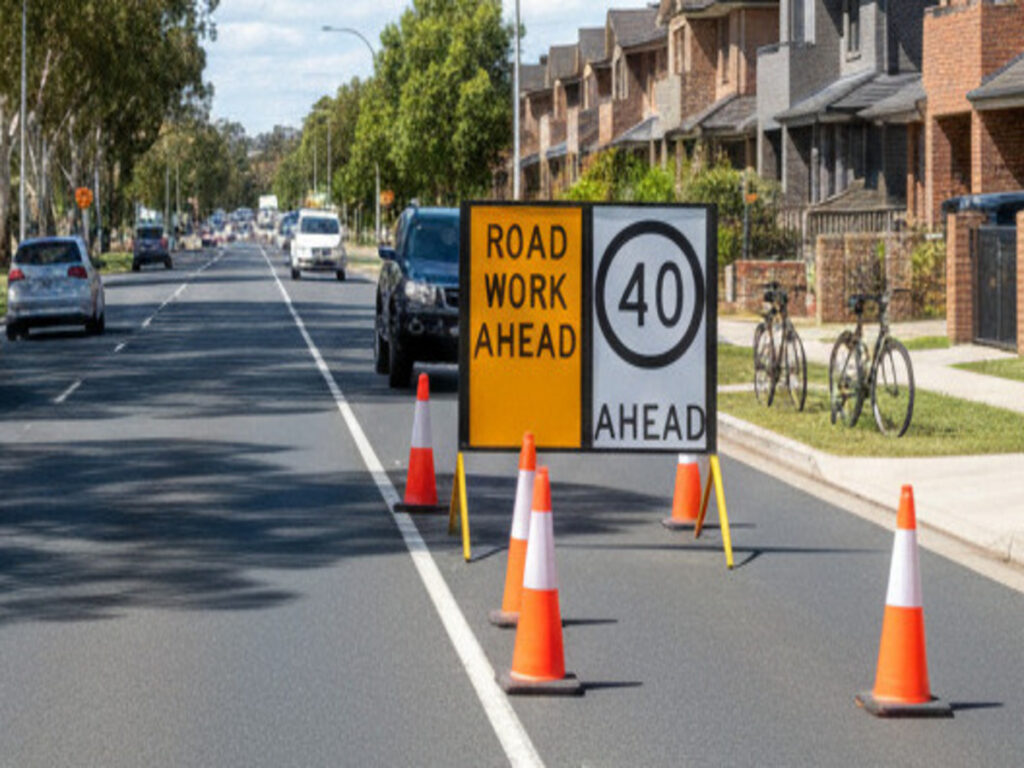
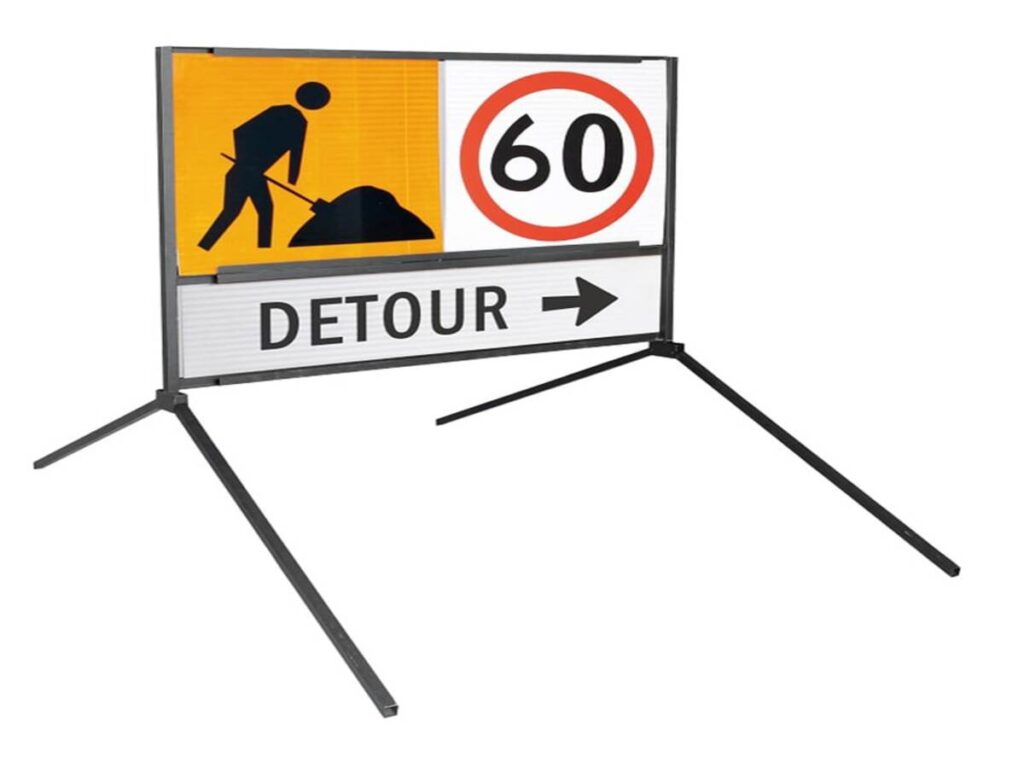
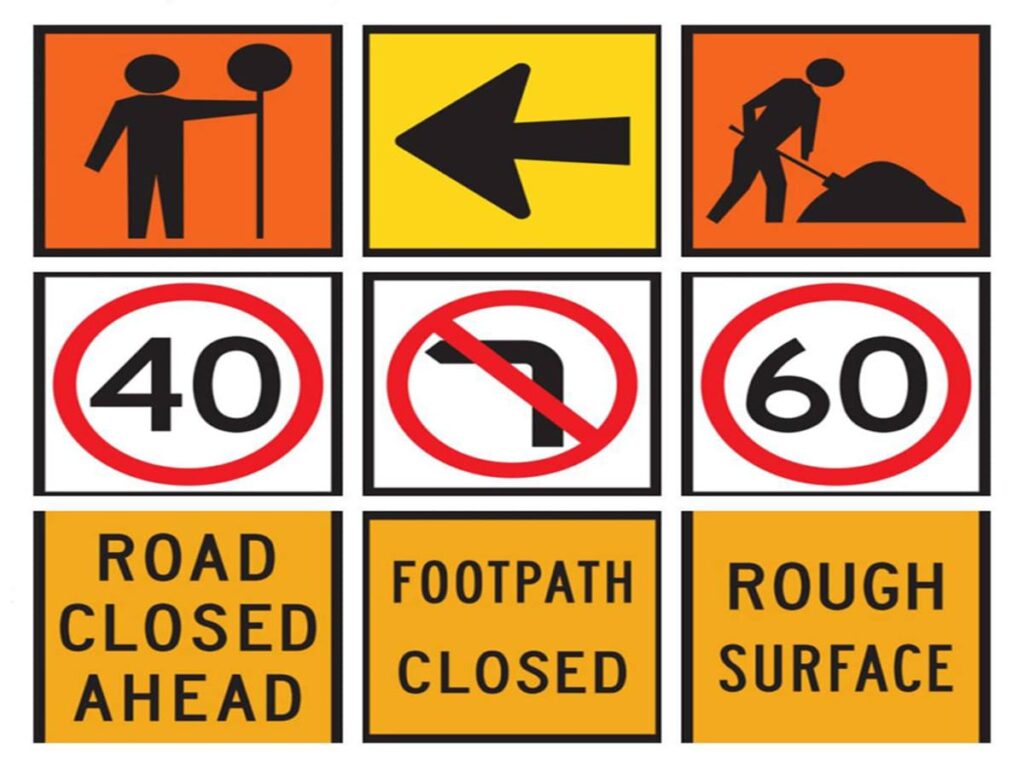
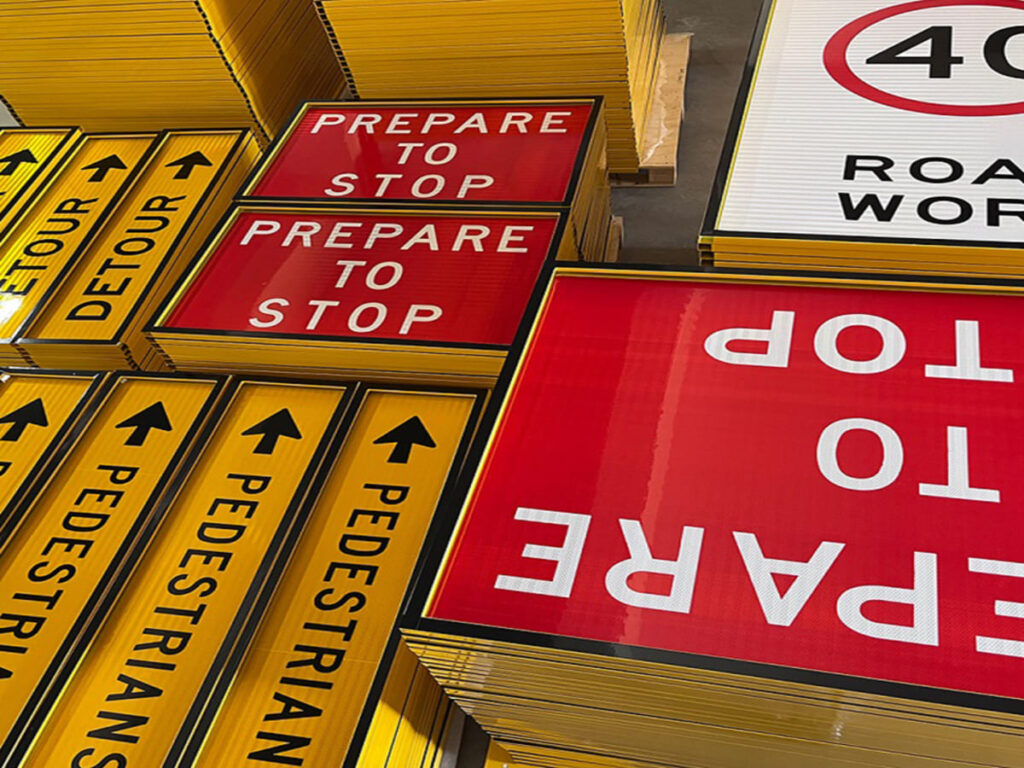
Among these materials, corflute construction signs represent a significant volume of plastic waste. Historically, these essential safety tools were viewed as single-use items, discarded into general waste skips at the conclusion of a project. 하지만, this linear “take-make-waste” model is no longer acceptable.
To achieve “Net Zero” site operations, project managers must implement a robust strategy for recycling Corflute signage. By understanding the material properties of custom corflute signs and partnering with suppliers like 광학적 who prioritise high-quality, 재활용 가능한 재료, Australian contractors can turn a potential environmental liability into a sustainability asset.
The Environmental Imperative for Recycling Corflute Signage
The push for sustainability is not merely ethical; it is commercial. Major projects funded by bodies such as Transport for NSW or Victoria’s Major Transport Infrastructure Authority (MTIA) now link progress payments to environmental performance metrics.
Addressing the Volume of Corflute Construction Signs
A typical highway upgrade or metro tunnel project utilises thousands of corflute construction signs over its lifecycle. If these signs are manufactured from low-grade, mixed plastics, they end up as landfill, taking centuries to degrade.
하지만, when a site implements a dedicated protocol for recycling Corflute signage, this waste stream is diverted. This diversion contributes directly to the “Construction and Demolition Waste” management plans required for Green Star 평가. 따라서, the choice of custom corflute signs becomes a strategic procurement decision that influences the overall environmental compliance of the project.
The Material Science: Why Custom Corflute Signs Are Recyclable
To execute a successful recycling program, site engineers must understand the polymer chemistry behind the signage. Not all plastic signs are created equal, and contamination is the enemy of the circular economy.
The Role of Polypropylene (pp) 암호 5
전문가급 custom corflute signs are manufactured from Polypropylene (pp), identified globally by the Resin Identification Code 5. PVC와 달리 (폴리 비닐 클로라이드) or composite laminates which are difficult to separate, Polypropylene is a thermoplastic polymer. This means it can be melted down, reformed, and cooled without undergoing significant chemical degradation.
언제 recycling Corflute signage, the material undergoes a mechanical process:
- Granulation: 그만큼 corflute construction signs are shredded into small flakes.
- Washing: Impurities (흙, grit from the road) are removed.
- Pelletisation: The flakes are melted and extruded into small, uniform pellets.
- Remanufacturing: These pellets are sold to manufacturers to create new industrial products, such as underground cable covers, garden beds, or even new corflute construction signs with recycled content.
Why Material Quality Matters for Recycling Corflute Signage
For the recycling process to be economically viable, the input material—the corflute construction signs—must be of consistent quality. 값이 싼, imported signage often contains heavy fillers (calcium carbonate) to reduce cost, or utilises layers of non-compatible plastics. These impurities lower the quality of the recycled resin.
광학적 specifies high-quality 5mm custom corflute signs. By starting with a superior raw material that is free from excessive fillers, the end-of-life plastic retains a higher market value for recyclers, 보장 recycling Corflute signage is a practical reality rather than just a theoretical goal.
그만큼 “Reduce” 원칙: Why Durability Equals Sustainability
In the waste hierarchy, “Reduce” precedes “Recycle.” Project managers minimise their environmental footprint most effectively by extending the operational life of materials.
Specifying Quality for Custom Corflute Signs
Procurement teams often prioritise the lowest unit cost over longevity. 하지만, low-grade custom corflute signs degrade rapidly under the Australian UV index. They become brittle and “분필” within months. This failure forces site managers to replace signage frequently, which triples the plastic waste volume generated by a single project.
By specifying 5mm high-quality corflute construction signs with adequate UV stabilisation, contractors ensure the signage remains structural and compliant for the entire duration of the works. A sign that lasts 24 months creates significantly less waste than a cheap alternative that requires replacement every six months. This strategy directly reduces the burden on recycling Corflute signage streams.
Implementing a Site-Based Protocol for Recycling Corflute Signage
Commercial viability for recycling Corflute signage depends on a clean, separated waste stream. Mixing plastic signs with general construction rubble (콘크리트, timber, 강철) contaminates the load and prevents recovery.
Source Segregation at the Site Compound
Effective recycling begins at the toolbox talk. Site supervisors must establish a dedicated workflow for decommissioning corflute construction signs.
- De-framing: Workers must separate the polypropylene board from metal frames or timber stakes. The steel frames go to the metal skip; the boards go to the plastic stream.
- Dedicated Storage: Allocate a specific cage or bulka bag in the site compound strictly for custom corflute signs. Label these bins clearly to stop workers from throwing general crib room waste (like food wrappers) in with the plastic.
- Volume Reduction: Unlike rigid materials, corflute construction signs lie flat. Stack them neatly rather than throwing them loosely. This stacking maximises load density and reduces the truck movements needed to transport material to the recycling facility.
Managing Contaminants in Corflute Construction Signs
Recyclers need a relatively pure feedstock to produce high-quality pellets. While industrial shredders handle minor impurities, site crews should perform basic preparation before recycling Corflute signage.
- Remove Eyelets: 만약에 custom corflute signs utilise metal eyelets, punch them out or cut them off.
- Strip Heavy Adhesives: While standard vinyl lettering generally passes, heavy structural tapes or large patches of non-PP glue clog filtration screens during the re-melting process.
- Clean Excess Mud: Processors often reject signs heavily caked in dried mud or concrete slurry. A quick hose-down ensures the facility accepts the material.
루프 닫기: The End Market for Recycled Signage
The circular economy relies on demand. When Tier 1 contractors send corflute construction signs for recycling, the resulting polypropylene pellets become a valuable commodity, not waste.
Australian manufacturers increasingly use this “re-grind” material to produce non-structural site equipment, such as safety bollard bases, underground cable covers, and wheel chocks. By integrating recycling Corflute signage into the project’s waste management plan, the construction industry supplies its own raw materials for future products. This closes the loop and reduces reliance on virgin fossil fuels.
결론: Integrating Sustainability into Site Safety
Environmental responsibility is no longer optional in the Australian infrastructure sector. Tier 1 contractors and government bodies now demand rigorous waste management plans. Recycling Corflute signage represents a “low-hanging fruit” for firms looking to improve their sustainability credentials immediately without compromising on-site safety.
Project managers must shift their mindset. Instead of viewing signage as a disposable consumable, treat corflute construction signs as a recoverable asset. By selecting high-quality custom corflute signs that resist early degradation, and implementing a robust end-of-life recovery plan, construction firms protect both their workforce and the environment.
Frequently Asked Questions about Sustainable Signage
일반적으로, 아니요. While custom corflute signs consist of recyclable Polypropylene (암호 5), most municipal kerbside recycling programs only process household packaging (bottles and containers). For industrial volumes of corflute construction signs, contractors must engage commercial waste providers who offer dedicated plastic recovery services.
꼭 그런 것은 아니다. Most industrial-scale plastic recyclers use advanced shredding and float-sink tanks to separate materials. 하지만, Optraffic recommends removing large sections of reflective film where possible. This simple step significantly improves the purity of the recycled polypropylene pellets.
자주, 예. State governments across Australia continue to raise landfill levies to discourage waste dumping. 따라서, sending sorted corflute construction signs to a specialized plastic recycler often costs less per tonne than paying the high “gate fees” at general mixed-waste transfer stations.