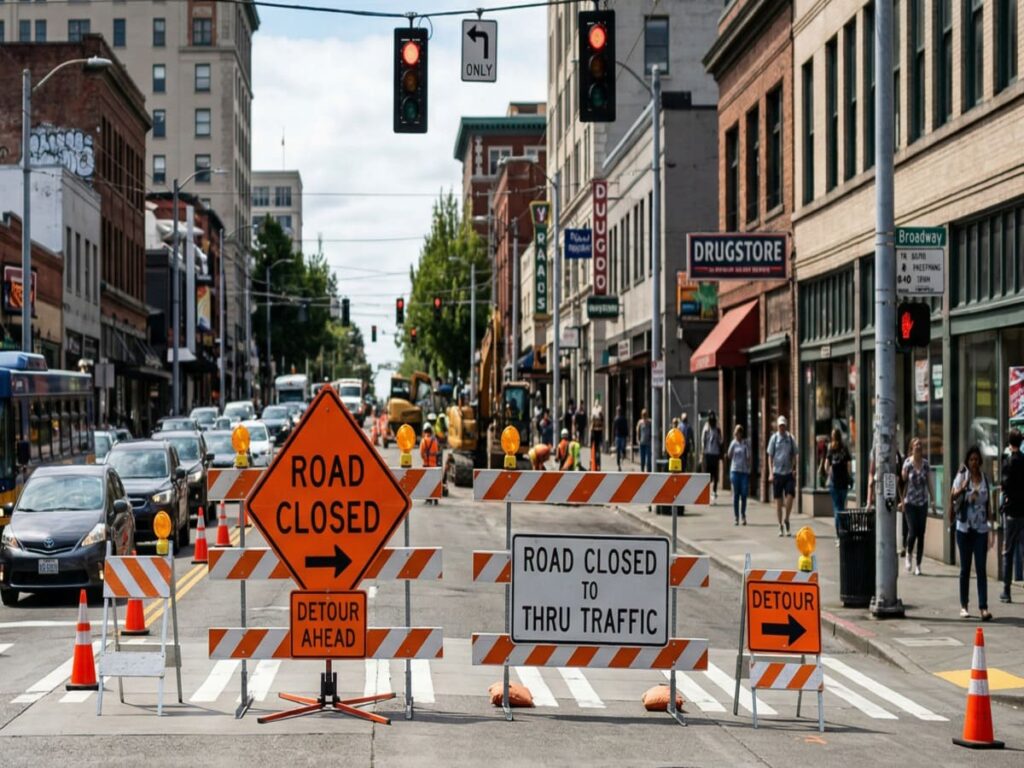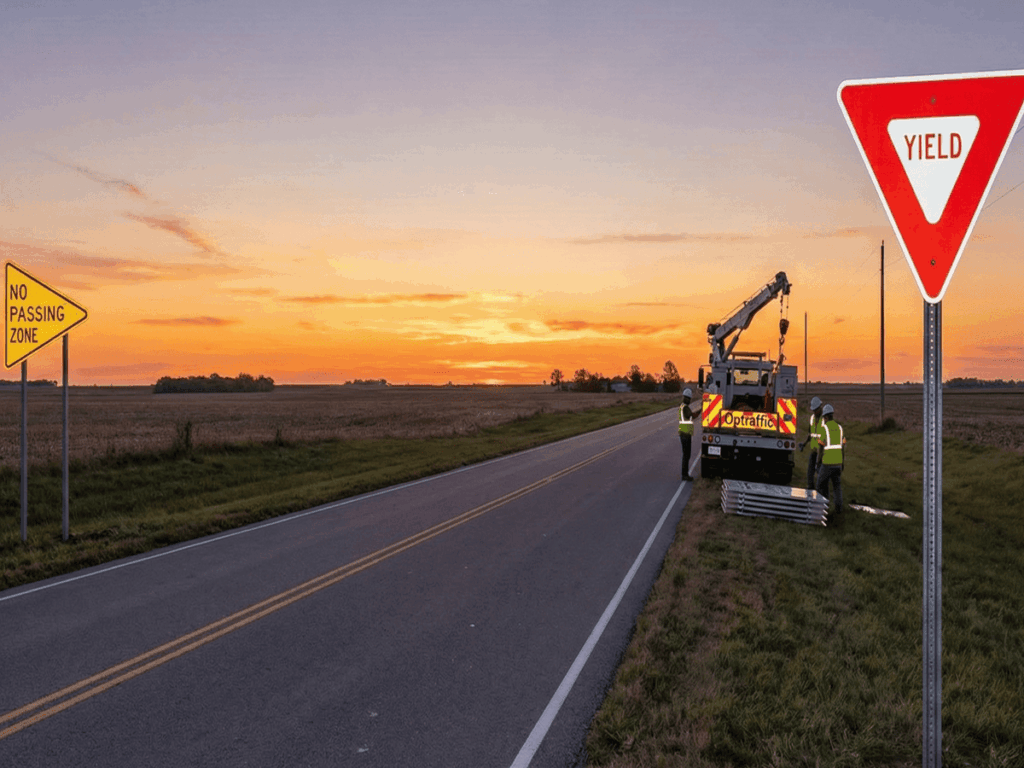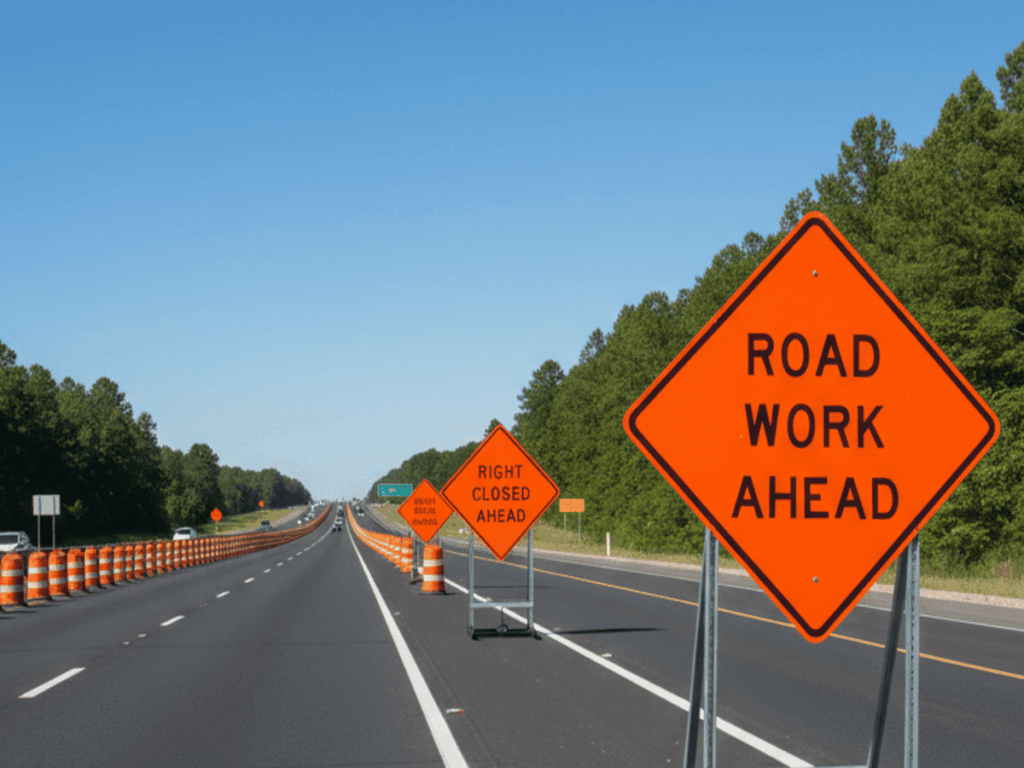
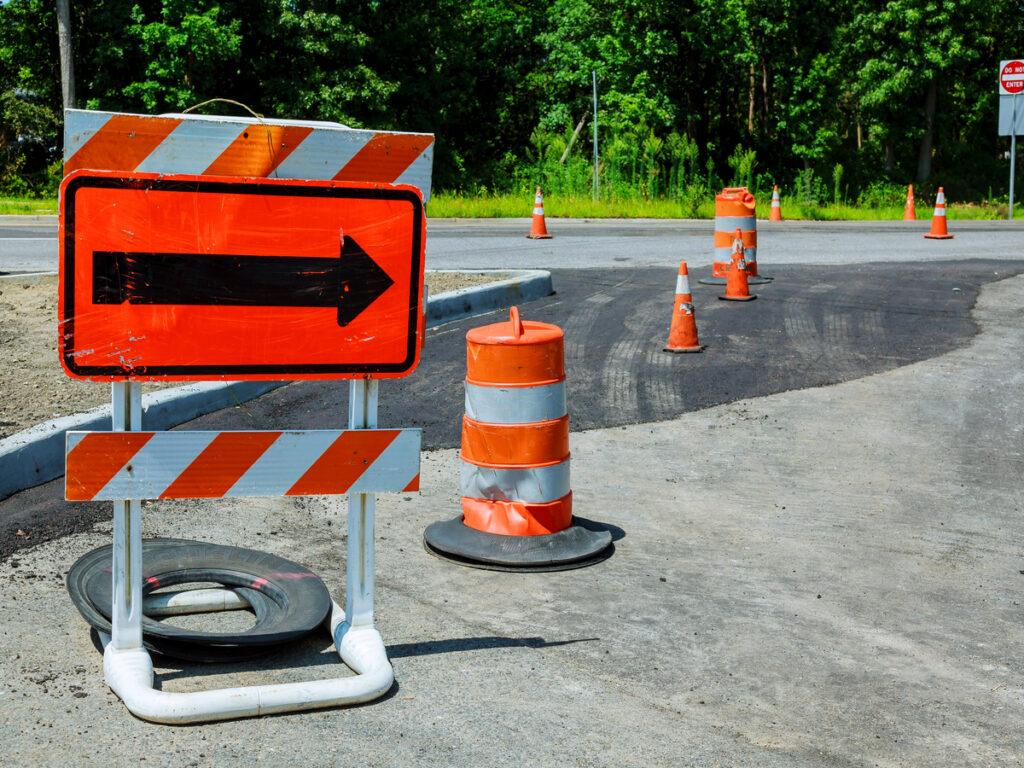
테이퍼 채널화는 운전자가 건설 구역에서 천천히 차선을 병합하거나 변경해야 할 때 가장 좋습니다.. 탄젠트 채널화는 자동차가 직진하도록 돕고 교통 흐름을 안정적으로 유지합니다.. 채널화 장치 두 가지 측면 모두에서 매우 중요합니다. 충돌을 막고 사람들이 다치는 것을 방지하는 데 도움이 됩니다..
주요 테이크 아웃
- 테이퍼 채널화는 운전자가 작업 구역에서 안전하게 차선을 변경할 수 있도록 도와줍니다..
- 탄젠트 채널화로 자동차가 직진하게 됩니다.. 오랫동안 가장 잘 작동합니다., 차선 변경이 없는 직선 작업 구역.
- 채널화 장치는 올바른 간격으로 배치되어야 합니다.. 자동차가 더 빨리 가면, 안전을 위해 기기는 더 가까이 있어야 합니다..
- 운전자는 채널화 장치를 쉽게 볼 수 있어야 합니다.. 밝은 색상과 빛나는 소재는 운전자가 변화를 빠르게 확인할 수 있도록 도와줍니다..
- 작업자는 채널화 장치를 자주 점검하고 수리해야 합니다.. 이렇게 하면 모든 사람이 안전하게 작동할 수 있습니다..
작업 구역의 장치 채널화
채널화 장치 교통 통제에 매우 중요합니다. 운전자를 안내하고 작업 구역에서 사람들을 안전하게 보호하는 데 도움이 됩니다.. 몇 가지 예는 다음과 같습니다 원뿔, 드럼, 수직 패널, 차선 분리대, 관형 마커, 그리고 솟아오른 섬. 각 장치는 밝기에 대한 규칙을 따라야 합니다., 큰, 그리고 컬러풀해요. 밤에, 이러한 장치는 운전자가 볼 수 있도록 빛을 내거나 내부에 조명이 있어야 합니다..
테이퍼 채널화 방법
테이퍼 채널화는 장치를 사용하여 자동차가 한 차선에서 다른 차선으로 이동할 수 있도록 돕습니다.. 작업자는 이러한 장치를 비스듬한 선에 배치합니다.. 이는 운전자가 안전하게 차선을 병합하거나 변경하는 데 도움이 됩니다.. 테이퍼 종류도 다양해요, 테이퍼 병합 및 테이퍼 이동과 같은. 장치 사이의 공간은 속도 제한에 따라 다릅니다.. 그만큼 mutcd 공간이 제한 속도(피트)를 초과하면 안 된다고 말합니다.. 이는 빠른 차선 변경을 방지하고 교통 흐름을 원활하게 유지하는 데 도움이 됩니다..
탄젠트 채널화 방법
접선 채널화는 작업 구역에서 자동차가 직진하도록 유지합니다.. 작업자는 차량을 안내하기 위해 장치를 일직선으로 배치합니다.. 이는 자동차가 차선을 변경할 필요가 없을 때 가장 효과적입니다.. Tangent 채널화는 긴 채널에서 사용됩니다., 직선 작업 구역 또는 자동차가 한 차선에 머물러야 하는 경우. MUTCD에 따르면 장치 사이의 공간은 속도 제한(피트)의 두 배를 넘지 않아야 합니다.. 이는 운전자가 올바른 방향을 유지하고 혼란을 겪지 않도록 도와줍니다..
안전에 대한 주요 차이점
테이퍼 또는 접선 채널화를 선택하면 작업 구역의 안전이 변경됩니다.. 테이퍼 채널화는 운전자가 새로운 차선 패턴에 익숙해지도록 도와줍니다.. 탄젠트 채널화는 운전자가 직진하도록 유지합니다.. MUTCD에는 두 가지 모두에 대한 규칙이 있습니다., 장치가 얼마나 멀리 떨어져 있어야 하는지, 얼마나 쉽게 볼 수 있는지 등. 직장이 교통에 가까운 경우, 안전을 위해 더 많은 장치가 필요합니다. 이러한 장치를 올바른 방법으로 사용하면 작업자와 운전자를 보호하는 데 도움이 됩니다.. 규칙을 따르면 공사 구역 내 모든 사람이 안전하게 지낼 수 있습니다..
교통 안전을 위한 채널화 선택
속도 및 장치 간격
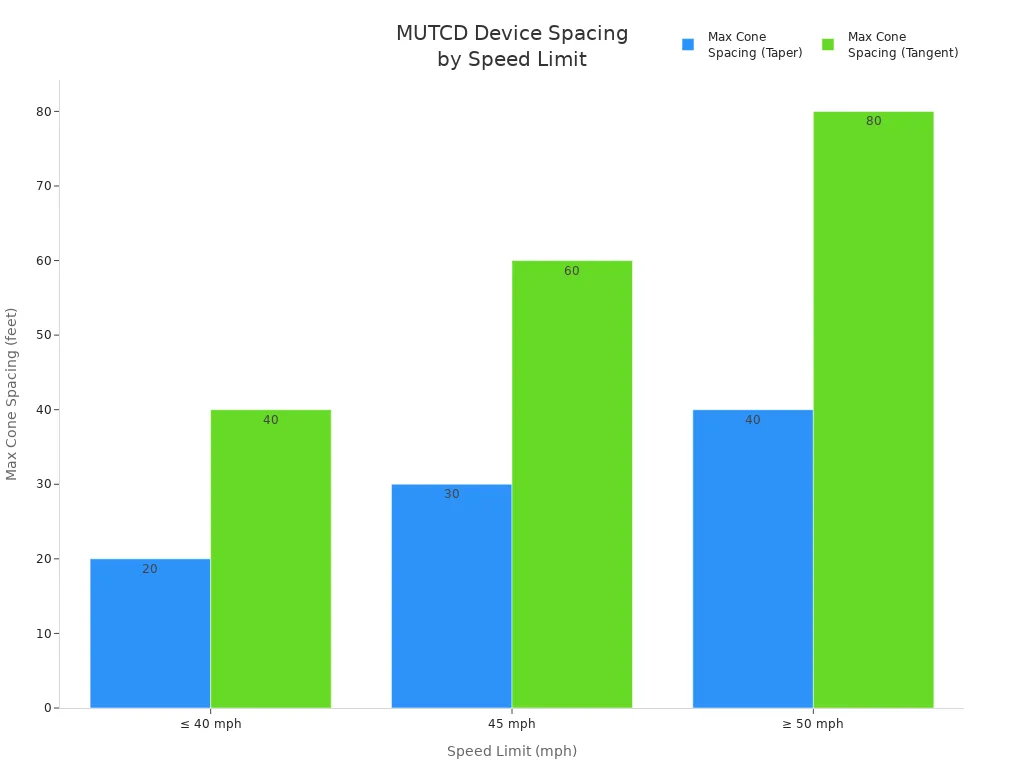
작업자가 채널화 장치를 설정할 때 속도가 중요합니다.. 자동차가 빨리 달리면, 좋다 45 MPH 이상, 장치는 서로 더 가까워야 합니다. 이것은 모든 사람을 안전하게 유지하는 데 도움이됩니다. 근로자는 자동차로부터 자신을 보호하기 위해 적극적인 보호 장치를 사용합니다.. MUTCD는 장치가 얼마나 떨어져 있어야 하는지에 대한 규칙을 제공합니다.. 아래 표는 다양한 속도에서 테이퍼 및 접선 채널화의 원뿔에 허용되는 가장 큰 공간을 보여줍니다..
| 속도 (MPH) | 최대 원뿔 간격 (작은 초) 피트 단위 | 최대 원뿔 간격 (접선) 피트 단위 |
|---|---|---|
| ≤ 40 | 20 | 40 |
| 45 | 30 | 60 |
| ≥ 50 | 40 | 80 |
작업 구역 레이아웃 및 교통량
작업 구역의 모양과 그곳을 사용하는 차량의 수는 중요합니다.. 이러한 사항은 작업자가 최상의 채널화 방법을 선택하는 데 도움이 됩니다.. 연구에 따르면 장치 간격은 장치 작동 방식을 변화시킬 수 있습니다.. 그러나 유형이나 간격은 운전자가 차선을 전환하는 방식을 바꾸지 않습니다.. 작업자는 운전자가 잘 볼 수 있도록 하고 작업에 적합한 장치를 선택할 수 있도록 해야 합니다.. 혼잡한 도로에는 자동차를 안내하기 위해 더 크고 더 밝은 장치가 필요합니다.. 접선 채널화는 직선 작업 구역에서 사용됩니다.. 테이퍼 채널화는 자동차가 차선을 병합하거나 변경해야 하는 경우에 사용됩니다..
팁: 항상 작업 구역과 사용 차량 수에 맞는 채널화 방법을 선택하세요..
가시성 및 유지 관리
채널화 장치는 건설 구역에서 쉽게 볼 수 있어야 합니다.. 운전자가 변화를 인지하고 빠르게 반응할 수 있도록 도와주는 눈에 띄는 장치. 반사 표면 그리고 경고등 기기를 더 쉽게 볼 수 있도록 하세요, 특히 밤에. 드럼, 수직 패널 등 대형 장치는 눈에 잘 띄고 쉽게 넘어지지 않습니다.. 최신, 키가 큰 콘은 강력하고 사용이 간편합니다.. 작업자는 장치를 깨끗하게 유지해야 합니다., 올바른 장소에, 깨진 것을 고치거나 교체하십시오.. 물이 채워진 종방향 채널화 장치는 충격을 줄이고 사물을 더욱 안전하게 만들 수 있습니다..
- 운전자가 이를 보고 지시를 따르도록 밝은 장치를 사용하십시오..
- 장치가 잘 작동하도록 자주 점검하고 수리하십시오..
- 가능하다면 새롭고 안전한 장치를 선택하세요.
올바른 채널화를 선택하고 장치를 관리하면 건설 구역에서 작업자의 안전과 교통 흐름이 유지됩니다..
임시 교통 통제의 실제 적용
테이퍼 채널화를 사용해야 하는 경우
테이퍼 채널화는 자동차가 차선을 변경하거나 합류해야 할 때 도움이 됩니다.. 작업자는 차선이 이동하거나 폐쇄되는 장소에서 테이퍼를 사용합니다.. 테이퍼는 차선 변경 및 신호 설정을 통해 운전자를 안내합니다.. 건설 구역에서, 테이퍼는 자동차가 한 차선에서 다른 차선으로 안전하게 이동할 수 있도록 도와줍니다.. 테이퍼는 경고 표지판 및 임시 표지판 근처에서 사용됩니다.. 교통량이 분할되어야 하는 지역에서 가장 잘 작동합니다., 차선 폐쇄 또는 우회 시작 시 등.
예를 들어, 고속도로 차선이 폐쇄되면, 병합 테이퍼는 자동차를 열린 차선으로 안내합니다.. 작업자는 속도와 MUTCD 규칙에 따라 테이퍼 길이를 측정합니다.. 바쁜 도시에서, 플래그 테이퍼는 짧은 폐쇄 기간 동안 트래픽을 제어하는 데 도움이 됩니다.. 테이퍼는 차선이 바뀌는 곳에서도 도움이 됩니다., 운전자와 근로자의 안전을 지키는. 콘, 드럼, 바리케이드는 테이퍼를 표시하고 운전자에게 경고합니다..
날씨는 테이퍼 채널화가 작동하는 방식을 바꿀 수 있습니다.. 안개나 눈으로 인해 앞이 잘 보이지 않습니다. 장치의 지속적 연소 표시등은 운전자의 시야를 더 좋게 해줍니다.. 장치를 올바른 위치에 유지하고 수정하면 트래픽 이동에 도움이 되고 혼란을 방지할 수 있습니다..
탄젠트 채널화를 사용해야 하는 경우
접선 채널화는 자동차가 작업 구역을 직진할 때 가장 좋습니다.. 작업자는 오랫동안 접선 방법을 사용합니다., 직선 지역. 접선 채널화는 자동차가 한 차선에서 계속 이동하도록 합니다.. 장치는 MUTCD 규칙에 따라 간격이 지정됩니다..
예를 들어, 도로 재포장 프로젝트에서, 작업자는 콘과 드럼을 직선으로 배치합니다.. 이는 차량을 차선에 유지하고 교통 통제에 도움이 됩니다.. 탄젠트 채널화는 테이퍼 이후에도 도움이 됩니다., 운전자에게 작업 구역 안내.
시계 접선 채널화에 중요합니다.. 기기는 깨끗해야 합니다., 일어 서서, 그리고 반사. 폭우 속에서, 작업자는 운전자가 볼 수 있도록 경고등을 추가합니다.. 스마트 신호 및 디지털 마커와 같은 기술은 교통을 통제하고 사람들을 안전하게 지키는 데 도움이 될 수 있습니다.. 이 도구는 실시간으로 드라이버 업데이트를 제공합니다..
결정 가이드
테이퍼 또는 접선 채널화 선택은 여러 가지에 달려 있습니다.. 이 체크리스트를 사용하여 각 계획에 적합한 방법을 선택하세요.:
| 결정 요인 | 테이퍼 채널화 | 탄젠트 채널화 |
|---|---|---|
| 차선 변경 필요 | ✔️ | |
| 차선 테이퍼 또는 플래깅 테이퍼 | ✔️ | |
| 직선적인 교통 흐름이 필요함 | ✔️ | |
| 현재 전환 영역 | ✔️ | ✔️ |
| 높은 트래픽 볼륨 | ✔️ | ✔️ |
| 고급 경고 영역이 필요함 | ✔️ | ✔️ |
| 날씨가 가시성에 영향을 미칩니다 | ✔️ | ✔️ |
| 임시공사 간판 | ✔️ | ✔️ |
| 테이퍼 길이 측정 | ✔️ |
팁: 항상 작업 영역에 맞는 채널화를 선택하세요., 교통, 및 전환 영역.
일반적인 실수
일반적인 실수에는 잘못된 장치 간격이 포함됩니다., 잘못된 테이퍼 길이, 경고가 충분하지 않습니다. 연구에 따르면 이러한 실수는 충돌과 부상을 초래할 수 있습니다.. 예를 들어, 496 NYSDOT 구역에서 충돌이 발생했습니다. 1994-1996. 3분의 1이 관련 교통 통제 장치, 그리고 37% 심각한 부상을 입혔습니다. 콘크리트 장벽은 사람들에게 심각한 해를 끼칠 수 있습니다., 하지만 물을 채운 장치는 더 안전합니다. 길가 디자인 가이드에서는 보호 장치 없이 물체에 부딪히는 것보다 충돌이 덜 심각한 경우에만 장벽을 사용하라고 나와 있습니다..
| 증거 유형 | 세부 |
|---|---|
| 작업 구역 충돌 | 496 NYSDOT에서 충돌이 발생했습니다. 1994-1996, 3분의 1은 교통 통제 장치와 관련되어 있으며 37% 심각한 부상을 초래하다. |
| 장벽 안전 | 임시 콘크리트 장벽은 충격 시 높은 G 힘으로 인해 심각한 부상을 초래할 수 있습니다., 물을 채운 장치는 이러한 위험을 줄입니다.. |
| 권장 사례 | 도로변 디자인 가이드에서는 보호막이 없는 물체에 비해 충돌 심각도를 줄일 때만 장벽을 사용해야 한다고 조언합니다.. |
공간 및 유지 관리
교통 엔지니어들은 적절한 장치 간격과 유지 관리가 매우 중요하다고 말합니다.. 장치가 간격을 두고 배치될 때 차선 변경은 테이퍼에서 멀어질수록 더 자주 발생합니다. 40 모든 것 대신에 발 80 피트. 잘못된 배치와 잘못된 관리로 인해 기기의 유용성이 떨어집니다..
| 공부하다 | 결과 |
|---|---|
| 코트렐 (1981) | 운전자의 차선 변경 반응은 작업 구역 테이퍼에 사용된 채널화 장치에 크게 의존하지 않았습니다.. 장치가 간격을 두고 배치될 때 테이퍼로부터 더 먼 거리에서 차선 변경이 더 자주 발생했습니다. 40 피트에 비해 80 피트. |
| 통증 등. (1981) | 대부분의 장치는 비교적 성공적인 감지 및 경로 안내 성능을 보여줍니다., 그러나 잘못된 위치 지정 및 유지 관리로 인해 효율성이 크게 저하될 수 있습니다.. |
날씨도 채널화 선택에 중요합니다. 안개 나 비에, 지속 연소 조명은 운전자가 테이퍼와 접선 영역을 더 잘 볼 수 있도록 도와줍니다..
| 문맥 | 증거 |
|---|---|
| 기상 조건 | 문헌에 따르면 악천후로 인해 가시성이 저하되는 환경에서, 오른쪽 차선 폐쇄에 사용되는 모든 채널화 장치에 지속등 배치를 고려해야 합니다.. |
기술로 인해 작업 구역의 임시 교통 통제가 개선되었습니다.. 자동 교통 통제 시스템 (ATCS) 실시간 센서와 카메라를 사용하여 교통 흐름을 모니터링하여 작업 구역의 안전을 강화합니다.. 이러한 시스템은 교통량에 따라 신호 타이밍을 동적으로 조정할 수 있습니다., 트래픽 관리 개선. 스마트 신호, AI와 통합, 긴급 차량의 우선순위를 정하고 변화하는 교통 패턴에 적응할 수 있습니다., 혼잡 최소화. 디지털 마커, 좋다 OPTRAFFIC 가변 메시지 표시 (VMS), 운전자에게 차선 폐쇄 또는 위험에 대한 최신 정보를 제공합니다.. 추가적으로, 차량-인프라 (v2i) 통신을 통해 자동차는 다가오는 건설 구역에 대한 알림을 받을 수 있습니다., 운전자가 시간에 맞춰 속도를 늦추고 사고를 피할 수 있도록 지원.
올바른 채널화 방법을 선택하려면 몇 가지 중요한 사항에 대해 생각해야 합니다.. 테이퍼는 자동차가 안전하게 차선을 변경할 수 있도록 도와줍니다.. 작업자는 속도와 도로 형태에 맞게 테이퍼를 적절한 길이로 만들어야 합니다.. 접선 채널화는 자동차가 멈추지 않고 직진할 때 좋습니다.. MUTCD 규칙은 장치가 안전한지 확인하고 운전자가 주의를 기울이도록 돕습니다..
이 규칙을 따르면, 근로자와 운전자는 모든 건설 구역에서 안전을 유지합니다. 최고 수준의 안전과 규정 준수를 보장하기 위해, 광교통 다양한 고품질 채널화 장치를 제공합니다., 업계 표준을 충족하는 내구성 있고 안정적인 옵션 포함. 트래픽 채널화 장치를 직접 구입할 수 있습니다. 광교통, 맞춤형 서비스를 제공하는 곳, 건설 현장의 가장 까다로운 조건도 견딜 수 있도록 설계된 내구성 있는 솔루션.
FAQ
건설 구역에서 테이퍼 채널화와 접선 채널화의 주요 차이점은 무엇입니까?
테이퍼 채널화는 운전자가 새로운 차선으로 이동하거나 합류하는 데 도움이 됩니다.. 탄젠트 채널화(Tangent Channelization)로 인해 자동차는 계속해서 직진하게 됩니다.. 작업자는 두 가지 모두를 사용하여 건설 구역을 더욱 안전하게 만들고 교통 흐름을 유지합니다..
건설 중 작업자가 테이퍼 채널화를 사용해야 하는 경우는 언제입니까??
작업자는 차선이 닫히거나 이동할 때 테이퍼 채널화를 사용합니다.. 이는 운전자가 다른 차선으로 안전하게 합류하는 데 도움이 됩니다.. 테이퍼 채널화는 차선 폐쇄 또는 우회 시작 시 사용됩니다..
탄젠트 채널화가 건설 프로젝트에 어떻게 도움이 됩니까??
접선 채널화를 통해 작업 구역에서 자동차가 직선으로 계속 이동합니다.. 직장인들이 오랫동안 사용하는, 직선 지역. 이 방법은 교통 상황을 안정적으로 유지하고 운전자의 혼란을 방지하는 데 도움이 됩니다..
건설 채널화에서 장치 간격이 중요한 이유?
적절한 장치 간격을 통해 운전자는 변경 사항을 조기에 확인할 수 있습니다.. 노동자들이 따라온다 mutcd 규칙 장치가 얼마나 멀리 떨어져 있는지. 이것은 충돌을 멈추고 모든 사람을 안전하게 유지하는 데 도움이됩니다.
건설 구역에서 채널화 장치를 유지하기 위해 작업자는 무엇을 해야 합니까??
작업자는 장치를 깨끗하고 쉽게 볼 수 있도록 유지해야 합니다.. 기기를 자주 확인하고 고장난 기기를 수리하거나 교체합니다.. 잘 관리하면 장치가 작업 구역을 통해 차량을 안전하게 안내할 수 있습니다..
팁: 장치를 확인하고 업데이트하면 공사 구역의 실수를 방지하는 데 도움이 되는 경우가 많습니다..