건설 간판 전 세계 작업 현장에서 안전과 규정 준수를 보장하는 데 중요한 요소입니다.. 하지만, 지역마다 기준과 접근 방식이 다릅니다. 건설 안전 간판. 이 블로그에서는 두 가지 주요 시스템을 비교합니다.: 그만큼 호주 표준 AS 1319 그리고 영국 표준 ISO 7010. 이러한 주요 차이점을 이해하면 조달 관리자에게 도움이 될 수 있습니다., 계약자, 현장 안전 담당자가 규제 요구 사항을 효과적으로 탐색합니다..
호주와 영국은 몇 가지 유사점을 공유하지만, 미국은 고유한 위험 통신 프로토콜 세트를 따릅니다.. 완전한 글로벌 관점을 위해, 자세한 내용을 살펴보실 수도 있습니다. 우리를. 건설 간판 준수 및 안전 규정.
그만큼 “다중 서명” 대. “모듈식” 건설안전표지의 철학
비교할 때 가장 먼저 주의할 점 중 하나는 건설 안전 간판 호주와 영국에서는 현장에서 표지판을 제시하고 구성하는 방법에 대한 접근 방식이 다릅니다.. 호주와 영국은 안전 표지판 구성 방법을 안내하는 대조되는 철학을 가지고 있습니다..
호주 건설 안전 표지판이 통합 현장 보드를 선호하는 이유
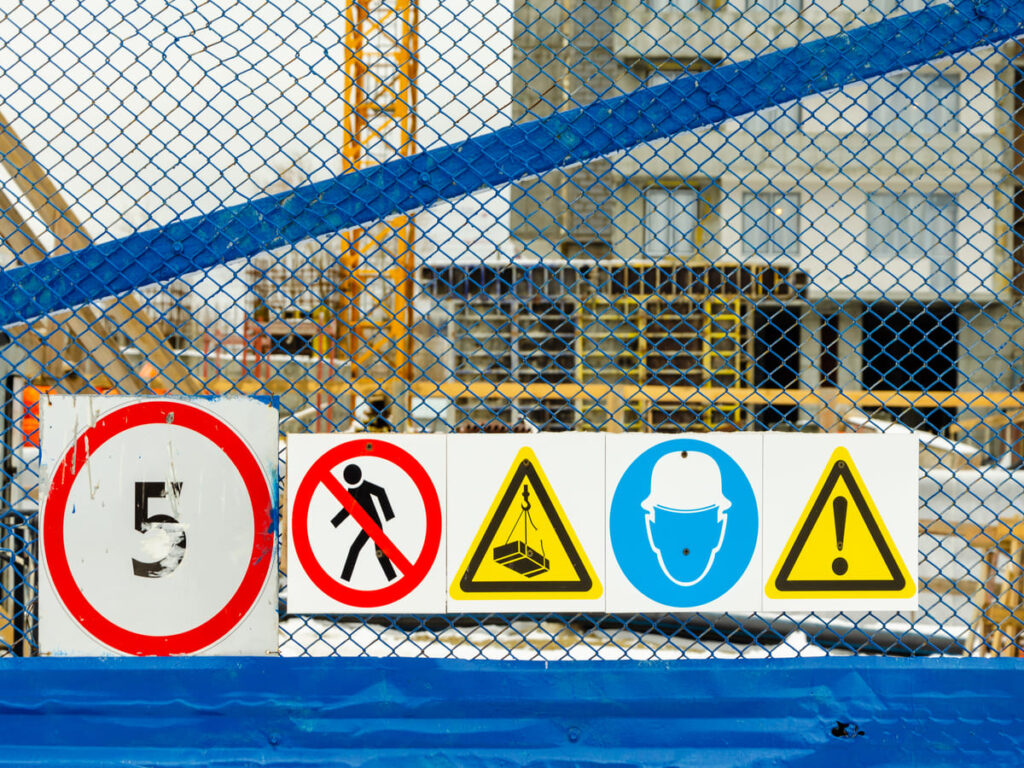
호주에서는, 건설 간판 종종 통합된 사이트 보드의 형태를 취합니다.. 에 따르면 처럼 1319, 이 멀티 사인 보드에는 다양한 안전 지침이 표시됩니다., 위험 경고, 단일 장치에 대한 규정 및 규정, 건설현장 입구에 자주 설치되는. 이 접근 방식은 작업자에게 모든 필수 정보를 한눈에 제공하도록 설계되었습니다..
그 이유는 의사소통을 간소화하고 작업자가 모든 안전 요구 사항과 위험을 즉시 인식할 수 있도록 하는 것입니다.. 통합 간판 보드로 커뮤니케이션 프로세스가 단순화됩니다., 혼란의 위험을 줄이고 호주 건설 안전 표준 준수를 보장합니다..
AS에 대한 자세한 내용은 1319 호주의 작업장 안전 표지판, 우리 블로그를 탐색해 보세요 처럼 1319: 호주를위한 직장 안전 간판 표준 안내서.
영국 건설 안전 표지판의 모듈형 논리: ISO에 초점 7010
대조적으로, 영국의 접근 방식 건설 간판 다음을 따른다 ISO 7010 기준, 모듈형 사이니지를 강조한. 여러 메시지를 하나의 보드에 통합하는 대신, 영국의 접근 방식에는 개인을 사용하는 것이 포함됩니다., 특정 위험 또는 지침에 대한 모듈식 표지판.
이 모듈식 시스템은 유연성을 허용합니다., 건설 현장 내 여러 구역에서는 존재하는 특정 위험에 따라 서로 다른 안전 표지판을 사용할 수 있습니다.. 안전표지 및 신호 규정 1996 표지판 배치에 대한 명확한 지침 제공, 다양한 인력에 대한 명확성을 보장하기 위해 그림 문자에 의존하는 경우가 많습니다..
이 시스템은 영국의 다문화 환경에서 특히 유용합니다., 직원들이 다른 언어를 구사할 수 있는 곳, 보편적으로 인식되는 기호를 사용하면 의사소통 장벽을 줄이는 데 도움이 되기 때문입니다..
뚜렷한 시각적 아이덴티티: 건설 안전 표지판 “빨간 타원형” 헤더
시각적 아이덴티티는 안전 메시지를 빠르고 명확하게 이해하는 데 중요한 역할을 합니다.. 호주와 영국 간판에 사용되는 시각적 언어는 뚜렷합니다., 각 국가의 안전규정을 반영한 독특한 디자인 요소로.
호주에서는, 위험 신호는 흰색 텍스트가 있는 빨간색 타원형 헤더로 식별됩니다., 에 의해 지정된 기능 처럼 1319. 이 고유한 헤더는 위험 관련 표지판을 다른 유형의 경고와 구별하는 데 도움이 됩니다.. 그만큼 붉은 타원 즉각적인 주의나 조치가 필요함을 알리는 시각적 신호를 제공합니다..
반면에, 영국의 ISO 7010 표준은 다른 접근 방식을 따릅니다.. 금지 표지판에는 빨간색 원이 표시됩니다., 경고 표지판은 노란색 삼각형을 사용하는 동안. 이러한 시각적 차이는 혼란을 야기할 수 있습니다., 특히 국경을 넘는 프로젝트나 다국적 환경에서. 규정 준수 문제를 예방하고 위험이 발생할 때 올바른 조치를 취하려면 이러한 차이점을 인식하는 것이 중요합니다..
빠른 참조: 처럼 1319 대. ISO 7010 비교
| 특징 | 호주 (처럼 1319) | 영국 & 국제적인 (ISO 7010) |
| 철학 | 통합: 다중 메시지 사이트 보드. | 모듈식: 특정 위험에 대한 개별 징후. |
| 위험 징후 | 빨간색 타원형 헤더 흰색으로 “위험” 텍스트. | 노란색 삼각형 검은색 위험 기호가 있는. |
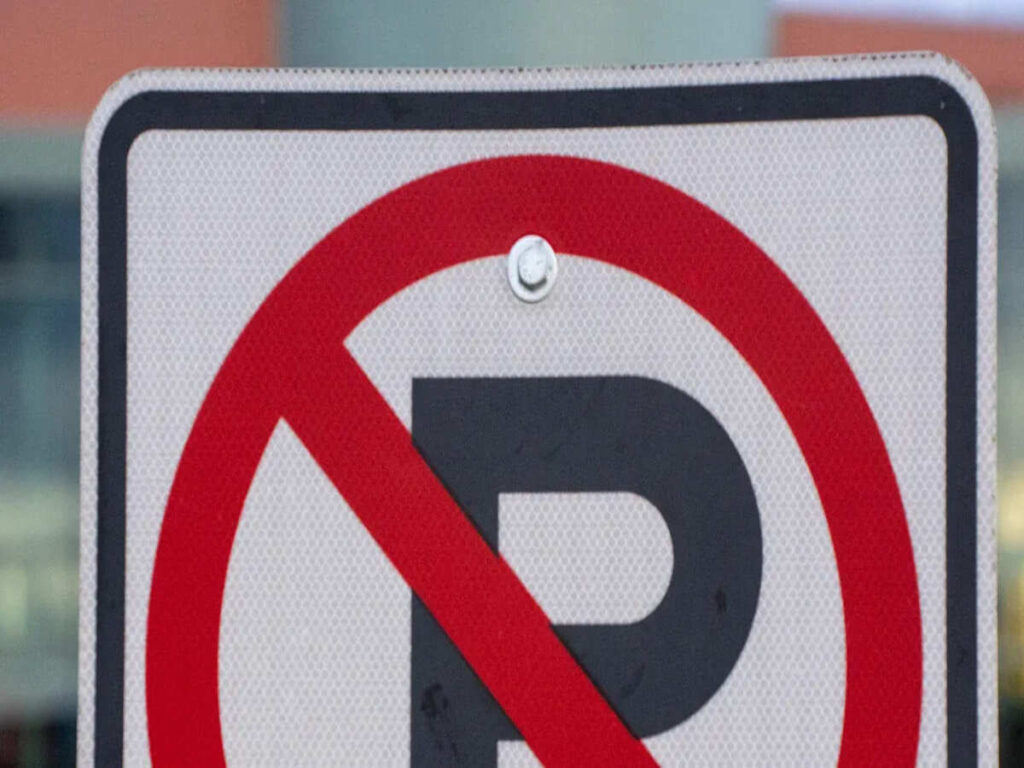
| 금지 | 슬래시가 있는 빨간색 원 + 아래 검은색 텍스트. | 유니버설 픽토그램 빨간색 슬래시 원 안에. |
| 필수적인 | 파란색 원 + 큰 텍스트 설명자. | 파란색 원 흰색 그래픽 기호. |
| 언어 | 영어 텍스트에 대한 의존도가 높음. | 다음을 위해 설계됨 다국어 픽토그램을 통해. |
| 공통재료 | UV 안정화 ACM (열/태양용). | 난연성 폼엑스 (도시/습기용). |
지역 건설 안전 표지판 준수를 위한 자재 선택
건설안전표지판 내구성과 기능성에 영향을 미치는 다양한 환경 요인의 영향을 받습니다.. 기후는 호주와 영국 모두 간판에 사용되는 재료를 결정하는 데 중요한 역할을 합니다..
극한의 호주 아웃백을 위한 UV 안정화 ACM
Pilbara 또는 Central Queensland와 같은 지역, 자외선 지수는 종종 최고점에 도달합니다. $11+$, 표준 PVC 표지판이 부서지기 쉽고 잉크 승화가 발생합니다. (페이딩) 기록적인 시간에.
- 내구성 격차: 표준 비닐이 지속되는 동안 6 달, UV 안정화 ACM은 5~7년의 서비스 수명을 위해 설계되었습니다., 다년간의 인프라 프로젝트를 위한 가장 비용 효율적인 선택입니다..
- 기술적 솔루션: 알루미늄 복합 재료 (ACM) 폴리에틸렌 코어에 접착된 두 개의 얇은 알루미늄 시트로 구성됩니다.. UV 억제 열융착 잉크와 함께 사용할 경우, 표지판이 방열판이 되다.
- 규정 준수가 중요한 이유: 호주 표준 AS에 따름 1319-1994, 안전표지는 남아있어야 “언제든지 읽을 수 있습니다.” 만약 “위험: 고전압” sign fades to white due to UV exposure, the site is legally non-compliant, exposing the contractor to massive liability in the event of an accident.
Fire-Retardant and Weatherproof Signs for UK High-Density Projects
영국에서, the challenge isn’t heat—it’s moisture-driven delamination and stringent fire codes (such as BS 476 또는 en 13501-1) dictated by the High-Rise Residential Buildings (HRRB) safety acts.
- Weatherproofing beyond “방수복”: High-density urban projects in the UK experience constant humidity and wind-driven rain. 단기 사용, materials like Correx (fluted polypropylene) are popular. 하지만, for high-traffic sites, Foamex (PVC 폼 보드) is preferred because it resists swelling and moisture absorption, unlike traditional timber-backed signs.
- The Fire Safety Mandate: Post-Grenfell, fire retardancy is non-negotiable. Using Class 0 또는 수업 1 제한된 공간이나 비계의 간판용 방화 재료는 중요한 규정 준수 단계입니다.. 이 물질은 자기 소화성입니다., 간판이 다음 사항에 기여하지 않도록 보장합니다. “화재 부하” 건설 중 건물의.
- 전략적 이점: 난연성 Foamex를 사용하여, 계약자는 보건 및 안전 임원 모두를 만족시킵니다. (HSE) 가시성 요구 사항과 현지 소방관 검사를 동시에 수행.
요약 비교: 지역 자재 논리
| 특징 | 호주 아웃백 (예를 들어, 필바라) | 영국 도시 (예를 들어, 런던/맨체스터) |
| 1차 스트레스 요인 | 극자외선 & 열팽창 | 습기, 바람, & 화재 확산 |
| 상단 소재 | UV 안정화 ACM | 내화성 Foamex / 코렉스 |
| 중요 표준 | 처럼 1319-1994 | bs en big 7010 / BS 476 |
| 실패 모드 | 열분해 & 잉크 페이딩 | 박리 & 곰팡이 성장 |
올바른 기판을 선택하는 것은 전투의 절반에 불과합니다; 이러한 물질이 특정 화학물질 및 온도와 어떻게 상호작용하는지 이해하는 것이 중요합니다.. 다음에 대한 가이드를 살펴보세요 가혹한 현장 환경에서도 지속되는 건설 사인 소재.
결론: 영연방 전체의 규정 준수 보장
요약, 호주와 영국은 모두 독특한 접근법을 가지고 있습니다. 건설 안전 간판, 다양한 규제 프레임워크에 따라 안내됨: 처럼 1319 호주와 ISO 7010 영국에서. 규정 준수를 위해서는 이러한 차이점을 이해하는 것이 중요합니다., 특히 국경을 넘어 작업하는 다국적 프로젝트나 계약업체의 경우.
각 지역의 올바른 간판 표준을 준수하여, 조달 관리자는 작업 현장의 안전을 보장할 수 있습니다., 효율성을 향상시킵니다, 비용이 많이 드는 규정 준수 오류 방지. 글로벌 리더가 바로 이곳이다. 광교통 당신의 전략적 파트너가 됩니다. 광범위한 제조 시설과 호주 및 영국의 안전 규정에 대한 깊은 이해를 바탕으로, OPTRAFFIC이 제공하는 건설 간판 솔루션 내구성이 뛰어날 뿐만 아니라 지역 규정 준수를 위해 정밀하게 설계되었습니다.. 아웃백의 자외선이 많은 요구 사항을 탐색하든, 런던의 화재 안전 프로토콜을 탐색하든 상관 없습니다., OPTRAFFIC은 글로벌 프로젝트를 안전하게 유지하고 규정을 준수하는 데 필요한 고용량 생산 및 재료 전문 지식을 제공합니다.”
FAQ
하는 동안 ISO 7010 세계적으로 인정받고 있다, 호주 사이트는 주로 다음 사항을 준수해야 합니다. 처럼 1319-1994. 주요 차이점은 “위험” 기호 형식; 호주에서는 구체적인 요구 사항이 있습니다. 빨간색 타원형 헤더. AS 승인 헤더 없이 ISO 기호만 사용하면 안전 감사 중에 규정을 준수하지 않을 수 있습니다.. 다국적 프로젝트의 경우, 에이 “잡종” AS 내에 ISO 픽토그램을 통합한 레이아웃 1319 프레임워크는 종종 가장 안전한 접근 방식입니다..
둘 다에서 HSE (영국) 그리고 안전한 직장 호주 지침, 간판은 읽기 쉬워야 고려됩니다. “준수.” UV 퇴색이나 습기로 인한 손상으로 인해 간판을 읽을 수 없는 경우, 법적으로 해당 표시가 존재하지 않는 것처럼 처리됩니다.. 이것은 이어질 수 있습니다 무거운 벌금, 작업 중지 명령, 현장 사고 발생 시 계약자의 책임이 크게 증가합니다..
학사에 이어 476 그리고 그리고 13501-1 표준, 밀폐된 공간에 사용되는 간판, 발판, 또는 고층 주거용 건물 (HRRB) 에 기여해서는 안 된다. “화재 부하.” 표준 플라스틱 표지판은 연료 역할을 하거나 독성 연기를 방출할 수 있습니다.; 내화 등급의 Foamex 또는 Correx는 자체 소화되도록 설계되었습니다., 현장이 엄격한 영국 화재 안전 건축 규정을 준수하는지 확인.
투자 수익 (로이) 교체주기에서 발견됩니다.. 호주 아웃백과 같이 자외선이 많이 발생하는 지역, 표준 PVC는 부서지기 쉽고 내부에서 읽을 수 없게 되는 경우가 많습니다. 6 달. UV 안정화 ACM (알루미늄 복합 재료) 5~7년으로 평가됩니다.. 초기비용이 더 높긴 하지만, 당신은 대략 절약합니다 300% 에게 500% 장기 인프라 프로젝트 기간 동안 인건비 및 교체 비용.
ISO 하에서 7010 (영국/유럽), 언어장벽 극복을 위해 픽토그램 사용은 필수. 호주에서는, 처럼 1319 텍스트 전용 표지판을 허용합니다, 하지만 그것은 매우 격려한다 “상징적 징후.” 고품질 픽토그램을 사용하는 것이 글로벌 모범 사례입니다.. 이는 다양한, 다국어를 구사하는 인력은 특정 언어를 읽을 필요 없이 즉시 위험을 식별할 수 있습니다..