~이다 교통 정지 표지판 스마트 기술을 갖춘 도시에서는 여전히 중요합니다.? 현대 도로는 적응형 조명과 차량-인프라 시스템을 갖추고 있습니다.. 하지만, 많은 교차로에서 전통적인 교통 정지 표지판이 계속 보입니다.. 연구에 따르면 다방향 교통 정지 신호는 보행자 충돌을 다음과 같이 줄입니다. 25%. 교통정지표지판을 직각으로 설치하면 교통사고가 감소합니다. 10.9%. 이 수치는 명확한 지침의 지속적인 가치를 보여줍니다.. 새로운 기술이 가능성을 보여주면서, 교통 정지 신호와 같은 확립된 안전 조치는 계속해서 생명을 구합니다..
Optraffic에서, 우리는 전통과 혁신을 결합합니다. 고품질부터 판매를위한 교통 표지 다음과 같은 스마트 솔루션에 VMS 보드 그리고 화살표 보드, 우리는 현대적인 도로를 안전하고 효율적으로 유지하는 데 필요한 모든 것을 제공합니다..
현대 도시의 교통 정지 신호
기원과 목적
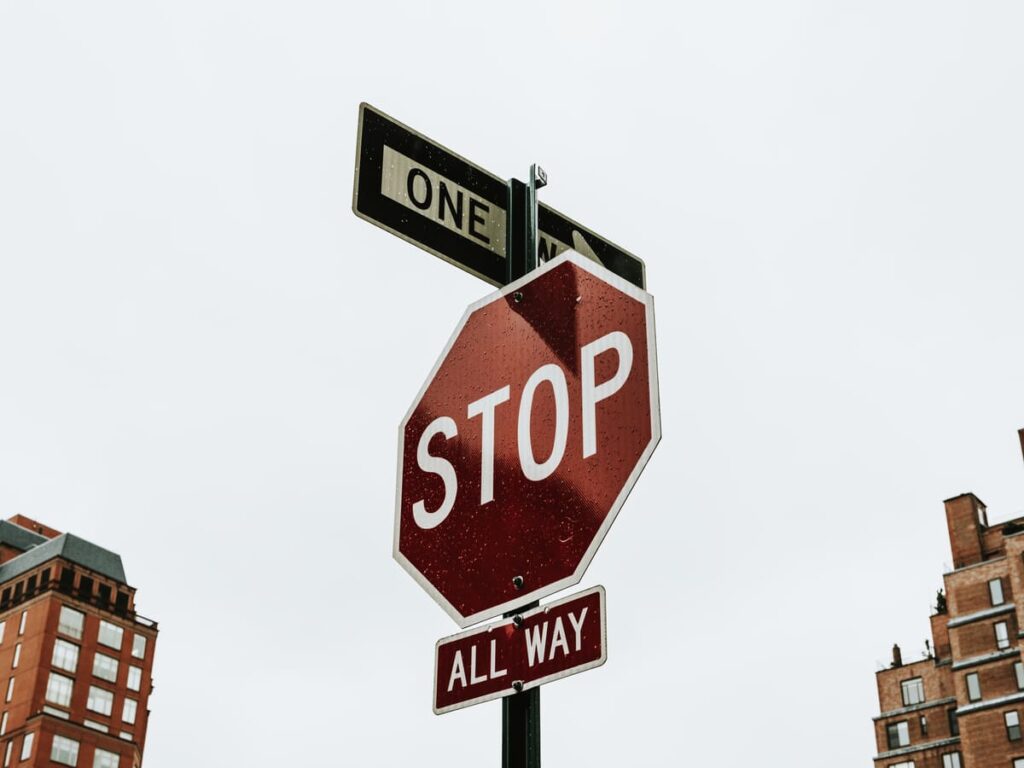
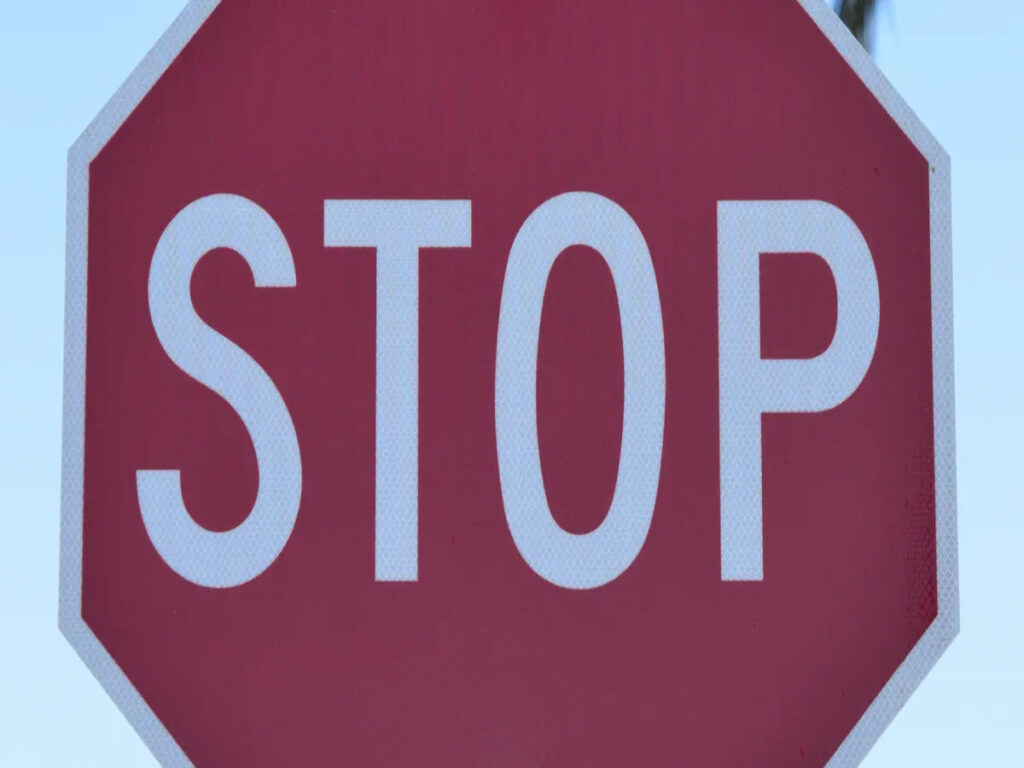
교통 정지 신호는 오랫동안 도시에 도움이 되었습니다. 첫 번째 정지 신호는 디트로이트에 세워졌습니다. 1914. Harold Jackson 경사는 혼잡한 건널목을 더 안전하게 만들고 싶었습니다.. 이 새로운 아이디어는 교통 통제 방식을 바꾸었습니다.. 도로에는 더 많은 자동차가 있었다, 그래서 도시들은 도움이 필요했어요. 에 의해 1915, 미시간은 여러 곳에서 정지 신호를 사용했습니다.. 이로 인해 도로가 즉시 더 안전해졌습니다.. ~ 안에 1922, 정지 신호로 팔각형 모양이 선택되었습니다.. 이 모양 덕분에 쉽게 알아볼 수 있었습니다, 밤에도. ~ 안에 1935, 가이드북은 교통 표지판에 대한 규칙을 설정합니다.. 표지판에는 어떤 색상과 얼마나 빛나는 표지판이 있어야 하는지 나와 있습니다.. These changes made signs easier to see and read. Drivers could react faster. ~ 안에 1968, the Vienna Convention showed stop signs were important everywhere. 수년에 걸쳐, stop signs became key for helping drivers and stopping confusion at crossings.
Studies show stop signs make roads safer. When cities change some crossings to all-way stops, cars go slower. Drivers also let people cross more often. One study found that cars slowed down by 60%. More drivers let people cross, 에서 가다 45.7% 에게 76.7%. This shows stop signs help keep everyone safe.
Current Uses Beyond Public Roads
오늘, stop signs are used in many places, not just on streets. Car parks use them to keep cars moving safely. Construction sites need stop signs to guide cars and workers. 시골에서, stop signs help when there is no power or internet. Schools and factories use stop signs to keep children and workers safe. Stop signs are easy to see and simple to understand. People know when to stop, even without smart technology. Stop signs are still very important for safety, both in old and new places.
Smart Traffic Systems and Road Safety
Intelligent Traffic Technologies
Cities use new technology to make roads safer. Adaptive traffic lights change when cars are near. Sensors and connected vehicles send data to these lights. 이렇게하면 트래픽이 더 나아지고 대기가 줄어 듭니다. Vehicle-to-everything (V2X) lets cars and signs talk to each other. They share information right away. This helps drivers find the best way and avoid crashes.
AI control systems use live data to manage traffic quickly. They can change light timings or warn about dangers. One study tested adaptive signals with connected car data. It used a microsimulation platform. 결과는 혼잡한 시간에 교통 흐름이 더 좋아지고 더 안전하다는 것을 보여주었습니다.. 이 연구는 또한 V2X와 AI가 함께 작동한다는 것을 보여주었습니다.. 그들은 자동차를 추적하고 교통 통제를 돕습니다..
메모: 적응 징후, LED보드처럼, 메시지를 변경할 수 있습니다. 트래픽이 변경되면 새로운 경고나 업데이트가 표시됩니다.. 이 표지판은 운전자가 변화를 인지하고 안전을 유지하는 데 도움이 됩니다..
스마트 솔루션으로 안전성 강화
스마트 시스템은 여행을 더 안전하고 빠르게 만들기 위해 노력합니다.. 그들은 실시간 정보를 사용하여 자동차를 안내하고 도로 관리를 돕습니다.. 예를 들어, 적응형 신호는 비상 상황에서 경고하거나 방향을 제시할 수 있습니다.. 스마트 포장 도로에는 도로 상태를 확인하는 센서가 있습니다.. 그들은 통제 센터에 경고를 보냅니다.
이러한 도구는 명확한 규칙을 제공하여 실수를 방지하는 데 도움이 됩니다.. 또한 운전자가 주의를 기울이는 데 도움이 됩니다.. 연구에 따르면 LED 신호를 차단하면 운전자의 집중력에 도움이 될 수 있습니다.. 스마트 시스템은 혼잡한 장소에서 자동차와 사람이 안전하게 이동할 수 있도록 도와줍니다..
그러나 일부 리뷰에서는 더 강력한 연구가 필요하다고 말합니다.. 우리는 이러한 시스템이 얼마나 실수를 멈추는지 정확히 알지 못합니다.. 기술은 도로를 돕습니다, 하지만 아직은 기존 방식을 대체할 수는 없습니다.. 완벽한 안전과 우수한 교통 통제를 위해서는 물리적인 표지판과 인간의 선택이 여전히 필요합니다..
연결된 세상에서 교통 표지판의 역할
물리적 표시와 디지털 통합
물리적 교통 표지판은 여전히 도로 안전에 매우 중요합니다.. 도시는 스마트 기술을 사용한다, 하지만 표지판은 모든 사람이 규칙을 따르는 데 도움이 됩니다.. 이 표지판은 모든 도로 사용자에게 명확한 지침을 제공합니다.. 디지털 시스템이 작동을 멈추는 경우, 표시는 항상 거기에 있습니다. 드라이버, 자전거 타는 사람, 걷는 사람들은 이 표지판을 신뢰할 수 있습니다.
새로운 연구에서는 물리적 표지판이 도로를 안전하고 깨끗하게 유지하는 데 도움이 되는 6가지 방법을 나열합니다.:
| 중복 유형 | 설명 |
|---|---|
| 사인형 기본작업(에스) 법의 | 표지판에 표시된 도로 교통법의 주요 업무를 돕습니다.. |
| Sign-type의 요소 | 하나의 사인 유형 부분 내에서 추가 지원. |
| 기호 유형 – 기호 유형 | 다양한 유형의 표지판 간 추가 지원. |
| 서명 유형 – 법률 텍스트 | 표시와 표시되는 서면 법률 사이의 추가 지원. |
| 기호 실현 – 기호 실현 | 동일한 기호의 다른 버전 간 추가 지원. |
| 신호 실현-환경 | 표지판과 주변 환경 사이의 추가 지원. |
이 표는 표지판이 단순히 메시지를 전달하는 것 이상의 역할을 한다는 것을 보여줍니다.. 이는 법의 일부이며 사물을 안전하게 유지하는 데 도움이 됩니다.. 일부 기능, 색상이나 사진처럼, 말로만 설명할 수는 없다. 물리적 표지판은 사람들이 잘 보고 읽을 수 있도록 해줍니다.. 이는 안전을 위해 매우 중요합니다.. 스마트 시스템이 있는 세상에서, 이 표지판은 교통을 통제하는 기존 방법과 새로운 방법 모두에 도움이 됩니다..
이제 물리적인 징후도 더 쉽게 볼 수 있습니다. 새로운 코팅으로 밤에도 표지판이 빛나게 됩니다. 이 코팅은 낮에 충전되고 어두워지면 빛납니다.. 이를 통해 운전자는 모든 날씨에서 표지판을 볼 수 있습니다.. 좋은 가시성은 일반 교통 시스템과 스마트 교통 시스템 모두에 도움이 됩니다., 특히 어두울 때나 긴급상황일 때.
교통표지판 인식 및 ADAS
디지털 신호와 인식 시스템은 이제 자동차에서 흔히 볼 수 있습니다.. 고급 운전자 지원 시스템 (Adas) 카메라와 센서를 사용하여 표지판을 읽습니다.. 이러한 시스템은 운전자가 규칙을 따르고 실수를 피하는 데 도움이 됩니다.. 교통표지판 인식 (TSR) 매우 정확하다, 다가가다 96%. 일부 시스템은 심지어 99% 정확성, 까다롭거나 새로운 징후가 있더라도.
Honda와 같은 자동차 제조업체는 안전 도구에 TSR을 사용합니다.. 시스템은 중요한 신호를 찾아내고 다른 ADAS 기능과 함께 작동합니다.. 이는 운전자가 표지판을 인지하고 자율주행차를 돕는 데 도움이 됩니다.. TSR은 자동차가 제한 속도를 유지하고 도로 변화에 반응하도록 돕습니다.. 또한 운전자가 표지판을 놓치면 경고합니다..
최근 테스트에서는 ADAS가 포함된 TSR이 매우 잘 작동하는 것으로 나타났습니다.. 예를 들어, 독일 표지판에 대해 훈련된 모델이 도달했습니다. 99.4% 정확성. 이 시스템은 악천후나 시야 확보가 어려울 때에도 작동합니다.. 스마트 센서와 데이터를 활용하기 때문이다..
메모: 설문 조사에 따르면 대부분의 사람들은 자동차에 TSR 및 기타 안전 도구를 원합니다.. 에 의해 2030, 많은 새 자동차에는 레벨이 있습니다. 3 또는 더 나은 자율주행 기술. 이로 인해 TSR은 안전한 도로를 위해 더욱 중요해졌습니다..
디지털 표지판과 TSR은 실시간 데이터를 사용하여 운전자의 안전을 돕습니다.. 교통을 통제하고 사람들이 규칙을 따르도록 돕습니다.. 그러나 물리적 정지 신호는 여전히 백업으로 필요합니다.. 명확한 지침을 제공하고 디지털 시스템에 문제가 있을 때 쉽게 확인할 수 있습니다..
안전 및 중복성
비상 시 안전 장치
응급상황은 언제든지 발생할 수 있습니다. 때때로, 전원이 꺼지고 스마트 신호등이 정지됩니다.. 디지털 교통 통제도 연결에 문제가 있을 수 있습니다. 이런 일이 일어날 때, 교통 정지 신호는 매우 중요합니다. 작동하는 데 전원이나 인터넷이 필요하지 않습니다.. 드라이버, 자전거 타는 사람, 걷는 사람들은 항상 그것을 볼 수 있습니다. 이 표시는 다른 시스템이 작동하지 않을 때 명확한 지침을 제공합니다.. 최초 대응자는 긴급 상황에서 도움을 주기 위해 이 표지판을 사용합니다.. 표지판은 물건을 순서대로 유지하고 혼란을 막습니다.. 표지판이 읽기 쉬운 경우, 다들 뭘 해야할지 알아. 교통 표지판은 긴급 상황에서 잘 작동하며 안전에 중요한 이유를 보여줍니다..
팁: 폭풍이나 정전 중에는 항상 실제 교통 표지판을 찾으십시오.. 기술이 작동하지 않을 때 도움을 줍니다..
하이브리드 및 전환 환경
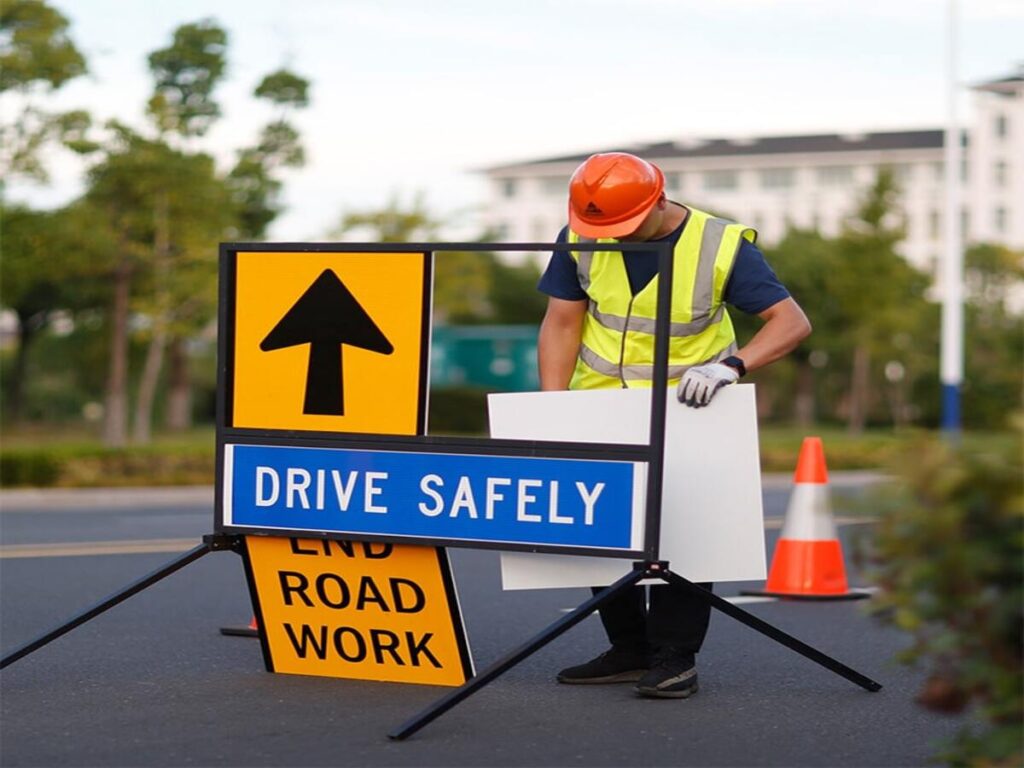
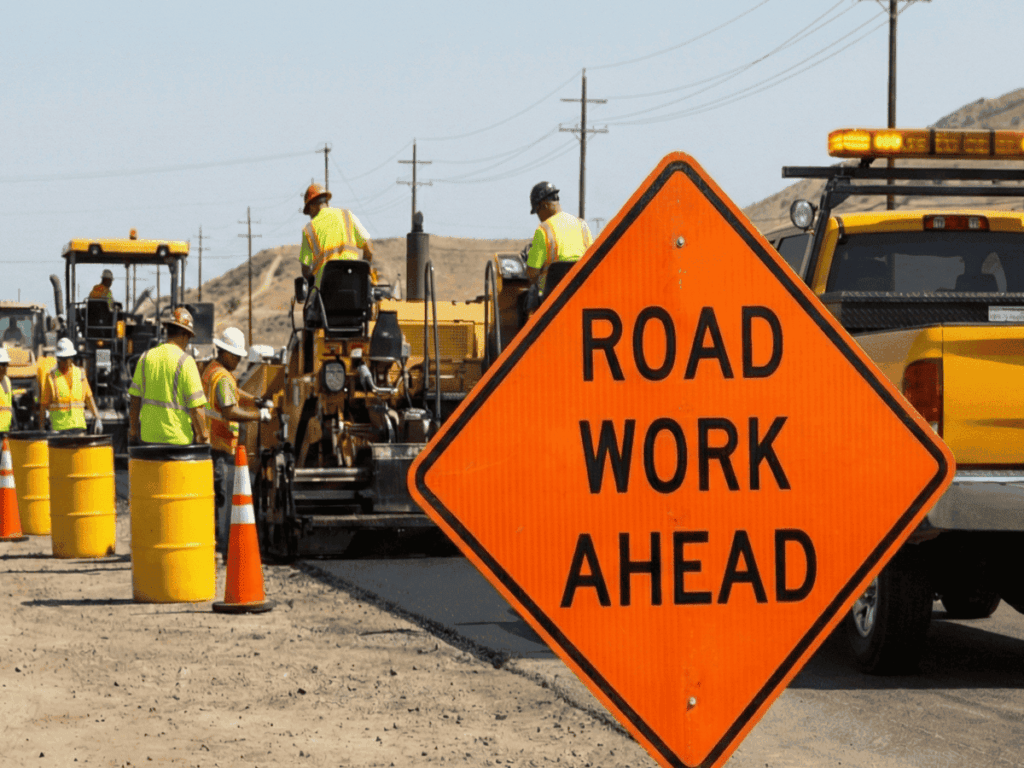
도시에서는 스마트 교통 통제와 기존 교통 통제를 모두 사용하는 경우가 많습니다.. 모든 자동차에 새로운 기술이 적용되는 것은 아닙니다.. 일부 도로에는 오래된 자동차와 새 자동차가 혼합되어 있습니다.. 이 장소에서, 교통 표지판은 매우 중요합니다. 모두가 안전하게 이동할 수 있도록 도와줍니다.. 도로를 수리할 때, 근로자는 휴대용 교통 표지판을 사용합니다. 이 표지판은 교통을 통제하고 사람들을 안전하게 지키는 데 도움이 됩니다.. 교통팀은 정지 신호를 백업으로 신뢰합니다.. 스마트 시스템을 고칠 때 사용합니다.. 이는 상황이 변할 때 높은 안전성을 유지합니다.. 교통 표지판은 교통 통제를 위한 기존 방법과 새로운 방법을 연결하는 데 도움이 됩니다.. 이를 사용하면 도로를 관리하는 데 도움이 되고 모든 사람이 규칙을 따르도록 할 수 있습니다..
교통 정지 신호의 미래
스마트 인프라와의 통합
도시는 점점 더 커지고 빠르게 변화하고 있습니다.. 이제 많은 도시에서 스마트 기술을 사용하여 교통을 통제합니다.. 어떤 사람들은 정지 신호가 사라질 수도 있다고 생각합니다. 바쁜 장소에서, 디지털 시스템이 도로를 관리하는 경우가 많습니다.. 그러나 기술이 도달할 수 없거나 실패할 경우 정지 신호는 여전히 필요합니다.. 농촌 및 성장 지역에는 스마트 시스템이 없기 때문에 일반 교통 표지판을 사용합니다..
정지신호도 개선된다. 일부 새로운 것들은 밤에 불을 밝히기 위해 태양 에너지를 사용합니다.. 이 표지판은 모든 날씨에서 더 쉽게 볼 수 있습니다. 엔지니어들이 디지털 지도에 연결되는 정지 신호를 테스트하고 있습니다.. 이 표지판은 자동차에 업데이트를 보내고 길 안내를 도와줍니다.. 이는 운전자와 자율주행차가 규칙을 준수하는 데 도움이 됩니다., 디지털 시스템이 작동을 멈추더라도.
타이페이에서 진행된 연구에 따르면 스마트 시스템과 함께 정지 신호를 사용하는 것이 교통에 도움이 되는 것으로 나타났습니다.. 사람들은 여행하는 데 더 적은 시간을 소비하고 더 적은 연료를 사용했습니다.. 오염도 덜했어요. 아래 표는 이러한 좋은 결과 중 일부를 보여줍니다.:
| 메트릭 | 결과 | 위치/컨텍스트 |
|---|---|---|
| 평균 이동시간 개선 | 7.9% | 타이페이 (네이후(Neihu) 및 난강(Nangang) 지구) |
| 여행 지연 감소 | 12.6% | 타이페이 (평일 및 공휴일) |
| 연료 절감 | 318,269 연간 리터 | 타이페이 |
| CO 배출 감소 | 101.1 연간 미터톤 | 타이페이 |
| CO2 배출 감소 | 720.2 연간 미터톤 | 타이페이 |
도로 안전에 대한 장기 전망
정지 신호는 안전을 위해 여전히 중요합니다., 특히 스마트 기술이 없는 곳에서는. 미래에, 교통 표지판은 스마트 시스템과 함께 작동하여 사람과 자율주행차 모두를 도울 수 있습니다.. 독일과 미국의 일부 도시에서는 스마트 조명과 일반 표지판을 모두 사용하여 교통 상황이 개선되고 충돌 사고가 감소했습니다.. 예를 들어, Lemgo는 최대로 교통 흐름을 개선했습니다. 15%. Plano는 건널목에서 긴급 차량 충돌 사고가 적었습니다..
교통수단이 바뀌면서, 정지 신호도 바뀔 거야. 사람들이 길을 찾고 도로를 안전하게 지킬 수 있도록 도와줄 것입니다.. 기술이 작동하지 않을 때 물리적 표시는 여전히 명확한 규칙을 제공합니다.. 기존 시스템과 새로운 시스템을 모두 사용하면 도시와 시골에서 교통을 관리하고 모든 사람을 안전하게 보호하는 데 도움이 됩니다..
STOP 신호는 오늘날에도 여전히 매우 중요합니다.. 사람들에게 무엇을 해야 하는지 알려주고 법을 준수하도록 돕습니다.. 도시에서는 스마트 시스템과 일반 표지판을 함께 사용합니다.. STOP 표지판이 운전자를 안내합니다., 자전거 타는 사람, 그리고 사람들은 걷는다. 기획자는 실제 표지판과 디지털 도구를 혼합하는 것에 대해 생각해야 합니다.. 이는 교통 흐름을 원활하게 하고 도로 위의 모든 사람을 안전하게 유지하는 데 도움이 됩니다..
그렇기 때문에 전 세계에서 사용되는 다양한 유형의 정지 신호를 이해하는 것이 더욱 스마트한 건물을 짓는 데 핵심입니다., 더 안전한 도로. 글로벌 간판 변형이 현대 교통 시스템을 어떻게 지원하는지 알아보려면, 우리 블로그를 읽으십시오: 다양한 유형의 정지 신호를 탐색합니다: 전 세계 변동과 교통 안전에서의 역할을 이해합니다.
FAQ
스마트 시티에서 STOP 표지판이 중요한 이유?
STOP 표지판은 사람들에게 무엇을 해야 할지 알려줍니다.. 기술이 작동하지 않으면 작동합니다. 드라이버, 자전거 타는 사람, 걸어가는 사람들은 모두 그 말이 무슨 뜻인지 압니다.. 이 표지판은 모든 사람의 안전을 지키는 데 도움이 됩니다. 정전이나 긴급 상황 시 매우 도움이 됩니다..
스마트 교통 시스템이 정지 신호를 완전히 대체할 수 있습니까??
스마트 시스템은 교통 통제를 돕습니다.. 항상 STOP 표지판을 대신할 수는 없습니다.. 어떤 곳은 전기도 없고 인터넷도 없어요. STOP 표지판은 모든 장소에서 작동합니다.. 간단하고 신뢰할 수 있는 백업입니다..
긴급 상황에서 STOP(정지) 표지판이 어떻게 도움이 됩니까??
조명이 작동하지 않을 때 STOP 표지판을 볼 수 있습니다.. 응급 구조원은 이를 사용하여 교통을 안내합니다.. 표지판이 명확하고 보기 쉽기 때문에 사람들은 무엇을 해야 할지 알고 있습니다..
자율주행차에는 여전히 물리적 정지 신호가 필요합니까??
자율주행차는 카메라를 사용해 STOP 표지판을 찾아냅니다.. 이 표지판은 자동차가 규칙을 준수하는 데 도움이 됩니다.. 디지털 지도나 센서가 고장날 경우 물리적 신호가 도움이 됩니다..