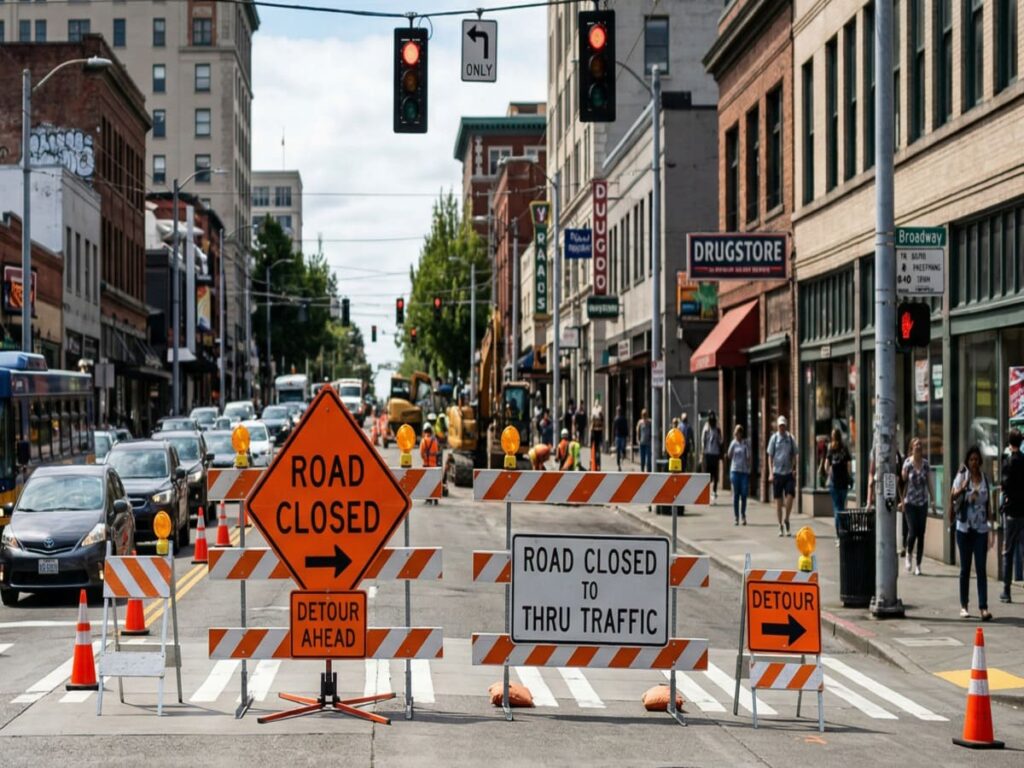
最も一般的なのは 交通標識の厚さ カスタムアルミニウム交通標識の場合は .080 インチ. 多くの州の DOT, MaineDOTなど, この基準を遵守する. .100 などの厚いオプション″ または.125″ 強度が高く、通常は大型の標識や強風の地域に使用されます。. 例えば, 24″ 一時停止の標識を利用します .080″ 材料, 一方48″ 一時停止の標識は .100 が必要です″ または.125″ 悪天候に耐えるために. DOT が決定する 交通標識の厚さ 標識のサイズまたは面積に基づいて. 注文する前に必ず地域の規制をご確認ください.
| サインサイズ | 厚さのオプション |
|---|---|
| 48″ サインを停止します | .100″ または.125″ |
| 24″ サインを停止します | .080″ |
で オプトラフィック, 私たちはカスタムを提供します アルミ製交通標識 さまざまなサイズと厚さの, 24 インチの交通標識などの標準的な厚さは 0.080 インチ、48 インチの交通標識などの大型標識の場合は 0.100 インチまたは 0.125 インチです。. 住宅地には 24 インチの交通標識が必要か、高速道路や悪天候にさらされる場所には 48 インチの交通標識が必要か, OPTRAFFIC は、すべての標識が現地の規制を満たすように作られ、困難な条件でも機能するように構築されていることを保証します。.
一般的な交通標識の太さのオプション
アルミサインブランク: 標準厚さ
アルミサインブランク 米国のほとんどの道路標識や交通標識のベースとなっています. これらのブランクにはさまざまな厚さがあります. それぞれの厚さが特定の場所や用途に最適です。. 太いブランクスは強くて長持ちします.
- .040 インチのアルミニウム看板ブランクは、短期間使用される看板に適しています。. 風が少ない場所に最適です.
- .063 インチのアルミニウム看板ブランクはより強力です .040 インチ. 人々は近所でそれほど重要ではない標識にこれらを使用します.
- .080 インチのアルミニウム看板ブランクは重要な看板の主な選択肢です. 都市や州は、一時停止標識や優先標識にこの厚さを使用します。.
- .100 インチのアルミニウムサインブランクはさらに強力です. 大きな看板や混雑した場所の看板にはこの厚さが必要です.
- .125 インチのアルミニウム看板ブランクは最も丈夫です. 高速道路や工事現場で使用されています, 特に天気が悪いところは.
ヒント: サインをどこに置くかを考えて、適切なアルミニウムサインブランクを選択してください, どれくらいの期間続く必要があるか, 風や損傷を受ける可能性がある場合.
厚み比較表
以下の表は、どのように異なるかを示しています アルミサインブランク 比較する. 厚みを記載します, 何に使われるのか, 良い点, 悪い点, そしてそれらを取り付ける方法. これは、ニーズに合ったものを選択するのに役立ちます.
| 厚さ (で) | 厚さ (ミル) | 厚さ (mm) | 職務の種類 | 典型的なユースケース | 長所 | 短所 | 取り付け上の注意 |
|---|---|---|---|---|---|---|---|
| 0.040 | 40 | 1.02 | 軽作業 | 一時的な標識, イベント駐車場, 短期の通知 | 軽量, 扱いやすい | 風の強い場所や交通量の多い場所には適していません | 軽量ポストまたはフレームと併用してください。 |
| 0.063 | 63 | 1.60 | 軽作業 | 住宅街の道路標識, 私有地の標識 | よりも耐久性が高い 0.040 | 厚いオプションよりも剛性が低い | 標準の取り付け金具で動作します |
| 0.080 | 80 | 2.03 | 標準任務 | 標識を停止します, 収量標識, 規制道路標識 | 業界標準, 強度と重量のバランスをとる | 非常に大きな標識では曲がる可能性があります | ほとんどの標識ポストと互換性があります |
| 0.100 | 100 | 2.54 | 中負荷 | 特大看板, 交通量の多い交差点 | 剛性の向上, 曲げに抵抗します | 重い, より強力なサポートが必要になる場合があります | Use with reinforced mounting systems |
| 0.125 | 125 | 3.18 | ヘビーデューティ | 高速道路標識, 建設ゾーン, windy locations | Maximum durability, 厳しい天気に耐えます | Heaviest, より高いコスト | Needs robust mounting and supports |
Most regulatory signs use .080 inch aluminum sign blanks. Thicker blanks like .100 または .125 inch are better for bigger signs or signs in windy places.
Thickness Terminology: インチ, Mils, Millimeters
Knowing how thickness is measured helps you pick the right アルミサインブランク. Makers use inches, ミル, and millimeters to show how thick a blank is.
- インチ show thickness as a fraction or decimal, のように 0.080 インチ.
- Mils mean thousandths of an inch, それで 80 mil is 0.080 インチ.
- Millimeters are the metric way to measure, のように 2.03 mm用 0.080 インチ.
Here is a table with the usual conversions for aluminum sign blanks:
| 厚さ (で) | 厚さ (ミル) | 厚さ (mm) |
|---|---|---|
| 0.040 | 40 | 1.02 |
| 0.063 | 63 | 1.60 |
| 0.080 | 80 | 2.03 |
| 0.100 | 100 | 2.54 |
| 0.125 | 125 | 3.18 |
注記: 1 mil is 0.001 インチ, そして 1 millimeter is 0.0394 インチ. Most aluminum sign blanks use these units in their product details.
Picking the right traffic sign thickness helps the sign work well where it is placed. アルミニウム看板ブランクは、あらゆる種類の看板に対応できるさまざまな厚さがあります, 短期的な通知から恒久的な道路標識まで.
平面道路標識と押し出し道路標識
フラットパネルと剛性
よく知られているように, 平らなアルミニウム パネルは、道路標識に最も一般的に使用される素材です。. 厚みがあるため、サインが強くなり、曲がることがありません。. 厚いパネルにより、悪天候でも看板が平らに保たれます. 厚い看板は反射層をよりよく保持します. これにより、夜間や嵐の中でも見やすくなります. 都市は風の強い場所や交通量の多い場所に厚めのパネルを採用. これらの兆候は長く続き、修正の必要性が少なくなります.
下の表は、厚さによって平面道路標識の強度と用途がどのように変化するかを示しています。:
| 厚さ (インチ) | 利点 |
|---|---|
| 0.080 | 毎日の使用に十分な強度. 標識を平らに保ち、読みやすくするのに役立ちます. |
| 0.125 | 強風や交通量の多い道路による曲がりや損傷を防ぎます。. サインが長持ちします. |
| 厚い兆候 | 反射層をより良く保持します. 耐久性が高く、安全のための強力な基盤を提供します。. |
適切な厚さを選択すると、標識が安全規則に従うのに役立ちます. 厚みのあるパネルで看板の強度もアップ. これにより、曲がりが少なくなり、視認性が向上します.
押し出しパネルとエッジの剛性
押し出し道路標識のデザインが異なります. これらのサインには特別なエッジがあり、強度が増します。. エッジがフレームのように機能し、サインをより頑丈にします。. このデザインは看板が曲がるのを防ぎます, 真ん中が厚くなくても. 都市では、大きな看板や風の強い場所に押出成形パネルが使用されています. 強力なエッジにより、サインは重い荷物を処理し、しっかりと固定されます。.
押出成形パネルは 2 つの点で強力です. 曲がりを抑えるエッジ形状. 厚みのあるエッジにより、看板を設置したり車に衝突したりする際の損傷を防ぎます。. これにより、押し出し看板が困難な場所に適しています.
注記: フラットパネルは強度を高めるために厚みを使用します. 押し出しパネルは厚みとエッジデザインの両方を使用して剛性を最大限に高めます.
米国運輸省の厚さの要件とガイドライン
米国運輸省 (ドット) そして州政府機関には権利を選択するための規則がある 交通標識の厚さ 道路用. これらのルールは、標識が MUTCD 基準に準拠し、安全性と視認性を高めるのに役立ちます。. 各州は独自のルールを作ることができる, しかし、ほとんどの州は標識の大きさに基づいて同様の考えを採用しています. アイオワ州の 3 つの例を紹介します, ジョージア, そしてテキサス. 詳しい方法については、 アルミニウム交通標識の厚さ MUTCD 準拠を保証します, ブログをご覧ください, アルミニウムの交通標識の厚さとMUTCDコンプライアンスの出会いにおけるその役割.
サイズベースのしきい値 (アイオワドット)
アイオワ州運輸省は、標識の最長辺を調べて最小のアルミニウムの厚さを決定します. これにより物事がシンプルになり、覚えやすくなります. 一番長い辺が 36 インチ以下, 符号は少なくとも次でなければなりません 0.080 厚さインチ. 最長辺がそれ以上の場合 36 インチ, 符号は少なくとも次でなければなりません 0.125 厚さインチ. アイオワ州運輸省も ASTM B209 を使用して、厚さが正しく、国家基準を満たしていることを確認しています。.
| 標識の最長辺 | 最小厚さ (インチ) | 代表的な用途 |
|---|---|---|
| ≤ 36″ | 0.080 | 標準的な一時停止/徐行標識 |
| > 36″ | 0.125 | 大きな案内標識または警告標識 |
アイオワ州運輸局のやり方は、都市や郡が適切な選択をするのに役立ちます 交通標識の厚さ 小さな看板から大きな看板まで. この方法は mutcd 標準に準拠しており、あらゆる天候において標識を安全に保ちます。.
エリアベースのしきい値 (ジョージア州運輸局)
ジョージア州運輸省は、標識の総面積を使用してアルミニウムの厚さを決定します。. これは、奇妙な形や大きな表面の標識に適しています。. もしそのサインが 9 平方フィート以下, 少なくともそうでなければなりません 0.08 厚さインチ (プラスかマイナスか 0.005 インチ). 標識がそれよりも大きい場合 9 平方フィート, 少なくともそうでなければなりません 0.10 厚さインチ (プラスかマイナスか 0.006 インチ). ジョージア州運輸局はまた、標識には 6061-T6 または 5052-H38 アルミニウムを使用し、ASTM B209 規格を満たさなければならないと述べています。.
| サインエリア (平方フィート) | 最小厚さ (インチ) | 合金の要件 |
|---|---|---|
| ≤ 9 | 0.08 | 6061-T6 または 5052-H38 |
| > 9 | 0.10 | 6061-T6 または 5052-H38 |
Georgia DOT’s area method makes sure big signs stay strong and easy to see. This way follows mutcd standards and helps signs last longer outside.
Area Tiering (送信ドット)
The Texas DOT (送信ドット) uses a system that bases aluminum thickness on the sign’s area to ensure better strength. For signs smaller than 7.5 平方フィート, the thickness must be at least 0.080 インチ. For signs between 7.5 そして 15 平方フィート, a minimum thickness of 0.100 inches is required. Signs larger than 15 square feet must have a thickness of at least 0.125 インチ.
| サインエリア (平方フィート) | 最小厚さ (インチ) |
|---|---|
| < 7.5 | 0.080 |
| 7.5 - 15 | 0.100 |
| > 15 | 0.125 |
TxDOT’s step system helps engineers and sign makers pick the right 交通標識の厚さ すべての仕事のために. This way keeps signs safe and follows mutcd standards.
注記: DOT rules can change by state or project. Always check local rules before you order aluminum signs for roads.
Regardless of the regional requirements, オプトラフィック, as an experienced road sign manufacturer, 公共事業部門に準拠した標識を提供できます, 交通管理会社, 交通安全用品レンタルサービス. すべての標識が耐久性に関して必要な基準を満たしていることを保証します, 可視性, 規制遵守と.
アルミニウム合金と表面処理
6061-T6 対 5052-H38 合金
アルミニウム合金の種類は道路標識の寿命に影響します. エンジニアは通常、交通標識として 6061-T6 と 5052-H38 のどちらかを選択します。. それぞれが異なる場所で最適に機能します.
- 6061-T6 は強力で、ほとんどの都市や高速道路の標識に適合します。. 曲がりにくく、日常使いにも耐えられます.
- 5052-H38は船舶用アルミニウムと呼ばれます. 6061-T6 よりも錆びにくい. 海の近くの都市や悪天候の都市では、この合金の使用が多くなります。. 塩気や雨天にも耐えられます, したがって、長持ちします.
- どちらの合金も外側にシールドを形成します. このシールドは金属の錆びを防ぎ、サインを長持ちさせます。.
- Some signs get powder coating for more protection. This coating makes the sign tougher and keeps it safe from sun, 雨, と汚れ.
違いを示す表は次のとおりです:
| 合金 | 強さ | 耐食性 | 典型的なユースケース |
|---|---|---|---|
| 6061-T6 | 高い | 適度 | 都会的な, 高速道路, 標準 |
| 5052-H38 | 適度 | 高い | 沿岸, 産業, harsh |
To learn more about the advantages of using 5052-H38 aluminum for traffic control signs, ぜひブログをチェックしてください, “交通制御標識のための5052-H38アルミニウムの利点を発見する”, where we explore its durability, 耐食性, and suitability for various environments.
Conversion Coating and Adhesion
Getting the surface ready is important for strong aluminum street signs. Conversion coating is a step before putting on reflective sheeting. This step helps the sheeting stick better and keeps the sign bright for a long time.
Good surface prep means cleaning and smoothing the aluminum. Clean aluminum lets the sheeting stick well. Smooth aluminum helps workers put the sheeting on evenly, which makes the sign last longer. Signs with good prep can fight off dirt and sunlight, so they stay shiny.
化成コーティングにより反射シートの密着性が向上. これは標識を長持ちさせ、見やすくするために重要です.
都市や州は、これらの手順を使用して、あらゆる種類の天候でも機能し、長持ちする標識を作成しています。.
風荷重, 振動, とサポート
風荷重とフィールドパフォーマンス
道路標識は風で強く押される可能性があります, 特に開けた場所や風の強い場所では. アイオワ州運輸省によると, 交通標識は耐えられなければなりません 30 ポンド/平方フィートの風圧. この要件により、嵐や強風の中でも標識が安全に保たれることが保証されます。.
サイトごとに風の振動が異なる. それがいつ起こるかを推測するのは難しい. 安定した風と突然の突風により、ポールはさまざまな形で揺れる可能性があります. こういうことが頻繁に起こると, ポールを傷つける可能性があります. 揺れが強い場合, 金属や溶接部が弱くなる可能性があります. たとえ頑丈に作られたポールであっても、ひびが入ってしまう可能性があります。.
風の振動がすぐに標識を破壊するとは限らない. でもそれがずっと続くと, 兆候やサポートが弱くなる可能性があります. エンジニアは小さな亀裂やボルトの緩みなどの問題をチェックします. 彼らは定期チェック中にこれを行います. 適切な厚さとサポートを選択すると、これらの問題を防ぐことができます. 車を運転している人や歩いている人にとって標識を安全に保ちます.
風荷重とサイズに基づいて交通標識の適切なアルミニウムの厚さを選択する方法の詳細については、こちらをご覧ください。, ブログをご覧ください, “風荷重とサイズに基づいて交通標識用のアルミニウムの厚さを選択する方法”, ここでは、長持ちする耐久性のある標識について考慮すべき要素をさらに深く掘り下げていきます。.
取付方法とサポート体制
アルミニウム道路標識には適切な取り付けとサポートが重要です. Big signs or signs in windy places need more than thick aluminum. They need strong support so they do not bend or break.
- Thick aluminum plates like 2.0 mmまたは 3.0 mm make big signs stronger.
- Extra bracing or a strong frame keeps signs steady in wind.
- Steel channels or other braces help thin plates stay straight.
- More posts give better support for big signs.
- Special sign support systems help with very large or heavy signs.
- Always check the manufacturer’s rules to pick the right post or support.
風が強い場所では, support systems often use vibration isolation. This means using mounts or flexible parts that soak up shaking. These do not stop all vibration, but they make it less strong. It works like a seat that absorbs bumps on a train. By using the right thickness and good supports, 都市は標識を見やすく安全に保つのに役立ちます, 悪天候でも.
反射シートの種類とサインブランク
ASTM D4956 シートの種類
FHWA は反射交通標識に関する規則を制定します. これらのルールでは ASTM D4956 シート タイプを使用します. これらのタイプは、ドライバーが夜間や悪天候時に標識を視認するのに役立ちます. 以下の表は、アルミニウム看板ブランクの最も一般的なシートのタイプを示しています。:
| 反射シートの種類 | 可視性 | 説明 | 耐久性 | アプリケーション |
|---|---|---|---|---|
| エンジニアグレード (タイプI) | ~500フィート | ガラスビーズまたはプリズム技術を使用; 重大ではない兆候の場合 | 5–7年 | 重要ではない道路標識, 駐車サイン |
| 高強度プリズム (タイプIII & IV) | ~1000フィート | マイクロプリズムレンズ; 反射率が高い | ~10年 | 交通標識, バリケード, 建設ゾーンのデバイス |
| ダイヤモンドグレード (タイプXI) | ~1500フィート | フルキューブプリズム; について返す 60% 光の | 長持ちする | 一時停止や速度制限の標識などの重要な交通規制標識 |
ダイヤモンドグレードのシートは非常に明るいです. 高輝度プリズムシートよりもはるかに多くの光を反射します。. これにより、遠くからでも交通標識が見えるようになります. ダイヤモンドグレードが長持ちし、悪天候にも耐えます, ダート, と錆. 都市は安全規則に従い、道路の安全を守るために重要な標識にダイヤモンド グレードを使用しています。.
ASTM D4956 Type XI のような強力なシートを使用すると、夜間の道路がより安全になります. 反射が改善された標識は、ドライバーがルールを確認して従うのに役立ちます.
反射シートの識別
安全性とコストの観点から、交通標識に適切なシートを選択することが重要です. FHWA ではさまざまなタイプが許可されます, エンジニアリンググレードのような, スーパーエンジニアリンググレード, 高強度ビーズシート. 代理店は価格以上のことを考慮する必要がある. シートがどれくらいの時間明るさを保つか、そしてどれだけ光を反射するかを確認する必要があります。.
看板に何のシートがあるかを確認するには, これらのものを探してください:
- 標識の裏側にあるラベルまたはマークが空白である
- 看板の表面にある特殊なパターンやテクスチャ
- 夜間にヘッドライトを照らしたときの色と明るさ
規定によっては、特定のシートタイプは頭上案内標識の白文字や警告標識の黄色背景には使用できないと定められています。. 交通標識の素材を選択する前に、必ず地方および連邦の規則を確認してください。.
ヒント: シートを選ぶときは, 標識がどこに行くかを考える, どれくらい続くべきか, そしてそれはどれだけ簡単に見られるべきか. 反射性の高い交通標識は、ドライバーが迅速に反応し、全員の安全を守るのに役立ちます.
適切な交通標識の厚さを選択する
選択のための実践的なチェックリスト
アルミニウム道路標識に適切な厚さを選択することで人々の安全を守ります. また、標識を長持ちさせ、ルールを守ることができます。. シンプルなチェックリストは、作業者が各作業に最適な厚さを選択するのに役立ちます. 以下の表は一般的な厚さを示しています, 何に使われるのか, そしてどれくらいの風に耐えられるか:
| ゲージ | 一般的な使用例 | 風荷重耐性 |
|---|---|---|
| 0.040″ | 軽ロット, interior garages | まで 30 MPH |
| 0.063″ | Standard outdoor parking, suburban streets | 30–50マイル/時 |
| 0.080″ | トラックルート, coastal or high-wind areas | 50 マイル/時以上 |
When making a sign, これらのことについて考えてください:
- How big the sign is and its area
- How much wind will hit the sign
- How the sign will be mounted
- How tall the post is, especially if it is over 7 足
- If the sign will be used for a short time or always
- If moving or carrying the sign could damage it
- How long the sign should last and how often it needs fixing
For traffic signs outside, 16–18 gauge (1.2–1.5 mm) is usually best. If you use a tall U-channel post, a thicker sign helps stop bending.
ヒント: Always pick the aluminum thickness that fits where the sign will go and how it will be mounted.
避けるべき一般的な間違い
Choosing the wrong thickness for street signs can cause safety problems or cost more money. 最も一般的な間違いはです:
- 大きな看板や風の強い看板には薄いアルミニウムを使用, 曲がったり落ちたりする可能性があります
- サインを太くしない .040″ に .063″ または .080″ 屋外や混雑した場所に
- より多くのサポートが必要な大きな看板に厚いアルミニウムを使用することを忘れている
- 看板のサイズや設置場所に適した厚さを確認していない
- サインに必要な厚さに合わないものを選択する
注記: 最初に適切な厚さを選択すると、問題を回避し、サインが長期間にわたって適切に機能するようになります。.
ほとんどの道路標識は .080″ アルミは強いので. この厚みがあるのでサインが長持ちします. 大きな看板や風の強い場所の看板には厚いアルミニウムが必要です. これらの記号は .100 を使用します″ または.125″ 安全を保つために. 以下の表は、各場所に最適な厚さを示しています。:
| アプリケーションの種類 | 推奨される厚さ |
|---|---|
| 高速道路, 忙しい交差点 | 0.080″ または0.125″ |
| 建設ゾーン | 厚い, 押し出し看板 |
| 住宅街, 駐車場 | 0.040″ または0.063″ |
| 一時的またはイベントサイン | より薄いオプション |
地元の DOT 規則を常に確認してください. これらのルールは標識を安全かつ見やすく保つのに役立ちます. 上記のチェックリストと表を使用して、プロジェクトに適切な厚さを選択してください.
よくある質問
道路標識の標準的な厚さはどれくらいですか?
ほとんどの道路標識は 0.080 インチのアルミニウムを使用しています. この厚さにより強度と重量のバランスが取れています。. 都市と州はストップとしてこのサイズを選択します, 収率, および規制標識.
は 80 ミルと同じ 0.080 インチ?
はい, 80 ミルは等しい 0.080 インチ. メーカーがよく使うのは “ミル” 厚さを説明するには. 1 ミルは 1000 分の 1 インチを意味します.
誰かが選ぶべきか 0.063 または 0.080 駐車場の標識に?
駐車場用, 0.080-インチのアルミニウムが最適です. 曲がりに強く屋外でも長持ちします。. 交通量の少ない標識または一時的な標識にのみ 0.063 インチを使用してください.
看板に 0.125 インチのアルミニウムが必要になるのはどのような場合ですか?
Signs larger than 36 インチまたは強風にさらされる場合は、0.125 インチのアルミニウムが必要です. この厚みにより曲がりを防ぎ耐久性が向上します。.
状態が異なれば、異なる厚さルールが必要になりますか??
各州は交通標識の厚さについて独自のルールを設定しています. 標識を注文する前に、必ず現地の DOT またはプロジェクトの要件を確認してください。.