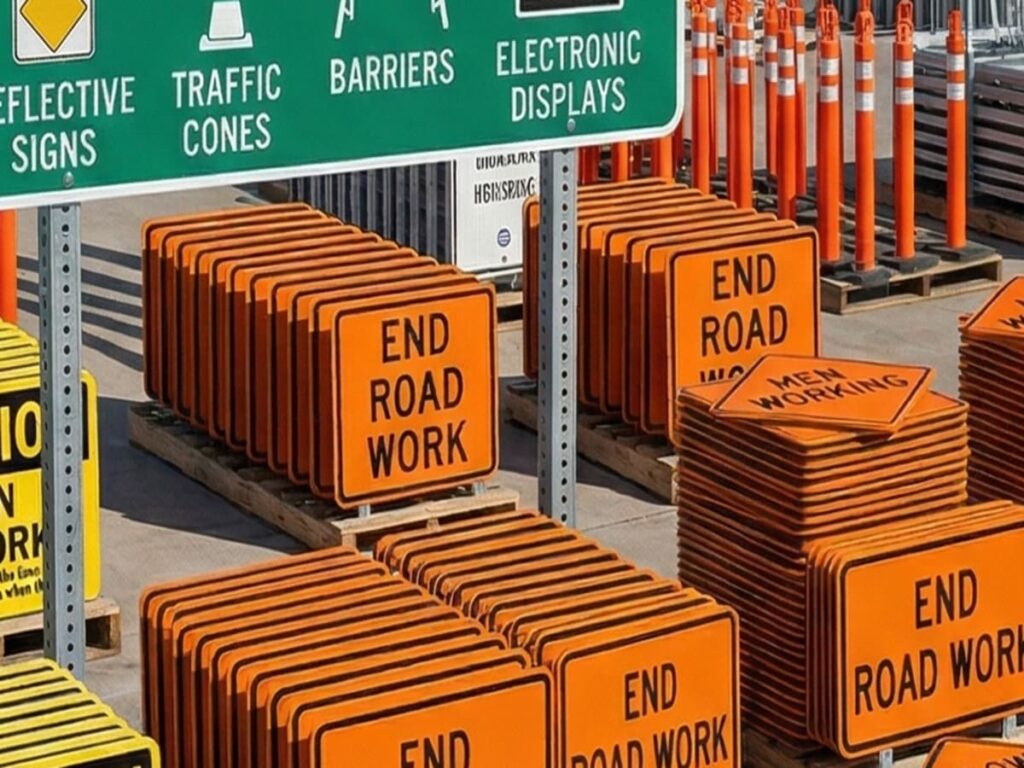
時間が限られており、交通安全が重要な場合, 道路標識サプライヤー 必要なものを提供するには、いくつかの物流上の課題を乗り越える必要があります 400 MUTCD 準拠の標識 3週間以内に. このタイトなスケジュールにより、生産能力に関する重要な疑問が生じます, 在庫管理, 配送物流, 輸送中の損傷の危険性. このブログでは、サプライヤーがこれらの需要にどのように対応し、タイムリーに確実に対応できるかを検討します。, 道路標識の高品質な納品.
道路標識サプライヤーの生産能力を理解する
3週間の期限を守るための最初の重要な要素は、サプライヤーの生産能力を理解することです. 一定時間内にどれだけの兆候を生み出すことができるか? これは、マシンの可用性などのいくつかの要因によって異なります。, 労働シフト, サプライヤーの全体的な運営能力.
生産能力に影響を与える主な要因
- 機械の可用性と生産性率.
- 労働シフト: サプライヤーは締め切りに間に合うようにシフト時間を増やすことができますか?
- 運用の柔軟性: サプライヤーは厳しいスケジュールに合わせてプロセスを調整できるか?
評判の良い道路標識サプライヤーは、堅牢な生産プロセスを導入している必要があります。. シフトの柔軟性と、厳しい納期に間に合うように生産を増強できるかどうかが重要な考慮事項です。. サプライヤーが複数のシフトを勤務している場合, 生産をスピードアップし、仕事を時間通りに完了させることが容易になります。.
厳しい納期を守ることができる信頼できるサプライヤーとの提携を検討している方向け, 世界のトップメーカーを検討する価値があります. 道路交通標識の業界リーダーとその制作能力については、ブログでご覧ください。 トップ 10 世界の道路交通標識メーカー 2026.
部分的な出荷と順序付け
さらに納期を守るために, 部分的な発送は効果的な解決策となり得る. これには、商品の一部の発送が含まれます。 400 段階的な兆候, 多くの場合、インストール順序に基づいて.
分割発送が有益な理由
- プロジェクトの期限を守る 最も緊急の兆候を優先することによって.
- 最適化されたシーケンス 設置に必要な標識が確実に配達されるようにする.
例えば, 標識を別の場所に設置する必要がある場合, サプライヤーはコリドー順に出荷する可能性があります, 最も緊急の信号または場所固有の信号を最初に送信する. こちらです, 注文した商品がすべて到着するまで時間を無駄にすることはありません, プロジェクトの期限はまだ守られています.
出荷前の梱包と品質管理 (品質管理) ステップ
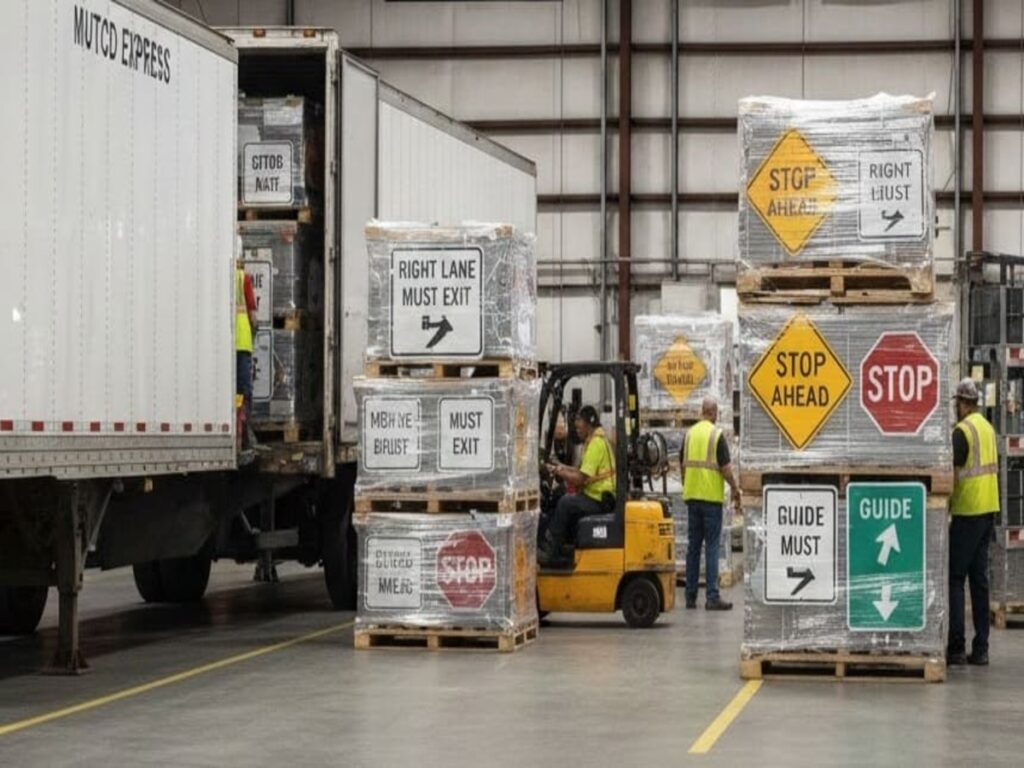
道路標識を扱う際の主な懸念事項の 1 つは梱包です。. MUTCD 準拠の標識に使用されるサイズと素材を考慮すると, 適切な梱包により、輸送中の標識が損傷から保護されます。.
梱包仕様
- 耐久性: 材料は輸送の過酷さに耐えなければなりません.
- 保護: 損傷を防ぐための緩衝材と包装方法.
- ラベリング: 明確な取り扱い説明, のように “壊れやすい” または “慎重に扱ってください,” 誤った取り扱いを防ぐために.
良いROADサインサプライヤー 厳格な品質管理を行う必要がある (品質管理) 出荷前に適切なプロセスを実施. これには、MUTCD 標準に準拠していることを確認するために各標識を検査することが含まれます。, 欠陥のチェック, 正しい素材と色が使用されていることを確認します.
ロジスティクス: 運送業者と輸送時間
製造後, 物流は標識を時間通りに配達する上で重要な役割を果たします. サプライヤーは信頼できる配送業者と協力して配送を処理する必要があります. 標準貨物サービスを利用するかどうか, お急ぎの発送, または両方の組み合わせ, 速度と費用対効果を高めるには、適切な通信事業者の選択が不可欠です.
適切な通信事業者の選択
- キャリアオプション: フェデックス, UPS, 貨物サービス, または他の人.
- 交通機関のタイムライン: あなたの場所までどれくらい早く配達できますか?
- コスト対. スピード: 緊急性と予算のバランスをとる.
運送業者ごとに所要時間は異なります, 時間通りに配達してくれるものを選ぶことが重要です. 道路標識業者と協力する場合, 利用可能な配送業者のオプションと、特定の郵便番号までの予想到着時間についての詳細を問い合わせてください。.
移動時間をしっかりと理解することで、, サプライヤーと顧客の両方がより適切に計画を立て、期待を管理できるようになります.
リードタイムとSLAの管理
交通安全の世界, スケジュールのリスク回避が重要. 信頼できるサプライヤーはサービス レベル アグリーメントを提供する必要があります (SLA) 納品条件を定義し、説明責任を確保するため.
SLA がリスク軽減にどのように役立つか
- 在庫状況の確認 在庫切れを防ぐために.
- 明確なタイムラインを設定する 製造および出荷のため.
- サプライヤーの説明責任の確保 合意されたタイムラインで.
在庫状況を早期に確認することで遅延を防ぐことができます, サプライヤーが在庫切れや直前の調達をすることなく注文を確実に履行できるようにする. 製造と出荷の明確なリードタイムを確立することも重要です。これにより、プロジェクトが予定通りに完了することが保証されます。.
主な懸念事項と典型的な行動
最善の計画を立てたにもかかわらず, このような一刻を争うプロジェクトでは、しばしば浮上する核心的な懸念があります。. よくある問題には在庫切れが含まれます, 動員を逃した, そして輸送中のダメージ.
典型的な課題
- 在庫切れ: 需要を満たすために在庫が不足するリスク.
- 動員を逃した: 標識の出荷準備の遅れ.
- 輸送中の損傷: 不適切な梱包または取り扱いにより標識が損傷した場合.
これらのリスクは納期に重大な影響を与える可能性があります, サプライヤーと顧客の両方にとって、オープンなコミュニケーションとプロアクティブな問題解決を維持することが重要です。. 通常, 道路標識サプライヤーは SLA を要求します, 在庫レベルを確認する, 進捗状況を追跡するための詳細なガント チャートを提供します.
これらのリスクを軽減するには、現実的なスケジュールを設定する必要があります, 事前に在庫を確保すること, 配送条件を管理できる信頼できる配送業者を利用する.
結論
配達中 400 MUTCD 準拠の標識 道路標識サプライヤーにとって、3 週間以内は困難ではあるが達成可能な目標です, 適切なリソースがあれば, 物流戦略, リスク軽減策の実施. しかし, 多くのサプライヤーにとって, この期間は厳しいかもしれません, スケジュールに柔軟性を組み込むことが不可欠です.
で オプトラフィック, 私たちは、このような大量の注文を処理することの複雑さを理解しています. お客様の期待に応えるよう努めるとともに、, このような大量の注文には 3 週間かかるため、事前の計画が必要になる場合があります, 配送の柔軟性, および追加のリソース. 十分早めにプロセスを開始することをお勧めします, 在庫の確認, スムーズな業務遂行のためにチームと緊密に連携します。, 時間通りの配達.
プロジェクトに高品質が求められる場合, MUTCD 準拠の標識, オプトラフィック タイムラインとコンプライアンスのニーズに合わせて設計されたカスタマイズ可能なソリューションを提供します. あなたのプロジェクトについて今すぐご相談ください, 配達スケジュールを確認する, 弊社の専門家チームから詳細な計画を入手してください. 私たちはお客様の交通安全のニーズを確実に満たすためにここにいます, 予定通り, そして妥協せずに.
よくある質問
1. 確実にタイムリーに配達するにはどうすればよいですか 400 3 週間以内に MUTCD 準拠の署名を行う?
納期を確実に守るには、慎重な計画とサプライヤーとの調整が必要です. 遅延を避けるために:
- 生産能力の確認: サプライヤーが納期を守るために必要なリソースと柔軟性を確保できるようにする.
- 部分出荷を検討する: ご注文分を一度に発送できない場合, 段階的または回廊順に出荷することで、プロジェクトをタイムリーに実行できるようになります。.
- 明確な SLA を確立する: サービスレベル契約 (SLA) 納品スケジュールの概要を説明する必要があります, 在庫レベル, と品質基準.
- 物流の検証: サプライヤーと緊密に連携して、運送業者のオプションとお客様の所在地までの配送時間を確認してください。.
2. サプライヤーが 3 週間の期限に間に合わない場合はどうすればよいですか?
期限を守ることが不可能な場合, 次のアクションを検討してください:
- 部分出荷: 優先順位に基づいて段階的に出荷するようサプライヤーにリクエストする. これにより、残りの注文を待っている間にプロジェクトを開始できます。.
- 代替サプライヤー: 注文のさまざまな部分を同時に処理できる複数のサプライヤーと契約することを検討してください。.
- プロジェクトのタイムラインを調整する: 3 週間の期間が重要な場合, プロジェクトのタイムラインを調整したり、段階的に展開したりする可能性についてプロジェクトの関係者と話し合う.
3. 在庫切れや在庫遅延のリスクを軽減するにはどうすればよいですか?
- 事前注文: 在庫切れを避けるために, 余裕を持って注文し、サプライヤーに在庫状況を確認してください.
- 定期的なアップデート: 在庫レベルの定期的な更新を依頼する, 生産状況, 遅延の可能性も. 一部のサプライヤーは在庫予測サービスを提供している場合があります.
- 安全在庫: 将来のニーズに備えて標識の安全在庫を維持するためにサプライヤーと交渉することを検討してください。, 必要な在庫がないことがバレないようにする.
4. 輸送中の道路標識の損傷を軽減する最善の方法は何ですか?
- 高品質なパッケージング: サプライヤーが耐久性のあるものを使用していることを確認する, 輸送中の損傷を防ぐための保護パッケージ. これにはクッション性も含める必要があります, 頑丈なラッピング, 壊れやすい取り扱いのためのラベル表示.
- 保険: 配送時の保険オプションについて話し合う, 特に大量注文の場合, 輸送中の潜在的な損傷をカバーするため.
- キャリアの選択: バルクの取り扱いを専門とする信頼できる運送業者と連携します, 重い, 道路標識などの壊れやすいもの.
5. 輸送中の標識の破損による遅延の可能性にはどう対処すればよいですか?
- 出荷前品質管理: サプライヤーが出荷前に欠陥を発見するために厳格な QC プロセスを実施していることを確認してください. これにより、破損した商品が届く可能性が低くなります.
- インベントリのバックアップ: 必要に応じて迅速な交換を提供できるサプライヤーと協力して、緊急時対応計画を適切に維持します。.
- 明確なコミュニケーション: 到着時に破損品を報告するための明確なプロセスを確立する, 返品手順と交換のスケジュールを含む.
6. OPTRAFFIC はカスタマイズされたサインの注文に対応できますか, これは納期にどう影響しますか?
はい, オプトラフィック プロジェクトのニーズに合わせたカスタマイズ可能な MUTCD 準拠の標識を提供します. カスタマイズには追加の制作時間が必要になる場合があります, ただし、当社はお客様と緊密に連携して正確な納期を提供します。. 注文を計画する際には、カスタマイズ プロセスを考慮することが重要です, 特に納期が厳しい大規模プロジェクトの場合.
7. プロジェクトに緊急納品が必要な場合はどうすればよいですか, 発送が遅れるわけにはいきません?
- お急ぎ配送: サインができるだけ早く届くように、お急ぎ配送オプションをリクエストしてください.
- 複数のサプライヤー: 納期が厳しい場合, より迅速な処理と配送を確保するために、注文を複数のサプライヤーに分割することを検討してください。.
- ダイレクトコミュニケーション: サプライヤーとの定期的なコミュニケーションを確立し、進捗状況を監視し、必要に応じて調整を行います。.
8. 自分のプロジェクトに最適な道路標識サプライヤーを評価して選択するにはどうすればよいですか?
道路標識業者を選ぶとき, 考慮する:
- 生産能力と柔軟性: 注文サイズを処理し、タイムラインの変更に対応できるか?
- 評判と経験: 大規模な配送の実績のあるサプライヤーを探す, コンプライアンスに基づいた注文.
- 梱包と品質保証: 損傷やエラーを減らすために、パッケージングと品質管理のための強力なプロセスがあることを確認します。.
- ロジスティクス: 信頼できる配送業者のオプションがあり、配送時間のニーズを満たせることを確認してください.
- カスタマーサポート: 緊急のプロジェクトに協力する姿勢と対応力を評価する.