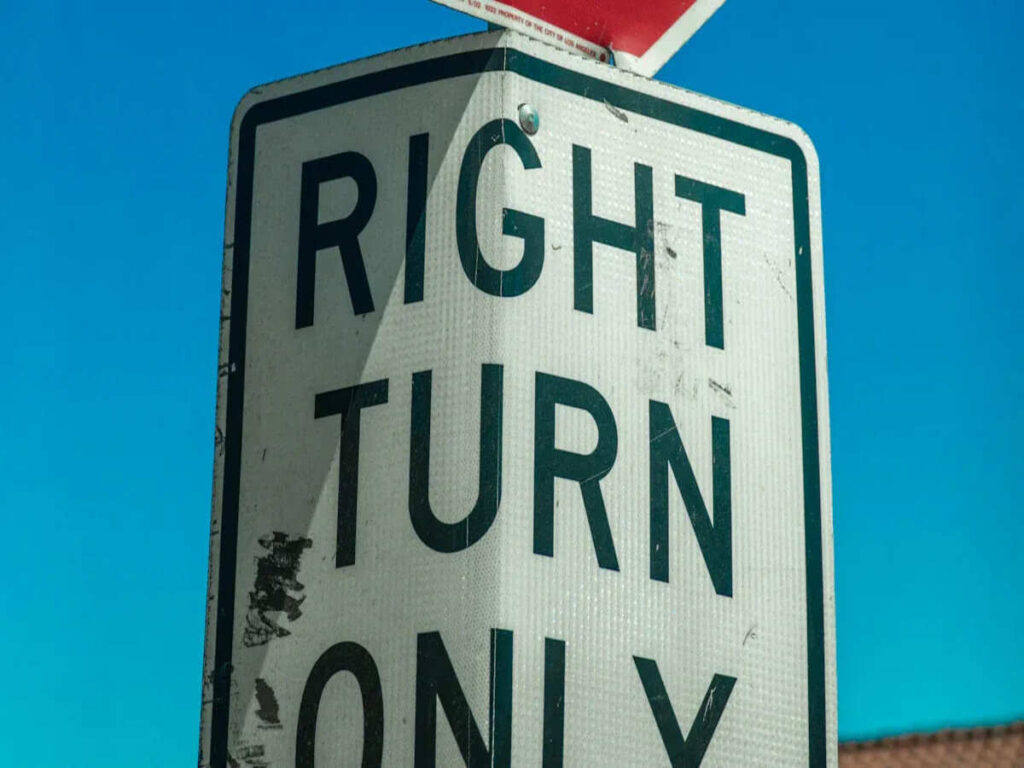
Using only recycled traffic signs made from ABS can make them unsafe. Many people think that recycled signs help the environment, but this material is not always strong enough for outdoor conditions. Manufacturers face issues such as signs breaking easily, and the signs may not last as long as expected. Choosing the best mix of materials ensures that recycled traffic signs remain safe and stable for everyone.
で オプトラフィック, our proposed sign material uses a balanced mix of 50% recycled ABS そして 50% virgin ABS. This combination ensures both consistent quality and long-lasting durability. その間 100% recycled material may seem like a sustainable option, it can make it difficult to control product quality and may lead to potential after-sales issues. By using a carefully balanced material mix, 持続可能性に貢献するだけでなく、さまざまな環境条件下でも確実に機能するサインを提供できます。.
再生ABSの重要課題
ポリマーの劣化と汚染
ABS をリサイクルすると材料の挙動が変わります. いつ プラスチック リサイクルされています, ABS のポリマー鎖は短くなる可能性があります, ポリマーの分解として知られるプロセス. ABSがリサイクルされるたびに, ポリマー鎖はさらに分解します, 素材が弱くなる. この弱体化は交通標識にとって問題です, 屋外条件に耐えられるように強くて耐久性が必要であるため、. 加えて, リサイクル中に他のプラスチックや異物による汚染が発生する可能性があります, ABS の一貫性と信頼性に影響を与える. これらの変更により、最終製品の性能と安全性が損なわれる可能性があります。.
San-Gil-Leonらによる研究. (2012) GTR Recycling は、リサイクル ABS のポリマー劣化が重大な問題であることを示しました。, 時間の経過とともにプラスチックが弱くなる (サン・ギル・レオンら。, 2012). 交通標識用の再生ABSに関する研究において, San-Gil-Leon は、たとえ少量の汚染や複数回のリサイクル サイクルでも材料の機械的特性が大幅に低下する可能性があることを発見しました。, 全体的な強度と耐久性に影響を与える. これらの発見は、リサイクル ABS の劣化と汚染が交通標識の安全性と性能の問題に寄与する可能性があることを示唆しています。 (サン・ギル・レオンら。, 2012).
強度と耐久性への影響
劣化により交通標識の強度が著しく低下します. ポリマー鎖が分解されると、, 看板は応力に対する耐性が低下し、ひび割れが発生しやすくなります, 曲げ, そして反る. これは重大な懸念事項です, 交通標識は両方の物理的な力に耐えなければならないため、 (例えば。, 風と衝撃) そして 環境ストレス (例えば。, 紫外線と雨). 研究によると、3 回のリサイクル サイクルの後、, ABS素材は約 6% その強さの, 長期的な耐久性の問題につながる可能性があります (GTRリサイクル, 2019). 著しく劣化した ABS で作られた交通標識は、厳しい気象条件では寿命が短くなる可能性があります, 潜在的な故障や安全上の問題につながる.
テキサス大学が実施したテストでは, 静的テスト, 曲げ試験, 動的振り子衝撃試験では、劣化により弱くなってしまったリサイクル ABS は未使用 ABS ほど性能が劣ることが確認されました。. これらのテストにより、リサイクル ABS で作られた交通標識は弱く、破損や歪みが発生しやすいことが判明しました。, 特に風雨にさらされた後は (テキサス大学, 2018). これは交通安全にとって重大な懸念です, 標識が時期尚早に故障するとドライバーが混乱し、交通管理に支障をきたす可能性があるため.
リサイクルされた交通標識の不安定性
反り, ひび割れ, 脆性
リサイクル ABS 交通標識は、反りなどの問題が発生することがよくあります, ひび割れ, そして脆さ, 特に暴露された場合 過酷な屋外条件. サインが曲がったりねじれたりして形が崩れると、反りが発生します。, 熱のせいで起こることが多い. プラスチックが割れたり壊れたりするときに亀裂が発生します。, 通常、寒い天候で. 脆いため、衝撃を受けると看板が折れやすくなります, 強風の時など.
a ケーススタディ からの 私たち. 市 リサイクルされた ABS で作られた交通標識が、たった 1 つの暑い夏だけで歪んでしまったことを示しました。, 猛暑で看板が曲がる. 別の場合, recycled traffic signs 材質が劣化したため冬の間に壊れました 脆い 氷点下での (ダラス市, 2020). 脆さ 再生 ABS では、強風に見舞われて看板が折れたときにも観察されました。, 素材の良さをさらに強調し、 不安定 変わりやすい気象条件の中で.
リサイクルされた交通標識によくある問題を表に示します:
| 問題 | 説明 | 状況例 |
|---|---|---|
| 反り | 曲げたりねじったりする | 暑い夏の日 |
| ひび割れ | 壊れたり裂けたりする | 寒い冬の夜 |
| 脆さ | 簡単にスナップ | 強風や衝撃 |
環境ストレスと反射率の問題
環境ストレスもリサイクル交通標識を弱めるもう一つの要因です. 紫外線 太陽からプラスチックが分解される, 色褪せて反射特性が失われる原因となります。. 雨や湿気により素材が膨張したり劣化が進む可能性があります, 標識の外観と視認性に影響を与える. 大幅な温度変化により、プラスチックが膨張したり収縮したりする可能性があります。, それが曲がりにつながる, ひび割れ, そして材料のさらなる弱化.
Kovácsらによる研究. (2017) リサイクルされた材料を見つけました, ABSを含む, 繰り返しの紫外線にさらされると体力が失われる, 水分, および温度変動. 反射率は交通標識にとって重要です, 特に夜間や悪天候の場合. この研究では、リサイクルされた ABS サインは未使用の ABS に比べて反射率を失いやすいことが示されました。, それらを作る 目立たなくなる そしてドライバーにとってはさらに危険です (コヴァチら。, 2017).
比較する 100% リサイクル, 混合, およびバージン ABS
パフォーマンスと安全性の違い
交通標識の ABS 素材を選択する場合, 使用される ABS の種類は、標識の性能と安全性に大きな影響を与える可能性があります. 道路標識に使用される ABS 素材には 3 つの一般的なタイプがあります。: 100% リサイクルされた, 50/50 混合された, そして 100% virgin ABS. それぞれのタイプには異なる長所と短所があります, 特に耐久性の面で, 気象抵抗, 環境への影響.
| ABSの種類 | 強さ | 耐久性 | 耐候性 | 環境への影響 |
|---|---|---|---|---|
| 100% リサイクル | 低い | 低い | 貧しい | より低い |
| 50/50 混合 | 高い | 高い | 良い | バランスの取れた |
| 100% 処女 | 非常に高い | 非常に高い | 素晴らしい | より高い |
~で作られた交通標識 100% 再生 ABS は通常弱いです, 耐久性が低い, 環境ストレスにさらされると劣化が早まる傾向があります. バージンABS, 最も強力で耐久性がありながら、, エネルギーを大量に消費する製造プロセスのため、環境への影響が大きくなる. a 50/50 リサイクル ABS とバージン ABS の混合により、強度と環境持続可能性のバランスが保たれます。, 環境への影響を軽減しながら標識の耐久性を確保する.
なぜ 50/50 ミックスが最適、
a 50/50 リサイクル ABS とバージン ABS の混合により、耐久性の最適なバランスを実現, 環境上の利点, そして費用対効果. バージン ABS は、過酷な気象条件や交通標識が受けるストレスに耐えるのに必要な強度を提供します。. リサイクル ABS は、廃棄物を削減し、資源を節約することで、全体的な環境フットプリントの削減に役立ちます。.
ライフサイクル研究, 米国リサイクル評議会が実施するものなど (2020), を使用することを示します 50/50 混合は使用するよりもエネルギー効率が高くなります。 100% バージン ABS を使用しながら、長期にわたる標識に必要な強度を維持. この混合 ABS ブレンドは、他の ABS ブレンドと比べて優れた性能を発揮するため、交通標識に強く推奨されます。 100% recycled ABS, 環境にも利益をもたらしながら.
交通標識のベストプラクティス
材料選択ガイドライン
適切な素材を選択することで、交通標識を安全で丈夫に保つことができます. 多くの企業はリサイクル ABS と新品 ABS の両方を使用しています. この組み合わせにより、標識が長持ちし、丈夫なままになります. リサイクルは地球を助ける, しかし、新しい素材を追加すると標識が強化されます. 専門家はリサイクルプラスチックのような環境に優しい材料を使用するべきだと述べています, 生分解性複合材料, およびリサイクル金属. これらの選択は汚染を削減し、地球を助けます.
非毒性のコーティングと緑色のゴムにより、標識はより安全で自然に優しいものになります. のような強い素材 アルミニウム ステンレススチールは長持ちし、見た目もきれいです. 材料を投資として考えると、後でコストを節約できます. 優れた素材を使用すると、悪天候に耐えることができます。. 最初に多額の費用をかければ、修理や交換の回数が減ります.
- リサイクルされたプラスチックと金属は環境に貢献します.
- 新品と再生ABSを混合することで標識が強化されます.
- 非毒性コーティングにより標識がより安全になります.
- 丈夫な素材が悪天候でも長持ち.
- 優れた素材を使用すると長期的にコストを節約できます.
新品とリサイクルのPVCやその他のプラスチックを混合することも効果的です. こちらです, サインは強力なままで、屋外でもうまく機能します.
品質管理とテスト
品質管理では、交通標識が安全で、適切に機能しているかどうかをチェックします. 企業は標識が良好であることを確認するためにさまざまなテストを使用しています. 以下の表は、いくつかのテストとその内容を示しています。:
| テスト方法 | 目的 |
|---|---|
| コンプライアンスの検証 | 標識は明るくて見やすいようにする. |
| 環境試験 | 標識が暑さ寒さの天候に対応できるかどうかを確認する. |
| 安全ガイドラインの評価 | 標識がドライバーにとって安全であることを確認する. |
多くの場合、テストは問題の早期発見に役立ちます. 企業は亀裂を探します, 曲げ, そしてフェード. これらのテストは、看板がリサイクルや悪天候に対応できるかどうかを示します. 品質管理によりドライバーの安全と道路の改善が維持されます.
ヒント: 素材を適切に組み合わせて使用し、標識をテストすると、標識が長持ちし、安全に保つことができることがよくあります。.
専門家らは交通標識にリサイクル素材をチェックすることが重要だと述べている. テキサス交通研究所は多くの再生プラスチックをテストしました. 彼らは標識が丈夫で安全であることを確認したいと考えていました. 再生 ABS のみを使用すると、看板がすぐに壊れてしまう可能性があります. 半分がリサイクルABS、半分がバージンABSを混合するとより効果的です. この組み合わせによりサインが長持ちします, より安全, そして地球にとっても良い. 人々は地球に貢献し、道路の安全を守る素材を選ぶべきです. 適切に組み合わせると標識が長持ちし、どんな天候でもうまく機能します。.
よくある質問
ABS とは何ですか。なぜメーカーは ABS を交通標識に使用するのですか??
ABSとはアクリロニトリル・ブタジエン・スチレンを意味します. メーカーは強くて軽いという理由で ABS を選びます. サインの形も作りやすい. ABS製の交通標識は長持ちします. 天候や衝撃によっても壊れにくい.
なぜそうする 100% リサイクルされた ABS は交通標識に問題を引き起こす?
リサイクル ABS はポリマー鎖が短く、汚れる可能性があります. これらの変化により材料が弱くなる. 標識にひびが入る可能性がある, 曲げる, または色が早く失われる. これは、リサイクル ABS と新品 ABS の両方で作られた標識よりも多く発生します。.
どのようにして 50/50 リサイクル ABS とバージン ABS の混合により交通標識の品質が向上?
a 50/50 新品と再生ABSの両方を使用. この組み合わせは兆候を強力に保ち、地球を助けます. このブレンドを使用した看板は強度が高く、色が長持ちします。. 悪天候でも効果を発揮します.
ヒント: 両方のタイプの ABS を使用すると、道路標識が長持ちし、安全になります。.
交通標識の安全性と信頼性を確保するために役立つテストとは?
メーカーは交通標識をチェックするためにさまざまなテストを使用しています:
| テストの種類 | 目的 |
|---|---|
| インパクトテスト | 強度をチェックします |
| 耐候性試験 | 耐久性を測定する |
| 反射率試験 | 視認性を確保 |
これらのテストは、標識が誰にとっても安全であることを確認するのに役立ちます.