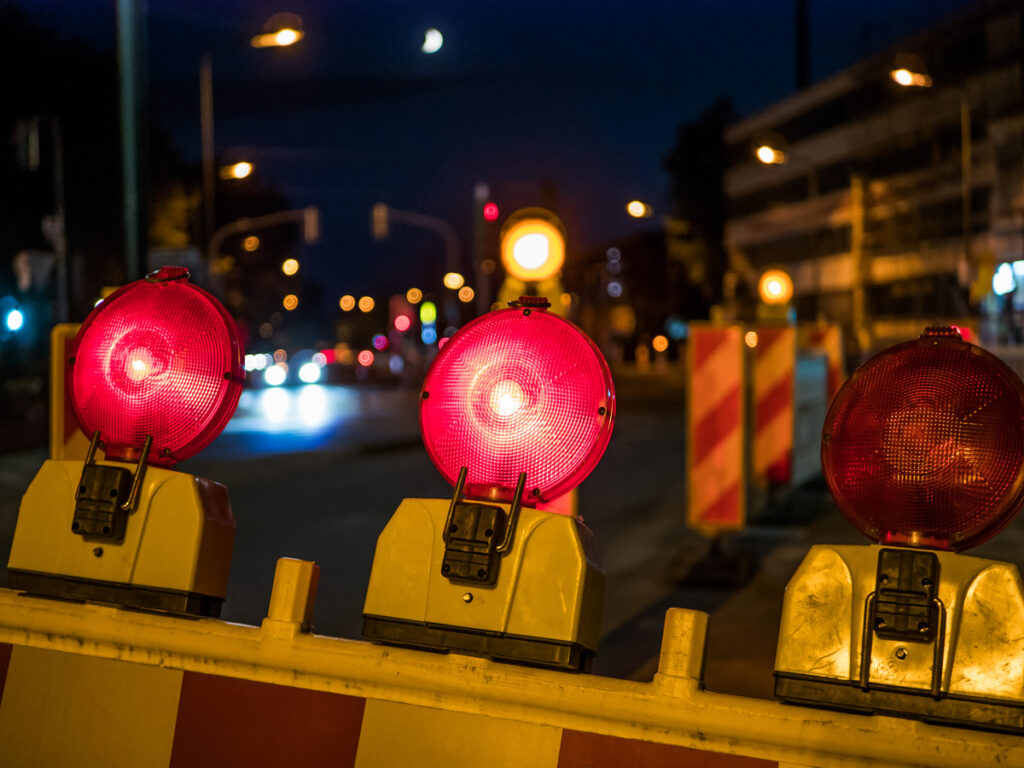
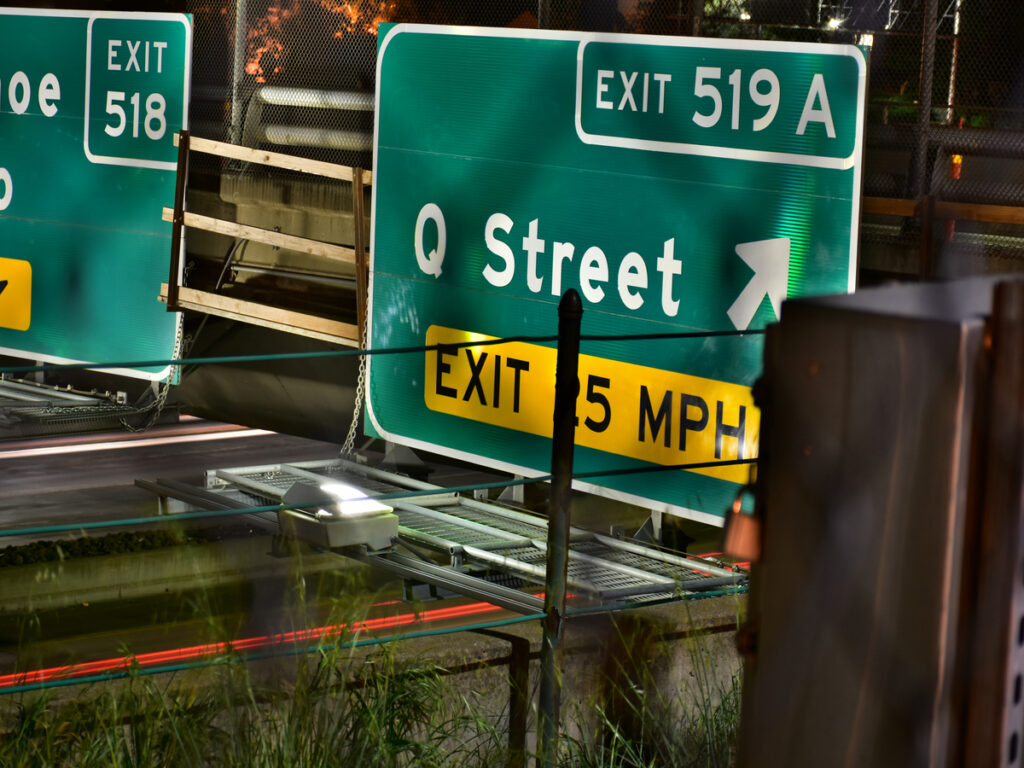
高速道路の交通標識 交通管理にとって非常に重要です. 適切な場所に標識があると、ドライバーは迅速に選択し、衝突を回避できます。. 優れた管理には、見やすく適切な場所に設置される標識が必要です. 専門家はスマートな計画と新しいツールを使用して道路をより安全にします. 研究によると、適切な道路標識はドライバーが物事に気づき、選択するのに役立ちます, 特に物事が正常ではないとき. 交通管理者は、ドライバーを支援し、交通を円滑に進めるために、適切な場所に標識を設置する必要があります。. 交通管理のあらゆる部分が道路を安全にし、より良く機能させるよう努めています.
で オプトラフィック, 私たちは提供することに特化しています 高品質の交通標識 安全性と交通の流れを改善するように設計されています. 当社の先進的な製品, 耐久性のあるアルミニウム標識と反射材を含む, あらゆる道路環境でも視認性と有効性を確保. 道路の交通管理の強化をお手伝いします.
キーテイクアウト
- 適切な場所に標識を設置すると、ドライバーの安全を守ることができます. 事故も減ります. ドライバーがすぐに見える場所に標識を設置する.
- 標識は見やすい色と形を使用する. 赤は危険を示します. 緑色は安全であることを意味します. これにより、ドライバーは迅速に行動できるようになります.
- 標識を頻繁に確認して修正します. 人々に見えるようにする. 標識は木や建物で隠れてはなりません. これにより道路の安全が保たれます.
- 事実に基づいて標識を設置する場所を決定する. 交通パターンと事故レポートを確認する. これは、標識が最も必要な場所を示しています.
- MUTCD のようなルールに従ってください. これにより、標識の配置が同じになり、すべてのエリアで役立ちます.
高速道路の交通標識の重要性
ドライバーの行動への影響
高速道路の交通標識は、ドライバーが何をすべきかを知らせるのに役立ちます. これらの標識は色を使用しています, 形, 選択を導くための明確な言葉. 赤は危険を意味します. 緑色は安全であることを意味します. 八角形は一時停止標識に使用されているため、ドライバーはすぐに気づきます. 研究によると、誰かの出身地と話す言語が標識の理解方法を変える可能性があることがわかっています. 異なる場所の人々は、同じ標識に対して異なる反応をする可能性があります. 標識がどれだけ見慣れているか、どれだけ本物に見えるかは、人々がそれを理解するのに役立ちます. 交通管理チームはこれらの事実を活用して道路をより安全にします. ドライバーが早期に視認でき、対応する時間が取れる場所に標識を設置します。. これにより、交通の流れを維持し、危険な行為を阻止することができます。.
- 色: 赤は危険を意味します, 緑色は安全を意味します.
- 対比: 強いコントラストで標識が見やすくなる.
- 形: 特殊な形状により、ドライバーは標識を素早く見つけることができます.
混乱と間違いを減らす
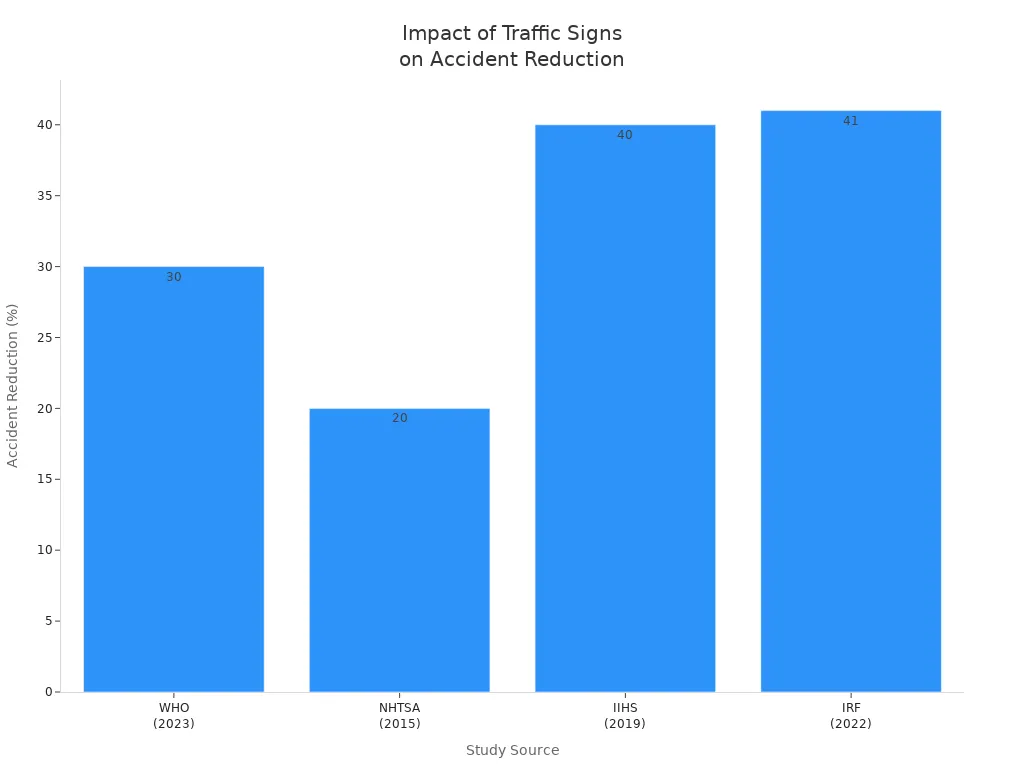
明確な標識はドライバーの間違いを減らすのに役立ちます. 標識が見やすく読みやすい場合, ドライバーはより良い行動を選択する. 交通管理者はデータを使用してドライバーが混乱する場所に標識を設置します, 交通量の多い交差点や高速道路の出口など. 以下の表は、標識が事故や間違いを減らすのにどのように役立つかを示しています:
| 研究ソース | 調査結果 | 事故への影響 |
|---|---|---|
| 誰が (2023) | 道路標識は事故のリスクを減らすことができます | まで 30% |
| nhtsa (2015) | 速度制限標識はスピード違反をカットします | まで 20% |
| IIHS (2019) | 一時停止の標識により追突事故が軽減される | 40% |
| IRF (2022) | 道路標識のおかげで事故が減った | 41% |
| アギャポン & 大城 (2018) | 道路標識は歩行者や自転車の安全を守るのに役立ちます | 事故の大幅な低下 |
| ビーンランドら. (2013) | 標識を見て衝突を避けるドライバー | 多くのドライバーが同意する |
| ウッズ (2021) | 警察は道路標識は非常に重要だと言う | 安全のために必要 |
交通安全の強化
交通管理チームは道路上の全員の安全を守るために働いています. 標識やその他のツールを使用して、ドライバーに前方の変化や危険について警告します。. 適切な場所に標識を設置すると、ドライバーは安全を確保し、衝突を回避できます。. 標識が見やすく、良好な状態に維持されると、道路はより良くなります. 全国共同高速道路研究プログラムは、交差点に追加の道路名標識がドライバーの安全を守るのに役立つと述べている. 標識が機能するためには、標識がどこに設置され、どの程度適切に管理されているかが重要です.
全国共同高速道路研究プログラム (NCHRP) 500 シリーズレポートでは、道路名標識を追加することで交差点でのドライバーの安全を確保できると報告されています. 標識は、うまく機能するように、見やすく、扱いやすいものである必要があります.
交通管理チームはこれらのアイデアを使用して道路をより安全にし、誰もがより快適に移動できるようにします.
標識の設置における重要な要素
道路の種類と環境
道路の種類や場所によって標識の立て方が変わります. 高速道路, 街の通り, 田舎の道はそれぞれに問題がある. 高速道路で, 車は速く進みます. ドライバーは標識を見て選択するためにより多くの時間を必要とします. ドライバーが安全に行動できるように、標識は十分前方にある必要があります. 都市で, 岐路や見るべきものがたくさんあります. ここの標識は見つけやすく、頻繁に現れるはずです. 田舎道で, 見るものはあまりありません. 標識は遠くからでも目立つ必要がある.
標識が異なる場所に行くと多くのことが変わります:
- 車が多いと標識が見えにくくなる.
- 複雑な道路設計には明確な標識メッセージが必要.
- 3 車線以上の道路には大きな標識が必要です.
- カーブや坂がある場合は、より早く標識を設置する必要があることを意味します.
- 多くの出口が近くにある場合は、慎重な計画が必要です.
- 大型トラックは小さな標識を妨げる可能性があります.
- 街灯や混雑した背景により標識が隠れる可能性があります.
- 速い車には早期に警告する標識が必要です.
- 毎回同じ場所にある標識がドライバーをサポートします.
- 地面に標識を設置するスペースがあまりないため、標識は頭上に設置されます.
- 2つの高速道路が合流する場合、または左側の出口がある場合, 兆候には特別な注意が必要です.
ドライバーが安全に行動できるように、標識は適切なタイミングで情報を提供する必要があります. 標識は見やすさが大切. 標識は木や建物で遮られてはなりません. 標識が古くなったり壊れたりした場合, ドライバーはよく見えない可能性があります. 天候や植物も兆候を隠したり、長く続かなかったりする可能性があります.
ヒント: ドライバーが早期に見つけて安全に反応できる場所に標識を設置します. 視界を遮る可能性のあるものを探す, 木の枝や新しい建物など.
ドライバーの速度と反応時間
ドライバーがどれだけ速く進み、どれだけ早く反応するかが標識の設置に重要です. 速い車は標識を見て行動するためにより多くのスペースを必要とします. 高速道路で, ドライバーが選択する前に標識を設置する必要がある. これにより、人々はゆっくりする時間を得ることができます, 車線変更, または安全に道路から離れてください.
ドライバーが標識にどのように反応するかを調査した研究:
| ドライバーカテゴリー | 速度削減 (MPH) | 反応時間の比較 |
|---|---|---|
| より速いドライバー | 0.7 に 3.0 | 先に反応しました |
| 平均的なドライバー | 1.2 に 3.0 | – |
| 遅いドライバー | – | – |
速いドライバーは通常、より早く反応します, しかし、すべてのドライバーはクリアの方が優れています, 初期の兆候. 標識が出口や危険に近すぎる場合, ドライバーは曲がり角を間違えたり、突然停止したりする可能性があります. これは危険な可能性があります. チームはこれらの事実を利用して、速度とドライバーの行動に基づいて標識を設置する距離を決定します。.
標識の可視性と障害物
兆候が見えることは非常に重要です. ドライバーは標識を素早く読まなければなりません, 悪天候や夜でも. 木のようなもの, 建物, または、駐車した車が標識を妨げる可能性があります. 照明や看板が多すぎると標識が見えにくくなることがあります.
研究によると、気を散らすものが増えると、, ドライバーは標識だけを認識します 60 足先, ない 110 足. 看板の文字の種類も重要. Clearview フォントを使用すると標識が読みやすくなります 16% 夜の方が良い. 明るい色と大きな文字の看板が読みやすい. 蛍光色で看板が目立ちます, 特に暗いとき.
| 証拠の説明 | 調査結果 |
|---|---|
| 視覚ノイズを伴う検出距離 | からのドロップ 110 ft (低騒音) に 60 ft (高騒音) |
| フォントの選択と夜間の視認性 | Clearview フォントにより可読性が向上します。 16% |
| 検出距離計算式 | 輝度に関係する, 対比, そして文字の高さ |
| 色の組み合わせと可読性 | 高輝度コントラストにより可読性が向上 |
| 蛍光色 | 予兆検知の強化 |
チームは標識スポットを頻繁に確認する必要がある. 彼らは植物を切り戻すべきだ, 壊れた看板を直す, 新素材を採用し標識を見やすくする. 標識の視認性が高いと人々の安全が確保され、ドライバーの迅速な運転に役立ちます, 賢い選択. 標識の視認性を維持する上で、さまざまな種類の反射シートがどのような役割を果たすかを理解する, ブログをチェックしてください さまざまなクラスの反射シートと道路標識におけるその用途を理解する.
視距離と配置の分析
視距離を理解する
視距離とは、ドライバーが道路の下方を見ることができる距離を意味します. 良好な視界距離により、ドライバーは高速道路の交通標識を早期に発見し、安全な選択をすることができます. 交通当局は、標識を設置する際に 2 つの主な視距離タイプを推奨しています。:
- 停止視距離: これは車が停止するために必要なスペースの合計です. ドライバーが標識を見て反応するまでにかかる時間も含まれます, プラス車を停止するのに必要な距離. 専門家は次の反応時間を使用しています 2.5 秒と減速率 11.2 フィート/秒の二乗.
- 交差点の視距離: ドライバーは交差点での明確な視界を必要とします. これにより、他の車を確認し、衝突を避けることができます. 交差点の視距が不可能な場合, 停止視距離を使用する必要があります.
適切な視距離は安全性をサポートし、管理チームが交通量の多い道路でのリスクを軽減するのに役立ちます.
道路の曲率と標高
カーブや坂道はドライバーの視界を妨げる可能性があります. これらの機能により死角が生じ、標識や他の車両が見えにくくなります。. 管理チームは、カーブや坂道の手前でドライバーが見える場所に標識を設置する必要があります. They may raise signs or move them to better spots. Reflective and lighted signs work well at night or in bad weather. Well-placed signs help drivers react faster and keep everyone safe.
- Curves and hills can hide signs and people.
- Raising or moving signs improves visibility.
- Reflective signs help at night.
- Good placement improves safety and driver understanding.
Calculating Ideal Placement
Engineers use models and tables to find the best spot for each sign. They look at the speed of traffic and the shape of the road. The table below shows how the minimum passing sight distance and K-value change with speed:
| Design Speed (MPH) | Minimum PSD for Design (ft。) | Minimum K-Value |
|---|---|---|
| 20 | 400 | 57 |
| 25 | 450 | 72 |
| 30 | 500 | 89 |
| 35 | 550 | 108 |
| 40 | 600 | 129 |
| 45 | 700 | 175 |
| 50 | 800 | 229 |
| 55 | 900 | 289 |
| 60 | 1000 | 357 |
| 65 | 1100 | 432 |
| 70 | 1200 | 514 |
| 75 | 1300 | 604 |
| 80 | 1400 | 700 |

For roads with hills, engineers use special formulas to make sure signs are visible. これらの公式は、管理チームが安全性を高く保ち、ドライバーが標識を見て反応するのに十分な時間を確保するのに役立ちます。.
ヒント: 新しい標識を計画するとき、チームは常に視距離を確認する必要があります. これにより道路の安全が確保され、誰もが自信を持って移動できるようになります.
効率的な高速道路レイアウトのベスト プラクティス
事前の警告と決定事項
事前警告標識はドライバーが変化に備えるのに役立ちます. これらの標識はドライバーに前方のカーブや危険を知らせます. チームは少なくとも警告標識を設置する 100 カーブの手前の足元. これにより、ドライバーは速度を落として安全を確保する時間が与えられます. アライメント警告標識用, エンジニアは可読距離を使用します 180 単純な道路用のフィート. 彼らは使用します 250 より困難な道路に適した足. 小さな文字や長いメッセージの看板には、より多くのスペースが必要です. ドライバーは状況を確認するのに十分な時間が必要です, 読む, そしてサインに反応する. チームは、さまざまな天候や交通状況で標識がどのように機能するかを確認します. これは、道路を安全に保つのに役立ちます.
- カーブや危険箇所の前に警告標識を設置する.
- 標識のサイズとメッセージの長さの配置を変更する.
- あらゆる状況で標識がどのように機能するかを確認する.
標識の高さと位置
標識の高さと位置により、ドライバーは高速道路の交通標識を視認しやすくなります. に標識を掲げる 6.5 メーターがドライバーの注意力を高める. 標識が横にありすぎて見えにくい. ほんのりです 25% 実際のドライバーが注目する垂直標識の割合. 以下の表は、標識の高さと設置場所がドライバーの反応をどのように変化させるかを示しています。:
| 要素 | ドライバーへの影響 |
|---|---|
| 高い標識の高さ | ドライバーはより注意を払う |
| 横方向の配置 | 標識が見えにくくなり、気づきにくくなる |
| 視覚的検出率 | のみ 25.06% 注目を集める垂直看板 |
情報が多すぎる標識は読むのに時間がかかる. 標識に 5 つまたは 6 つを超える道路名がある場合, ドライバーの反応が遅くなる. チームはメッセージを短く明確に保つ. これにより、ドライバーが迅速に選択するのに役立ちます.
標識の乱雑さを最小限に抑える
標識が多すぎない効率的な高速道路レイアウト. 標識が多すぎるとドライバーが混乱し、速度が低下します. チームは明確な順序で標識をデザインし、矢印を使用してドライバーを誘導します. 研究によると、ドライバーはボトムアップの順序と明確な矢印により標識をよりよく理解できることが示されています. 都市名の前にイベント情報を置くことで、ドライバーがより早く理解できるようになります. 以下の表は重要な結果を示しています:
| 発見 | 説明 |
|---|---|
| 理解の影響 | 明確な順序と矢印はドライバーの理解に役立ちます |
| 設計階層 | ボトムアップの順序と明確な矢印が最適です |
| イベントの場所 | 都市前のイベントはドライバーの理解を助ける |
| 矢印タイプ | 透明な矢印は無地の矢印よりも効果的です |
チームは標識の配置を頻繁にチェックします. 不要な標識を削除します. 道路に合わせてデザインを更新します. これにより、情報が明確に保たれ、高速道路のレイアウトが適切に機能するようになります。.
データドリブンの交通管理計画
優れた交通管理計画ではデータを活用して道路をより安全にします. チームは車がどのように動くかについての事実を収集します, クラッシュが起こる場所, そしてドライバーはどのように行動するか. 彼らはこの情報を見て、標識をどこに設置すべきか、道路をどのように修正するかを決定します。. 道路を注意深く監視することで、チームは問題を早期に発見できます. クラッシュが起こる前にこれらの問題を解決できる.
交通流データの利用
交通流データは、車が道路上をどのように移動するかをチームに伝える. チームはこのデータを使用して混雑したスポットを見つけます, 減速, そして、たくさんのクラッシュがある場所. 計画を変更し、ドライバーが最も必要とする場所に標識を設置することができます. 例えば, ノースカロライナ州運輸省はプローブの速度データを使用しています. これにより、交通状況を監視し、問題をすぐに発見することができます. 信号のタイミングを変更したり、標識をより良い場所に移動したりできます. さまざまなデータを確認することで, チームは賢明な選択をして道路の安全を守ることができます.
交通流データを使用するための主な手順:
- カメラやセンサーから速度と車両数のデータを取得.
- 事故報告書とドライバーの苦情を確認する.
- 新しいトレンドが現れたら交通計画を変更する.
- 交通影響分析を使用して、変更が安全にどのように役立つかを推測します.
テクノロジーと GIS ツール
新しいテクノロジーにより、交通量の監視と計画が容易になります. 地理情報システム (GIS) チームが道路の地図を作成するのを手伝う, サイン, そしてトラブルスポット. GISあり, チームは、標識が必要な場所と、標識が見やすいかどうかを確認できます。. 例えば, Avid4 Engineering は、ペニントン郡署名および線引きプロジェクトに GIS を使用しました。. これにより、大量のデータを処理し、コストを節約することができました. チームは GIS を使用して現場の作業員と地図を共有することもできます. これにより、標識の構築とチェックがより速くなります.
テクノロジーと GIS ツールを使用する利点:
- 交通状況や標識の状況をリアルタイムで監視する.
- モデルを使用して危険な場所を見つける.
- チームメンバー全員と簡単に情報を共有.
- 新しいプロジェクトのトラフィック影響分析を改善する.
データ主導の交通管理計画では、これらのツールを使用して道路を安全に保ち、標識を役立ちます. チームは状況が変化したときに迅速に行動し、すべての兆候がドライバーの適切な選択に役立つことを確認します.
法的および規制基準
MUTCD と国家ガイドライン
均一な交通制御装置に関するマニュアル (mutcd) 米国における高速道路標識の設置に関する主な規則を示します。. このガイドにより、ドライバーはどこに行っても同じ標識が見えるようになります. 国家は追加の規則を作ることができる, ただし、メインガイドとして MUTCD を使用する必要があります. MUTCD は、標識は明確で読みやすくなければならないと述べています. 標識は昼も夜も見やすくなければなりません. 手紙, シンボル, 矢印はドライバーが速く読めるように十分な大きさにする必要があります. MUTCDはまた、ドライバーが反応して安全を確保できる時間がある場所に標識を設置する必要があるとも述べている.
交通管理チームは MUTCD を使用して標識スポットを選択します. 警告標識は最適な場所を見つけるために特別な計算が必要です. これらの計算ステップでは、ドライバーがどのように認識して反応するかを使用します。. MUTCDは、方向標識と公式標識は道路の近くになければならないと述べています. これにより、ドライバーが必要なときに重要な情報を入手できるようになります.
| サインタイプ | 説明 |
|---|---|
| 規制 | 標識はドライバーに規則や法律について知らせます. 彼らはルールが始まるところへ行く. |
| 警告 | 標識の配置には計算が必要です. ドライバーの反応時間を利用する. |
| ガイド | 標識はドライバーに道順や役立つ情報を提供します. |
| 学校 | 標識は子供たちの安全と交通整理に役立ちます. 混乱を避けるために、それらは同じに見える必要があります. |
ヒント: MUTCD を使用すると、チームは道路を安全に保ち、交通を円滑に進めることができます.
地域適応
各国は自らのニーズに合わせて標識ルールを変更する. これらの変化は天候に役立ちます, 言語, そして道路の問題. 例えば, カリフォルニア州は州道に特別な形状のシールドを使用しています. ニューヨークは米国の一般的な盾の形状を使用しています. ルート. ニューヨーク州北部がネイティブアメリカンの居留地の近くに二か国語の標識を設置. フロリダ州は強力なアンカーを使用しているため、ハリケーンの中でも標識が立ち続けることができます. テキサス州とアリゾナ州では、すべてのドライバーに二か国語の標識と明確な記号を使用しています. ネバダ州は観光地の近くに標識を設置して、人々が観光地をよく見えるようにする.
| 州 | 適応の説明 |
|---|---|
| カリフォルニア | 州道専用の特殊なシールド形状を採用. これにより、ドライバーは標識をよりよく見るのに役立ちます. |
| ニューヨーク | 米国向けの一般的なシールド形状を使用. ルート. ここがカリフォルニアとは違う. |
| ニューヨーク州北部 | ネイティブアメリカンの居留地の近くに二か国語の標識を設置. 標識には英語と母国語が表示されています. |
| フロリダ | 標識には強力なアンカーを使用. これにより、ハリケーンでも標識が長持ちします. |
| テキサス | 英語とスペイン語の二か国語の標識を使用. これは多くの人を助けます. |
| アリゾナ | 明確な記号と色を使用して砂嵐と暑さを警告します. |
| ネバダ | 観光地や大きな道路の近くに標識を設置し、人々が目にしやすいようにする. |
地域の変更は、チームが州と国の両方の規則に従うときに最も効果的に機能します. これにより道路の安全が確保され、すべてのドライバーが標識を理解できるようになります。.
ケーススタディと実世界の例
速度制限標識の設置
都市と田舎では、速度制限標識を設置する方法が異なります。. デクスターにある, 計画立案者はF-65の両側に速度フィードバック標識を設置. これらの標識はドライバーが大幅に速度を落とすのに役立ちました. まで 46% 制限速度を超えるドライバーが減った. 以下の表は何が起こったかを示しています:
| 市 | アプローチ | 車道 | % 10 公示速度を超えるマイル/時 | % 15 公示速度を超えるマイル/時 |
|---|---|---|---|---|
| デクスター | 西 | F-65 | -13% | -16% |
| デクスター | 東 | F-65 | -46% | 0% |
ある都市は自転車道に速度フィードバック標識を設置した. これにより、ドライバーは交通量の多い交差点で徐行するようになりました. 別の都市は学校や家の近くに標識を設置した. 駐車中の車や木々の上に標識が見えやすかった. ドライバーはこれらの標識を見て速度を落としました.
出口および誘導標識
高速道路チームは交通量の多い場所に出口や誘導標識を設置するために懸命に取り組んでいます. 研究によると、より良い誘導標識はドライバーがより安全な選択をするのに役立ちます. 以下の表は、チームが発見したものを示しています:
| 研究の焦点 | 重要な調査結果 |
|---|---|
| 密集したインターチェンジにおける案内標識の最適設計 | 運転行動の改善とより安全な車線変更 |
| 事前案内標識の最適なデザイン代替案 | 都市高速道路に必要な柔軟な配置距離 |
チームは出口ランプの前に事前案内標識を設置. これはドライバーが車線変更の準備をするのに役立ちます. 土壇場での動きも止めます.
警告サイン
衝突事故が多発する場所では、警告標識が非常に重要です. で 2022, ほとんど 900 米国の作業地帯での衝突事故で人が死亡. 犠牲者のほとんどは運転手か同乗者だった. 明確な警告標識は、ドライバーが速度を落とし、予期せぬ事態を回避するのに役立ちます. メリーランド州, 行方不明の “肩を閉じた状態” 標識は混乱を引き起こし、ひどい衝突を引き起こした 2023. チームは、標識を頻繁にチェックし、それを明確に保つことが命を救うことを学びました.
注記: 適切な管理とは、標識を頻繁にチェックし、標識が道路と一致していることを確認することを意味します.
最適な道路レイアウトの設計
標識の設置と道路設計の統合
エンジニアは標識の配置を道路の形状に合わせて最適な道路レイアウトを計画します. 彼らは、ドライバーが旅行中に標識をどのように見て使用するかを監視しています. 優れたデザインは、ドライバーが正しい車線を選択し、安全に移動するのに役立ちます. チームは明確な図式標識と車線を使用して車を誘導します. シンプルな標識は、ドライバーが冷静さを保ち、混乱するのを防ぐのに役立ちます. 標識と道路標示が連携するとき, ドライバーはハード出口でより良い選択をする.
| 勉強 | 調査結果 |
|---|---|
| バージニア高速道路研究評議会 | ダイアグラム標識はドライバーがより速く車線を選択するのに役立ちます. |
| ロバーツとクリップルの研究 | 明確な標識と車線の境界線により乱暴な動きを減らす. |
| マストとコルスラッドの研究 | ハード出口で良い標識があればドライバーはより良い選択をした. |
| TTI ヒューマンファクター研究 | シンプルな標識は安全を確保するのに役立ちます; 情報が多すぎるとドライバーが混乱する. |
管理チームは標識が道路に適切に適合しているかどうかを確認します. 彼らは標識がより高く、またはより近くにあるべき場所を探します. また、どんな天候でも標識が見えやすいかどうかもチェックします. これにより交通の円滑化が図られ、安全運転がサポートされます。.
効率的な高速道路レイアウトの実現
最良の道路レイアウトには明確な標識が使用されます, 強力な舗装標識, スマートなレーンデザイン. 標識はドライバーが目で見てすぐに理解できる場所になければなりません. サインが早すぎるか遅すぎる場合, 危険な動きを引き起こす可能性があります. 明確な標識は事故を阻止し、安全を第一に保つのに役立ちます. ドライバーを誘導する路面標示, 霧や暗闇の中でも. 明るくて丈夫なマーキングにより、ドライバーは正しい車線を維持できるようになります.
- 標識はドライバーが見てすぐに理解できる場所に設置する必要があります.
- サインが早すぎたり遅すぎたりすると、配置を誤ると危険な動きを引き起こす可能性があります.
- 事故を阻止し、安全を守るためには、明確な標識が重要です.
- ドライバーを助ける路面標示, 特に見るのが難しい場合, だから明るくて長持ちするはずです.
- 特定の車のための特別な車線は、交通の移動と渋滞の停止に役立ちます.
- 優れたサインデザインは、シンプルな写真で明確なメッセージを迅速に提供します.
- 標識がどこに行くかが重要; 見やすく、ドライバーが反応する時間を与えられるものでなければなりません.
管理チームは次の手順を使用して、最適な道路レイアウトを構築します。. 道路の各部分をチェックし、交通量の変化に応じて標識を更新します. この取り組みは、誰もが安全に移動し、道路が正常に走行できるようにするのに役立ちます.
高速道路標識を適切に配置するには、いくつかの重要な手順が必要です. チームは大きな看板を使用します, 適切な高さ, 人々の安全を守る明るい色. 彼らは交通の流れを観察し、多くの車が行き交う場所に標識を設置します. 研究によると、明るくシンプルな標識はドライバーの迅速な行動に役立つという. これにより、道路がより安全になり、交通の流れが良くなります. インテリジェント車両ハイウェイ システムなどの新しいツールにより、チームが道路を管理し、さまざまなニーズに対応できるようになります. 道路の安全と機能を維持するために、チームは標識計画を頻繁にチェックして変更します.
| 勉強 | 調査結果 |
|---|---|
| 劉ら。. | ドライバーは標識をより早く発見できる, 安全と交通に役立ちます. |
| シュネルら. | 大きくて明るい標識は道路をより安全にし、ドライバーの運転を助けます. |
チームは標識に注意し、全員の安全を守るために場所を変更する必要があります.
よくある質問
高速道路標識の配置に影響を与える要因?
チームは道路を使用する車の数を調査する. どのような道路なのかも確認します. ドライバーのスピードも重要. チームは標識を見やすくする. 管理者はこれらの事実を利用してドライバーの安全を確保します. 適切な標識の配置により、人々は理解し、混乱することがなくなります.
管理者は適切な標識と視認性をどのように確保しているか?
管理者は標識を妨げるものがないか確認します. 彼らは標識がどれだけ明るく照らされているかを調べます. チームは光沢のある素材を使用しているため、夜間に標識が表示されます. 彼らは頻繁に看板を修理したり掃除したりする. 標識は十分な高さと直角に設置されている. これにより、すべてのドライバーが自分をよく見ることができます.
建設交通管理計画はなぜ重要なのか?
建設交通管理計画は、道路工事中のチームを支援します. 労働者の安全と交通の円滑を維持します. この計画では特別な標識と柵が使用されています. これらはドライバーを導き、道路で働く人々を守ります.
チームはどのくらいの頻度で標識の配置を確認する必要がありますか?
チームは標識がどこにあるかを毎年何度も確認します. 彼らは事故件数と道路の混雑状況を調べます. 道路が変わったり、新たな危険が現れたりした場合、管理者は標識を変更します. 標識をチェックすることで道路の安全が保たれ、標識が適切に機能することがよくあります.
サイン管理においてテクノロジーが果たす役割とは?
テクノロジーはチームが標識や交通を監視するのに役立ちます. GIS ツールは標識がある場所の地図を作成します. これらのツールは問題がある場所を示します. チームはライブデータを使用して標識を動かし、道路をより安全にします.