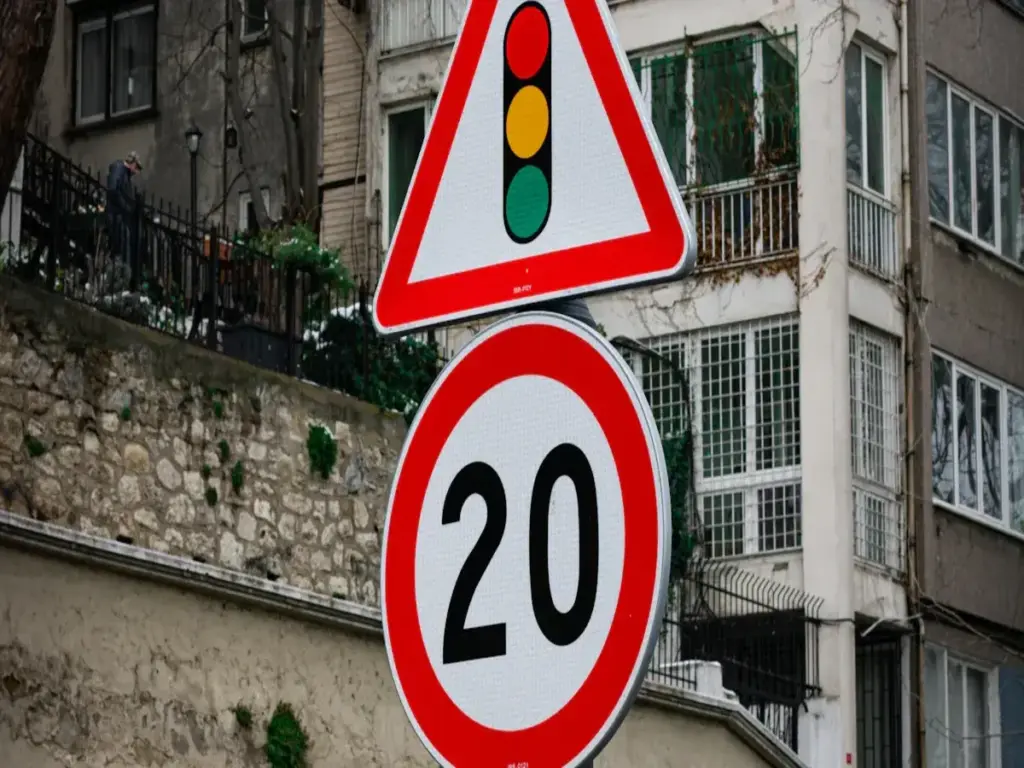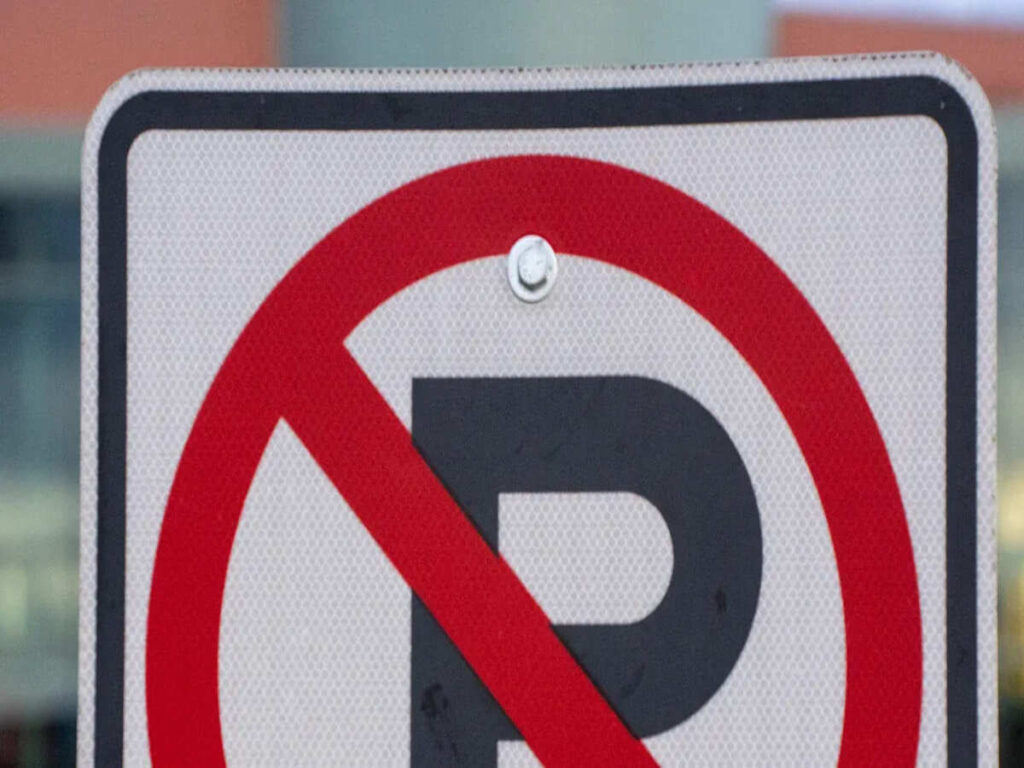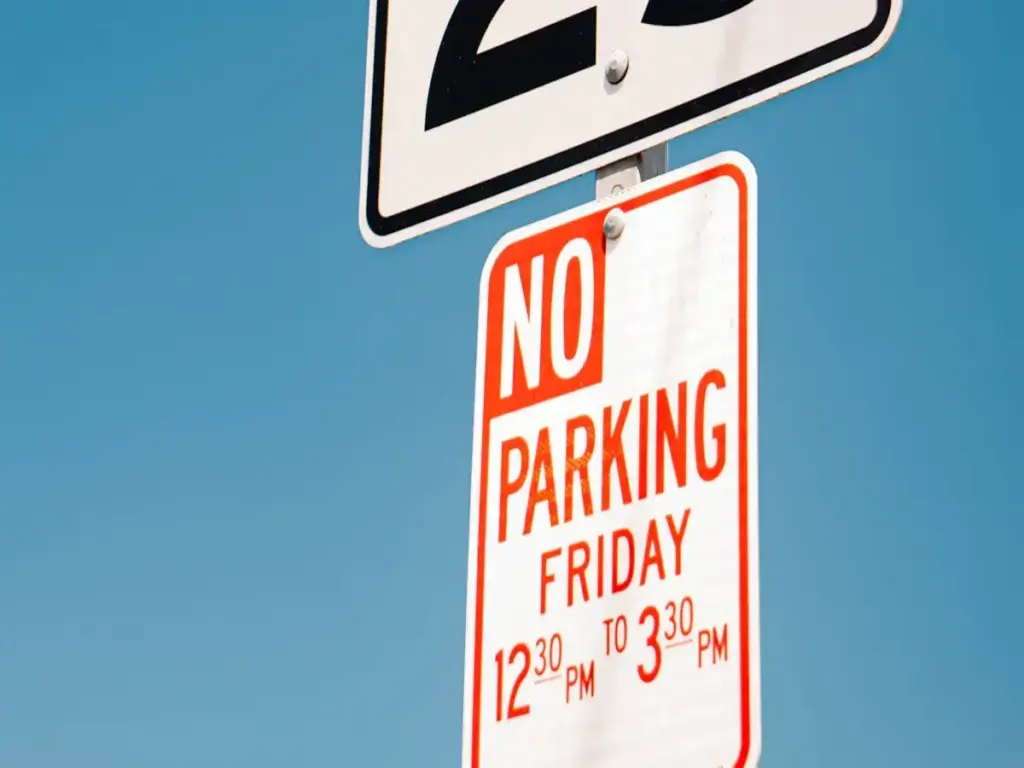
フォローしていません で 12899 standards for ヨーロッパの道路標識 can cause more accidents and legal problems. Checking Factory Production Control and certification for all traffic signs helps keep people safe. The table below shows how many accidents happen because signs are not good or missing:
| 事故の種類 | Percentage of Accidents |
|---|---|
| Caused by inadequate signs | 40% |
| Caused by unclear/missing signs | 30% |
Being careful about compliance keeps roads safer and lowers risks. Using a checklist helps keep standards and makes sure everyone stays safe on the road.
キーテイクアウト
- Follow EN 12899 standards so road signs are easy to see and safe. This helps stop accidents and keeps you out of trouble with the law.
- Use certified materials like aluminum and reflective sheeting for traffic signs. These materials help people see signs better and last longer.
- Check and fix traffic signs often to keep them following the rules. Look for damage and make sure signs are in the right spot.
- Teach workers about EN 12899 rules so they do not make mistakes. Good training helps keep everyone safe and following the rules.
- Use digital tools to track when signs are checked and fixed. This makes it simple to follow the rules and keep roads safe.
で 12899 基準 & Compliance Basics
What Are EN 12899 基準?
で 12899 gives rules for ヨーロッパの道路標識. これらのルールは、すべての人にとって道路を安全に保つのに役立ちます. Manufacturers must follow these rules when making and putting up signs. で 12899 covers all parts of a sign, like the supports, sign plates, and sign faces. It also lists important parts such as retroreflective sheeting, supports, and luminaires. Fixed signs help drivers and people walking by telling them what to do on public and private land.
The table below shows the main parts and rules in で 12899:
| Component/Requirement | 説明 |
|---|---|
| Complete sign assemblies | Has supports, サイン (sign plates with sign faces), and sign plates (without sign faces). |
| Major components | Lists retroreflective sheeting, supports, and luminaires. |
| Intended use | Fixed signs guide road users on public and private land. |
| Exclusions | Does not include sign gantry and cantilever structures, signs with discontinuous messages, 可変メッセージサイン, 等. |
で 12899 is different from other standards because it helps EU countries use the same rules. The Vienna Convention controls these standards and lets countries make changes for their needs. EU directives help keep things the same across Europe. The table below compares で 12899 with other safety standards:
| 側面 | で 12899 基準 | Other International Standards |
|---|---|---|
| Governance | Controlled by the Vienna Convention | Changes by region and country |
| Harmonization | Helps EU countries use the same rules | May not focus on harmonization |
| National Adaptations | Lets countries make local changes | Changes may be limited or not allowed |
| Implementation Variability | EU directives help keep things the same | Rules can be very different |
Why Compliance Matters for Safety
続く で 12899 makes sure traffic signs are easy to see, 最後の長い, and are clear. These rules help stop confusion and accidents. Factory Production Control and UKCA marking show that makers use the right steps and materials. Signs that meet these rules help everyone on the road.
Studies show that better compliance means safer roads. RA2 signs follow the rules 87.8% of the time and are easier to see than RA1 signs, which only follow the rules 54.1% 時の. RA2 signs have a retroreflective coefficient of 263, much higher than the 37 for RA1 signs. This means drivers can see RA2 signs better, especially at night or when the weather is bad. Gray signs that do not follow the rules 71.4% of the time can make roads less safe and put people at risk.
ヒント: To understand the key differences between RA1 and RA2 reflective sheeting, including their applications and performance, ブログをご覧ください RA1対RA2反射シート: 重要な違い, アプリケーション, とパフォーマンス.
続く で 12899 does more than meet the law. It also helps keep roads safe and builds trust in ヨーロッパの道路標識.
材料 & Labeling for European Road Signs
Certified Materials for Traffic Signs
Manufacturers need to use certified materials for traffic signs. This helps road signs stay easy to see and last longer. It also keeps everyone safe on the road. The table below lists the main standards and where they are used:
| 標準 | 地域 | 説明 |
|---|---|---|
| で 12899 | ヨーロッパ | Sets rules for fixed traffic signs, like reflectivity and durability. |
| ASTM D4956 | Global | Test method for retroreflective sheeting on traffic signs. |
Aluminum is the most popular material for traffic signs. It has many good points:
- Aluminum can be used again and again, お金を節約します.
- It is easy to recycle, so some costs can be recovered.
- Aluminum does not rust easily and stands up to bad weather.
Steel and plastic are sometimes used for traffic signs. しかし aluminum is the best choice for safety signs. Reflective sheeting is very important for making signs easy to see. Manufacturers use different kinds of reflective sheeting, like high-intensity prismatic sheeting and diamond grade reflective sheeting, to meet tough rules.
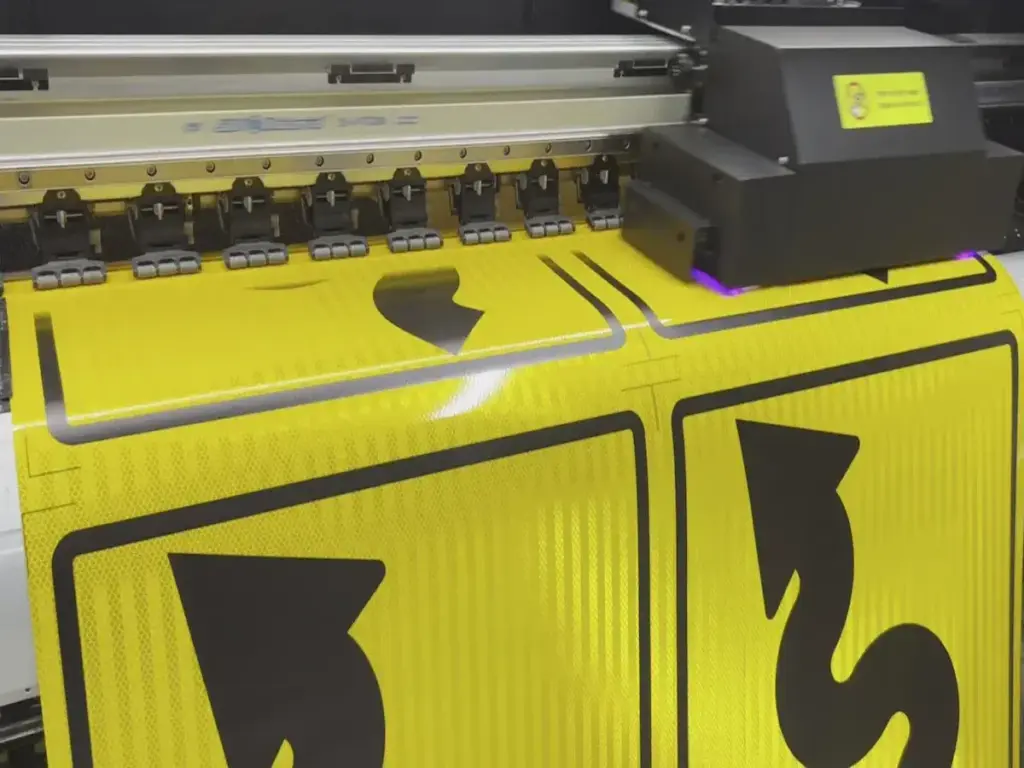
Reflective sheeting helps drivers see signs at night. It bounces car lights back to the driver. This means less need for extra lights and saves money. Retroreflective sheeting is made to be bright and have even colors. It sends light back to people so signs can be seen in the day and at night. The sheeting does not get ruined by water, 氷, または塩. This makes it last longer outside.
Labeling and Marking Requirements
で 12899 gives clear rules for labeling traffic signs. Every sign must show important details to prove it follows the rules. The basic labeling rules are:
- Manufacturer’s name or code.
- Date the sign was made.
- で 12899 standard reference.
- UKCA marking for signs in the United Kingdom.
These labels help inspectors check if signs meet safety rules. Good labeling also helps workers when they fix or change signs. Using reflective materials for labels makes sure the information can be seen even when it is dark.
ヒント: Always make sure traffic signs have labels that are easy to read and last a long time. This helps keep up with the rules and makes audits easier.
Manufacturers must use strong reflective sheeting for all labels and markings. This keeps the information clear and stops it from fading. High-intensity prismatic sheeting and diamond grade reflective sheeting work best for sign faces and labels.
Traffic signs with good labels and certified materials help keep roads safe. Regular checks make sure all signs still follow で 12899 基準.
寸法, 可視性 & Safety Performance
Correct Dimensions for Traffic Signs
Traffic signs need to be the right size and shape. This helps drivers see and understand them fast. ヨーロッパの道路標識 have set measurements for each sign type. These types include regulatory, 警告, および情報サイン. Bigger and brighter signs help drivers notice them quickly. これにより、誰にとっても道路が安全になります. The height of letters on signs matters a lot. Larger letters let drivers read signs from farther away. This is very important for fast-moving traffic. A visibility chart shows what letter size works best in each place. Stop signs that are the right size help drivers see them sooner. This is needed for safe driving. Small signs are harder to see in busy areas. Drivers may miss them, which can cause more accidents.
ヒント: Always check sign sizes and letter heights. This keeps signs easy to see and helps keep people safe.
Reflectivity and Visibility Standards
Reflective sheeting helps traffic signs stand out day and night. で 12899 sets rules for how bright signs must be. These rules are different for each sign color. This helps drivers see signs at night and in bad weather. The table below shows the minimum brightness for each color:
| サインカラー | 最小再帰反射レベル |
|---|---|
| Black on Yellow | ≥ 50 |
| 赤地に白 | 白≧ 35; 赤≧ 7 |
| Contrast Ratio | ≥ 3:1 |
Road sign manufacturers use special reflective sheeting to meet these rules. Some types are high-intensity prismatic and diamond grade. Photometric tests check how well signs reflect light. These tests also check how bright signs are. Day and night checks look for sharp edges and strong sign faces. Reflective sheeting keeps signs clear and easy to see. This lowers confusion and helps keep roads safe.
Durability for Road Safety
Traffic signs must last a long time to work well. で 12899 says materials must pass tough tests. These tests check for weather damage, さび, and strong impacts. The table below lists the main durability rules:
| 要件 | 説明 |
|---|---|
| Performance Grades | Sets grades for retroreflective films (RA1, RA2) |
| Durability Tests | Includes peel adhesion strength and long-term performance |
| Environmental Resilience | Materials must withstand temperature cycling and accelerated aging |
| Compliance Impact | Ensures signs remain legible and functional for public safety |
Bad weather and pollution can make signs wear out faster. Good reflective sheeting and smart placement help signs last longer. This keeps them easy to see. Regular checks make sure signs still follow the rules. これは、すべての人にとって道路を安全に保つのに役立ちます.
Compliance Audits & 継続的なメンテナンス
How to Audit Traffic Signs
Auditing traffic signs helps groups follow the rules and keep roads safe. Inspectors look at materials, ラベル, そして、兆候がどれほど簡単であるか. They make sure every sign meets the rules. Audits check what kind of reflective sheeting is used. Inspectors also look for the right labels and measure each sign’s size. They check if the reflective part is in good shape. They make sure signs can be seen in all kinds of light.
A simple checklist for auditing traffic signs includes:
- Make sure signs use certified materials like aluminum and approved reflective sheeting.
- Look for clear and strong labels with maker details and rule references.
- Measure sign size and letter height to match european road signs rules.
- Test how well signs reflect light with photometric tools.
- Check for broken, 色あせた, または標識が欠けています.
- Look at where signs are placed to make sure drivers can see them.
ヒント: Auditors should look closely at important signs like STOP and YIELD. These signs matter most for keeping traffic safe.
Maintenance for Continued Compliance
Regular care keeps traffic signs following the rules and helps road safety. Groups should plan checks to watch the reflective sheeting and change signs that are worn out. Night checks help see if signs are easy to spot. Retroreflectometers test how well signs reflect light. Watching how long each sign lasts helps groups know when to replace them. This stops problems with following the rules.
| メンテナンスの実践 | 説明 |
|---|---|
| Visual nighttime inspection | Regular checks to see if signs are easy to spot at night. |
| Measured sign retroreflectivity | Use a retroreflectometer to test how well signs reflect light. |
| Expected sign life | Watch how long signs last to plan when to change them. |
| Performance of control group signs | Check a few signs to make sure they follow the rules. |
| Blanket replacement | Change all signs in one area at the same time to keep standards. |
Taking good care of reflective sheeting and traffic signs helps follow the rules and makes roads safer. Regular checks and fast fixes keep signs easy to see and protect everyone on the road.
一般的な落とし穴 & How to Avoid Them
Frequent Compliance Mistakes
Many groups have trouble following で 12899 rules for traffic signs. These mistakes can make roads less safe and cause legal trouble. Here are some common errors:
- Picking the wrong sign size makes signs hard to see.
- Putting signs too high or at a bad angle makes them hard to spot.
- Not using reflective sheeting means drivers can’t see signs at night.
- Forgetting to check or change broken or faded signs is a problem.
- Using the wrong symbols or colors confuses people on the road.
- Not planning well for temporary signs leads to messy setups.
- Not giving workers enough training on the rules causes mistakes.
- Skipping regular checks of temporary signs is risky.
- Not working with local councils can lead to rule problems.
- Not following the right steps for temporary signs is a mistake.
These errors can cause big problems. The table below shows what can happen if groups do not follow the rules for traffic signs:
| 国 | 結果 |
|---|---|
| フランス | You can get a €135 fine, lose 4 ポイント, and lose your license for 3 years if you ignore road signs. |
| ドイツ | You may get a €300 fine for unsafe passing if you break road sign rules. |
| EU-wide | You could get any fine or even go to jail if you cause a crash by ignoring signs. |
| 一般的な | より多い 20,000 people died on European roads last year, showing how dangerous it is to not follow the rules. |
Tips for Staying Compliant
Groups can avoid these mistakes by taking simple steps. Training helps workers learn the newest rules for traffic signs. Digital checklists help keep track of checks and repairs. Technology makes it easier to follow the rules and fix mistakes. Apps let teams check signs fast and share reports right away.
ヒント: Use digital tools to keep track of all sign checks and repairs. This helps everyone know what was done and makes sure every sign follows で 12899 ルール.
Other good ideas are:
- Plan regular checks for all traffic signs, especially ones with reflective sheeting.
- Change faded or broken reflective sheeting right away so signs stay bright.
- Work with local councils to make sure all signs follow the rules.
- Only use certified reflective materials for every sign and label.
- Make a plan for temporary signs and check them often.
これらのことをすることによって, groups can make roads safer, ルールに従ってください, and keep a good name.
Groups follow で 12899 by using strict rules for making signs. They test and take care of traffic signs often. 定期的なチェックにより、色あせた看板や壊れた看板を見つけることができます. Checks also spot old information and signs in bad spots. これにより、誰にとっても道路が安全になります. Talking to certified suppliers helps avoid fines. It also saves money on new signs. Getting signs checked early helps groups get better and plan well. Managers should check all signs now. They should sort signs by how well they follow the rules. They need to work together to change signs and keep roads safe.
で オプトラフィック, we are committed to ensuring that your road signs meet the highest standards, 含む で 12899. Our team provides high-quality, durable signs that adhere to both local and international regulations. By working with us, you can ensure that your road signs are always up-to-date, 見える, and compliant, すべての人のためのより安全な道路に貢献します.
よくある質問
What is EN 12899 and who needs to follow it?
で 12899 gives rules for European road signs. メーカー, ビルダー, and local groups must use these rules. This helps keep roads safe and follow the law.
How often should traffic signs be inspected for compliance?
Teams need to check traffic signs every year. Regular checks find faded, 壊れた, または標識が欠けています. これは、すべての人を路上で安全に保つのに役立ちます.
Why is reflective sheeting important for road signs?
Reflective sheeting makes signs easy to see at night. It helps drivers spot signs in low light. This lowers accidents and keeps roads safer.
What does a compliant label on a road sign include?
A good label shows the maker’s name and when it was made. It also has the EN 12899 reference and UKCA marking. These details help inspectors check if the sign follows the rules.
Can reflective signs be recycled after use?
Many reflective signs use aluminum, which can be recycled. Recycling saves money and helps the environment when making road signs.