>

ブログ

>

ドリルファースト vs. まずはラミネート: 最適な交通標識の製造方法の選択

ドリルファースト vs. まずはラミネート: 最適な交通標識の製造方法の選択

米国の影響. 交通標識製造における鋼材とアルミニウムの関税

When it comes to traffic sign manufacturing, you often have to choose between drilling first または laminating first. Many experts prefer to laminate before drilling, as this method enhances the sign’s appearance and longevity. Industry guidelines indicate that your choice should depend on the materials you use, the environmental conditions, and your production goals. It’s essential to consider these factors to select the best approach for your traffic sign manufacturing needs.

キーテイクアウト

  • Pick the drilling first method for tough materials like aluminum. It makes sure holes are in the right spot. It also helps make signs faster.
  • Use sequential lamination to make signs last longer and look better. This way stops bubbles and keeps the reflective layer safe.
  • Always clean panels well before you put on sheeting. Cleaning helps the sheeting stick better. It also lowers the chance of problems in the finished sign.
  • Choose your manufacturing method based on the materials you use. Doing this helps avoid problems and makes signs last longer.
  • Check your tools and steps often. This keeps your signs good and helps you work faster.

Drilling First Method

Process Steps

drilling first method, you make holes in the sign panel before adding retroflective sheeting. You put the aluminum or other material on a table. You use a drill press or a machine to make the holes. 穴あけ後, you clean the panel to get rid of dust and bits. それから, you put the retroflective sheeting or vinyl on the sign. You press the sheeting down to stop bubbles and make it stick well. こちらです, the sign is ready for hardware and brackets for street sign installation.

Benefits and Drawbacks

There are some good things about drilling first. こちらです, the holes are in the right place, which helps when you put the sign on a post or frame. It is faster with hard materials like aluminum because drilling does not bend or rip the panel. Drilling first also stops the holes from being in the wrong spot, which can happen if you drill after putting on the sheeting.

But there are some problems too. Drilling before lamination can hurt the edges of the holes. When you add the retroflective sheeting after drilling, air might get stuck around the holes. This can make bubbles or shiny spots, which can hurt how well the sign reflects light. The sheeting might not stick well near the holes, especially if the panel is not very clean. Water can get in over time and make the sign weaker. You should think about these things when picking the best way to make your signs.

ヒント: Always clean the drilled panels well before putting on sheeting to help it stick better and lower the chance of problems.

Sequential Lamination Method

Process Steps

You begin by putting retroflective sheeting or vinyl on the sign panel before drilling. The panel must be clean and flat. You use a roller or a laminator to press the sheeting down. This helps the sheeting stick well and cover the whole panel. After you finish lamination, you drill holes through both the panel and the sheeting. This way works for many signs, especially ones with reflective materials.

利点と短所

Sequential lamination has many good points for making signs. The sheeting sticks better because it goes right on the clean panel. This helps stop air bubbles and shiny spots near the holes. Your signs look smooth and neat. The reflective layer stays strong, so the sign is bright at night. Your signs also last longer in bad weather. 雨, 雪, and sunlight have less chance to hurt the edges of the sheeting.

There are some problems with sequential lamination. Drilling after lamination can make it tough to line up the holes. If you use the wrong tools, you might rip the sheeting or make rough edges. You must be careful during each step to avoid these problems. For big orders, you might need extra steps to work faster. まだ, many experts pick sequential lamination because it makes signs strong and nice-looking. This method is best if you want your signs to last and look good anywhere.

注記: Always use sharp drill bits and the right guides. This keeps your holes neat and your sheeting smooth when making signs.

Reflective Materials in Traffic Sign Manufacturing

Retroreflective Vinyl

Retroreflective vinyl helps signs shine at night. This material makes street signs easy to see. Drivers can spot important details quickly. You pick between drilling first or sequential lamination. Drilling first can make the vinyl stiff near holes. You might notice bubbles or weak spots close to the edges. Sequential lamination keeps the sheeting flat and tough. The vinyl sticks better to the panel. The reflective layer stays bright and clear.

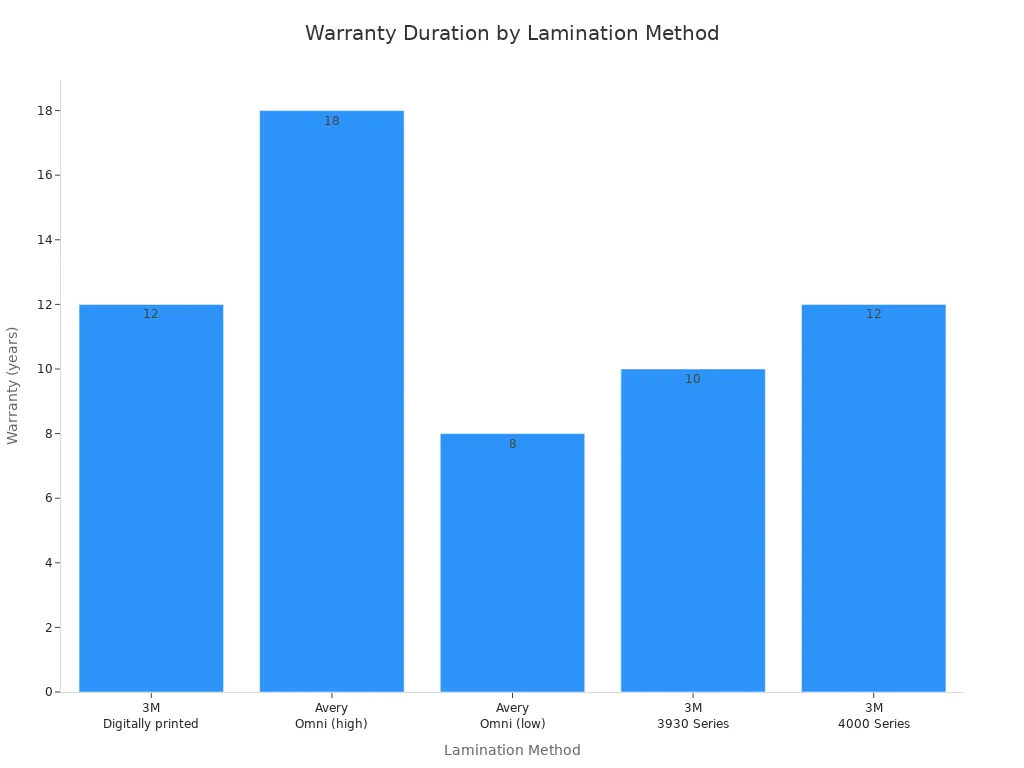
Here is a table that shows how lamination methods change the reliability and warranty of retroreflective sheeting:

Lamination MethodPerformance Details
3M Digitally printed traffic signageHigher warranty (12 年) compared to screen printed (8-10 年)
Avery reflective OmniRated for 18 年, lower reflective rated for 7-8 年
3m 3930 Series High Intensity Prismatic filmsCertified for 10 years with 3M Traffic MCS Warranty
3m 4000 Series Diamond Grade Reflective filmCertified for 12 years with 3M Traffic MCS Warranty
Bar chart comparing warranty duration of retroreflective vinyl lamination methods

You can see that sequential lamination gives longer warranties. It also makes signs more reliable. This process protects the reflective layer. It helps your sign production stay quick and smooth.

Aluminum Sheeting

Aluminum sheeting makes signs strong and sturdy. You use it for most outdoor signs. It does not rust and stays flat. Drilling first works well with aluminum panels. The panel stays firm, and you get neat holes for mounting. 穴あけ後, press the sheeting down to stop bubbles. Sequential lamination works too, but you need sharp tools. You drill through both the sheeting and metal. The reflective surface stays smooth and bright if you follow the steps. Your production goes fast, and signs last longer in bad weather.

その他の材料

Sometimes you use plastic or fiberglass for special signs. These materials bend more than aluminum. Drilling first can crack or bend the panel. Sequential lamination helps keep the sheeting flat and the sign strong. You get better sticking and fewer problems. The reflective layer stays clear, and signs look neat. You pick the process based on your design and needs. You keep sign production steady by matching the method to the materials.

ヒント: Always match your lamination and drilling steps to the type of sheeting and panel material. This keeps your signs strong and your production easy.

Durability and Environmental Performance

気象抵抗

You want your street sign to last in bad weather. 雨, 雪, and sunlight can hurt signs. How you make the sign changes how strong it is. If you drill first, water can get in the holes. This happens after you put on the sheeting. Water makes the sheeting and panel come apart over time. If you use sequential lamination, you seal the panel first. You put on retroflective sheeting before drilling. This stops water and dirt from getting under the sheeting. Your signs stay strong and bright in tough weather.

Reflective Layer Protection

It is important to protect the reflective layer. This helps people see the sign and keeps them safe. Drilling after lamination can hurt the edges of the sheeting. If you use sharp tools and guides, you keep the sheeting smooth. The retroflectives stay in good shape. Drivers can see your signs at night. If you drill first, air or water can get under the sheeting. This can make bubbles or shiny spots. Your signs do not work as well. You want the sheeting flat and tight to keep the reflective layer safe.

Long-Term Outdoor Use

Signs need to last for years outside. You do not want them to fade or peel. Sequential lamination helps signs last longer outdoors. The sheeting sticks well to the panel. The holes stay sealed. This works with many materials like aluminum and vinyl. Your work goes fast, and you get fewer mistakes. If you match your process to your materials and design, your signs work better. You save time and money because you fix and replace signs less.

ヒント: Always check your sheeting and panels before you start. This helps you pick the best way to make strong, 長持ちする兆候.

Cost Efficiency in Production

Labor and Time

あなたはあなたの traffic sign manufacturing to run smoothly and quickly. When you choose the right process, you save time and lower labor costs. Drilling first often speeds up the production process for rigid materials like aluminum. Workers can drill several panels at once, which helps when you make many signs. Sequential lamination takes more care. You must press the sheeting onto each panel before drilling. This step adds time, but it helps the sheeting stick better and keeps the signs looking clean. If you use retroflective sheeting, you need to make sure the surface is flat and dust-free. This step protects the reflective layer and keeps your street sign bright.

Equipment Costs

You need the right tools for each manufacturing process. Drilling first uses basic drill presses or machines. These tools work well with hard materials and keep your costs low. Sequential lamination needs a laminator or roller to press the sheeting onto the panel. You also need sharp drill bits to cut through both the sheeting and the panel. The extra equipment can raise your costs, but it helps you get better results with retroflectives and reflective sheeting. If you plan large-scale production, you should invest in machines that handle both lamination and drilling. This setup keeps your production line moving and helps you meet your design goals.

Rework and Defects

You want your signs to last and look good. Drilling first can lead to problems like bubbles or silvering near the holes. These defects lower the reliability of your signs and may hurt signal integrity. You might need to redo some panels, which slows down your production and raises costs. Sequential lamination lowers the risk of these problems. The sheeting stays flat, and the holes stay sealed. You get fewer defects and less rework. This method works well with many materials and helps you keep your manufacturing process efficient. When you match your process to your materials and sheeting, you protect your signs and save money.

ヒント: Always check your equipment and materials before you start. This step helps you avoid costly mistakes and keeps your production on track.

Choosing the Right Method

When to Drill First

Drilling first works well with hard materials. It is good for aluminum panels and stacked layers like CFRP and aluminum. You can see where the materials change and change how you drill. If you use a support vector machine (SVM), you can watch the process and change for each material. For aluminum, do not drill too slowly for a long time. This can make the drill hot and cause problems.

You might want to drill first in these cases:

  • You make many street sign panels that need holes in the same spot.
  • You use stacked materials and need to watch for changes between layers.
  • You want to stop holes from being in the wrong place in hard panels.
  • Your sign needs hardware that must fit in the right spot.

ヒント: Clean the panels after drilling. This helps the retroflective sheeting stick better and last longer.

When to Laminate First

Laminating first helps your signs last longer and look better. This way is best for soft materials like vinyl or plastic. It also works for any sign with retroflective sheeting. When you laminate first, you seal the panel and keep the reflective layer safe. あなたの兆候は明るくて見やすいままです, 外から何年も経っても.

Pick sequential lamination in these times:

  • You make signs that need to last in bad weather and outside for a long time.
  • You use retroflectives or reflective sheeting that must stay flat and not have bubbles.
  • You want to stop water or air from getting under the sheeting, which can hurt how the sign works.
  • You use plastics or fiberglass that might crack if you drill before laminating.

注記: Use sharp drill bits and the right guides. This keeps the sheeting flat and stops it from tearing when you drill.

Final Recommendations

You should pick your method based on your materials, what you want to make, and the rules you must follow. The table below shows the most important things to think about:

要素説明
可視性良い反射シート, like 3M™ Diamond™ Grade DG3, makes signs brighter and helps drivers see faster.
耐久性Pick parts that last a long time, like 3M products that work for up to 12 年.
製造Making signs the right way helps them reflect light from all sides.

You also need to think about the environment. Using things like aluminum that you can recycle helps cut down on waste. CNC machines help you use less material. Picking recyclable plastics helps make your work better for the planet.

You must follow the rules for your area. These rules tell you what materials to use and how to make your signs. They also say how to keep signs safe and good for the environment. The rules can change how you pick your materials and if you drill or laminate first.

ヒント: Check your process often. Look at your materials, シート, and tools to make sure you follow the rules and make strong, 良い兆候.

When you know your materials, what you need to make, and the rules, you can pick the best way to make traffic signs. This helps you make signs that last, 見やすいです, 道路を安全に保ちます.

You have to pick the best way to make traffic signs. Think about how long the signs will last, how fast you can make them, and how much it costs. Make sure your method fits your materials and what you want to do. To keep your signs strong and not too expensive, top companies say you should:

  • Keep track of costs like ink, power, and training workers.
  • Try out test prints to check color, how well things stick, and how bright the sign is.
  • Work with suppliers who help you with support and fixing machines.
  • Make sure your software works and plan for updates later.

You can get better results if you look at your process often and use new tools and ideas.

よくある質問

What is the main benefit of laminating before drilling?

Laminating first keeps the reflective layer safe. It makes the sign last longer outside. This way stops bubbles and helps the sign look smooth. The panel gets sealed, so the sign stays strong.

Can you use drilling first with all sign materials?

Drilling first works best with hard materials like aluminum. Soft materials like vinyl or plastic can crack or bend. Always pick the right method for your material.

How do you prevent bubbles when applying reflective sheeting?

ヒント: Clean the panel before you put on sheeting. Use a roller or laminator to press it down flat. This stops air pockets and keeps the layer smooth.

Does the order of drilling and laminating affect sign warranties?

方法Typical Warranty Duration
まずはラミネートまで 12 年
Drilling First8–10年

Signs made with sequential lamination often have longer warranties. Most manufacturers like this way for strong, 高品質の看板.

What tools help you drill through laminated panels without damage?

Use sharp drill bits and good guides. These tools help you make neat holes and keep the sheeting safe. Always check your tools before you start making signs.

目次

共有:

hacklink |
トライアルボーナスを提供するサイト |
トライアルボーナス |
ハックリンクパネル |
カジノレビント |
カジノレバント |
カジノレバントの入り口 |
カジノレビント |
カジノレバントの入り口 |
カジノレビント |
カジノレバントの入り口 |
カジノレバントの入り口 |
カジノ関連 |
カジノレビント |
カジノレバントの入り口 |
カジノレビント |
カジノレバントの入り口 |
カジノレビント |
カジノレバントの入り口 |
カジノレビント |
カジノレブの現在のログイン |
カジノレビント |
カジノのボーナス |
カジノレバント |
カジノレバントの入り口 |
カジノレバントの現在のログイン情報 |
ビドベット |
ビデオベットのログイン |
カジノレビント |
カジノレブの現在のログイン |
カジノレビント |
カジノレバントの入り口 |
カジノレビント |
カジノレブの現在のログイン |
カジノレビント |
カジノレバントの入り口 |
ビドベット |
ビデオベットのログイン |
カジノレバント |
カジノレブの現在のログイン |
ビドベット |
ビデオベットのログイン |
トライアルボーナス |
ティポベット |
vidobetの現在のログイン |
ビドベット |
賭博サイト |
ティポベット |
ビドベット |
vidobetの現在のログイン |
カジノレビント |
カジノレバントの入り口 |
カジノレブの現在のログイン |
ティポベット |
賭博サイト |
お試し特典がもらえるサイト |
トライアルボーナスを提供するサイト |
カジノレビント |
カジノレバントの入り口 |
カジノレビント |
カジノレブの現在のログイン |
ビドベット |
vidobetの現在のログイン |
カジノレビント |
カジノレビント |
カジノレバントの入り口 |
トライアルボーナスを提供するサイト |
ギャンブルサイト |
トライアルボーナスを提供するサイト |
ギャンブルサイト |
トライアルボーナスを提供する新しいサイト |
カジノレビント |
カジノレブの現在のログイン |
カジノレビント |
カジノレブの現在のログイン |
賭博サイト |
トライアルボーナスを提供する新しいサイト |
ベットサイト |
トライアルボーナスを提供する新しいサイト |
ベットサイト |
トライアルボーナスを提供する新しいサイト |
ベットサイト |
トライアルボーナスを提供する新しいサイト |
ベットサイト |
トライアルボーナスを提供する新しいサイト |
ベットサイト |
トライアルボーナスを提供する新しいサイト |
ベットサイト |
トライアルボーナスを提供する新しいサイト |
ベットサイト |
カジノの運 |
カジノの運 |
サンスカシーノ |
トライアルボーナスを提供するサイト |
トライアルボーナスを提供するサイト |
ベットサイト |
トライアルボーナスを提供するサイト |
キングベットエントリ |
トライアルボーナスを提供するサイト |
リゴベットログイン |
Caddebetはじめに |
導入 |
トライアルボーナスを提供するサイト |
トライアルボーナスを提供するサイト |
カジノレブの現在のログイン |
ビドベット |
ビドベット |
最良の賭けサイト |
スモークベットログイン |
ベイウィンログイン |