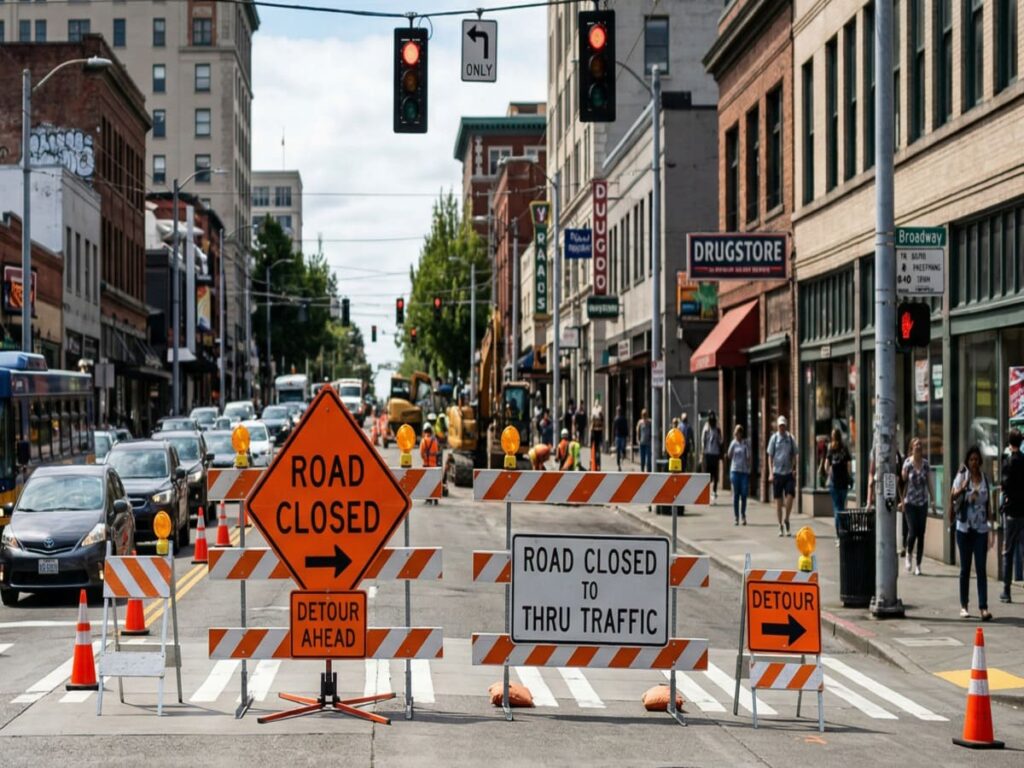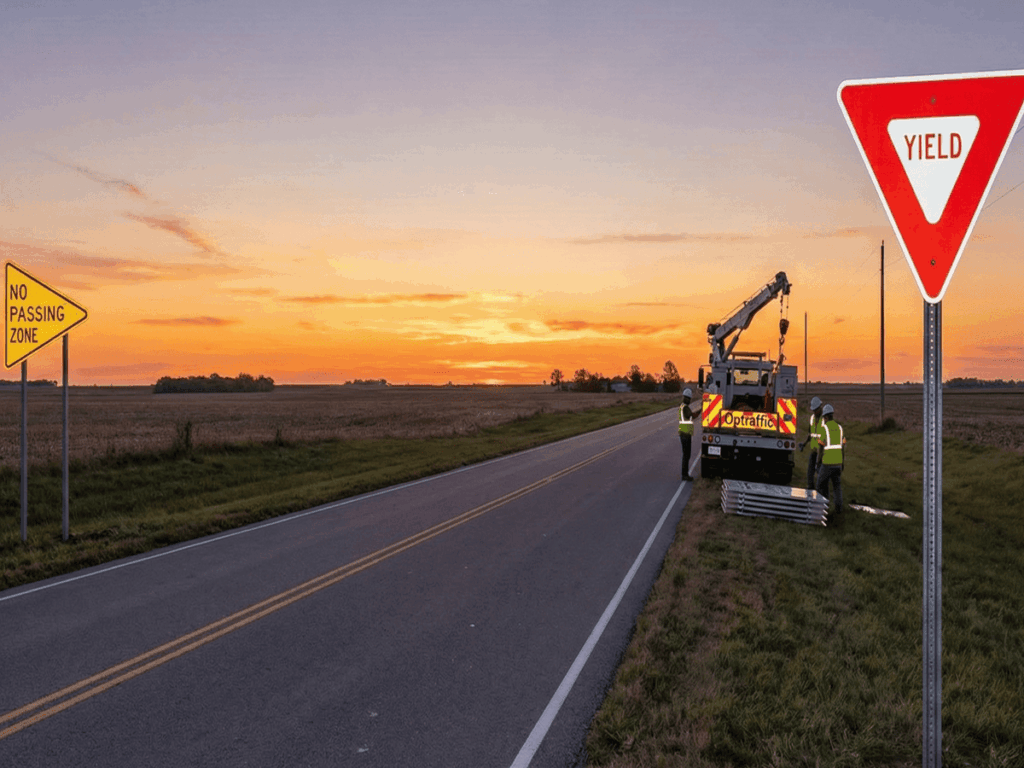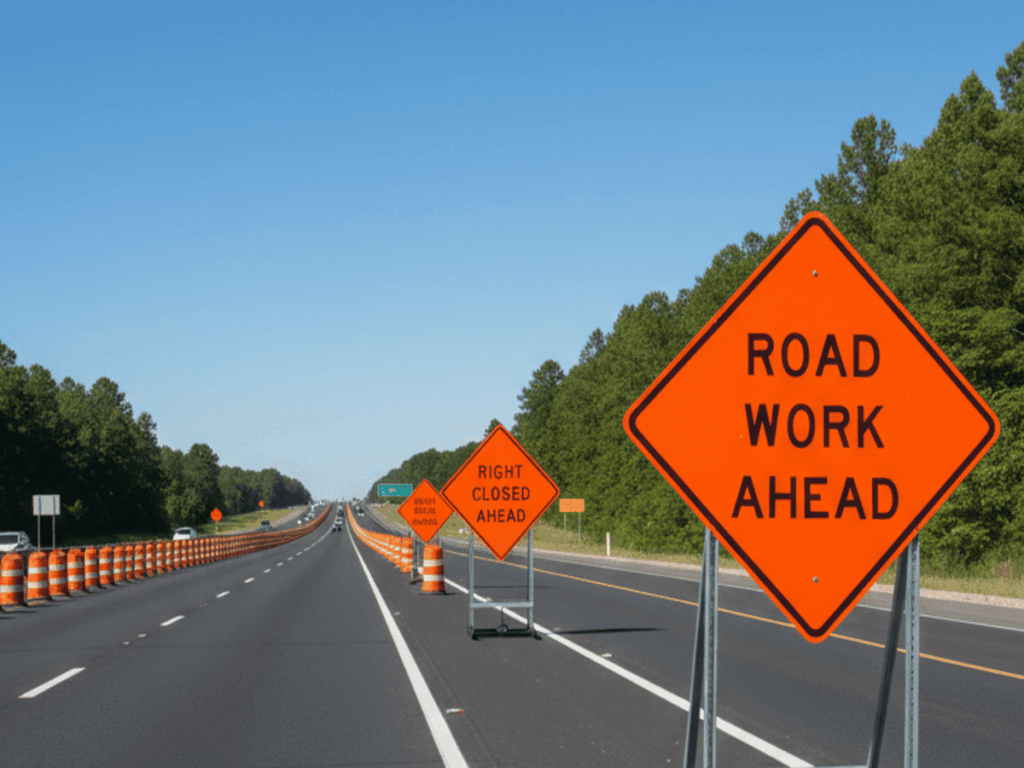
In the high-stakes environment of commercial and residential construction, communication plays a pivotal role in ensuring safety. Amidst the constant noise of machinery and the coordination of numerous teams, construction safety signs act as the “silent supervisors” of a job site. These signs do more than just provide directions—they are critical tools for risk mitigation, legal compliance, and safeguarding your most valuable asset: your workforce.
A well-designed safety signage strategy is essential for maintaining regulatory compliance and promoting a safety-conscious culture across your construction projects. This guide explores the key elements every construction professional should master when implementing safety signs on site.
高品質の場合, 準拠 construction safety signage solutions, オプトラフィック offers a wide range of durable signs to keep your construction site safe and fully regulated.
The Anatomy of Compliance: Adhering to OSHA and ANSI Standards
For any contractor, safety signs are more than just markers—they are essential compliance tools. Two critical regulatory bodies govern the design and usage of construction safety signage in the United States: OSHA (労働安全衛生局) そして ansi (米国規格協会).
- OSHA 29 CFR 1926.200: This regulation mandates the use of signage in areas where hazards could result in accidents or property damage. Adhering to these regulations ensures that workers are aware of potential risks and can take appropriate actions to protect themselves.
- ANSI Z535: This standard provides a modern framework for sign design, emphasizing the use of clear symbols (pictograms) and standardized layouts that overcome language barriers, making safety signs universally understood.
これらの基準を順守することによって, contractors not only safeguard their workforce but also ensure that their site passes insurance audits and OSHA inspections.
The Three-Tier Hierarchy of Risk
Not all hazards are equal, and professional-grade safety signage uses a color-coded hierarchy to communicate the severity of risks:
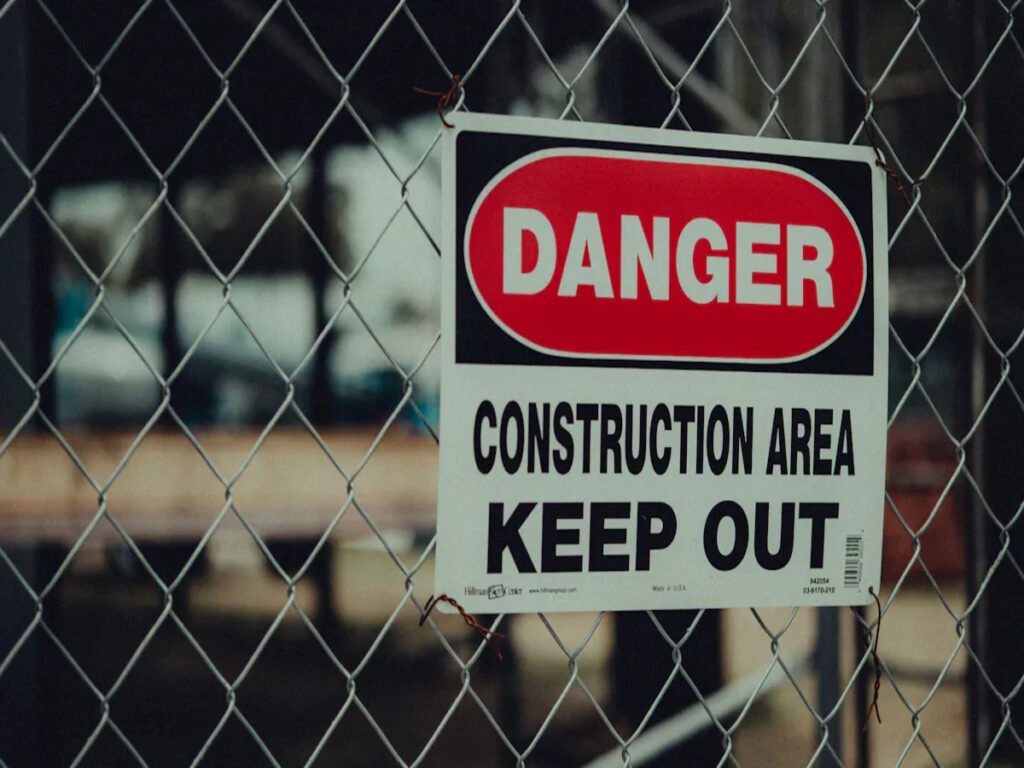
- 危険 (赤/白/黒): These signs indicate life-threatening hazards, with a high probability of fatal or severe injury if not avoided. 例: 高電圧, Confined Space.
- 警告 (Orange/Black): These signs highlight serious hazards that could lead to severe injury or death. 例: Moving Machinery, Blast Zone.
- 注意 (黄色/黒): Used to signal hazards that could result in minor or moderate injury. 例: Tripping Hazard, 滑りやすい表面.
The use of color-coded signs ensures that workers can immediately assess the level of danger and take the necessary precautions.
The 5 Core Categories of Safety Signage
To ensure effective communication, safety signage is typically categorized into five core functional groups, forming what we call the “Safety Cluster”:
- 禁止兆候: These round signs with a red slash indicate actions that should be avoided (例えば。, “禁煙,” “立入り禁止”).
- 必須サイン: Usually blue and white, these signs dictate required actions, such as PPE usage (例えば。, “Hard Hats Required,” “Eye Protection Must Be Worn”).
- 警告サイン: Triangular signs that alert workers to specific hazards (例えば。, “Deep Excavations,” “Overhead Loads”).
- Emergency Information: Green and white signs that guide workers to safety, including fire exits, 応急処置ステーション, and assembly points.
- 火災の安全: Red signs used for identifying fire-related equipment like extinguishers, fire hoses, and alarms.
These categories ensure that workers can quickly and easily identify hazards and respond accordingly.
戦略的な配置: Implementing the “Sightline” 戦略
For safety signage to be effective, it must be strategically placed for maximum visibility. Professional site managers follow the “Point of Decision” rule to ensure signs are in locations where workers can take action in time:
- Entry Points: Mandatory PPE signs should be positioned at the perimeter or site entrance before workers enter high-risk areas.
- 読みやすさの距離: Ensure the font size is proportional to the viewing distance, generally one inch of letter height for every 25 足.
- Avoid Sign Fatigue: Overloading areas with too many signs can lead to “疲労のサイン,” where workers stop noticing them. Spacing out signs and prioritizing critical information ensures effective communication.
Material Excellence: Built for the Toughest Environments
Construction sites are demanding environments that require durable signage materials. Choosing the right substrate is crucial for both cost-efficiency and longevity:
| 材料 | ベストユースケース | 利点 |
|---|---|---|
| アルミニウム | Permanent perimeters, high-wind areas | 錆びない, extremely durable. |
| HDPE (ポリエチレン) | Chemical storage, high-impact zones | フレキシブル, 破れにくい, and chemical-resistant. |
| コロプラスト | Short-term residential or indoor sites | 軽量, highly cost-effective. |
| Reflective Vinyl | 道路工事, night shifts, トンネル | Ensures 24/7 visibility under headlights. |
Each material is selected based on its ability to withstand the harsh conditions of the construction environment while ensuring safety and visibility.
Beyond Compliance: Building a Safety Culture
Compliance is only the first step. The most successful construction sites also cultivate a culture of safety, where signs are not just regulations, but a visible commitment to worker well-being. クリーン, well-maintained signage indicates that safety is a priority, while neglected signs send the opposite message.
Investing in high-quality construction safety signs not only ensures regulatory compliance but also fosters a positive safety culture. Proper signage reduces “worker friction,” minimizes the need for repeated safety reminders, and helps prevent workplace accidents, ultimately protecting both your workforce and your bottom line.
The Financial Impact of Proper Safety Signage
Implementing an effective signage strategy goes beyond compliance and safety. It also has a direct financial impact. High-quality signage can reduce the risk of workplace accidents, which in turn reduces medical costs, 労働者’ compensation claims, and insurance premiums. さらに, well-maintained signage ensures that your project remains on schedule and avoids costly delays due to safety violations.
By making strategic investments in durable, high-quality construction safety signs, contractors not only protect their workers but also their bottom line.
最終的な考え
結論は, 建設用安全標識 are more than just a legal requirement—they are essential tools for protecting workers, maintaining compliance, and enhancing project efficiency. By following the key principles of strategic placement, 材料の選択, and compliance with regulatory standards like OSHA and ANSI, contractors can create safer, more efficient job sites. さらに, by prioritizing a safety-first culture, construction professionals can reduce incidents and ensure their workers remain safe and productive throughout the duration of the project.
For more information on how to optimize your construction signage strategy, 訪問 The Comprehensive Guide to Construction Signage.
よくある質問: Common Questions About Construction Safety Signage
米国で, the primary legal requirements are dictated by OSHA 29 CFR 1926.200. This regulation requires that signs and symbols be visible at all times when work is being performed and must be removed or covered promptly when the hazard no longer exists. さらに, many local jurisdictions require signs to meet ANSI Z535 standards for design and legibility.
赤 is exclusively for 危険, signifying immediate hazards that will cause death or serious injury.
黄色 is for 注意, signifying potential hazards or unsafe practices that could result in minor to moderate injury.
オレンジ is used for 警告, signifying a hazard level between Danger and Caution.
While OSHA doesn’t have a single universal rule for all sites, they do require that safety communication be “effective.” If a significant portion of your workforce is non-English speaking, you are legally and ethically obligated to provide bilingual signage or signs with universal ISOピクトグラム to ensure every worker understands the risks.
視認性を最大限に高めるために, signs should generally be mounted at アイレベル (roughly 5 地面から足). しかし, for vehicle traffic or large machinery areas, signs may need to be mounted higher or use 高強度プリズム (ヒップ) reflective materials to be seen from a distance or in low-light conditions.
es, as long as the branding does not distract from the standardized safety message. Many professionals add their company logo to the bottom of “知らせ” または “PPE Required” signs to reinforce brand presence and project ownership without compromising OSHA compliance.