
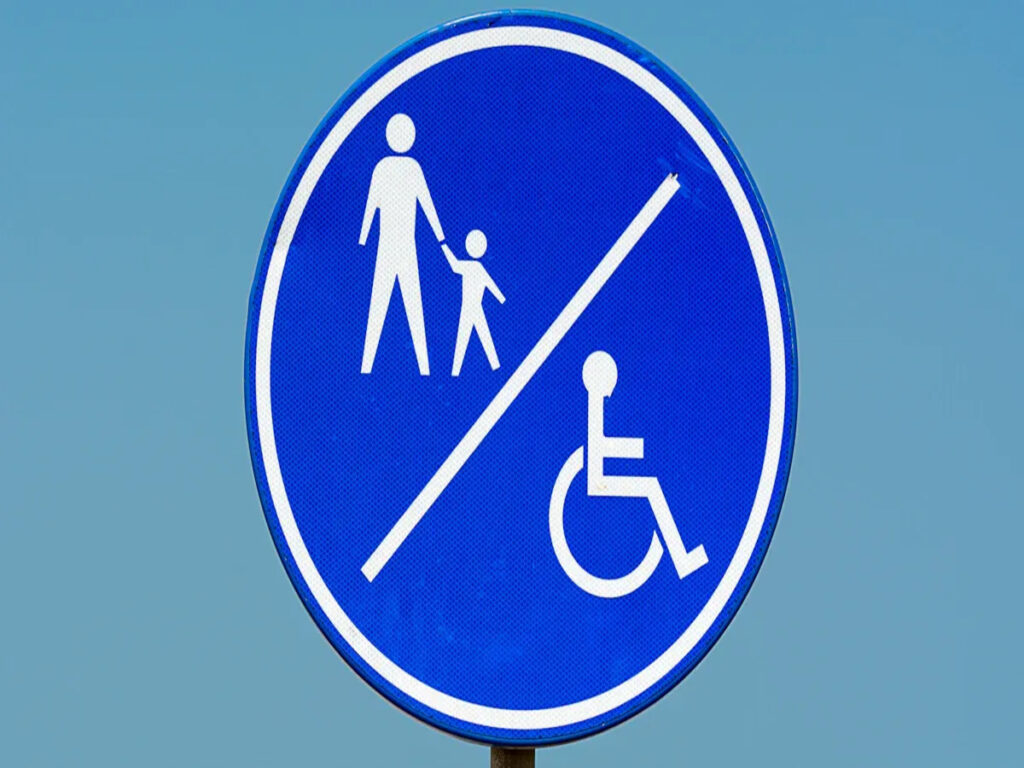
The 障害のあるアメリカ人法 (エイダ) 公共の場所のルールを作る. 障害のある人が物を見つけるのに役立つ ADA 準拠の標識. これらのサインは、彼らが歓迎され、安全であると感じるのに役立ちます. 研究によると、訪問者の訪問率向上に役立つ明確な兆候が示されています.
- 道案内と点字標識は人々の移動を容易にします.
- 良い標識があれば場所はより安全で居心地の良いものになります.
- 慎重なデザインがすべての人をサポートします, 障害のある人だけではない.
場所がアクセシビリティに配慮しているかどうかが人々にわかります. こうした小さな変化はブランドの見栄えを良くするのに役立ちます. 彼らは全員を含めるという本当の約束を示しています.
OPTRAFFIC はカスタマイズ可能な ADA 準拠の標識を提供します すべての規制要件を満たしている. 必要かどうか 点字トイレ標識, 触覚出口標識, または アクセス可能な駐車場の標識, オプトラフィック 高品質を提供します, お客様のニーズに合わせた耐久性のある看板ソリューション. 当社のカスタム看板は ADA 規格への完全な準拠を保証します, アクセスしやすい空間づくりをお手伝いします, 安全, そして誰にとっても包括的. ADA サインのニーズについて話し合い、プロジェクトを開始するには、今すぐお問い合わせください。.
ADA準拠の標識の概要
ADA とは何か、なぜそれが重要なのか?
アメリカ障害者法は法律です. 障害のある人々を不当な扱いから守ります. この法律により、誰もが公共の場で同じ権利を確実に得ることができます. これらの場所には店舗が含まれます, レストラン, そして学校. ADAに準拠した標識がこの問題の大きな部分を占めています. これらの標識は人々が物を見つけるのに役立ちます, 情報を得る, そして自分が所属しているように感じる.
多くの公共の建物には ADA 準拠の標識が設置されている必要があります. これらの標識には重要な役割があります. 部屋の場所が表示されます, 道案内をする, 車椅子のアイコンなどのシンボルを使用します. 企業がこれらの標識を使用する場合, 彼らは自分たちの空間を誰にとってもより良いものにします.
企業が適切な ADA 標識を使用していない場合, 問題が起こる可能性があります. ここで何が起こる可能性がありますか:
| 結果のタイプ | 説明 |
|---|---|
| 罰金 | まで $75,000 初めての違反の場合; 再犯の場合は高くなる. |
| 訴訟 | コンプライアンス違反は訴訟につながる可能性があります, 企業の法的費用の増加. |
| 評判のダメージ | 遵守しないと企業の評判が損なわれる可能性があります, 顧客の信頼と売上に影響を与える. |
アクセシビリティのための ADA 準拠の標識の重要性
ADA 準拠の標識は法律に従うだけではありません. さまざまな障害を持つ人々が安全に移動できるように支援します. 凸文字と点字の標識はタッチで読むことができます. 高い色のコントラストにより、色が見えにくい人に役立ちます. 標識がいつも同じ場所にある場合, 物を見つけるのが簡単になります.
ADA 準拠の標識が役立ついくつかの方法を紹介します:
- 浮き彫りの文字と点字で触って読めるようにする.
- 色のコントラストが強いと、視覚に問題がある人に役立ちます.
- 同じ場所に標識を設置すると、人々が道を見つけやすくなります.
- ユニバーサルデザインで誰もが使いやすくなる.
良い ADA の兆候は、企業がすべての人を大切にしていることを示しています. それらは人々の不安を軽減し、より自信を与えるのに役立ちます. これらの標識はみんなの安全を守るのに役立ちます. これらのルールに従うことは法律だけではありません. 誰もが歓迎されていると感じられるようにすることが重要です.
ADA に準拠する必要がある標識?
ADA基準を満たす必要がある標識の種類
エイダ (障害のあるアメリカ人法) 標識がその基準に準拠しなければならない特定の規則がある. これらのルールにより、人々は, 特に障害のある人たち, 空間を簡単かつ安全に移動できる. 部屋を示すほとんどの標識, 道案内をする, または重要な情報を共有する場合は、ADA ガイドラインに従う必要があります.
アクセシビリティに不可欠な ADA 準拠の標識のいくつかのタイプを次に示します。:
- トイレの標識 (例えば。, 点字と触覚記号を備えた ADA のバスルーム標識)
- 出口および入口の標識, 非常口も含めて (例えば。, 高コントラストと適切な照明を備えた ADA 出口標識)
- 階段の吹き抜けとスロープの標識 (例えば。, ナビゲーションを容易にするADA階段吹き抜け標識)
- 積み込みドックとゾーンの標識 (例えば。, 明確な視覚的および触覚的インジケーターを備えた ADA 積載ゾーン標識)
- エレベーターとエレベーターの標識 (例えば。, アクセシビリティに関する ADA のエレベーター標識)
- 駐車場および旅客積載エリアの標識 (例えば。, アクセシブルな駐車場のシンボルを備えた ADA の駐車標識)
- 警告サイン (例えば。, 視覚的警告と聴覚的警告の両方を備えた ADA 警告サイン)
- 特殊機器, コントロール, および稼動機械標識 (例えば。, 機械制御用の ADA 標識)
- 電話標識 (例えば。, アクセシブルなコミュニケーションのための指示が記載された ADA 電話標識)
- 現金自動預け払い機 (ATM) サイン (例えば。, 触覚点字と視覚的指示を備えた ADA ATM 標識)
- 座席エリアの標識 (例えば。, 指定されたアクセシビリティ対応座席の ADA 座席エリア標識)
- 更衣室および試着室の標識 (例えば。, アクセス可能なエリアを示す ADA 試着室の標識)
ADA準拠の標識には触知文字が必要です, 点字, 強い色のコントラストと. 法律では、これらの標識をどこにどのように設置するかについても規定されています. 例えば, 標識はあるべきです 48 に 60 床からインチ. 通常はドアのラッチ側にあります. 以下の表に主な要件を示します。:
| 要件タイプ | 説明 |
|---|---|
| 点字と触覚文字 | 凸文字とグレード 2 点字, 5/8″ 2へ″ 高い |
| 取り付けの高さと位置 | 48″–60″ 床から, ドアのラッチ側に |
| ハイコントラスト, ノングレア素材 | 文字と背景のコントラストが強い, マット仕上げ |
| フォントと文字の準拠 | 単純, サンセリフフォント, 少なくとも5/8の文字″ 高い, 少なくとも 1/8 の間隔をあけてください″ |
| 方向標識および情報標識 | すべては ADA 規則に従う必要があります |
ADA 準拠における免除と特殊なケース
建物内のすべての標識が ADA 規則に従う必要があるわけではありません. 一部の標識はこれらの基準を満たす必要がありません.
- 7 日以内に使用される仮設標識は ADA に準拠する必要はありません.
- 頻繁に変更されるディレクトリやメニューの構築には触覚や点字は必要ありません.
- 会社ロゴのみの看板, 名前, または、住所は ADA 標準に従う必要はありません.
- 通常、集会エリアの座席と列の番号は免除されます.
- 非公開拘留エリアの標識は ADA 規則に従う必要はない.
- 歴史的建造物は元の外観を維持するために免除される場合があります.
ヒント: 標識が常設されているか、人々が道を見つけるのに役立つかどうかを確認する. そうであれば, おそらく ADA ガイドラインに従う必要があります.
ADA は重要な標識を誰でも簡単に使用できるようにします. ただし、特殊な場合にある程度の柔軟性も与えられます.
主要な ADA 標識要件
ADA 標識のテキストとフォントの仕様
ADA準拠の標識は読みやすいフォントを使用しています. ルールでは、Helvetica や Arial などのサンセリフ フォントを使用するように定められています。. 派手なフォントやスクリプト フォントは視力の低い人には適していません. すべての浮き出し文字は大文字である必要があります. ただ見るだけの標識については, 大文字と小文字が混在していても、それが明らかであれば問題ありません. 適切なフォント サイズにより、誰もが標識を読みやすくなります.
| 仕様 | 要件 |
|---|---|
| フォント | サンセリフまたはシンプルセリフ (派手なスタイルはありません) |
| 大文字 | すべての浮き出し文字は大文字である必要があります |
| 文字サイズ | 5/8” クローズサインの最小値; 2” より高い記号の場合; 3”+ オーバーヘッド用 |
| 間隔 | 1/8”–4x ストローク幅; 3/8” 端から |
| 行間 | 135%行間 –170% |
少なくとも次のフォント サイズ 12 ほとんどの人にとって pt が最適です. 下の小さなフォント 9 ptが読みにくい. フォントが非常に大きいと読みにくくなる場合もあります.
視覚障害者のアクセシビリティのための点字および触覚機能
点字と凸文字は目が見えにくい人を助けます. ADA ルールでは Grade を使用するように定められています 2 丸い形の点字. 点字は文字の下にあり、少なくとも 3/8 他のものから数センチ離れて. 浮き彫りの文字は大文字で、サンセリフ フォントを使用する必要があります. 最も低い隆起文字の底部は、 48 そして 60 地面からインチ.
| 要件タイプ | 仕様 |
|---|---|
| 間隔 | 点字点は他のものから少なくとも 3/8 インチ離れています |
| 位置決め | 凸文字の下の点字 |
| 身長 | 48浮き彫り文字の場合は床から –60 インチ |
点字と盛り上がった機能は、人々が自分の道を見つけ、仲間に入れられていると感じるのに役立ちます.
ADA 標識の適切なコントラストと仕上げの確保
コントラストは標識を読むのに役立ちます. ADA は、 65% 文字と背景のコントラスト. 標識には、明るい背景に暗いテキスト、または暗い背景に明るいテキストを含める必要があります。. マット仕上げにより眩しさを抑え、標識を読みやすくします。.
| 要件タイプ | 詳細 |
|---|---|
| コントラスト比 | 65% テキストと背景の間の最小値 |
| 仕上げる | マットな表面, まぶしさなし |
コントラストが悪いと標識はきれいに見えますが、読みにくくなります, 特に視力の低い人にとっては.
ADA 標識の絵文字と記号
ピクトグラムとは、言葉を使わずに意味を示すシンプルな絵のことです. ADAは絵文字は少なくとも 6 身長インチ. テキストラベルはピクトグラムのすぐ下に配置されます. 国際アクセス記号のような記号は、誰もが標識を理解するのに役立ちます, たとえ彼らが異なる言語を話したとしても.
同じシンボルを使用すると標識が見つけやすくなり、人々が物事を素早く見つけやすくなります.
ADA 標識の正しい配置と取り付けのガイドライン
ADA には標識を設置する場所に関する規則があります. 間に凸文字を入れる 48 そして 60 床から数インチ上. ドアのラッチ側に標識を貼ります. 部屋がない場合, 一番近い壁を使用する. 少なくとも一定のスペースを空けてください 18 による 18 インチだからみんな, 車椅子利用者も含めて, 標識が読める程度に近づくことができる. 適切な配置により、動きが制限されている人が混乱を避け、安全を確保できます.
ADA準拠の標識で避けるべきよくある間違い
ADA 準拠の標識を間違えると、場所が使いにくくなる可能性があります. 標識を作成または設置する際に重要な手順を忘れるグループもあります. ここでは、いくつかの一般的なエラーと、それがアクセシビリティにどのような影響を与えるかを示します。.
点字が含まれていない
多くの企業は点字標識を追加することを忘れています. 法的トラブルを引き起こす可能性があります, 罰金, そして訴訟. これらの兆候なし, よく見えない人は危険かもしれない. 企業は損失を被り、悪い評判を受ける可能性があります.
標識に点字または凸字がない場合, 視覚障害者は部屋や出口を見つけることができない. これにより、緊急時に人々が混乱したり、危険が生じたりする可能性があります.
読みやすさのために間違ったフォントを選択する
フォントによっては、見た目はクールでも読みにくいものがあります. ADA の規則では、シンプルなサンセリフ フォントを使用するよう定められています. 以下の表は、一般的なフォントの間違いを示しています:
| フォント | コンプライアンスの問題 |
|---|---|
| 新しいローマ | 派手なストロークにより文字が汚くなり、見にくくなる. |
| コミックサンズ | 奇妙な形や不均一なスペースにより標識が不鮮明になる. |
| スクリプトと装飾 | つながった文字と煩雑なスタイルにより、読むのも触るのも困難になります. |
| 凝縮または様式化された | 潰れた文字は、はっきりと見る必要がある人を混乱させます. |
間違ったフォントを使用すると、標識が誰にとっても読みにくくなります.
テキストと背景のコントラストが不十分
文字が溶け込んでいるため、一部の標識が見にくい場合があります. コントラストが優れていると視覚に問題がある人に役立ちます. 問題には以下が含まれます::
- 背景に見えるアイコンや写真.
- 条件を満たしていないテキスト 3:1 明るさのルール.
- 文字が見えにくい色.
強いコントラストにより、標識を見つけて読み取ることができます.
間違った標識の配置と取り付け
間違った場所に標識を設置すると人々が混乱する可能性があります. 一般的な間違いです:
- 標識が高すぎるか低すぎる, 48 ~ 60 インチの範囲にない.
- 車椅子利用者のための標識の周囲に十分なスペースがない.
- 標識はいつも同じ場所にあるわけではありません, 物を見つけるのが難しくなる.
適切な配置は誰にとっても役立ちます, 特に忙しい場所で.
シンボルの使用と配置の間違い
記号や絵は見やすく、適切な場所に配置する必要があります. 間違いには、間違った仕上げ材を使用することが含まれます, 古い点字, または読みにくい派手なフォント. 以下の表は、これらのエラーがどのように兆候に悪影響を与えるかを示しています:
| 間違いの種類 | 有効性への影響 |
|---|---|
| ノングレア仕上げとコントラスト | 明るいところでは読みにくい. |
| 点字の間違った使い方 | よく見えない人を混乱させる; 古い点字は役に立たない. |
| 触覚テキストとフォントの選択 | 派手なフォントは標識を読みにくくし、有用性を低下させます. |
| 標識の設置 | さまざまな場所に標識があり、物を探すのに助けが必要な人々を混乱させている. |
ヒント: 標識を同じ場所に適切な位置に維持することは、全員の助けになります, 特に浮き上がった文字や絵を使って移動する人.
ADA に準拠した標識は、人々が安全で歓迎されていると感じるのに役立ちます. これらの標識は単に法律を遵守するだけではありません. これらの兆候がなぜ重要なのかについては、以下の表をご覧ください。:
| 利点 | 説明 |
|---|---|
| 法的保護 | 訴訟や罰金を科される可能性が低くなります. |
| ブランドの評判 | 全員を含む気になる番組. |
| 顧客満足度 | すべての人にとって訪問をより良いものにする. |
| 歩行者の増加 | より多くの顧客を呼び込む. |
| 顧客ベースの拡大 | 障害のある人があなたのビジネスを訪問できるようにします. |
標識をチェックすると、多くの場合、標識は正確で役に立ちます。. 多くのグループは自分たちの兆候をよく見て、問題を早期に解決します. 専門家や ADA コンプライアンス サービスなどのツールが役立ちます. 誰もがあなたのスペースを使用できるように、新しいルールを常に最新の状態に保ちます.
よくある質問
標識が ADA に準拠する理由?
記号が考慮されます ADA準拠 アメリカ障害者法で概説されている特定のガイドラインを満たしている場合. これらの要件には以下が含まれます:
- 触覚文字: 触って感じられる浮き出た文字
- 点字: 視覚障害のあるユーザー向け
- 強い色のコントラスト: 可読性を確保, 明るい背景に暗い文字など
- 正しい配置: 標識は次の間に取り付ける必要があります。 48 に 60 床から数インチ上, ドアのラッチ側に.
標識は読みやすくなければなりません, アクセス可能な, すべての個人が確実に行動できるよう明確な指示を提供します。, 障害のある人を含む, 空間を効果的に移動できる. オプトラフィック 高品質を提供します, これらすべての要件を満たすカスタマイズ可能な ADA 準拠の標識, スペースが安全で誰でもアクセスできるようにする.
ADA のバスルームの標識のどこに浮き彫り文字を表示するか?
バスルームの標識の点字の上に浮き上がった文字が表示されます. 彼らはそうする必要があります 48 に 60 床からインチ. これにより、人々は問題なく標識を見つけて読むことができます.
ADAの駐車標識には浮き彫り文字が必要ですか?
ADAの駐車標識には浮き文字は必要ありません. これらの標識は記号を使用しており、見やすくなっています. 浮き彫りの文字は、部屋番号やトイレなどの屋内標識に使用されます。.
ピクトグラムがADA標識にとって重要な理由?
ピクトグラムは人々が標識を素早く理解するのに役立ちます. 英語を読めない、話せない人にも適しています. ADA 標識にはピクトグラムが使用されています, 浮き上がった文字, 点字でみんなを助ける.
育てられたキャラクターは障害を持つ人々をどのように助けるのか?
浮き上がった文字に触れることで標識を読み取ることができる. 視覚障害のある人が部屋や出口を見つけるのを助けます. 盛り上がった文字は場所をより安全でよりフレンドリーにします.
家の前に障害者用の標識を設置できますか?
障害者標識の設置 (またはADAの駐車標識) あなたの家の前に駐車できるかどうかは、地域の条例とその駐車場が身障者用駐車場として指定されているかどうかによって異なります。. 一般的に, これらの標識は公共スペースまたは指定された駐車場を対象としています。. 家の前に障害者標識を設置したい場合, 地方自治体または市区町村の承認が必要な場合があります. 地方自治体の規則や規制が遵守されていることを確認するために、必ず地方自治体に確認してください。.
ADAの標識をドアに貼れますか?
はい, ADA 標識はドアに設置できますし、多くの場合そうすべきです, 特にトイレなどのエリア, エレベーター, および緊急出口. ADA準拠のため, 標識には以下を含める必要があります 触覚文字 そして 点字, 正しく配置する必要があります。通常は、 48 に 60 床からインチ. ドア上の標識は、障害のある人をアクセシブルなスペースに誘導するのに役立ちます。見やすくて手が届きやすいようにラッチ側に配置する必要があります。.