Visibilité des panneaux routiers est essentiel pour la sécurité de tous les conducteurs. Cependant, les chauffeurs de camion sont confrontés à des défis uniques en raison de la différence de hauteur entre leurs véhicules et les voitures plus petites. Cette différence de hauteur influence la façon dont ils perçoivent les panneaux de signalisation, en particulier ceux montés à des altitudes plus élevées. Dans ce blog, nous allons explorer comment Hauteur de signe affecte la visibilité et pourquoi les chauffeurs de camion ont plus de difficultés que les automobilistes à lire les panneaux de signalisation. Nous discuterons également de solutions pratiques, comme les conceptions de panneaux inclinés, pour améliorer la visibilité de tous les conducteurs.
Pour les sociétés de gestion du trafic, ministères gouvernementaux, et entreprises de transport de marchandises, assurer une qualité optimale visibilité des panneaux routiers est la clé pour améliorer la sécurité routière. OPTRAFIC, en tant qu'entreprise de fabrication d'enseignes, Fournit de haute qualité, panneaux routiers personnalisés conçus pour répondre aux besoins de diverses conditions de circulation. Nous sommes spécialisés dans la durabilité, clear signage solutions that can be tailored to improve visibility, even for truck drivers on high-speed routes.
Sign Height and the Impact on Visibility for Truck Drivers
The Role of Sign Height in Driver Perspective
Sign height is crucial for determining how well drivers can see road signs. Car drivers typically have a lower eye level, which aligns better with the height of standard road signs. This makes it easier for them to see signs clearly. En revanche, truck drivers sit much higher, which affects their ability to spot signs. The higher the driver’s seating position, the more difficult it becomes to spot road signs that are placed at a standard height. This is particularly problematic when signs are mounted higher on poles, as they may fall outside the driver’s direct line of sight.
Pourquoi les chauffeurs de camion ont une perspective différente
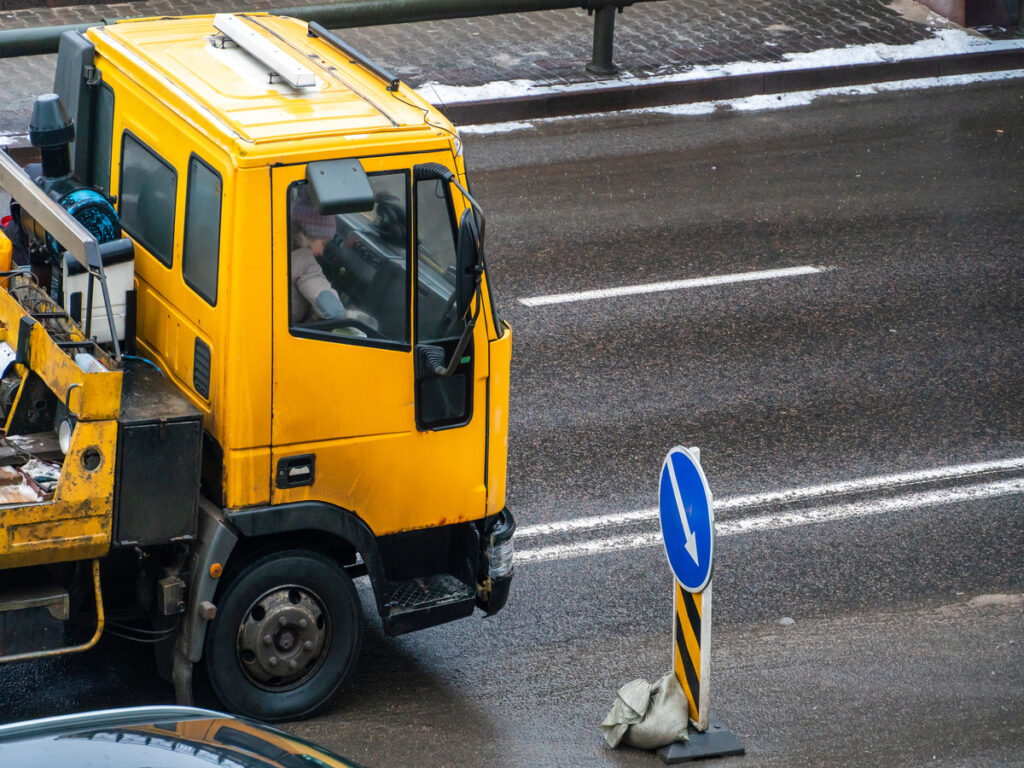
Les conducteurs de camions sont confrontés à des problèmes de visibilité uniques en raison de leur position assise surélevée. Plus leur siège est haut, plus l'angle de vue est raide. Cet angle rend plus difficile la perception des signes, surtout lorsque ces panneaux sont positionnés à des hauteurs plus élevées, comme sur les autoroutes ou les autoroutes. Des études scientifiques montrent que l'angle de vue des conducteurs de camions peut différer jusqu'à 20-30 diplômes par rapport aux automobilistes, ce qui rend beaucoup plus difficile pour eux de détecter les panneaux routiers à temps. Ces signes, souvent placé sur des poteaux plus hauts pour une visibilité sur une plus large gamme de véhicules, peut dépasser la ligne de vue naturelle des chauffeurs de camion. Par conséquent, ils peuvent ne pas remarquer les panneaux directionnels ou d'avertissement cruciaux, ce qui peut entraîner des réactions retardées et des risques accrus sur la route.
Défis liés à la visibilité des panneaux routiers dans des conditions de faible luminosité et de nuit
Hauteur des panneaux et angles de réflexion la nuit
La nuit, le hauteur des panneaux routiers joue un rôle crucial dans la façon dont les phares réfléchissent la lumière sur les panneaux. Pour les chauffeurs de camion, dont les phares sont plus hauts que ceux des véhicules standards, l'angle selon lequel la lumière se reflète sur un panneau peut avoir un impact sur sa visibilité. La manière dont la lumière est réfléchie vers les yeux du conducteur dépend à la fois de l’angle d’incidence et de l’angle de réflexion.. Ces angles suivent les lois de la réflexion en géométrie. Lorsque les panneaux routiers sont trop hauts ou à un angle inapproprié, la lumière peut ne pas se refléter directement vers les yeux du conducteur du camion. Ce problème devient particulièrement visible avec des panneaux plus grands ou montés plus haut.. Ils peuvent ne pas refléter la lumière de manière à les rendre visibles aux chauffeurs de camion..
Conditions environnementales et visibilité des panneaux
Dans de mauvaises conditions météorologiques, comme la pluie ou le brouillard, route Hauteur de signe devient un plus grand défi. Plus le signe est élevé, plus il est probable qu'il soit caché par facteurs environnementaux. Il est donc encore plus difficile pour les chauffeurs de camion de repérer le panneau..
Conception de panneaux de signalisation inclinés: Comment l’ajustement de la hauteur des panneaux améliore la visibilité
L'efficacité des panneaux inclinés pour les chauffeurs de camion
Une solution pratique consiste à régler l'inclinaison du panneau routier. Incliner le panneau vers le bas modifie l'angle de réflexion. Cela rend le panneau plus visible pour les chauffeurs de camion. Leur point de vue plus élevé rend souvent les panneaux plus difficiles à lire.
Optimiser la hauteur des panneaux pour tous les conducteurs
Les panneaux inclinés aident à s'adapter à la ligne de vue plus élevée des chauffeurs de camion. En ajustant le Hauteur de signe et angle, les panneaux de signalisation deviennent plus visibles, assurer une meilleure sécurité pour tous les types de véhicules, surtout les camions.
🔗 Apprenez-en davantage sur les bonnes pratiques d'installation de panneaux de signalisation, y compris des considérations importantes en matière de hauteur et d'angle, Dans notre blog: Meilleures pratiques pour installer des panneaux de trafic: Considérations de hauteur et d'angle.
Meilleures pratiques pour la mise en œuvre de panneaux routiers inclinés et l'ajustement de la hauteur des panneaux
Déterminer l'angle d'inclinaison idéal
Les sociétés de gestion du trafic devraient prendre en compte Hauteur de signe lors de la mise en œuvre de panneaux inclinés. L'angle d'inclinaison doit être ajusté en fonction de la hauteur du panneau et du type de circulation dans la zone.. Une légère inclinaison vers le bas est généralement plus efficace pour améliorer la visibilité des conducteurs de camions sans affecter les automobilistes..
Positionner les panneaux routiers à la bonne hauteur
En plus d'incliner, le correct Hauteur de signe devrait être maintenu. Les panneaux doivent être placés à une hauteur garantissant la visibilité de tous les véhicules., y compris les camions. Par exemple, la signalisation le long des autoroutes devrait être ajustée en fonction des conditions de circulation et des besoins spécifiques des camionneurs.
Autres stratégies pour améliorer la visibilité des panneaux routiers
- Utiliser des matériaux réfléchissants
Les matériaux réfléchissants de haute qualité peuvent améliorer la visibilité en améliorant le retour de la lumière du panneau. En combinant ces matériaux avec une hauteur et une inclinaison appropriées pour les panneaux, le panneau devient plus facile à voir de plus loin, Même en basse lumière. - Solutions d'éclairage pour les enseignes en hauteur
Pour les panneaux placés à des altitudes plus élevées, l'ajout d'un éclairage supplémentaire peut améliorer encore la visibilité. Ceci est particulièrement important pour les panneaux routiers de grande taille ou ceux situés dans des zones à fort trafic de poids lourds.. - Approche intégrée de la visibilité des panneaux routiers
Les sociétés de gestion du trafic devraient envisager une approche intégrée combinant une hauteur de signalisation appropriée, matériaux réfléchissants, et l'éclairage. Cela garantit que les panneaux sont visibles sous différents angles., s'adressant aux conducteurs de camions et de voitures.
Études de cas: Implémentations réussies de panneaux inclinés et de hauteur de panneau ajustée
États qui ont amélioré la visibilité
Des États comme la Californie et le Texas ont été les premiers à utiliser des panneaux routiers inclinés pour améliorer la visibilité des chauffeurs de camion., en particulier sur les autoroutes et les autoroutes à grande vitesse. Par exemple, en Californie, panneaux routiers le long du couloir I-5, une route de camionnage importante, ont été ajustés en les inclinant légèrement vers le bas pour mieux s'aligner avec les chauffeurs de camion’ ligne de mire. De la même manière, Le Texas a mis en place des panneaux inclinés le long de la route américaine 287, une autoroute clé pour le transport de marchandises. Ces panneaux ont été installés à des hauteurs optimales, compte tenu des exigences de visibilité accrues pour les gros camions.
Les résultats ont été extrêmement positifs. Le Texas a signalé une amélioration notable de la visibilité des chauffeurs de camion, en particulier pendant la conduite de nuit lorsque la lisibilité des panneaux est cruciale. Le département de gestion du trafic de l’État a constaté un 20% réduction des incidents liés à des panneaux routiers mal lus, directement attribué à la conception améliorée des panneaux. Les chauffeurs de camion des deux États ont salué la clarté des panneaux., en particulier lors de la navigation dans des échangeurs très fréquentés ou dans des conditions de faible luminosité.
De vrais résultats: Commentaires des chauffeurs de camion
Les commentaires recueillis auprès des chauffeurs de camion en Californie et au Texas ont été toujours positifs.. Par exemple, une enquête menée par le Département des Transports de Californie (Caltrans) a trouvé que 85% des chauffeurs de camion le long de l'I-5 ont signalé une meilleure visibilité des panneaux de signalisation, surtout la nuit. Les conducteurs ont noté que l'inclinaison vers le bas des panneaux leur permettait de repérer les panneaux cruciaux, such as lane change warnings and exit signs, much earlier, reducing the likelihood of late reactions.
Au Texas, a similar study by the Texas Department of Transportation (Txdot) found that truck drivers along US Route 287 were able to respond more quickly to directional signs, particularly those for complex interchanges and turn-offs. According to the feedback, the improved sign height and tilt reduced the number of near-miss accidents and increased overall driver confidence. Trucking companies operating in these areas also reported fewer delays and smoother traffic flow, attributing this to clearer road signs.
Conclusion
Sign height is critical for truck drivers’ visibilité. Understanding the challenges from different driver heights is key. Adjusting road sign placement and tilt can improve safety for all drivers. Tilted signs, avec une hauteur optimale et des matériaux réfléchissants, apporter une solution pratique. Cela garantit que les panneaux routiers sont clairs et visibles, surtout pour les chauffeurs de camion.