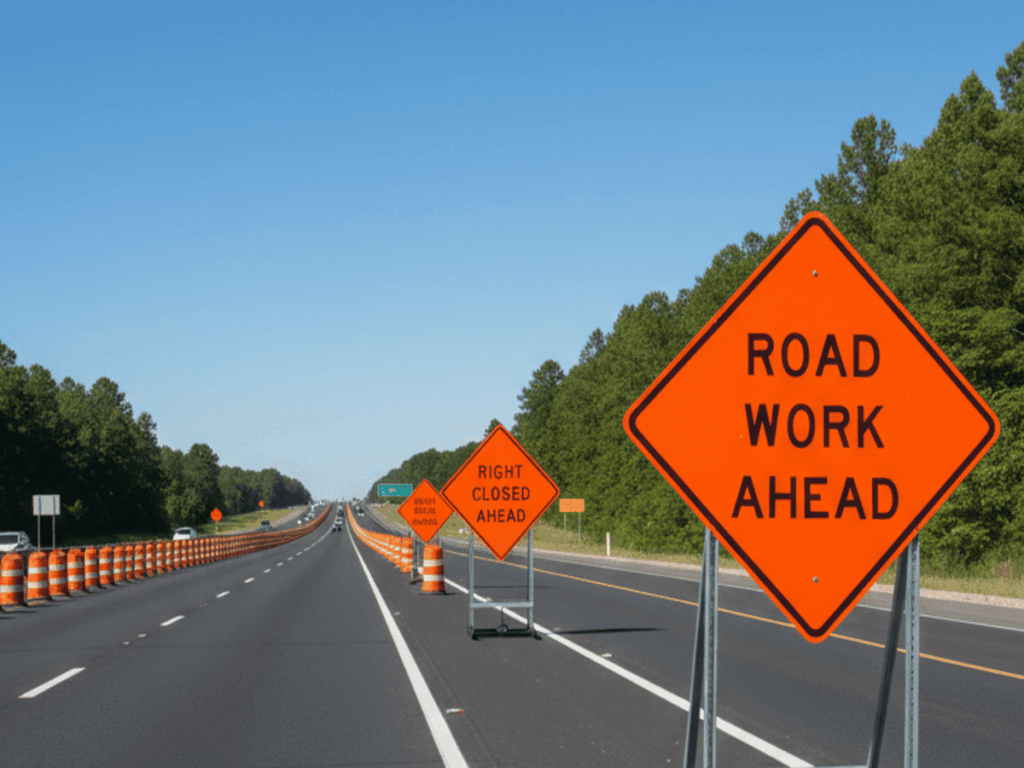
Les États-Unis. le réseau routier comprend les autoroutes, autoroutes, et autoroutes, chacun avec son propre ensemble de règles et de normes de conception. Compréhension signification des panneaux routiers est essentiel pour voyager en toute sécurité et efficacement, car ces panneaux peuvent représenter différentes instructions ou avertissements selon l'emplacement. Toute la signalisation routière est conçue pour guider les conducteurs et promouvoir la sécurité routière. Panneaux routiers interétatiques, Par exemple, présentent des formes de bouclier uniques et des couleurs spécifiques pour aider les conducteurs à reconnaître rapidement leur signification et à prendre des décisions sûres. Une signification claire et standardisée des panneaux routiers est cruciale pour éviter toute confusion sur la route.. Cependant, certains signes, comme ceux affichant des statistiques de décès, peut distraire les conducteurs et potentiellement augmenter les taux d'accidents.
| Description des preuves | Impact sur les taux d'accident |
|---|---|
| Les conducteurs sont 4.5% plus susceptible d'avoir un accident après avoir vu les statistiques de décès sur les panneaux. | Cela pourrait conduire à 17,000 plus d'accidents aux États-Unis. chaque année si la tendance se poursuit. |
Connaître la signification des panneaux routiers aide les conducteurs à rester en sécurité et en confiance, surtout lorsque vous naviguez sur des routes très fréquentées et des échangeurs complexes. Pour en savoir plus sur la façon dont les bons systèmes de gestion du trafic peuvent améliorer la sécurité routière, vérifier Optraffic des solutions pour un contrôle efficace du trafic.
Principaux à retenir
- Connaître les panneaux routiers est important pour conduire en toute sécurité. Comprendre la signification des signes aide à mettre fin à la confusion et aux accidents.
- Autoroutes, autoroutes, et les autoroutes ne sont pas les mêmes. Apprendre en quoi ils diffèrent vous aide à conduire en toute sécurité sur chaque route.
- Les autoroutes ont besoin de panneaux clairs et grands. Ces panneaux aident les conducteurs à prendre des décisions rapides et à éviter les mouvements brusques.
- Les panneaux au revêtement brillant sont plus faciles à voir la nuit. Cela aide les conducteurs à lire les panneaux par tous les temps et à toute heure..
- Des panneaux routiers identiques rendent la conduite plus sûre. Les mêmes formes et couleurs aident les conducteurs à repérer rapidement les panneaux et à voyager en toute sécurité..
Que sont les autoroutes, Autoroutes, et autoroutes?
Connaître la différence entre les autoroutes, autoroutes, et les autoroutes aident les conducteurs à lire les panneaux. Cela les aide également à voyager en toute sécurité aux États-Unis.. routes. Chaque type de route a des caractéristiques particulières. L'apprentissage de ces fonctionnalités aide les conducteurs à comprendre la signification des panneaux routiers et à suivre les bonnes règles..
Définition des autoroutes
Une autoroute est une voie publique pour les voitures et les camions. Les autoroutes relient les villes et différentes zones. Ils ont souvent plus d'une voie. Les États-Unis. Le ministère des Transports déclare qu'une autoroute est une voie publique pour les véhicules. Cela comprend toute la zone située dans l'emprise. Les autoroutes peuvent avoir des intersections et des feux de circulation. Ils permettent également un accès direct aux habitations et aux entreprises. Les conducteurs voient de nombreux panneaux routiers sur les autoroutes. Il s'agit notamment des panneaux de limitation de vitesse, panneaux d'avertissement, et guide des panneaux. La signification des panneaux routiers peut changer en fonction de l'endroit où vous vous trouvez et du type de route dont il s'agit..
Certaines caractéristiques principales des autoroutes sont:
- Plus d'une voie pour les voitures
- Intersections et feux de circulation
- Accès direct aux maisons et aux magasins
- Les limites de vitesse sont généralement de 45 à 65 mph
Pour en savoir plus sur les différents types de panneaux routiers et leurs fonctions spécifiques, Consultez notre blog: Quels sont les principaux types de panneaux routiers.
Définition des autoroutes
Les autoroutes sont un type spécial d'autoroute conçu pour les déplacements rapides. Les autoroutes ont un contrôle d'accès total. Cela signifie que les voitures ne peuvent monter ou descendre qu'en utilisant des rampes.. Il n'y a pas d'intersections ni de feux de circulation sur les autoroutes. Cette conception permet aux voitures de se déplacer rapidement et en toute sécurité. Les autoroutes ont généralement des limites de vitesse plus élevées, depuis 65 à 80 mph. Les conducteurs voient grand, panneaux clairs sur les autoroutes. Ces panneaux les aident à faire des choix rapides lorsqu'ils conduisent vite.
Définition des autoroutes
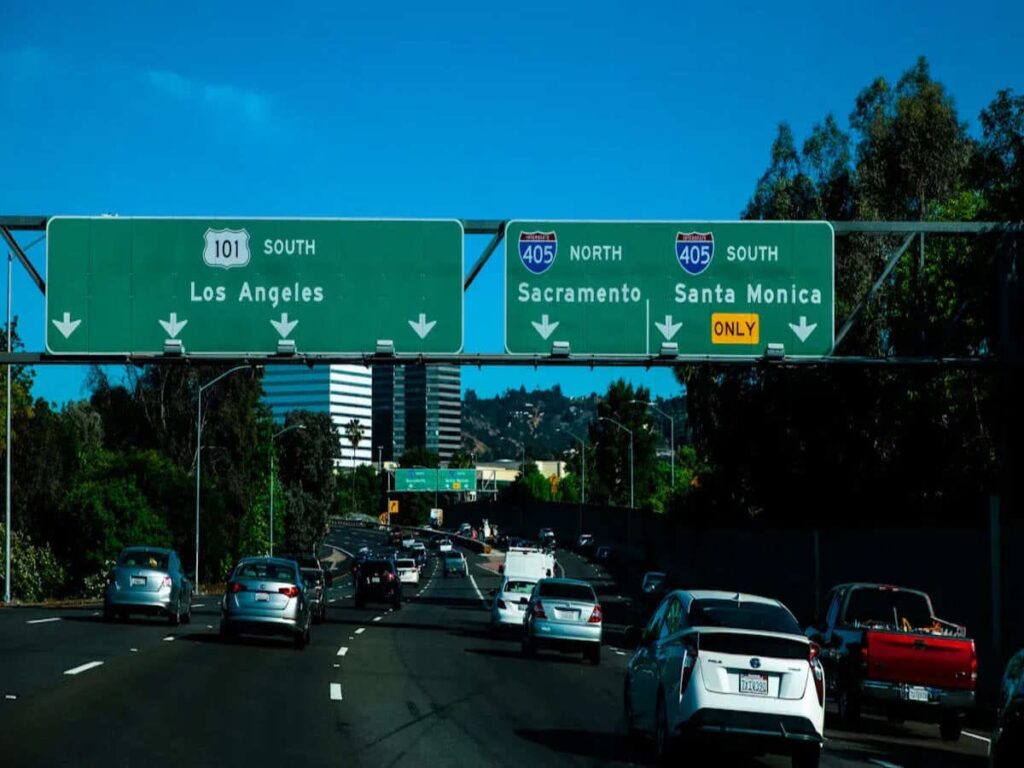
Les autoroutes font partie d'un système qui relie les États. La carte du système interétatique montre les grandes routes qui relient les villes et les régions. Les autoroutes ont des règles strictes en matière de sécurité et de déplacement. Ces routes ont un accès limité et aucune entrée directe aux propriétés. Ils sont faits pour les longs voyages. Le secrétaire aux Transports doit dire qu'une route fait partie du système interétatique. Les panneaux routiers interétatiques ont une forme de bouclier. Cela les rend faciles à voir. Les conducteurs peuvent savoir si une route est une autoroute ou une autoroute en recherchant des panneaux en forme de bouclier et en vérifiant les types de panneaux routiers..
Note: Autoroutes, autoroutes, et les autoroutes contribuent toutes à une bonne circulation. Connaître la signification des panneaux routiers et les types de panneaux routiers sur chaque route aide les conducteurs à rester en sécurité et à respecter les règles sur les grandes routes..
Pourquoi les panneaux interétatiques ont-ils une forme de bouclier?
Contexte historique de la conception du bouclier
Panneaux routiers interétatiques utiliser une forme de bouclier pour des raisons importantes de l'histoire. La forme du bouclier a été suggérée pour la première fois lors d'une réunion à 1925. Lou A.. Boulay a eu l'idée du Grand Sceau des États-Unis. Le conseil a parlé du bouclier et a regardé les dessins. Ils ont accepté d'utiliser le bouclier après en avoir parlé. Le design final a été choisi en août 1925 après d'autres discussions sur les noms d'État.
Le regard de panneaux routiers interétatiques changé avec le temps. Richard Oliver a réalisé le premier dessin en 1957. Les concepteurs l'ont encore modifié en 1961, 1971, et 1978 pour s'adapter à de nouvelles règles. L'American Association of State Highway Officials a déjà organisé un concours 1956. États envoyés 76 idées, et le design de Richard Oliver a gagné. Il a utilisé quelques idées du dessin du Missouri. Cela montre comment les gens ont travaillé ensemble pour rendre le système routier interétatique.
La conception du bouclier est devenue un signe de pouvoir fédéral et d'unité pour le réseau routier interétatique..
Uniformité et identification facile entre les États
La forme du bouclier aide les conducteurs à savoir panneaux routiers interétatiques rapide, Partout où ils vont. Chaque réseau routier utilise son propre bouclier pour une détection rapide. Le bouclier garantit que les panneaux sont identiques dans tous les États. Cela rend les voyages plus faciles et plus sûrs.
| Choix de conception | Implication pour l'uniformité et l'identification |
|---|---|
| Représentation générique pour la signalisation routière | Rend les panneaux faciles à voir et à comprendre sur la route. |
| Cercle blanc uni pour les itinéraires principaux | Conserve les cartes de la même manière, pour que les conducteurs ne soient pas confus. |
| Rectangle blanc pour les itinéraires secondaires | Rend la légende de la carte simple et facile à lire. |
Panneaux routiers interétatiques utilisez la forme du bouclier pour que tous les panneaux soient identiques dans tout le pays. Cela contribue à assurer la sécurité des conducteurs et les aide à trouver leur chemin..
Pourquoi les panneaux d'entrée/sortie d'autoroute sont-ils plus grands et plus clairs que les panneaux d'autoroute?
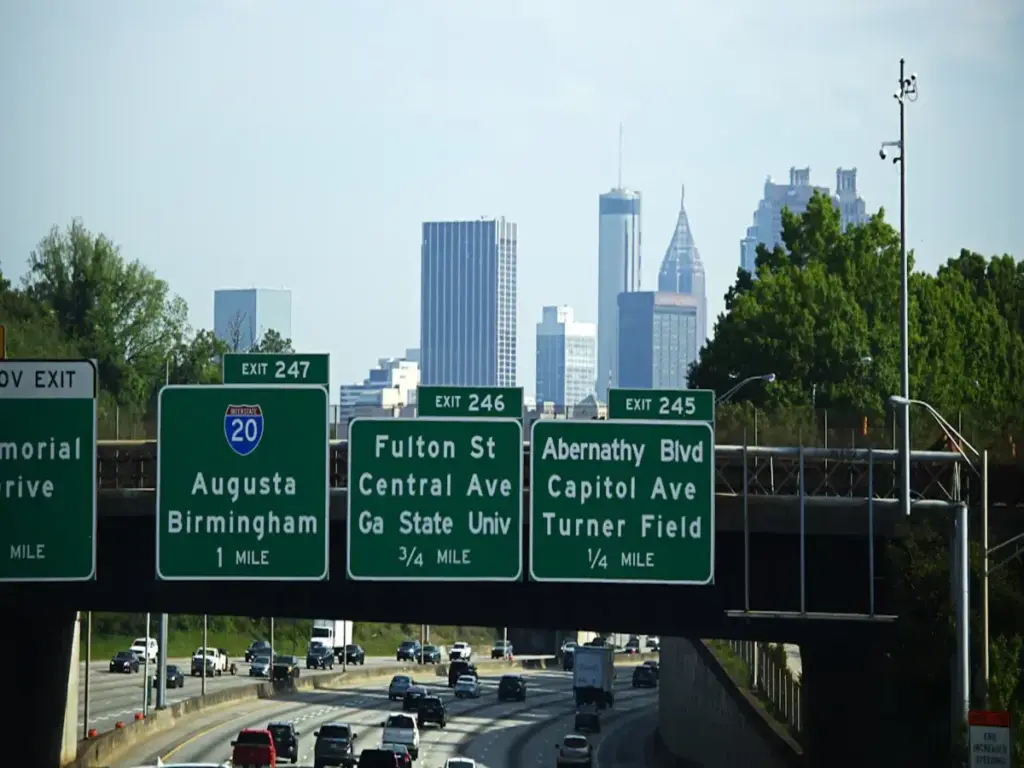
Différences de conception dues aux besoins de vitesse et de visibilité
Les panneaux d’entrée et de sortie d’autoroute sont plus grands et plus clairs. Cela aide les conducteurs à rester en sécurité lorsqu'ils conduisent vite. Les conducteurs ont moins de temps pour lire les panneaux sur les autoroutes. Donc, les panneaux doivent être faciles à voir et à comprendre. Les règles fédérales disent panneaux d'autoroute il me faut au moins des lettres 8 pouces de haut. Les panneaux sur la route ou aux grands échangeurs utilisent des lettres encore plus grosses. Les lettres minuscules sont trois quarts plus hautes que les lettres majuscules.. La taille de chaque panneau dépend du message et de la taille des lettres.
Les autoroutes ont de larges terre-pleins et plus de voies que les autoroutes. Les signes doivent être vus de loin. Dans les villes, une médiane devrait être au moins 12 pieds de large pour les autoroutes à quatre voies. Les routes avec plus de voies ou beaucoup de camions ont besoin de médianes encore plus larges.. Cela aide les conducteurs à voir les panneaux tôt. Panneaux d'autoroute utiliser des polices et des couleurs spéciales pour aider les gens à les lire. La police Clearview aide les conducteurs à mieux voir les panneaux la nuit. C'est 16% mieux que les polices ordinaires. Les panneaux néons et lumineux aident les conducteurs à voir la nuit. Ils peuvent faire des signes 40% à 60% plus facile à lire. Des couleurs vives et un fort contraste font ressortir les panneaux d'avertissement. Cela aide les conducteurs à faire des choix rapides.
Les ingénieurs ajoutent des panneaux d'avertissement et des flèches supplémentaires dans les endroits difficiles. Ceux-ci aident les conducteurs à rester en sécurité dans les virages serrés ou les changements brusques. Le Manuel sur les dispositifs de contrôle de la circulation uniformes dit d'utiliser des panneaux plus grands là où les voitures roulent vite ou où il y a beaucoup de circulation. Cela garantit que tous les panneaux fonctionnent bien pour les voitures qui se déplacent rapidement..
Importance de la clarté, Grands panneaux pour les entrées et sorties d'autoroute
Grand, des panneaux clairs aux entrées et sorties d’autoroute assurent la sécurité des conducteurs. Les grands panneaux sont plus faciles à voir et à lire. Cela aide les conducteurs à savoir où sortir. Des panneaux clairs mettent fin à la confusion et aident les conducteurs à éviter les déplacements de dernière minute. De bons panneaux de sortie facilitent la fluidité de la circulation et maintiennent les voitures dans la bonne voie.
Les panneaux utilisent des matériaux brillants pour que les conducteurs puissent les voir de jour comme de nuit.. Ces matériaux aident les conducteurs à trouver des sorties et réduisent les risques d'accident. Les panneaux d'avertissement et les numéros de sortie doivent être faciles à lire, même quand les voitures roulent vite. Quand les conducteurs voient des panneaux clairs, ils peuvent se préparer pour les sorties. Cela arrête les mouvements brusques et réduit les risques d'accident. Cela permet également de bien fluidifier la circulation.
| Description des preuves | Impact sur les besoins de visibilité |
|---|---|
| Les enseignes lumineuses et les enseignes au néon ont permis 40%-60% améliorations de la lisibilité nocturne par rapport aux panneaux lumineux de l'extérieur. | Souligne l'importance de la luminance dans la conception des panneaux pour la visibilité nocturne. |
| Les distances de lisibilité nocturne par rapport aux panneaux routiers ont augmenté de 16% lorsque la police Clearview a été utilisée à la place de la police Highway standard. | Souligne l'importance du choix de la police pour améliorer la lisibilité. |
| Les combinaisons de couleurs offrant le contraste de luminance le plus élevé ont tendance à offrir la plus grande lisibilité. | Indique que le contraste des couleurs est crucial pour une conception de signalétique efficace. |
| L'utilisation de couleurs fluorescentes dans les panneaux routiers a augmenté les manœuvres de conduite souhaitées. | Suggère que le choix des couleurs peut influencer le comportement et la prise de décision du conducteur. |
Les panneaux d'entrée et de sortie d'autoroute doivent être plus grands et plus clairs que les panneaux d'autoroute. Cela aide les conducteurs sur les routes rapides à comprendre les panneaux et à rester en sécurité. Ces choix de conception aident les conducteurs à suivre les panneaux d'avertissement et de guidage pour voyager en toute sécurité..
Comment les limites de vitesse et les indications d'itinéraire sont-elles conçues et affichées sur différentes routes?
Variations des limites de vitesse sur les autoroutes, Autoroutes, et autoroutes
Les limitations de vitesse assurent la sécurité et le contrôle de la circulation. Chaque autoroute, autoroute, et l'autoroute a sa propre limite de vitesse. La vitesse dépend de l'endroit où se trouve la route et de son type.. Les villes ont des limites de vitesse plus basses car il y a plus de voitures et de sorties. À la campagne, les limites de vitesse sont plus élevées. Par exemple, L'Illinois fixe la vitesse interétatique à 55 mph dans les villes. Dans les zones rurales, ça monte jusqu'à 70 mph. Le Texas a certaines des limites de vitesse les plus élevées, jusqu'à 85 mph sur certaines routes. New York maintient généralement la vitesse à 65 mph. Le Maine laisse partir les conducteurs 75 mph, ce qui n'est pas courant à l'est.
| État | Limite de vitesse maximale (mph) | Remarques |
|---|---|---|
| Californie | 65-70 | Les zones urbaines ont souvent des limites inférieures. |
| Texas | 75-85 | Limites les plus élevées trouvées sur des segments spécifiques. |
| New York | 65 | Limite cohérente sur la plupart des routes. |
| Maine | 75 | Inhabituel à l’est du Mississippi. |
| Dakota du Sud | 80 | Limites plus élevées sur les tronçons ruraux. |
| New Jersey | 65 | Limite standard pour les autoroutes. |
| Virginie | 70 | Limite commune pour les autoroutes. |
| Wyoming | 75-80 | Varie en fonction des études de trafic. |
| Floride | 70 | Limite commune sur les autoroutes. |
| Oregon | 65 (camions 55) | Les camions ont des limites inférieures. |
| Dakota du Nord | 80 | Limites plus élevées sur certaines routes. |
| Oklahola | 75 (peut atteindre 80) | Des segments spécifiques peuvent permettre des vitesses plus élevées. |
Le rôle des panneaux dynamiques pour les ajustements de vitesse
Panneaux de limitation de vitesse dynamiques utiliser la technologie pour modifier les limites de vitesse. Ces panneaux peuvent changer en fonction du trafic, météo, ou travaux routiers. Ils contribuent à contrôler les embouteillages et à rendre les routes plus sûres. Par exemple, ces panneaux diminuent la vitesse lorsqu'il y a beaucoup de trafic ou de mauvais temps. Ils protègent également les travailleurs dans les zones de construction et les enfants dans les zones scolaires.. Le réseau routier interétatique utilise ces panneaux pour assurer la circulation des voitures en toute sécurité..
| Zone de demande | Description |
|---|---|
| Atténuer la congestion | Les VSL aident à gérer la fluidité du trafic en conseillant aux conducteurs de réduire leur vitesse à mesure que les embouteillages s'accumulent, réduire les manœuvres de dernière seconde qui conduisent à des collisions. |
| Comptabilisation de la météo | Les VSL sont utilisés pour ajuster les limites de vitesse en fonction des conditions météorologiques., comme réduire la vitesse par faible visibilité ou dans des conditions glaciales. |
| Augmenter la sécurité dans les zones scolaires | Les VSL abaissent les limites de vitesse pendant les heures de pointe, améliorer la sécurité des enfants et des piétons. |
| Améliorer la sécurité des zones de travail | Les VSL sont utilisés pour réduire les limites de vitesse dans les zones de construction, surtout la nuit quand la circulation est plus légère, Assurer la sécurité des travailleurs. |
Les panneaux dynamiques utilisent des lumières LED pour que les conducteurs puissent les voir de jour comme de nuit.. Ces panneaux peuvent fonctionner avec des piles, puissance régulière, ou l'énergie solaire. Cela signifie qu'ils peuvent être placés à de nombreux endroits.
Signalisation directionnelle et de chemin pour différents types de routes
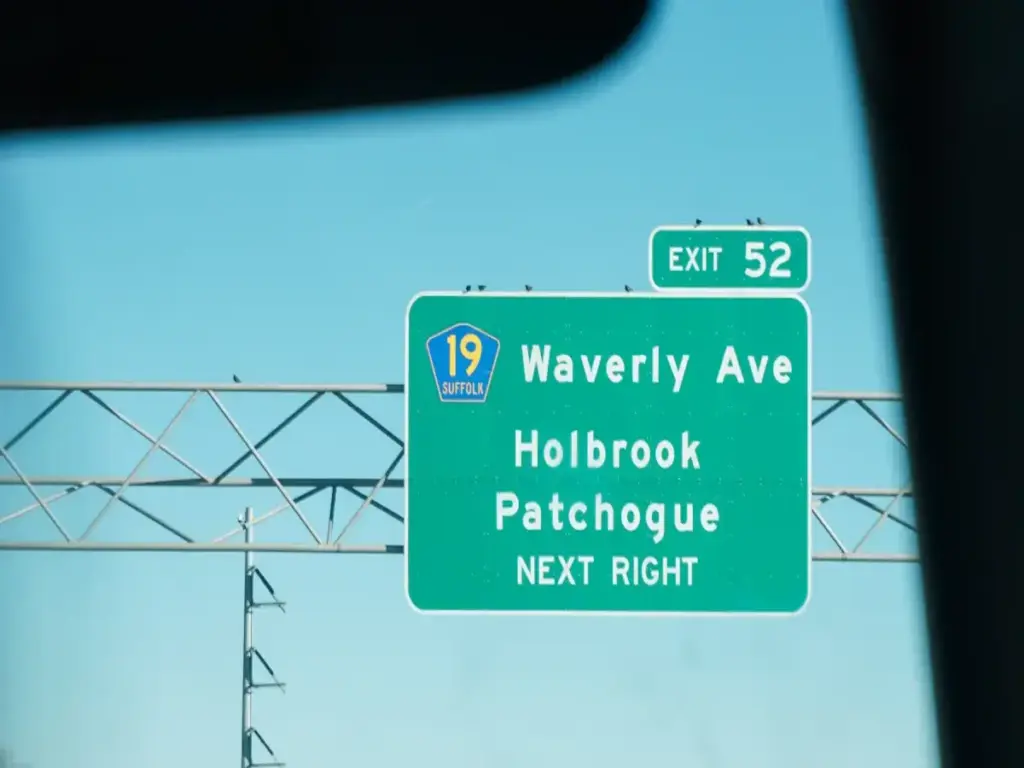
Les panneaux directionnels aident les conducteurs à savoir où aller sur les autoroutes, autoroutes, et autoroutes. Ces panneaux de guidage sont verts avec des lettres blanches. Des panneaux aériens apparaissent avant chaque sortie pour donner aux conducteurs le temps de se préparer. Les autoroutes utilisent gros, des panneaux brillants pour que les conducteurs puissent les lire même lorsqu'il fait sombre ou qu'ils roulent vite. La taille et l'emplacement de ces panneaux contribuent à mettre fin à la confusion et à maintenir la circulation.
Conseil: Des panneaux clairs et faciles à voir aident les conducteurs à faire des choix sûrs et à éviter les changements de voie brusques.
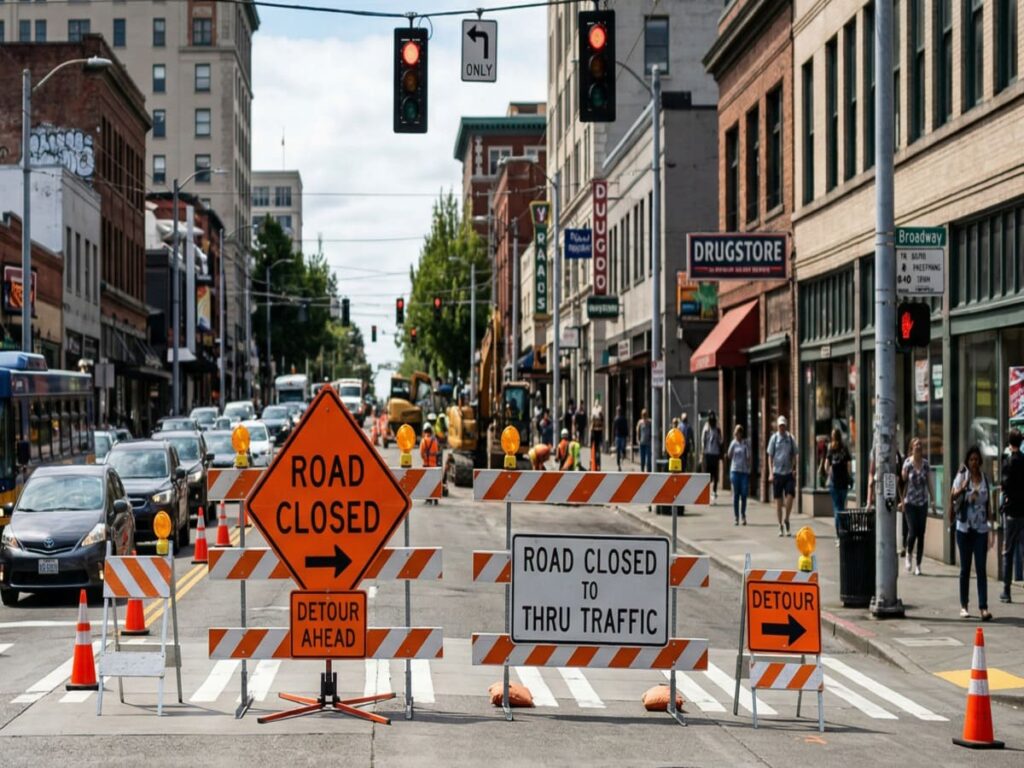
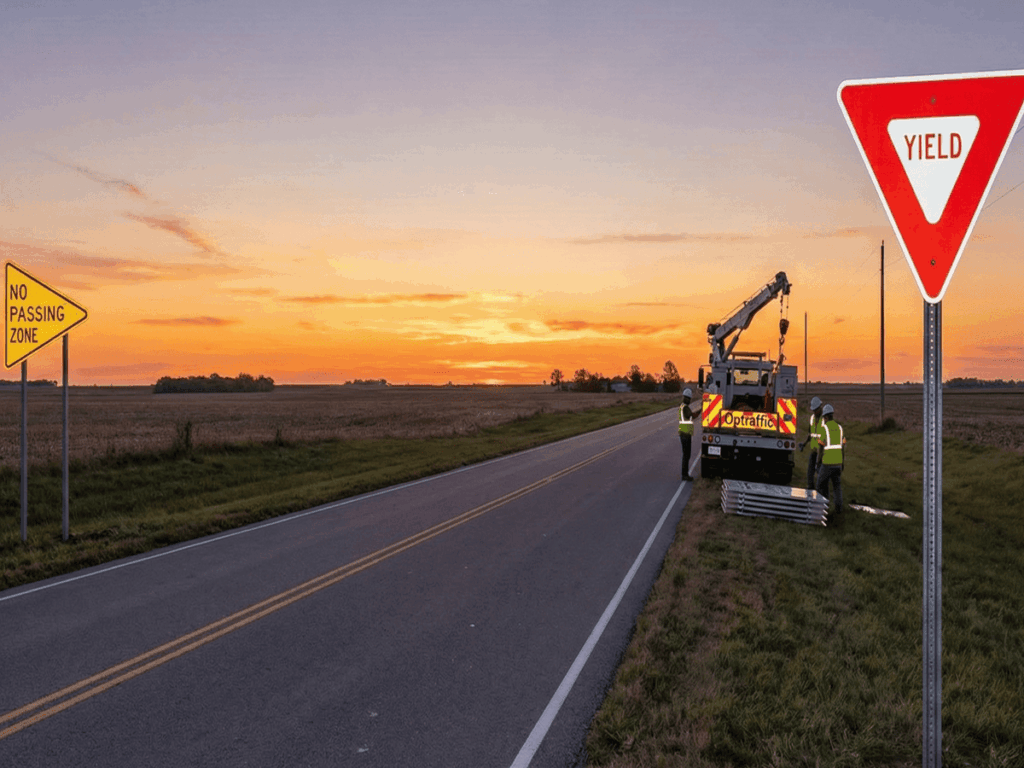
Il existe trois principaux types de panneaux routiers: réglementaire, avertissement, et guide des panneaux. Chaque type aide les conducteurs à suivre les règles, rester en état d'alerte, et arriver là où ils doivent aller en toute sécurité.
Panneaux de trafic en aluminium: Répondre aux normes de durabilité et de visibilité
Pourquoi l'aluminium est le matériau préféré pour les panneaux de signalisation
L'aluminium est le matériau principal des panneaux de signalisation routière aux États-Unis.. Il ne rouille pas et ne se corrode pas, donc les signes durent longtemps. L'aluminium est léger, afin que les travailleurs puissent transporter et installer facilement des panneaux. Cela rend plus sûr et plus rapide l’installation de panneaux sur les autoroutes très fréquentées.. L'aluminium fonctionne bien avec les revêtements réfléchissants. Ces revêtements aident les conducteurs à voir les panneaux la nuit et par mauvais temps.
| Propriété | Description |
|---|---|
| Durabilité | Très résistant à la corrosion, garantissant longévité et visibilité dans le temps. |
| Léger | Plus facile à manipuler et à installer, réduisant les coûts d'installation. |
| Réflectivité | Peut être recouvert de matériaux réfléchissants pour une meilleure visibilité la nuit. |
Les règles fédérales stipulent que l'aluminium doit être utilisé pour les panneaux de signalisation routière. Le manuel sur les dispositifs uniformes de contrôle de la circulation dit les feuilles d'aluminium doivent avoir au moins 2 mm d'épaisseur. Tous les panneaux routiers doivent être rétroréfléchissants ou éclairés, pour que les conducteurs puissent les voir à tout moment. Le manuel fédéral de signalisation routière standard indique également que les panneaux doivent avoir des coins et des trous arrondis pour un montage sûr et facile..
Le rôle des revêtements réfléchissants pour une visibilité améliorée
Les revêtements réfléchissants sont importants pour rendre les panneaux de signalisation routiers faciles à voir. Ces revêtements utilisent des matériaux spéciaux qui renvoient la lumière des phares vers les conducteurs.. Cela aide les conducteurs à voir les panneaux routiers de loin, Même sous la pluie ou le brouillard. Une bonne feuille réfléchissante capte la lumière du soleil pendant la journée et reflète les lumières de la voiture la nuit. Cela permet de garder les panneaux de signalisation clairs et faciles à lire à tout moment..
Pour en savoir plus sur comment choisir les meilleurs matériaux réfléchissants pour vos panneaux de signalisation, Consultez notre blog: Comment sélectionner les meilleurs matériaux réfléchissants pour les panneaux de circulation.
Solutions de panneaux de signalisation personnalisées pour une durabilité améliorée
Les usines fabriquent désormais des panneaux de signalisation routiers personnalisés pour les endroits difficiles. Ils utilisent de l'aluminium de qualité marine, qui ne se corrode pas facilement. Certains panneaux routiers sont dotés de revêtements en poudre céramique pour une protection supplémentaire contre les UV.. D'autres utilisent du polycarbonate solide pour une meilleure résistance aux chocs. Les usines fabriquent également des panneaux qui peuvent être renforcés si le temps change..
| Type de matériau | Avantages |
|---|---|
| Aluminium de qualité marine (5052/6061) | Résistance supérieure à la corrosion, maintenir la force et la flexibilité. |
| Revêtement en poudre amélioré en céramique | Fournit une protection UV et une résistance à la corrosion, prolonger la vie des signes. |
| Polycarbonate de qualité technique | Résistance aux chocs 200 fois supérieure à celle du verre, avec clarté optique et stabilité UV. |
Coutume panneaux de signalisation routière peut avoir des revêtements résistants aux UV pour les endroits ensoleillés. Les usines fabriquent ces panneaux pour respecter ou dépasser les normes MUTCD, ils sont donc sûrs et durent longtemps sur toutes les autoroutes.
Connaître les différentes routes et panneaux de signalisation aide les conducteurs à rester en sécurité. De nombreux accidents se produisent lorsque les conducteurs ne comprennent pas ou manquent les panneaux.. Signes brillants, comme l'aluminium et les réfléchissants, aider les gens à voir les informations importantes. Ces panneaux fonctionnent bien la nuit et par mauvais temps. Les conducteurs doivent toujours regarder les panneaux de signalisation et savoir ce qu'ils signifient. Cela aide à garder tout le monde en sécurité sur la route.
FAQ
Que signifie un panneau en forme de bouclier sur la route?
Un panneau en forme de bouclier marque une autoroute interétatique. Les conducteurs peuvent repérer rapidement ces signes. La forme du bouclier permet à chacun de savoir qu'il se trouve sur une route nationale majeure.
Pourquoi certains panneaux de limitation de vitesse changent-ils pendant la journée?
Les panneaux de limitation de vitesse dynamiques utilisent la technologie pour ajuster les vitesses. Ces panneaux changent en fonction du trafic, météo, ou travaux routiers. Les conducteurs doivent toujours suivre la vitesse actuelle indiquée.
Comment les panneaux de signalisation réfléchissants aident-ils la nuit?
Des panneaux réfléchissants renvoient les phares des voitures aux conducteurs. Cela rend les panneaux faciles à voir dans l'obscurité ou par mauvais temps.. Les conducteurs peuvent lire des informations importantes même la nuit.
Tous les panneaux d'entrée et de sortie d'autoroute sont-ils de la même taille ??
Non, la taille des panneaux dépend de la vitesse de la route et de l'emplacement. Les autoroutes utilisent des panneaux plus grands que les autoroutes. Des panneaux plus grands aident les conducteurs à voir rapidement les directions et à faire des choix sûrs.
Qui décide des normes relatives aux panneaux de signalisation aux États-Unis ??
Le manuel sur les dispositifs de contrôle de la circulation uniformes (Mutcd) fixe les règles. Ce groupe veille à ce que tous les panneaux soient identiques partout au pays.. Des panneaux uniformes aident les conducteurs à rester en sécurité et à éviter toute confusion.