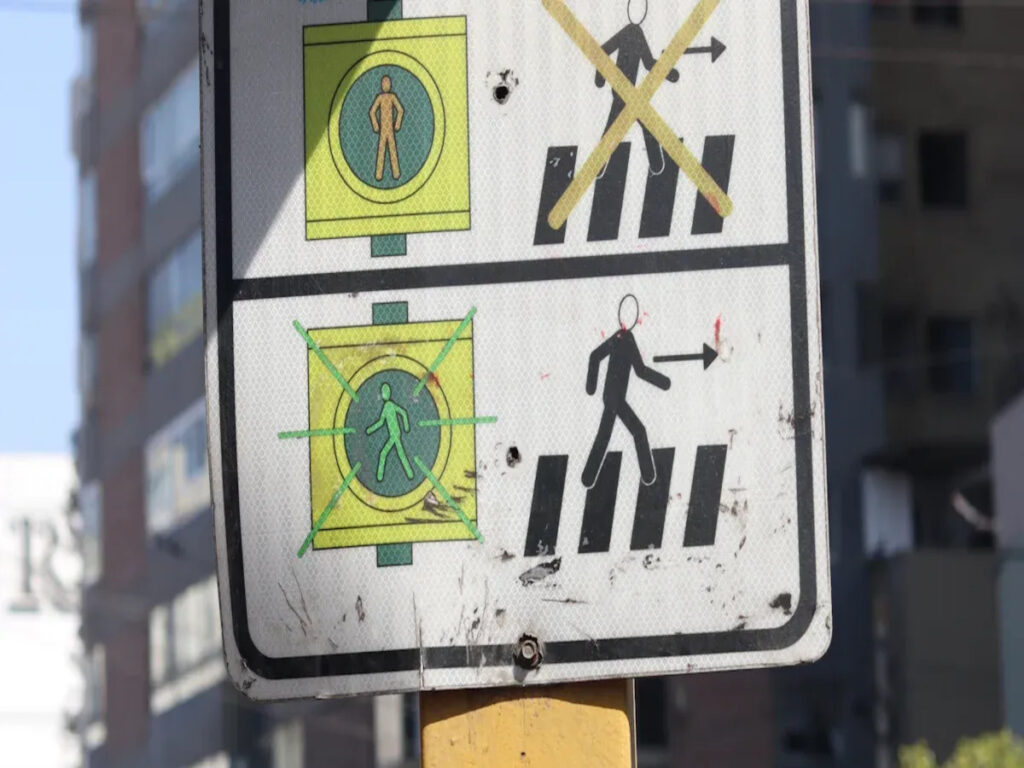
Panneaux de signalisation européens informer les conducteurs des règles et des directions. Ces panneaux donnent également des avertissements. Ils utilisent des formes et des couleurs pour partager des faits importants. Les conducteurs voient des triangles, cercles, et des rectangles. Chaque forme signifie quelque chose de spécial. Avertissement, réglementaire, information, interdiction, priorité, et les panneaux directionnels contribuent à assurer la sécurité des routes. La plupart des pays européens utilisent les mêmes normes. Cela aide les habitants et les visiteurs à rester en sécurité.
Pour assurer la sécurité sur les routes, compréhension Panneaux de signalisation européens et significations est crucial. Ces panneaux sont plus que de simples instructions : ils aident les conducteurs à naviguer, obéir aux règlements, et restez attentif aux dangers potentiels. OPTRAFIC se spécialise dans la production de panneaux routiers conformes aux normes établies dans toute l'Europe. En se concentrant sur la conception et le message corrects de ces panneaux, nous veillons à ce que les conducteurs locaux et les visiteurs internationaux puissent facilement les comprendre, peu importe où ils se trouvent en Europe. Notre objectif est de fournir des produits de haute qualité, une signalisation routière fiable qui répond aux besoins spécifiques de chaque région tout en respectant les principes essentiels Panneaux de signalisation européens et significations. Cet engagement envers l’excellence rend nos routes plus sûres pour tous.
Principaux à retenir
- Les panneaux de signalisation européens utilisent des formes et des couleurs pour afficher les règles et les avertissements. Connaître ces panneaux aide les conducteurs à rester en sécurité.
- Les panneaux d'avertissement sont des triangles aux bords rouges. Ils informent les conducteurs des dangers à venir. Les panneaux réglementaires sont des cercles et indiquent ce qui est autorisé ou non.
- Les panneaux d'interdiction ont des cercles rouges. Ils montrent des choses que vous ne pouvez pas faire, comme pas d'entrée ou non-fumeur. Ces panneaux contribuent à assurer la sécurité des lieux publics.
- Les panneaux d'information sont des rectangles. Ils donnent des instructions ou des informations sur des services comme le stationnement et les hôpitaux. Ces panneaux aident les conducteurs à trouver leur chemin.
- Panneaux de priorité, comme « Arrêtez’ et « Céder le passage », aider à contrôler la circulation et à réduire les accidents. Connaître ces signes est important pour conduire en toute sécurité.
Types de panneaux de signalisation européens
Panneaux d'avertissement
Des panneaux d'avertissement disent aux conducteurs des dangers à venir. La plupart des pays européens utilisent des panneaux triangulaires aux bords rouges pour signaler le danger.. L'Irlande est différente et utilise des panneaux en forme de losange jaune. Les pays scandinaves mettent souvent en garde contre des animaux comme le renne ou l'orignal. Les pays du Sud n'affichent pas beaucoup d'avertissements concernant les animaux. Le tableau ci-dessous montre les différentes formes et couleurs des panneaux d'avertissement dans les grands pays européens.:
| Pays | Forme du panneau d'avertissement | Couleur du panneau d'avertissement |
|---|---|---|
| Irlande | Diamant | Jaune |
| La majeure partie de l'Europe | Triangulaire | Bordé de rouge |
| Scandinavie | Triangulaire | Bordé de rouge |
| France | Divers | Du vert pour les autoroutes |
| Allemagne | Divers | Du vert pour les autoroutes |
| ROYAUME-UNI | Divers | Bleu pour les autoroutes |
Panneaux de signalisation européens suivre la Convention de Vienne. Cette règle donne la même apparence aux signes et utilise des images, pas des mots. Il aide les conducteurs de nombreux endroits à savoir rapidement ce que signifient les panneaux..
Si vous souhaitez explorer les différences de réglementation de la circulation entre différentes régions, Lisez notre blog, Comprendre les normes des panneaux de sécurité routière: Mutcd (USA), COMME 1742 (Australie), et la convention de Vienne (Europe), pour mieux comprendre la manière dont les normes de signalisation routière varient à l'échelle mondiale.
Signes réglementaires
Les panneaux réglementaires indiquent aux conducteurs ce qu’ils peuvent ou ne peuvent pas faire. Ces signes sont pour la plupart des cercles. Les cercles rouges signifient que quelque chose n'est pas autorisé. Les cercles bleus signifient que vous devez faire quelque chose. La Convention de Vienne stipule que les pays doivent utiliser les mêmes formes et couleurs pour ces panneaux. Cela aide les conducteurs à connaître immédiatement les règles.
- Les panneaux circulaires aux bords rouges signifient une entrée interdite ou une limite.
- Les panneaux en forme de cercle bleu signifient que vous devez faire quelque chose, comme tourner ou utiliser une voie.
- Des panneaux carrés indiquent le stationnement hors rue, mais des panneaux circulaires indiquent le stationnement dans la rue.
Les panneaux réglementaires sont souvent à proximité des hôpitaux, maisons de repos, ou lieux d'urgence. Ils rappellent aux conducteurs d'être silencieux et prudents dans ces zones.
Signes d'interdiction
Les signes d'interdiction montrent ce que vous ne pouvez pas faire. Ces panneaux sont des cercles aux bords rouges. Les conducteurs voient ces panneaux indiquant des choses comme interdiction de fumer, pas de feu, Entrée interdite, et pas de natation. Le tableau ci-dessous montre la différence entre les panneaux d'interdiction et les panneaux réglementaires:
| Type de signe | Forme | Couleur | Signification |
|---|---|---|---|
| Signes prohibiteurs | Cercle | Frontière rouge | Action interdite |
| Signes obligatoires | Cercle | Bleu | Action requise |
Les choses courantes non autorisées sont:
- Pas de passage
- Ne pas manger ni boire
- Pas de chiens
- Pas de prise de photos
- Pas de course
- Pas de plongée
- Pas d'objets métalliques ni de montres
Les panneaux d'interdiction contribuent à assurer la sécurité des routes et des lieux publics en indiquant ce qui n'est pas autorisé..
Panneaux d'information
Des panneaux d'information donnent aux conducteurs des informations et des directions. Ces panneaux sont des rectangles et sont souvent bleus ou verts. Les autoroutes en France et en Allemagne utilisent des panneaux verts. Le Royaume-Uni utilise le bleu pour les autoroutes. Des panneaux d'information indiquent les directions, distances, et là où se trouvent des services comme le stationnement ou les hôpitaux.
Note: Les panneaux rectangulaires bleus ou verts donnent généralement des informations utiles sur la route ou les services à proximité..
Panneaux prioritaires
Les panneaux de priorité contrôlent la circulation et arrêtent les accidents. Ces panneaux ont des formes différentes comme des triangles inversés, octogones, et des diamants. Les plus courants sont “Céder” (triangle à l'envers), “Arrêt” (octogone), et “Route prioritaire” (diamant). Les couleurs peuvent être blanches, jaune, rouge, ou orange.
| Type de signe | Forme | Couleur(s) | Informations Complémentaires |
|---|---|---|---|
| Laisser Passer | Triangle inversé | Blanc ou jaune, Rouge | Aucun |
| Arrêt | Octogone | Rouge, Blanc | “ARRÊT” écrit en blanc |
| Route prioritaire | Diamant | Blanc, Noir | Carré jaune ou orange |
| Fin de la route prioritaire | Diamant | Blanc, Noir | Carré jaune ou orange avec des lignes diagonales |
Les panneaux de priorité contribuent à réduire le nombre d'accidents et à améliorer la circulation. Les pays où les limites de vitesse sont plus basses et les règles strictes ont moins d'accidents et de décès.
Signes directionnels
Des panneaux directionnels aident les conducteurs à trouver leur chemin. Ces panneaux sont des rectangles et leur couleur change selon le pays et le type de route. La Finlande et la Norvège utilisent le bleu, vert, ou panneaux jaunes. La Roumanie utilise des lettres blanches sur fond bleu, et les grandes routes ont des boucliers rouges. La Grèce utilise des panneaux bleus avec le grec en jaune et l'anglais en blanc. La Slovénie et la Slovaquie utilisent des fonds jaunes et des flèches blanches.
| Pays | Couleur/caractéristiques du panneau |
|---|---|
| Finlande | Panneaux directionnels de couleur bleue ou verte. |
| Norvège | Panneaux directionnels jaunes. |
| Roumanie | Texte blanc sur fond bleu; routes principales indiquées par des boucliers rouges. |
| Grèce | Panneaux bleus avec texte grec en jaune et anglais en blanc. |
| Slovénie | Texte noir sur fond jaune. |
| Slovaquie | Panneaux rectangulaires avec petites flèches blanches. |
| Tchéquie | Grande flèche formant la forme du panneau. |
Les villes utilisent souvent des panneaux rectangulaires bleus ou verts pour les autoroutes. Les routes de campagne peuvent utiliser d'anciens panneaux de signalisation et des fonds blancs pour les routes locales. Les panneaux directionnels aident les conducteurs à emprunter des routes difficiles et à se rendre à leur place en toute sécurité.
Panneaux routiers européens: Couleurs et formes
Panneaux et frontières rouges
Le rouge est facile à voir Panneaux routiers européens. Cela signifie un danger ou quelque chose n'est pas autorisé. Les conducteurs remarquent des bordures rouges sur les panneaux ronds. Ces signes vous disent de ne pas faire certaines choses, comme pas d'entrée ni de limites de vitesse. Le rouge est également utilisé sur les panneaux d'arrêt et les panneaux de passage. La couleur aide les conducteurs à connaître rapidement les règles et les avertissements. Le tableau ci-dessous montre comment le rouge indique aux conducteurs les dangers et les choses que vous ne pouvez pas faire.:
| Type de signe | Description |
|---|---|
| Signes réglementaires | Des panneaux ronds indiquent ce qui n'est pas autorisé ou limité. |
| Actions prohibitives | Un cercle blanc avec une bordure rouge signifie que vous ne pouvez pas le faire. |
| Instructions d'utilisation des voies | Un rectangle blanc avec une bordure rouge montre les règles de voie. |
| Danger et interdiction | Le fond peut être blanc ou jaune. |
Les formes et les bordures rouges rendent les règles faciles à voir. Ils aident à arrêter les accidents.
Cercles bleus
Cercles bleus dessus Panneaux routiers européens ça veut dire que tu dois faire quelque chose. Ces panneaux indiquent aux conducteurs quoi faire, comme aller dans une certaine direction ou utiliser une voie. Les cercles bleus sont courants dans les villes pour les rues à sens unique. Certains panneaux comportent un numéro à l'intérieur du cercle bleu. Cela montre la vitesse la plus basse que vous puissiez atteindre. D'autres panneaux montrent des personnes ou des vélos. Les voitures ne peuvent pas aller dans ces endroits.
- Les cercles bleus indiquent ce que les conducteurs doivent faire.
- Ils contribuent à maintenir la circulation dans les endroits très fréquentés.
- Les panneaux avec des personnes ou des vélos signifient qu'eux seuls peuvent entrer.
- Un chiffre dans un cercle bleu signifie la vitesse la plus lente autorisée.
Le tableau ci-dessous montre ce que signifient les cercles bleus et les autres couleurs:
| Couleur | Signification |
|---|---|
| Bleu | Vous devez y aller ou suivre la direction. |
| Rouge | Vous ne pouvez pas faire quelque chose ou devez arrêter. |
| Vert | Vous pouvez faire certaines choses. |
| Autre | Donne des instructions utiles. |
Les cercles bleus aident les conducteurs à respecter les règles et à assurer la sécurité de la circulation.
Panneaux verts et jaunes
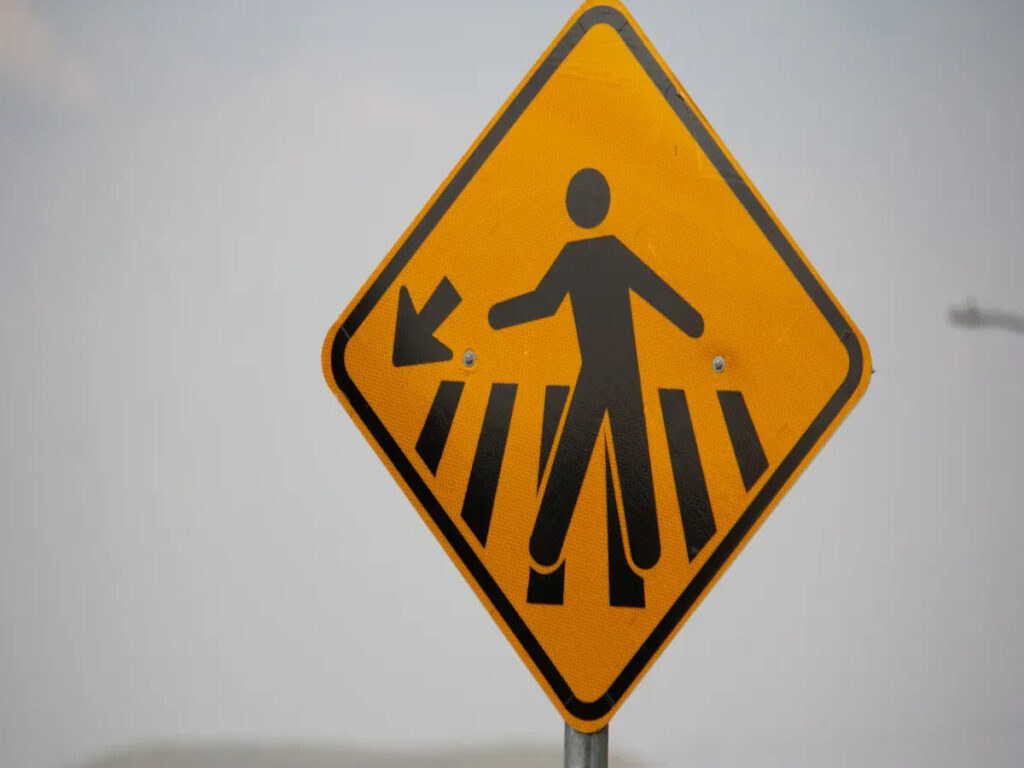
Des panneaux jaunes et verts fournissent des informations et des conseils importants, jouer un rôle crucial dans la sécurité routière et la navigation. Le jaune est couramment utilisé pour les panneaux d'avertissement et est particulièrement efficace en raison de sa haute visibilité., même en cas de faible luminosité ou de conditions météorologiques défavorables. Par exemple, en Irlande, panneaux jaunes en forme de losange sont stratégiquement placés pour alerter les conducteurs des dangers potentiels, comme les courbes pointues, traverses piétonnes, ou passages d'animaux, s'assurer qu'ils peuvent prendre les précautions nécessaires. Panneaux verts, d'autre part, sont largement utilisés sur les autoroutes dans des pays comme la France et l'Allemagne. Ces panneaux affichent généralement des informations vitales telles que les directions, distances vers les destinations, et numéros de sortie, aider les conducteurs à planifier efficacement leurs itinéraires. Le choix de ces couleurs est délibéré, car ils sont facilement reconnaissables et conçus pour attirer l'attention, s'assurer que les conducteurs peuvent répondre rapidement et efficacement aux informations fournies, à terme, favorisant des déplacements plus sûrs et plus fluides.
Note: La couleur et la forme aident les conducteurs à connaître rapidement les types de panneaux et leur signification.. Ce système assure la sécurité des routes et aide les voyageurs à suivre les panneaux de signalisation en toute confiance.
Exemples clés et leurs significations
Signes de limite de vitesse
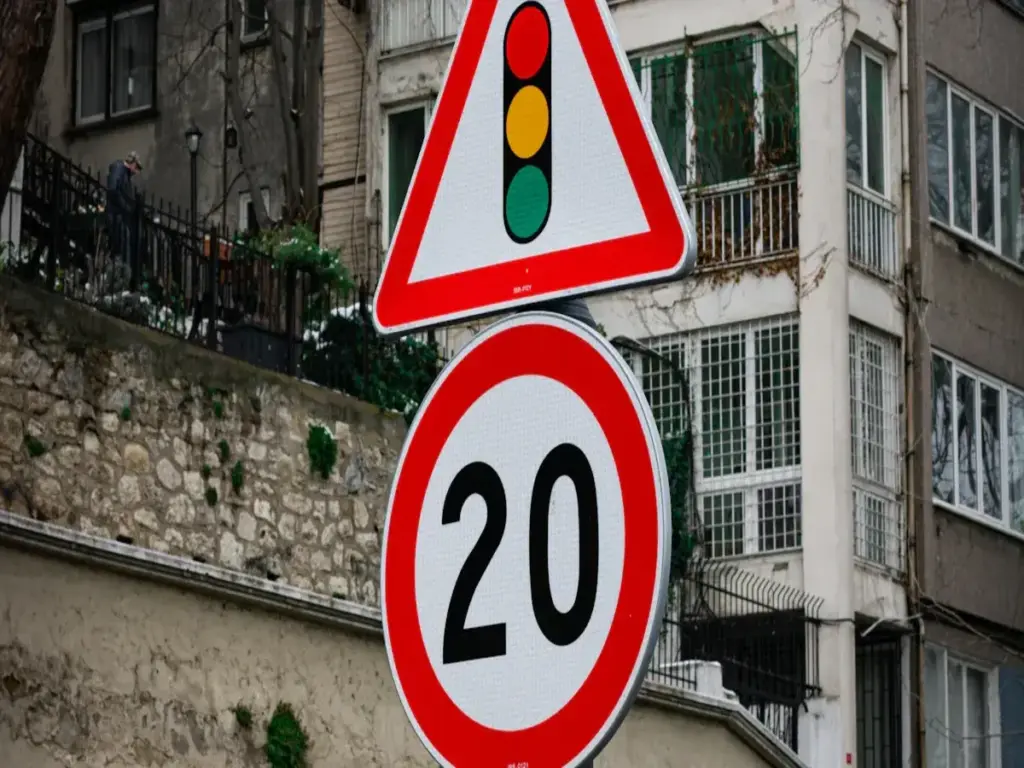
Des panneaux de limitation de vitesse sont souvent visibles sur les routes européennes. Ces panneaux sont des cercles blancs avec des bordures rouges. Un numéro est au milieu du panneau. Le nombre indique la vitesse la plus rapide que vous pouvez conduire. La vitesse est en kilomètres par heure. De nombreux panneaux de limitation de vitesse se ressemblent dans différents pays. Cela aide les voyageurs à suivre les règles. Les conducteurs voient ces panneaux aux abords de la ville, sur les autoroutes, et près des écoles. Par exemple:
- L'Allemagne n'a pas de limite de vitesse sur certaines parties de l'autoroute. Dans les villes, la limite est 50 km / h. Sur les routes de campagne, c'est 100 km / h.
- La France utilise 50 km/h dans les villes. Les routes rurales ont 80 km / h. Les autoroutes ont 130 km / h. S'il pleut, la vitesse est plus faible.
- Le Royaume-Uni utilise 30 mph (48 km / h) dans les villes. Sur chaussée unique, c'est 60 mph (97 km / h). Les autoroutes ont 70 mph (113 km / h).
- L'Italie définit 50 km/h dans les villes. Les routes secondaires ont 90 km / h. Les autoroutes ont 130 km / h.
- L'Espagne utilise 30 km/h sur routes à voie unique. Les routes à plusieurs voies ont 50 km / h. Les autoroutes ont 120 km / h.
La plupart des panneaux de limitation de vitesse sont faciles à repérer. Certains pays utilisent des signes différents. Les voyageurs doivent surveiller les changements de vitesse. Ceci est important par mauvais temps ou dans les zones très fréquentées.
Cependant, tous les pays n'utilisent pas les kilomètres par heure. Par exemple, le Royaume-Uni utilise toujours les miles par heure (mph). Comprendre pourquoi le Royaume-Uni utilise un système différent, Consultez notre blog Pourquoi les panneaux routiers britanniques utilisent MPH au lieu de KPH: Comprendre le système de limite de vitesse du Royaume-Uni pour une explication approfondie du système unique de limitation de vitesse du Royaume-Uni.
Entrée interdite et actions interdites
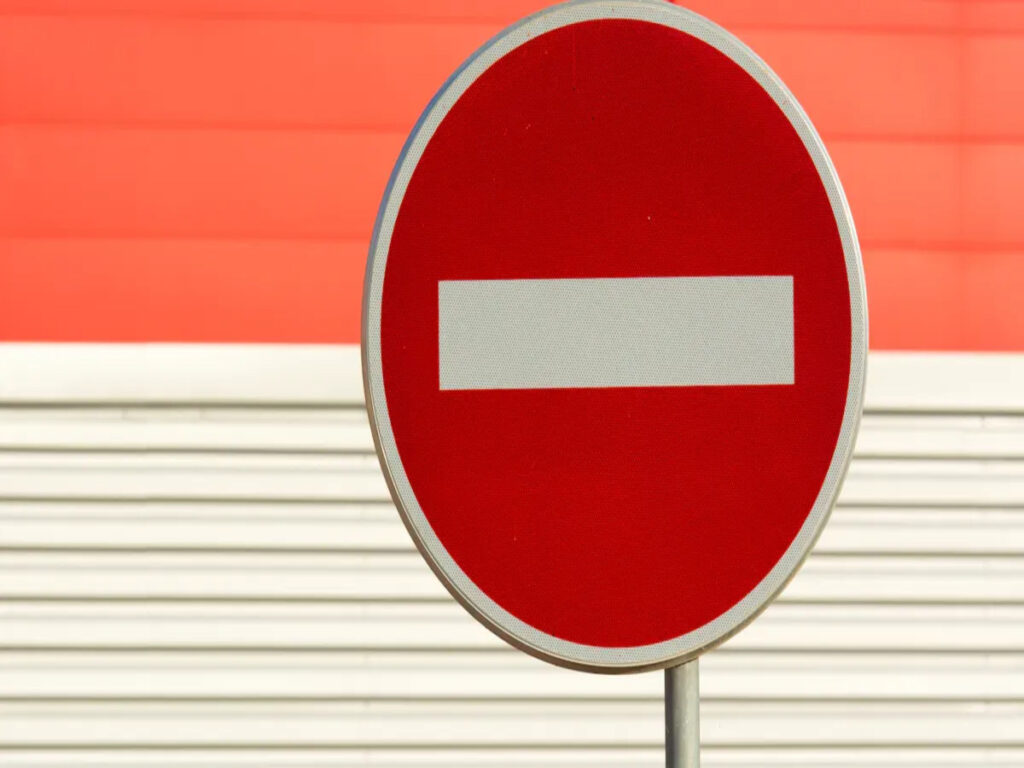
Aucun panneau d'entrée n'empêche les conducteurs d'entrer dans certains endroits. Ces panneaux sont des cercles rouges avec une barre blanche en travers.. Ils se trouvent dans des rues à sens unique ou dans des zones spéciales. Les panneaux d'interdiction indiquent des choses que vous ne pouvez pas faire. Exemples : interdiction de fumer ou interdiction de stationner. Ces panneaux sont des cercles rouges avec un symbole à l'intérieur. Ils sont faits pour durer et respectent les règles de sécurité. Les hôpitaux et les lieux privés utilisent ces panneaux pour des raisons de sécurité.
| Type de signe | Description |
|---|---|
| Pas de panneau d'entrée | Indique que certains véhicules ou personnes ne peuvent pas entrer. |
Panneaux directionnels et informatifs
Les panneaux directionnels aident les conducteurs à trouver les villes, autoroutes, et des lieux. Ces signes sont des rectangles. Ils montrent des noms, Nombres, ou flèches. Des panneaux d'information donnent des informations sur le stationnement, hôpitaux, ou des services. Les lieux très fréquentés utilisent ces panneaux pour répondre aux questions. Ils aident les conducteurs à savoir où aller. Des panneaux directionnels indiquent la distance entre les lieux. Des panneaux d'information indiquent les endroits importants.
Conseil: Des panneaux rectangulaires bleus ou verts donnent des indications et des informations sur les routes et les services.
Panneaux de priorité et d'avertissement
Les panneaux de priorité indiquent aux conducteurs qui passe en premier. Les plus courants sont “Céder” (triangle à l'envers), “Arrêt” (octogone), et “Route prioritaire” (diamant). Ces panneaux aident à arrêter les accidents et à maintenir la circulation. Les panneaux d'avertissement utilisent des triangles avec des bordures rouges. Ils mettent en garde contre les dangers comme les chutes de pierres, routes glissantes, ou travaux routiers. En Allemagne, les bus quittant les arrêts sont prioritaires. Les véhicules d'urgence bénéficient de droits spéciaux.
| Panneau d'avertissement | Description |
|---|---|
| Dépassement Interdit | Vous ne pouvez pas dépasser d'autres voitures. |
| Rochers | Attention aux cailloux sur la route. |
| Surface glissante | La route peut être glissante ou dangereuse. |
| Travail sur la route à venir | Ralentissez pour la construction. |
| La route se rétrécit | La route devient plus petite à venir. |
Les panneaux de priorité et d'avertissement aident les conducteurs à rester en sécurité et à respecter les règles.
Panneaux de signalisation européens utiliser des formes et des couleurs pour afficher les règles. Ils donnent également des avertissements et des instructions. Connaître ces panneaux aide les conducteurs à rester en sécurité. Cela leur permet de réagir rapidement. Les voyageurs devraient regarder les panneaux avant de conduire. Cela permet d'éviter de recevoir des amendes ou des pénalités. En France, manquer un panneau peut coûter 135 €. L'Allemagne impose des sanctions sévères en cas de conduite dangereuse.
FAQ
Que signifient les panneaux routiers en forme de triangle en Europe?
Des panneaux en forme de triangle avertissent les conducteurs du danger qui les attend. La plupart des pays utilisent des bordures rouges sur ces panneaux. L'Irlande utilise des panneaux en forme de losange jaune pour les avertissements. Les conducteurs doivent ralentir lorsqu'ils voient ces panneaux. Ils doivent faire attention à la route.
Comment les voyageurs peuvent-ils reconnaître les panneaux de limitation de vitesse?
Les panneaux de limitation de vitesse comportent un numéro à l'intérieur d'un cercle blanc. Le cercle a une bordure rouge. Le nombre indique la vitesse la plus rapide que vous pouvez conduire. La vitesse est en kilomètres par heure. Ces panneaux sont aux entrées de la ville, autoroutes, et près des écoles.
Les panneaux de signalisation européens sont-ils les mêmes dans tous les pays?
La plupart des pays européens utilisent les règles de la Convention de Vienne. Cet accord donne forme, couleurs, et les symboles sont pareils. Certains pays ont de légères différences. Les voyageurs connaîtront la plupart des panneaux en Europe.
Qu'indique un cercle bleu sur un panneau routier?
Un cercle bleu signifie que les conducteurs doivent faire quelque chose. Il peut vous dire de vous tourner, utiliser une voie, ou aller à une certaine vitesse. Ces panneaux contribuent à assurer la sécurité et l'organisation de la circulation..
Où les conducteurs peuvent-ils trouver des informations sur les services routiers?
Les conducteurs voient des panneaux rectangulaires bleus ou verts pour obtenir des informations.. Ces panneaux indiquent les directions, parking, hôpitaux, et autres services. La couleur et la forme aident les conducteurs à trouver rapidement ce dont ils ont besoin.
Pourquoi les panneaux routiers français disent “rappel”?
En France, le mot rappel est utilisé sur les panneaux de signalisation pour signifier “rappels” ou “répétition.” On le voit couramment sur les panneaux qui rappellent aux conducteurs la limite de vitesse dans les zones où la limite a déjà été indiquée plus tôt.. Cela permet de renforcer la régulation de la vitesse et de rappeler aux conducteurs de respecter les limites..
Que signifie un diamant sur les routes françaises?
Sur les routes françaises, un panneau en forme de losange indique généralement une route prioritaire. Cela signifie que les conducteurs empruntant cette route ont la priorité lorsqu'ils rencontrent des intersections avec d'autres routes.. C'est un signe crucial pour assurer la fluidité de la circulation et prévenir les accidents..
OPTRAFFIC produit-il des panneaux routiers conformes aux normes de l'UE?
Oui, OPTRAFFIC est spécialisé dans la production de panneaux routiers de haute qualité qui respectent les normes de l'UE. Non seulement nous créons des panneaux pour l'Union européenne, mais nous fabriquons également des panneaux routiers conformes aux normes aux Etats-Unis, Australie, et d'autres régions. Nos panneaux sont conçus pour répondre aux exigences réglementaires spécifiques de chaque pays, garantir la sécurité et la clarté pour les conducteurs du monde entier.