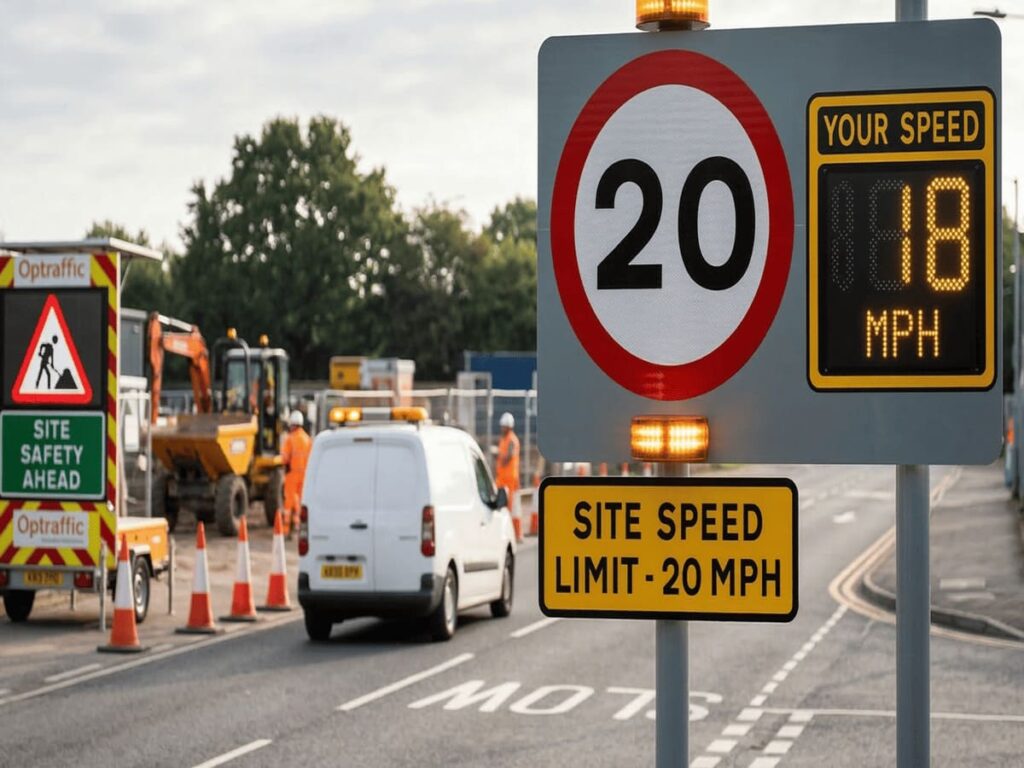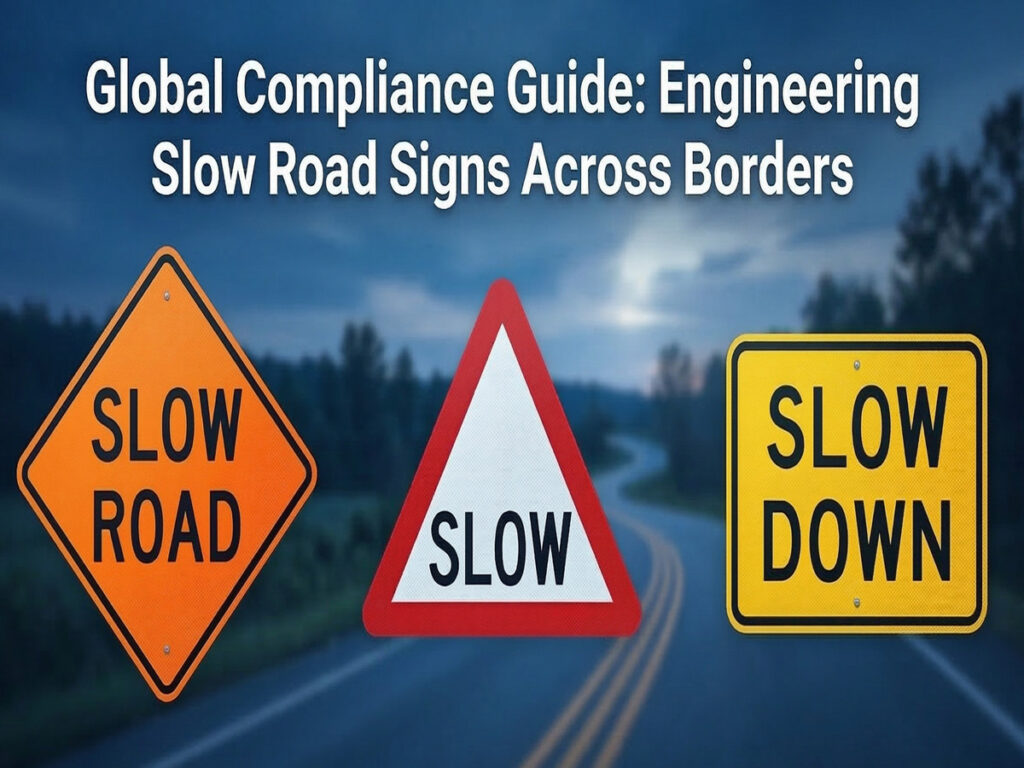
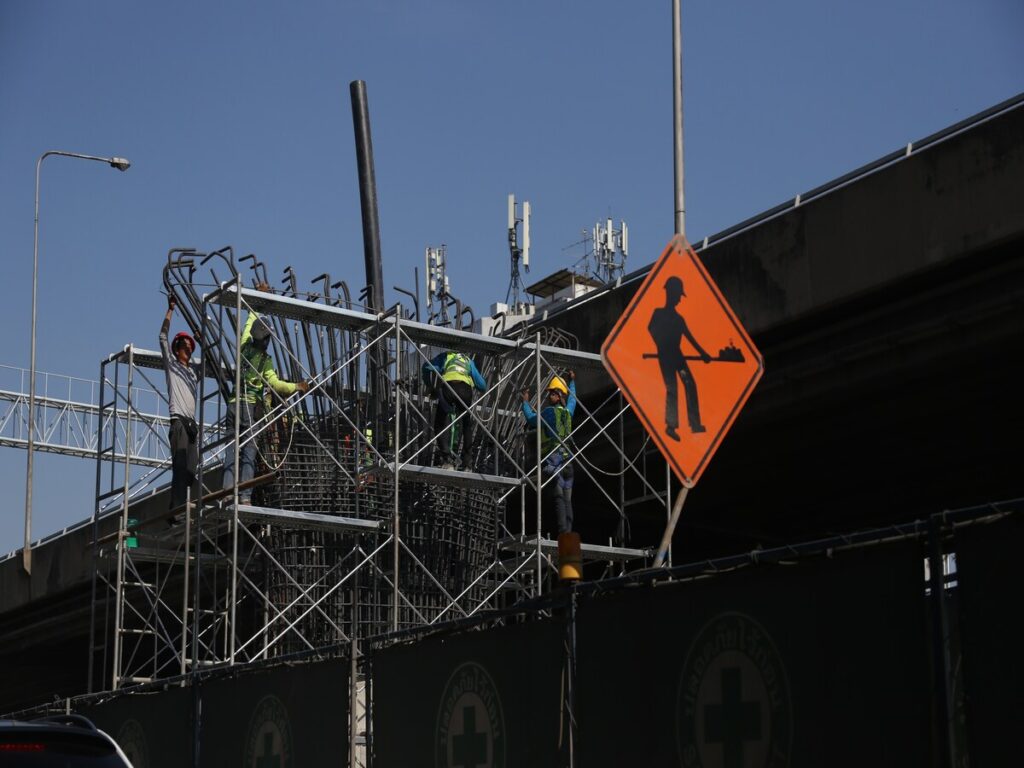
Dans le cadre de projets de construction du secteur public, comme les bâtiments gouvernementaux, écoles, hôpitaux, et travaux routiers, s'assurer que panneaux de construction de route il est essentiel de respecter toutes les normes réglementaires. Non seulement le non-respect présente des risques juridiques et financiers, mais cela met également en danger la sécurité des travailleurs et du grand public.
La signalisation de construction joue un rôle essentiel dans la protection des travailleurs, trafic de guidage, et veiller à ce que le public soit bien informé des dangers temporaires, fermetures de routes, et détours. Ces projets sont soumis à une surveillance réglementaire stricte, surtout aux États-Unis, où le respect de normes telles que le Manuel sur les dispositifs uniformes de contrôle de la circulation (Mutcd) et Administration de la sécurité et de la santé au travail (OSHA) les lignes directrices sont obligatoires.
Dans cet article, nous explorerons les normes réglementaires de base qui régissent la signalisation dans les projets de construction du secteur public, le processus étape par étape pour assurer la conformité, pièges courants, et des solutions pratiques, avec des exemples concrets.
Normes réglementaires clés pour les panneaux de construction routière
Veiller à ce que les panneaux de construction routière soient conformes aux normes réglementaires est crucial pour maintenir la sécurité et éviter les problèmes juridiques.. Pour une compréhension plus approfondie de ces normes de conformité, référez-vous à notre blog, Conformité réglementaire et signalisation des chantiers de construction, où nous approfondissons les spécificités de ces lignes directrices essentielles.
Mutcd: La base pour la conformité de la signalisation en matière de construction routière
Le mutcd, ou le Manuel sur les dispositifs uniformes de contrôle de la circulation, établit la norme nationale en matière de signalisation routière, signaux, et marquages au sol utilisés aux États-Unis. Il fournit des lignes directrices pour la conception, placement, et l'entretien de panneaux de construction de route, s'assurer qu'ils répondent aux exigences de sécurité des conducteurs et des piétons.
En particulier, Partie 6 du MUTCD, qui se concentre sur le contrôle de la circulation dans les zones de travail (WZTC), est essentiel pour garantir que signalisation de zone de construction est visible, lisible, et placé correctement pour protéger les travailleurs et le public. L'objectif principal de la partie 6 est de minimiser les risques et d’optimiser la circulation lors des projets de construction.
Aspects clés de la conformité MUTCD
- Placement des signes: MUTCD définit des directives spécifiques pour que les panneaux de distance soient placés à partir de la zone de travail afin de laisser aux conducteurs suffisamment de temps pour réagir.. Par exemple, les panneaux d'avertissement doivent être placés au moins 500 pieds devant la zone de construction sur les autoroutes.
- Taille et visibilité des panneaux: Les panneaux doivent être de taille appropriée et très visibles, avec une feuille réfléchissante pour garantir qu'ils peuvent être vus de jour comme de nuit. MUTCD exige que les panneaux répondent à une norme minimale de réflectivité pour garantir la visibilité dans des conditions de faible luminosité.
- Panneaux d'avertissement à l'avance: Ces panneaux doivent être installés à des distances appropriées pour avertir les conducteurs des zones de construction à venir., fermetures de voies, ou détours. Placement correct de signes avant-coureurs est crucial pour réduire le risque d’accidents dans les zones de construction.
- Durabilité des panneaux: MUTCD aborde également la qualité des matériaux des panneaux de construction. Ces panneaux doivent résister à des conditions météorologiques variables, y compris la pluie, neige, ou chaleur extrême. Ceci est particulièrement important pour les projets de construction à long terme où les panneaux peuvent être exposés à des environnements difficiles pendant de longues périodes..
Normes OSHA: Sécurité des travailleurs et du public
L'Administration de la sécurité et de la santé au travail (OSHA) fournit des règles de sécurité supplémentaires qui ciblent spécifiquement la protection des travailleurs. OSHA 29 CFR 1926.200 décrit les exigences en matière de signalisation pour les chantiers de construction afin de garantir que les travailleurs’ sécurité, tels que des avertissements appropriés et des messages de sécurité dans les zones dangereuses.
- Panneaux d'avertissement: L'OSHA exige que toutes les zones de construction affichent des panneaux d'avertissement appropriés pour alerter les travailleurs des dangers tels que les risques de chute., risques électriques, et exposition chimique.
- Sécurité des chantiers: Les panneaux doivent être clairement visibles, monté à des hauteurs appropriées, et placés dans les zones où les travailleurs sont les plus susceptibles de rencontrer des dangers. Par exemple, des panneaux avertissant de déversements potentiels de produits chimiques doivent être placés à proximité des zones de stockage de produits chimiques ou des quais de chargement.
- Entretien de la signalisation de sécurité: L'OSHA impose des contrôles réguliers des panneaux de sécurité pour garantir qu'ils sont toujours visibles et lisibles.. Sale, endommagé, ou les panneaux obstrués doivent être nettoyés ou remplacés rapidement.
Conformité ANSI Z535 pour la clarté de la conception
Bien que MUTCD ou OSHA ne les appliquent pas directement, les projets de construction adoptent largement les normes ANSI Z535 pour la conception de la signalisation afin d'améliorer la clarté des symboles, lisibilité, et la sécurité globale. Les directives de l'ANSI normalisent la conception des panneaux de sécurité, s'assurer que les travailleurs peuvent facilement comprendre et agir en fonction des informations présentées.
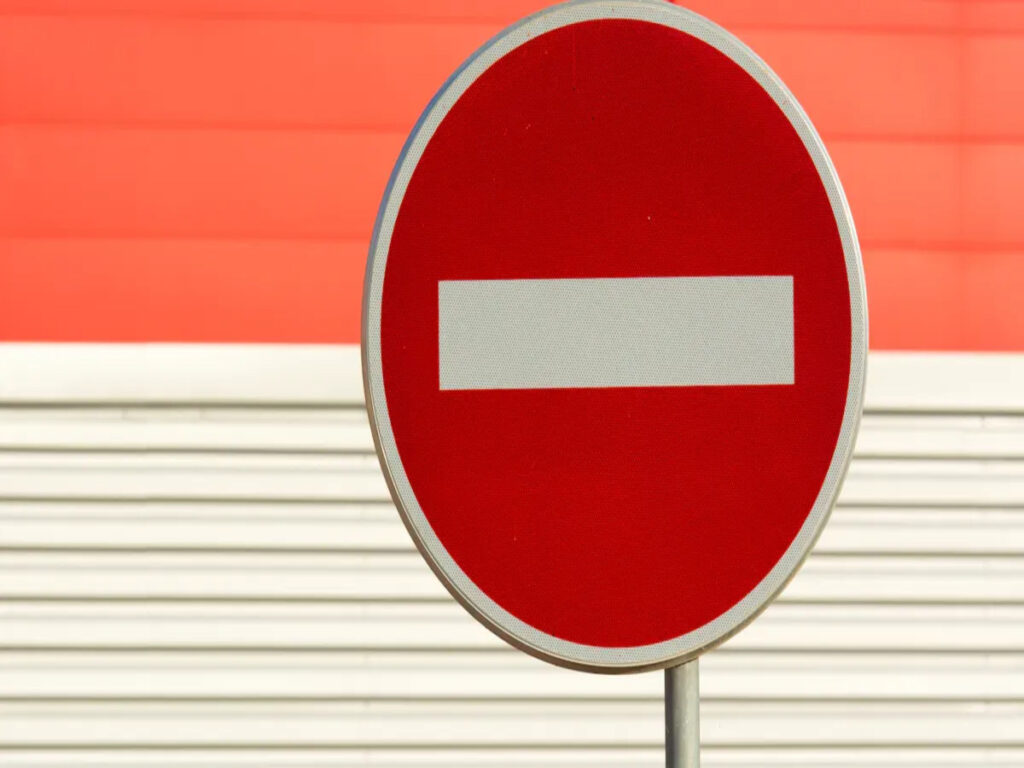
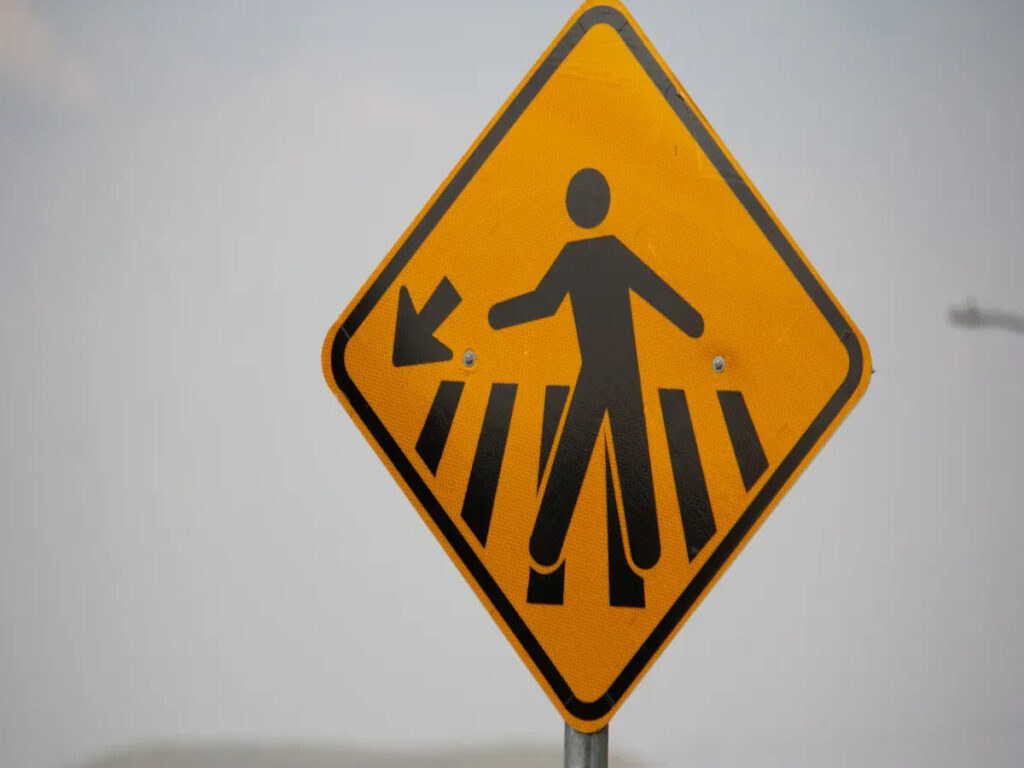
- Codage couleur: ANSI précise que les panneaux rouges indiquent un danger, le jaune indique la prudence, et le vert indique des instructions relatives à la sécurité. Ce système de couleurs est conforme aux normes MUTCD et OSHA pour garantir la cohérence de toute la signalisation de sécurité..
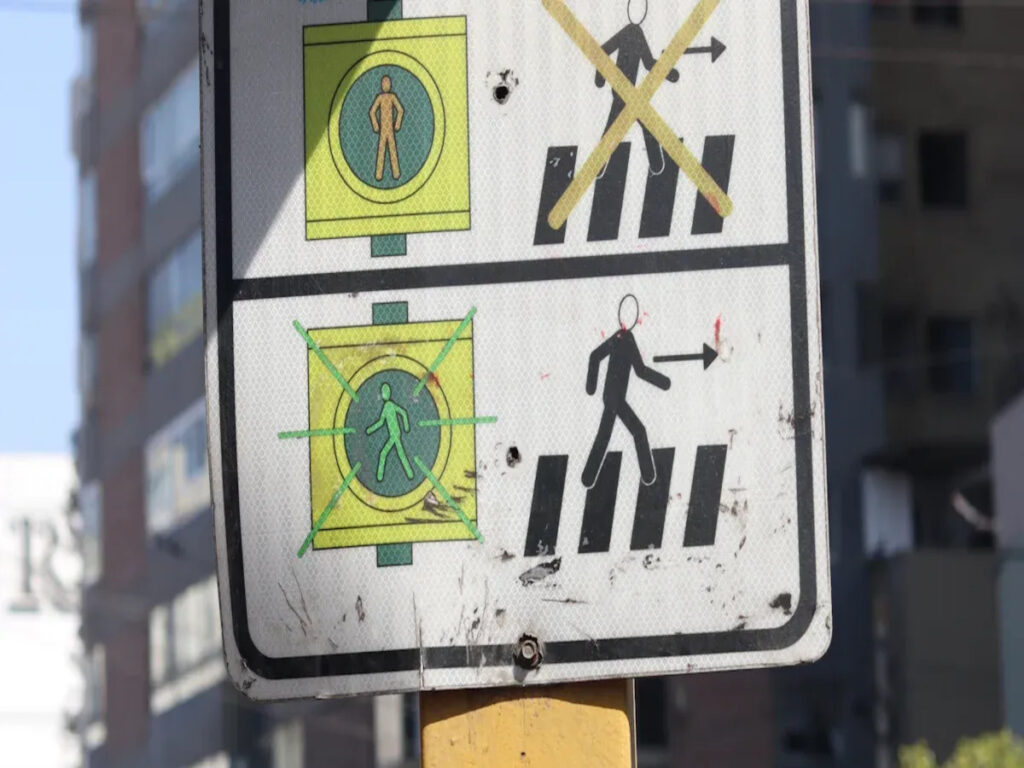
- Utilisation des symboles: L'ANSI promeut également l'utilisation de symboles universellement reconnus pour compléter le texte., rendre les panneaux de sécurité plus efficaces dans des environnements multilingues ou multiculturels.
Étapes pour garantir la conformité de la signalisation en matière de construction routière
1. Phase de planification: Élaboration d'un plan de contrôle de la circulation (TCP)
Avant de commencer la construction, élaborer un plan de contrôle de la circulation (TCP) est crucial. Le TCP sert de modèle pour la signalisation de construction tout au long du projet et garantit que chaque panneau répond aux exigences réglementaires nécessaires..
Éléments clés d'un TCP:
- Analyse des flux de trafic: Comprendre comment la circulation se déplace autour de la zone de construction est la première étape pour déterminer où et quand placer des panneaux d'avertissement et de guidage..
- Sélection du type de signe: En fonction des besoins du projet, différents types de signes (Par exemple, avertissement, réglementaire, conseils) sont sélectionnés. Les panneaux d'avertissement préalable doivent être placés suffisamment en avant pour informer les conducteurs de manière adéquate des fermetures de voies ou des détours..
- Placement et distance de placement: Les panneaux doivent être placés à des distances appropriées conformément aux normes MUTCD pour donner aux conducteurs suffisamment de temps pour réagir aux dangers potentiels.. Ces distances peuvent varier en fonction du type de route et des limites de vitesse.
- Réflectivité et sélection des matériaux: Le TCP doit préciser la réflectivité des panneaux, spécialement pour le travail de nuit ou dans des conditions de faible visibilité. Le choix de matériaux durables et résistants aux intempéries garantit que les panneaux restent visibles et intacts tout au long du projet de construction..
2. Phase d'installation: Placement et configuration appropriés de la signalisation
Une fois le plan mis en place, il est temps d’installer les panneaux selon le plan de contrôle de la circulation. Un placement approprié est essentiel pour répondre aux exigences du MUTCD et garantir une visibilité et une sécurité optimales..
Meilleures pratiques d'installation:
- Hauteur et emplacement du panneau: Les panneaux doivent être installés à la hauteur appropriée (généralement au moins 7 pieds au-dessus du sol) et loin des obstacles tels que des arbres ou d'autres panneaux.
- Signer la distance par rapport à la zone de travail: Selon les directives du MUTCD, des panneaux d'avertissement doivent être placés au moins 500 pieds devant une zone de construction sur les autoroutes, en fonction des conditions de circulation et des limitations de vitesse.
- Inspections régulières: Une fois installé, les panneaux doivent être régulièrement vérifiés pour déceler tout dommage, obstruction, ou décoloration. Cela garantit qu’ils restent parfaitement lisibles et efficaces tout au long du projet..
3. Phase d'entretien: Inspections et ajustements continus de la signalisation
Un bon entretien de la signalisation garantit que les panneaux restent conformes et efficaces pendant toute la durée du projet.. La maintenance doit faire partie du calendrier régulier du projet.
Liste de contrôle d'entretien:
- Inspections visuelles: Inspectez tous les panneaux de construction routière chaque semaine ou après des événements météorologiques extrêmes.. Vérifiez la décoloration des panneaux, accumulation de saleté, et dommages physiques.
- Remplacement des enseignes: Les panneaux endommagés ou obstrués doivent être remplacés dans les 24 des heures de découverte pour maintenir la conformité et assurer la sécurité.
- Documentation: Tenir un registre de toutes les inspections et activités de maintenance à des fins d’audit. Cela permet de garantir que le projet reste conforme aux normes MUTCD et OSHA..
Pièges courants en matière de conformité et comment les éviter
Malgré une planification et une exécution minutieuses, il existe encore des pièges courants lorsqu'il s'agit de panneaux de construction de route. Voici quelques défis fréquents et des stratégies pour les éviter:
1. Manque de réflectivité appropriée pour le travail de nuit
Pour les projets de construction qui s'étendent jusqu'à la nuit, la réflectivité est primordiale. Le non-respect des normes de réflectivité peut entraîner des accidents dus à une mauvaise visibilité. Pour aborder cela, utiliser des feuilles prismatiques à haute intensité et envisager des panneaux lumineux à LED pour les zones à fort trafic.
2. Placement incorrect des panneaux
Un mauvais placement des panneaux peut prêter à confusion, retards, et accidents. Veiller à ce que les panneaux soient placés aux distances et aux exigences de visibilité correctes. Respectez toujours les directives de placement spécifiques du MUTCD en fonction des limites de vitesse et des conditions routières..
Tableau: Distances minimales de placement des panneaux MUTCD
| Type de signe | Distance minimale de placement |
|---|---|
| Panneaux d'avertissement | 500 pieds avant construction |
| Signes réglementaires | 100 pieds avant construction |
| Guides | 200 pieds avant construction |
Conclusion: Assurer la conformité de la signalisation en matière de construction routière
Garantissant signalisation de construction de route la conformité dans les projets du secteur public ne consiste pas seulement à respecter les lois, mais également à protéger les travailleurs et le public. En élaborant un plan complet de contrôle du trafic (TCP), installer correctement les panneaux, et les maintenir tout au long du projet, les équipes de construction peuvent répondre à toutes les exigences nécessaires du MUTCD et de l'OSHA.
Une stratégie de signalisation bien planifiée minimise les risques, améliore la sécurité des travailleurs, et contribue à une circulation plus fluide autour des zones de construction. En veillant dès le départ à la conformité de la signalisation et en assurant des inspections et un entretien réguliers, les projets de construction peuvent démarrer sans retard, amendes, ou accidents.
Pour soutenir vos efforts de conformité, OPTRAFIC Fournit de haute qualité panneaux de construction de route conçu pour répondre aux dernières normes réglementaires, assurer la sécurité et l’efficacité tout au long de votre projet.
FAQ
1. Quelles sont les principales réglementations concernant la signalisation routière dans les projets du secteur public?
Dans les projets du secteur public, panneaux de construction de route doit être conforme au Manuel sur les dispositifs uniformes de contrôle de la circulation (Mutcd) et Administration de la sécurité et de la santé au travail (OSHA) normes. Le MUTCD présente des lignes directrices pour la conception des panneaux, placement, et visibilité, tandis que l'OSHA garantit la sécurité des travailleurs en exigeant des panneaux d'avertissement appropriés dans les zones de construction.
2. Comment les entrepreneurs peuvent-ils garantir le respect des réglementations en matière de signalisation routière ??
Les entrepreneurs peuvent garantir la conformité en élaborant un plan de contrôle de la circulation. (TCP), sélectionner la signalisation appropriée en fonction des besoins du projet, et en suivant les directives MUTCD et OSHA pour le placement des panneaux, taille, réflectivité, et durabilité. Des inspections et un entretien réguliers sont également essentiels pour maintenir la conformité des panneaux tout au long du projet..
3. Pourquoi la réflectivité est-elle importante pour les panneaux de construction routière?
La réflectivité est cruciale pour la visibilité des panneaux de construction routière, surtout pendant le travail de nuit ou dans des conditions météorologiques défavorables. Les panneaux doivent répondre aux normes de réflectivité MUTCD pour garantir qu'ils restent visibles pour les conducteurs et les piétons., évitant ainsi les accidents et assurant la sécurité.
4. À quelle fréquence les panneaux de construction routière doivent-ils être inspectés?
Inspecter régulièrement les panneaux de construction routière, au moins une fois par semaine ou après des conditions météorologiques défavorables. Remplacez ou réparez tout élément endommagé, obstrué, ou des signes fanés immédiatement, généralement dans 24 heures, pour maintenir le respect des normes de sécurité.
5. Quelles sont les erreurs courantes dans le placement des panneaux de construction routière?
Les erreurs courantes incluent une hauteur de panneau inappropriée, distances de placement incorrectes, et incapacité à ajuster les panneaux en fonction des changements de flux de circulation. Pour éviter ces erreurs, s'assurer que les panneaux sont placés conformément aux directives du MUTCD, avec des distances appropriées avant la zone de travail et à hauteur des yeux pour la visibilité.