Traffic management requires precise engineering. Custom highway signs provide essential navigation and safety data for drivers. Buyers must understand materials, conformité, and pricing before ordering bulk shipments. This pillar guide explains everything you need to know to secure high-performance infrastructure signage.
1. Understanding the Role of Custom Highway Signs
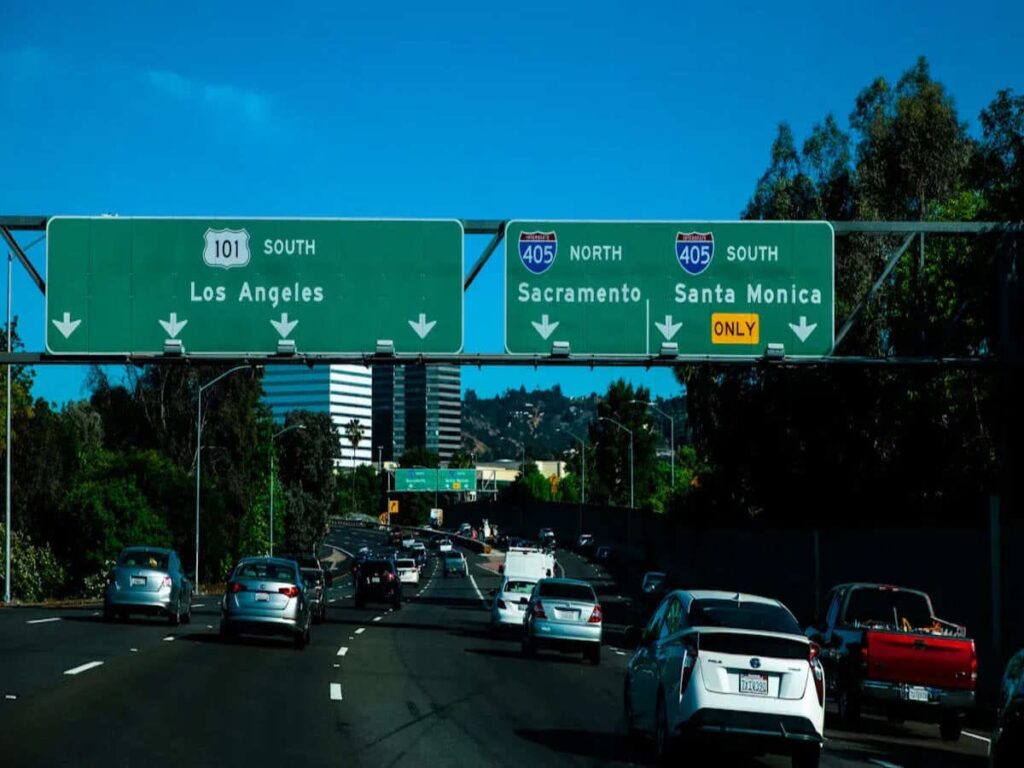
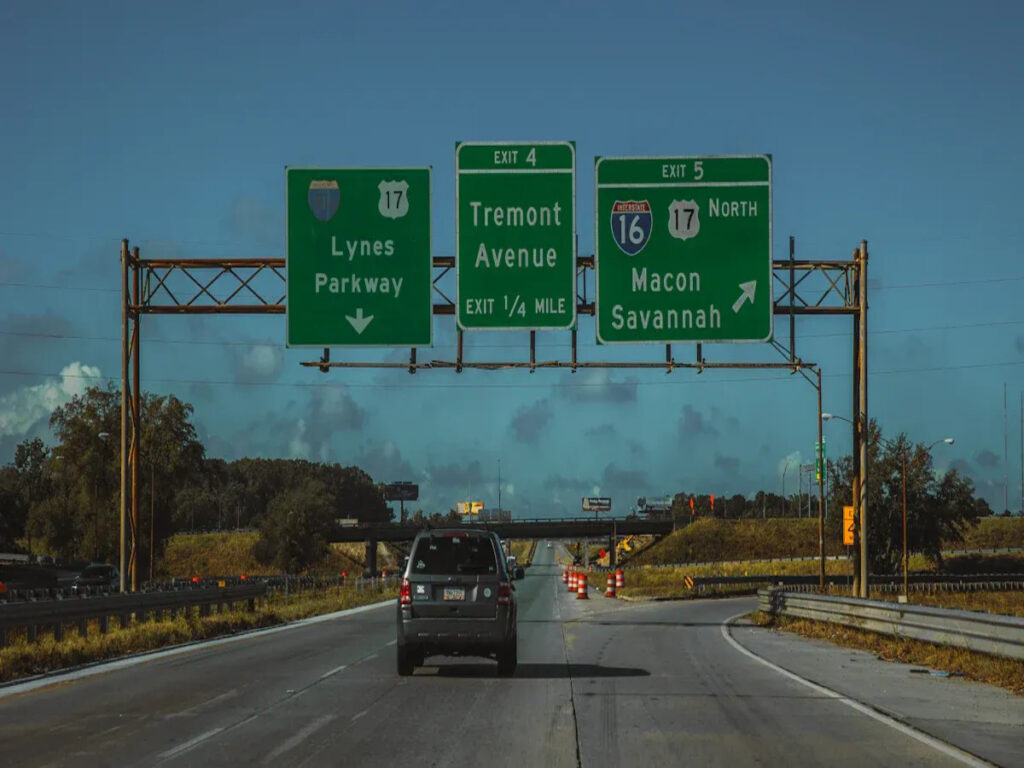
Generic signs handle basic traffic rules. Custom highway signs direct drivers through complex interchanges and specific routes. They maintain federal compliance while offering specialized location information.
Par exemple, state highway markers require distinct shapes and colors depending on the jurisdiction. A reliable manufacturer ensures these markers meet local regulations perfectly. Engineers utilize these custom units to maintain safe, high-speed traffic flow.
2. What Are Highway Signs Made Of?
Procurement officers frequently ask, “What are highway signs made of?” Manufacturers prioritize extreme durability. They start production with a high-grade aluminum blank highway sign. This specific aluminum resists rust and handles severe weather effectively.
Matériaux de feuilles réfléchissantes
The aluminum substrate receives a specialized reflective sheeting layer. Prismatique de haute intensité (HANCHE) et grade de diamant (Type XI) represent the industry standard. These micro-prismatic materials bounce light directly back to drivers. This technology ensures maximum visibility during nighttime driving or heavy storms.
To choose the right level of brightness for your project, voir notre guide sur reflective sheeting materials.
3. Choosing a Qualified Highway Sign Maker
Not every fabrication shop qualifies as a professional highway sign maker. Infrastructure projects demand certified facilities. These facilities utilize specialized UV-cured inks and precise application methods.
A competent maker guarantees DOT (Ministère des Transports) conformité. They strictly follow the Manual on Uniform Traffic Control Devices (Mutcd). This rigorous adherence ensures correct fonts, espacement, and optimal retroreflectivity. Failure to follow these rules creates legal liabilities.
4. Highway Sign Cost: Budgeting for Infrastructure
Project managers must evaluate the highway sign cost carefully before approving bulk orders. Buyers frequently ask, “How much does a highway sign cost exactement?” The final price depends heavily on panel dimensions, structural mounting, and hidden procurement fees.
Common Highway Sign Panel Pricing
Manufacturers price these units based on size and reflective grade. The following estimates reflect standard US industry pricing to help procurement officers build accurate budgets.
| Catégorie de signe & Matériel | Estimated Cost Range |
| Small/Medium Sign Panels | $50 - $150 par signe |
| Large Sign Panels | $150 - $500+ par signe |
| Interstate Route Shield (24-pouce) | ~$85 per sign |
| Flat Sheet Signage Material | $25 - $35 par pied carré |
| Custom Sign Fabrication | $10 - $300 par pied carré |
Installation and Structural Costs
The aluminum blank highway sign represents only a fraction of the total budget. Engineers must factor in the physical hardware to mount the signage safely. Professional installation usually adds $100 à $200 per standard sign.
Large-scale infrastructure demands massive support frames:
- Messages du canal U: $100 - $150
- Square Tube Posts: $13 - $20 par pied
- Large Breakaway Posts: $40 - $50 par pied
- Sign Foundations: $150 - $250 (petit) à $10,000 - $12,000 (large overhead)
- Cantilevered Sign Structures: $50,000 - $60,000
- Sign Bridge Structures: $80,000 - $100,000
Hidden Procurement Fees: Logistics and Compliance
Procurement teams often overlook bulk shipping logistics. Transporting large overhead signs requires specialized flatbed freight. Manufacturers must build custom wooden crates to protect the reflective sheeting during transit. This specialized crating adds significant freight fees to the final budget.
En outre, project managers must account for compliance testing fees. Federal and state projects require certified retroreflectivity reports. Independent laboratories test the materials for UV resistance and salt spray durability. Procurement officers pay for this rigorous documentation upfront to prevent costly legal liabilities later.
Key Factors Affecting the Final Price
Higher-grade reflective materials increase upfront manufacturing costs. Cependant, these materials ensure critical nighttime visibility. Larger signs require heavier-duty posts and deeper concrete foundations. Procurement officers must calculate the total cost of ownership accurately. Quality engineering lowers long-term maintenance budgets and improves overall road safety.
5. Étude de cas: Deploying a Custom Highway Sign in Extreme Climates
Engineers face severe challenges in extreme weather conditions. UN custom highway sign facing the traffic in northern Minnesota requires specialized engineering. Heavy snow and relentless ice destroy standard commercial signage quickly.
Protecting the Blank Highway Sign Substrate from Weather
Procurement officers must demand weather-resistant materials for bulk orders. High-quality aluminum substrates resist severe thermal expansion and contraction. Specialized protective overlays allow the sign surface to shed ice effectively.
These clear protective films also shield the reflective sheeting from harsh chemical road salts. Un professionnel highway sign maker guarantees these specialized materials last for a 15-year lifecycle. This engineering prevents premature delamination and protects the infrastructure budget.
6. Procurement Strategy: How to Evaluate a Highway Sign Maker
Procurement teams must evaluate vendors far beyond the initial bid price. Large infrastructure projects require a certified, experienced highway sign maker. Generic commercial print shops simply cannot meet rigorous federal safety regulations.
Certifications for State Highway Markers and Custom Orders
Buyers must request independent UV resistance testing data before signing contracts. Un performant custom highway sign must maintain at least 70% retroreflectivity after ten years.
Inspectors must verify that the manufacturer utilizes alodized aluminum and UV-cured inks. You are buying a highly regulated safety device. Buying cheap, non-compliant state highway markers creates massive permanent liabilities for road authorities.
7. Tendances futures: Machine-Readable Custom Highway Signs
Physical infrastructure must adapt rapidly to Level 2+ autonomous driving technologies. Vehicles now rely heavily on machine-readable traffic control devices. This massive technological shift dictates how engineers design every custom highway sign aujourd'hui.
Designing Highway Signs for ADAS Compatibility
Modern vehicle camera systems require high-contrast, perfectly reflective surfaces. Inconsistent colors or faded materials cause dangerous AI processing errors.
Future-proof infrastructure demands premium fluorescent coatings and precision legend printing. Highway engineers must specify advanced micro-prismatic sheeting to ensure perfect compatibility with future autonomous fleets.
8. Conclusion: Securing Bulk Orders for Custom Highway Signs
De haute qualité panneaux d'autoroute ensure long-term safety and maximum traffic efficiency. Adhering to strict MUTCD engineering standards protects your massive infrastructure investment.
Sourcing components from an expert highway sign maker guarantees your bulk order meets all legal requirements. You must select premium materials to prevent premature fading and structural failures. Invest in professional-grade manufacturing today to secure the reliable, compliant equipment your large-scale project demands.