Introduction: Orientation positive avec des panneaux de détour pour la construction
Bloquer une route est simple. Il est difficile de guider la circulation en toute sécurité. Quand vous fermez complètement une route, vous perturbez tout le réseau local. Vous ne pouvez pas simplement placer une barrière et vous en aller. Vous devez fournir “Orientation positive.”
Cela signifie que chaque fermeture nécessite un ensemble spécifique de panneaux de détour de construction. Si vous ne parvenez pas à fournir un chemin clair, les conducteurs vont paniquer. Ils feront demi-tour illégaux ou traverseront une propriété privée pour sortir de l’impasse.
Maîtrisez les zones: Avant de planifier un détour spécifique, passer en revue les quatre domaines constitutifs de notre Configuration de la zone de travail 101 Guide.
Pour l'aménagement physique du point de fermeture, vous devez suivre une séquence stricte. Vous avez besoin d'avertissements préalables, un blocus physique, et une piste continue de balises d'itinéraire.
Avertissement préalable: La route fermée avant la séquence de panneaux
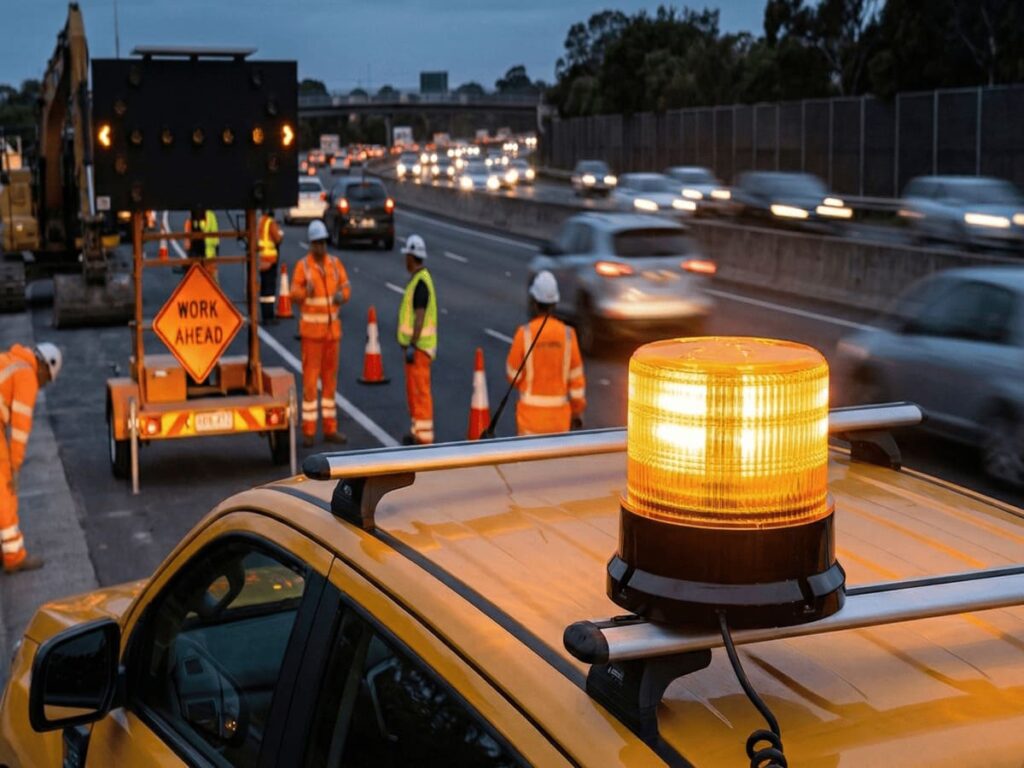
Vous ne pouvez pas surprendre un conducteur dans une impasse. Le “Zone d'avertissement à l'avance” est critique. Vous devez filtrer le trafic bien avant qu'il n'atteigne la barricade physique à l'aide du Panneau route fermée à venir (W20-3).
Espacement des panneaux de détour pour la construction (Urbain vs. Rural)
Ne devinez pas la distance. Utiliser la norme “UN, B, C” espacement défini par le tableau MUTCD 6C-1.
- Rues urbaines (Faible vitesse): Espacez votre panneaux de détour de construction 100 à pied.
- Signe A: Route fermée (300 pieds de la fermeture).
- Signe B: Détourner (200 pieds de la fermeture).
- Signe C: Fin du détour / Instruction spécifique (100 ft).
- Routes rurales/à grande vitesse: Augmenter l'espacement pour 500 pieds par signe.
- Vous avez besoin d'un plein 1,500-pied zone d'avertissement.
- Chauffeurs à 55 mph a besoin de cette distance pour décélérer en toute sécurité.
Placement du panneau de détour (W20-2)
À mi-chemin de la zone d’avertissement, tu dois planter le Panneau de détour (W20-2).
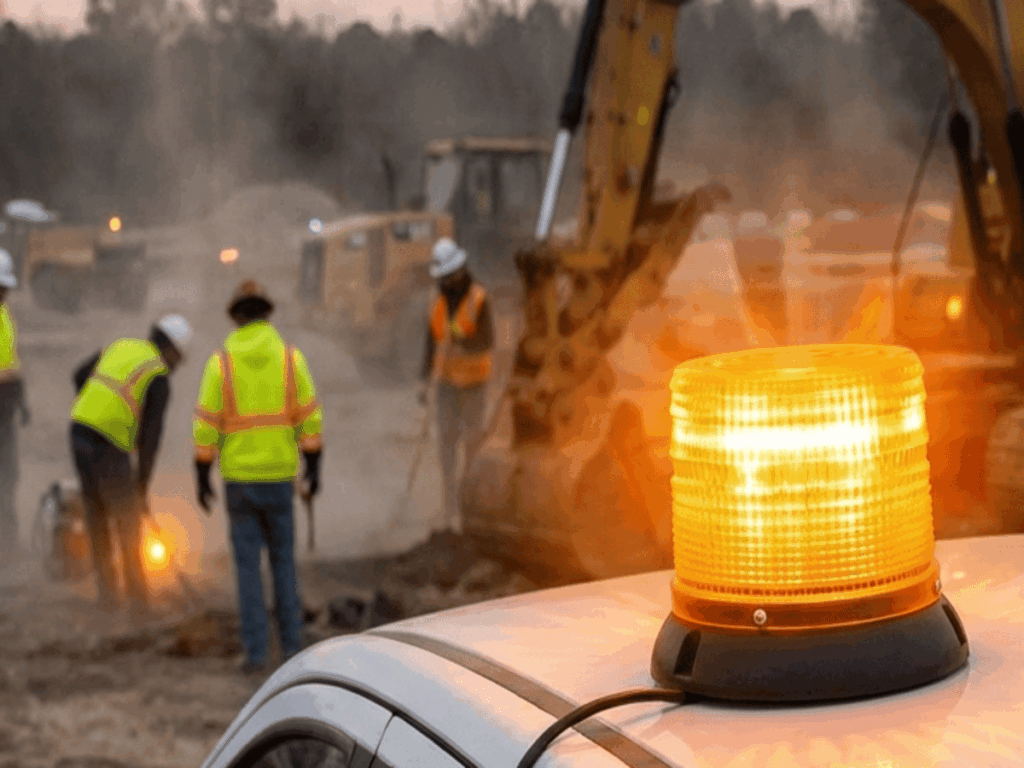
- Renforcement visuel: Associez ce panneau à un Feu clignotant haute intensité de type B. Cela attire l'attention dans des conditions de faible visibilité.
- Contexte de gestion: Placer des panneaux n'est que l'exécution. Le stratégie savoir où détourner le trafic est un autre défi.
Planifier l'itinéraire: Pour un guide plus large sur la gestion de la circulation et la réduction des embouteillages lors des détours, lisez notre Guide pour une gestion efficace des panneaux de détour.
Distinction critique: Route fermée avant signe vs. Panneau de route fermée
Les ingénieurs confondent souvent ces deux.
- L'avertissement (Orange): Panneau route fermée à venir (W20-3). Placez ceci seulement dans la zone de présignalisation. Il indique aux conducteurs que la route est actuellement ouvert mais fermera bientôt.
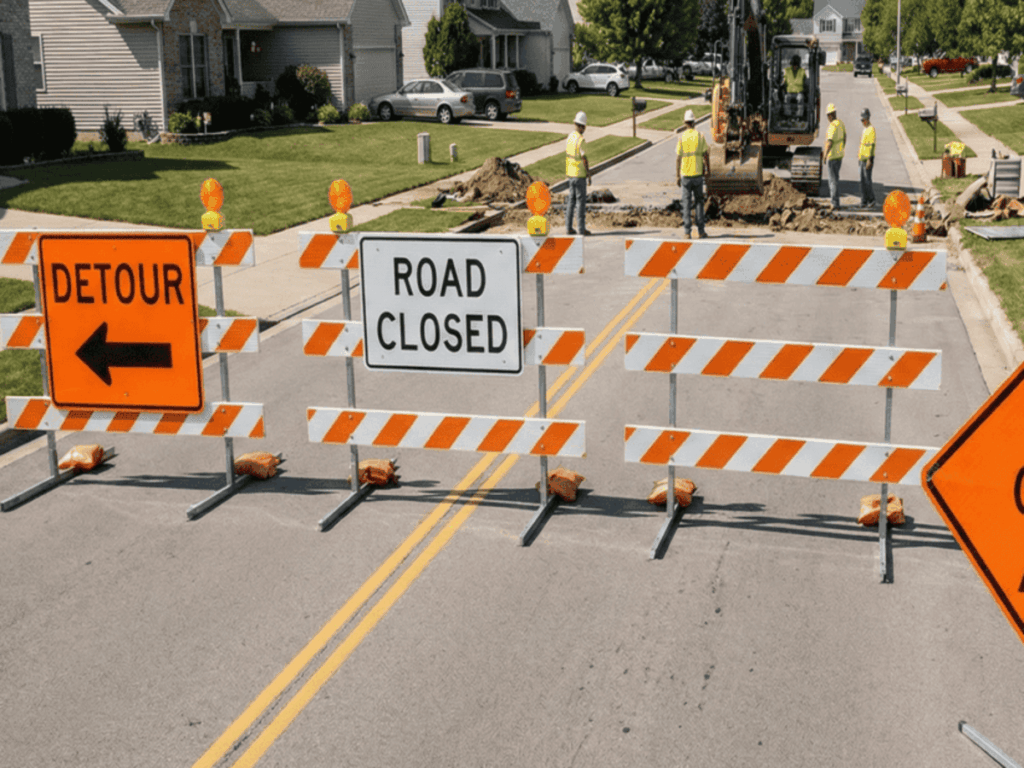
- La Réglementation (Blanc): Panneau de route fermée (R11-2). Placez ceci seulement à la barricade réelle. Ne placez jamais de panneau réglementaire blanc dans la zone d'avertissement. Cela oblige les conducteurs à s’arrêter sur la route.
La fermeture dure: Barricades de type III & Signes fermés de la route
Le “Zone d'avertissement à l'avance” prévient le conducteur. Le “Zone d'activité” les arrête physiquement. A l'endroit où la route est complètement coupée, vous devez construire un mur physique. Les cônes et les tambours ne suffisent pas ici; vous avez besoin de barricades de type III.
Pourquoi utiliser des barricades de type III?
Pour une fermeture totale de la route, Mutcd nécessite un appareil qui ressemble à une impasse.
- Conception: UN Barricade de type III dispose de trois rails réfléchissants horizontaux. C'est plus grand (5 pieds min) et plus large que tout autre canaliseur.
- Fonction: Ça crie visuellement “Arrêt.” Il crée une porte physique qui couvre toute la voie de circulation.
- Sélection: N'utilisez pas de barricades de type I ou II ici. Ils sont trop petits pour les fermetures de routes à grande vitesse.
Choisir la bonne barrière: Toutes les barricades ne sont pas conçues pour une utilisation sur autoroute. Pour comprendre les différences entre le type I, Ii, et III, lisez notre spécifique Guide des barricades de circulation pour les fermetures de routes.
Montage du panneau Route fermée (R11-2)
Votre panneau réglementaire appartient sur la barricade, pas avant.
- Le signe: Montez le blanc Panneau de route fermée (R11-2) directement au centre de la barricade de type III.
- La loi: Ce panneau blanc rend légalement exécutoire pour la police les contraventions aux conducteurs qui contournent la barrière..
- Visibilité: Assurez-vous que le panneau est monté suffisamment haut (au moins 1 pied du haut de la barricade) donc il reflète instantanément les phares.
La route du détour: Continuité & Panneaux de la série M4
Bloquer la route ne représente que la moitié du travail. Vous devez guider le trafic détourné tout au long de l'itinéraire alternatif jusqu'à ce qu'il revienne à son chemin d'origine..
Un seul disparu panneau de détour provoque une panne dans “Continuité du parcours.” Si un conducteur manque un virage, ils se perdent dans un quartier inconnu. Cela donne lieu à des plaintes, congestion, et accidents. Vous devez utiliser la séquence complète de la série M4.
1. Le tour: Avance & Assemblages d'intersections (M4-9)
Vous ne pouvez pas placer une seule flèche dans le coin. Les configurations professionnelles utilisent un “Un-deux coup de poing.”
- Virage avancé: Placez un Panneau de détour à venir avec une flèche tournante (M4-9) 200 pieds avant le carrefour. Cela permet au conducteur de changer de voie en toute sécurité.
- Flèche directionnelle: Placez le réel Panneau de détour (M4-9) à l'intersection elle-même.
- Hauteur de montage (MUTCD 6F.03): Dans les zones urbaines avec des voitures garées ou des piétons, montez ces panneaux 7 pieds haut. Dans les zones rurales, 5 pieds est suffisant.
2. La réassurance: Confirmation du chemin (M4-10)
Après qu’un conducteur ait effectué un virage stressant dans une nouvelle rue, ils paniquent. “Suis-je toujours au détour?”
- La solution: Placez un Détour Réassurance Assemblée (M4-10) 500 pieds après chaque tournant majeur.
- Fréquence: Lors de longs détours, répétez ce signe tous les 1 mile (rural) ou tous les quelques blocs (urbain). Cela confirme au chauffeur qu'il est toujours sous votre direction..
3. La résiliation: Fin du détour (M4-8)
Vous devez officiellement libérer le pilote.
- Le signe: Placez un Panneau de fin de détour (M4-8a) au point où le trafic rejoint l'itinéraire d'origine.
- Pourquoi ça compte: Sans ceci, les conducteurs peuvent continuer à chercher les panneaux orange et rater leur sortie normale.
Échecs courants dans la configuration du détour
Même les équipages expérimentés commettent ces erreurs spécifiques. Évitez-les pour limiter votre responsabilité.
Échec 1: Le “Fantôme” Panneau de détour
Laisser un Panneau de détour de construction une fois le projet terminé est une violation majeure.
- Le risque: Les locaux apprennent à ignorer vos panneaux. Quand tu auras une vraie fermeture le mois prochain, ils traverseront votre barricade.
- Le correctif: Tourner, couverture, ou supprimez tous les panneaux de la série M4 immédiatement lorsque la route rouvrira.
Échec 2: Panneaux guides contradictoires
Avez-vous couvert les panneaux de signalisation verts existants?
- Le conflit: Si votre Panneau de détour points restants, mais le vert permanent “Vers l'autoroute 101” signer les points à droite, le conducteur va hésiter.
- Le correctif: Vous devez temporairement masquer tout panneau de guidage permanent qui contredit votre plan de détour.
Conclusion: Complétez la boucle avec les panneaux de détour pour les travaux de construction
Une fermeture de route n’est pas seulement une barrière; c'est la promesse d'une voie alternative. Vous devez remplir cette promesse avec une séquence parfaite de panneaux de détour de construction.
De la initiale Panneau route fermée à venir jusqu'au dernier marqueur de fin de détour, chaque composant doit fonctionner ensemble. Si vous manquez un maillon de la chaîne, comme un panneau rassurant M4-10, les conducteurs paniqueront et enfreindront le code de la route..
La conformité protège votre licence. Des conseils efficaces protègent votre communauté.
Équipez votre détour avec Optraffic
Ne mélangez pas les panneaux délavés de différentes locations. Optraffic fournit l'écosystème complet de panneaux de construction de route.
- Avertissement: Intensité élevée Panneaux de route fermée à venir.
- Conseils: Série M4 complète Signes de détour.
- Fermeture: MUTCD Barricades de type III pour le point de fermeture dure.
Contactez-nous aujourd'hui pour sécuriser votre commande groupée de matériel de gestion des détours.
FAQ: Configuration des panneaux de détour pour la construction
Cela dépend du signe spécifique. Le panneau Détour avant (W20-2) est un panneau d'avertissement en forme de losange placé dans la zone d'avertissement avancé. Cependant, la flèche de détour (M4-9) est techniquement un panneau de guidage temporaire (rectangulaire) utilisé pour diriger la circulation au virage réel. Vous avez besoin des deux pour une configuration conforme.
L'espacement dépend de la vitesse. Dans les zones urbaines (basse vitesse), placer des panneaux 100 pieds à l'écart pour tenir compte des intersections fréquentes. Sur les autoroutes rurales (grande vitesse), augmenter l'espacement pour 500 pieds par panneau pour donner aux conducteurs un temps de réaction adéquat.
La couleur et l'emplacement sont essentiels.
Route fermée (Orange): Ceci est un signe d'avertissement (W20-3). Placez-le avant la fermeture pour alerter les conducteurs.
ROUTE BARRÉE (Blanc): Ceci est un signe réglementaire (R11-2). Placez-le sur la barricade au point exact de fermeture pour interdire légalement l'entrée.
Pour une fermeture complète des routes sur la voie publique, un Barricade de type III est obligatoire. Les barricades de type I et II sont trop petites. Seulement un type III (avec 3 rails et largeur minimale de 5 pieds) fournit la densité visuelle requise par MUTCD pour bloquer physiquement une route.
Oui. Nous fabriquons toute la série M4, y compris le détour à venir (M4-9), Flèches directionnelles de détour, et fin du détour (M4-8) signes. Nous les imprimons sur des feuilles prismatiques à haute intensité pour garantir la visibilité lors des opérations de nuit..