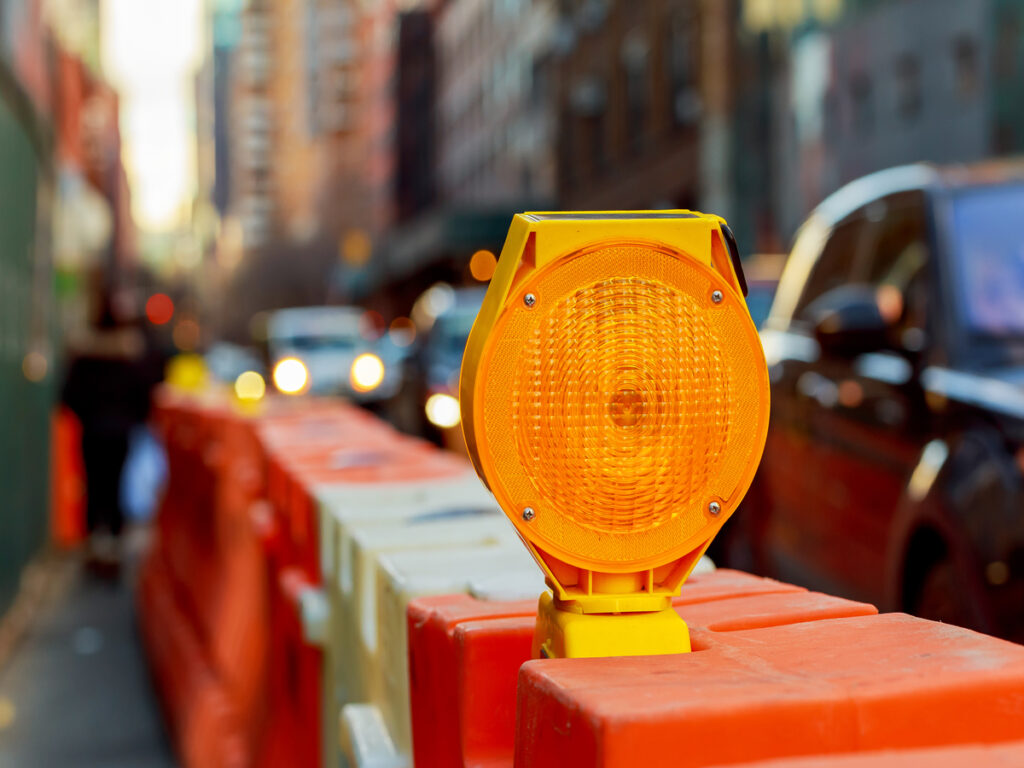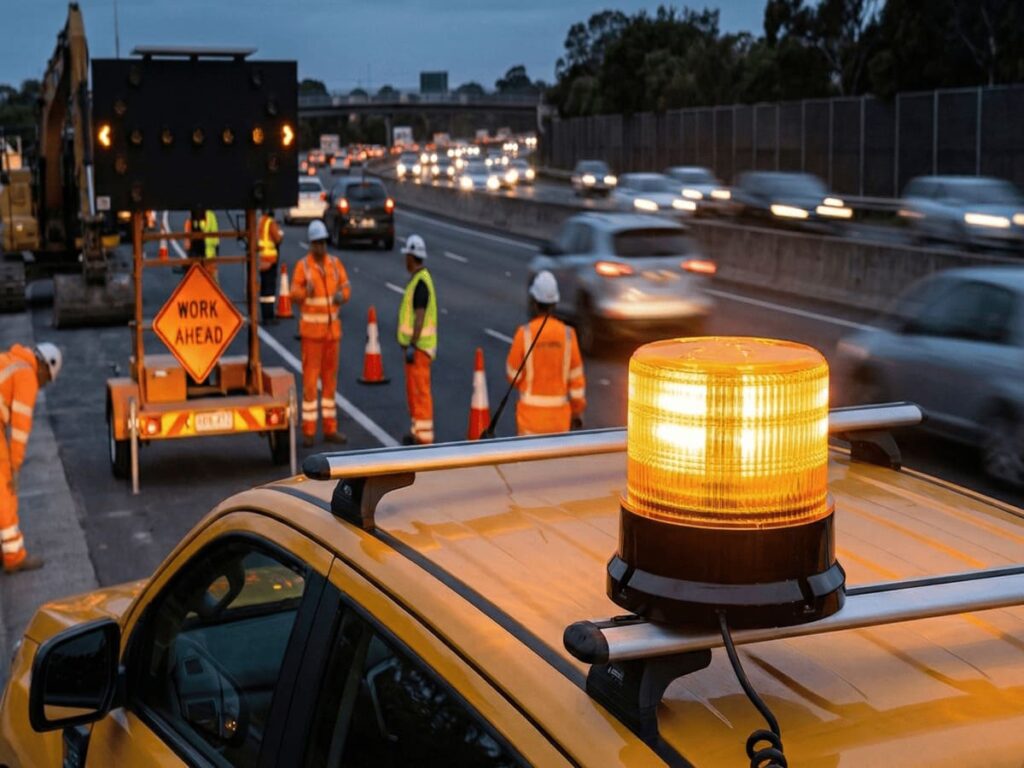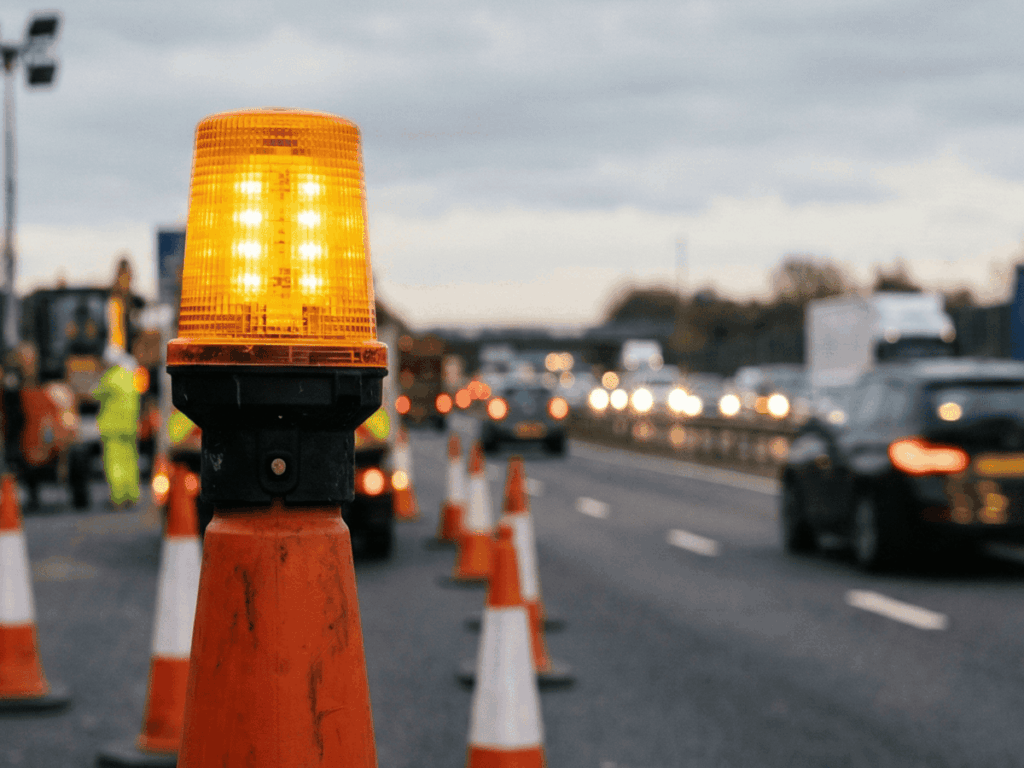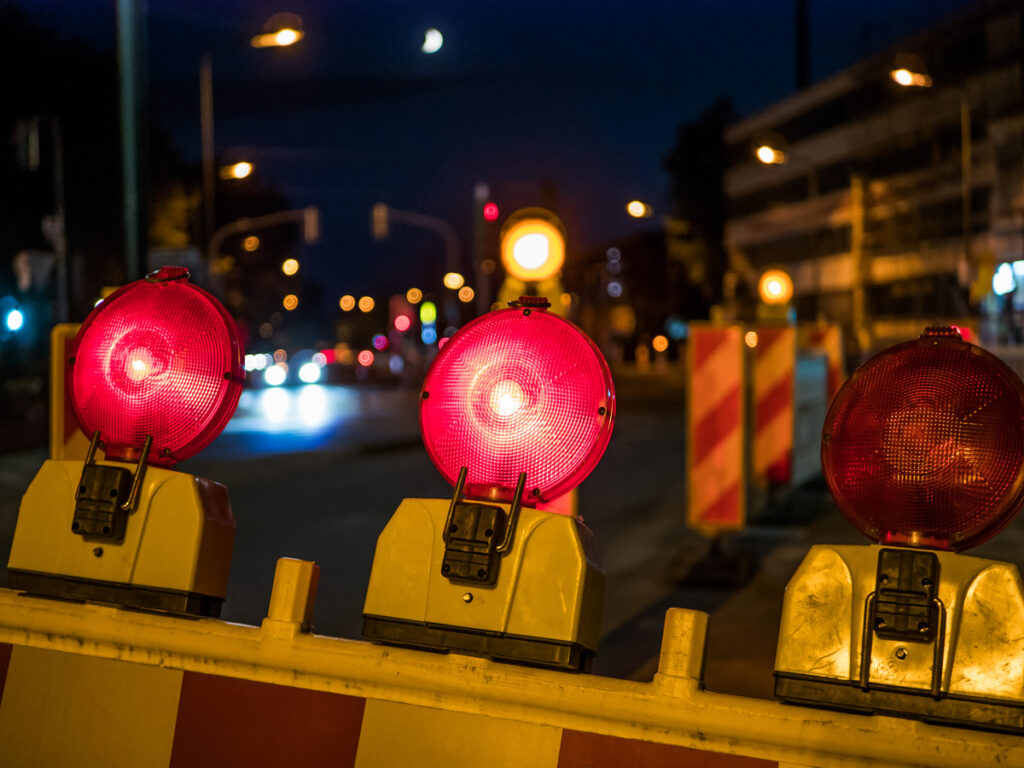
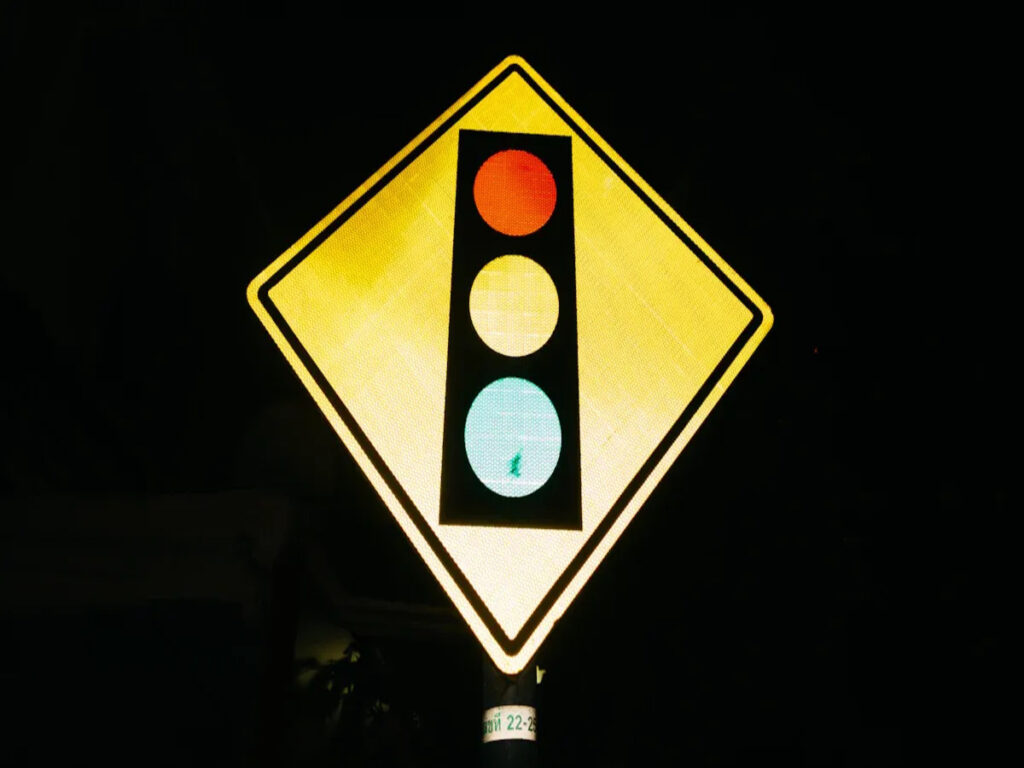
Reflektierende Verkehrsschilder play a crucial role in improving night-time visibility for drivers. The evolution of reflective materials has helped ensure that road signs are easily visible under low-light conditions. Jedoch, excessive brightness in some road signs can actually hinder drivers’ vision, making driving more dangerous rather than safer. This blog will explore the importance of managing road sign reflectivity, focusing on the challenges posed by overly bright signs and offering solutions to address this issue. Traffic management companies play a key role in balancing road safety and visibility by regulating and adjusting the reflectivity of road signs.
Bei OPTRAFFIC, we understand the significance of proper Straßenschild Reflexionsvermögen. As a leader in the traffic safety industry, we provide a range of reflective materials and solutions that help traffic management companies meet safety standards while minimizing the dangers posed by over-bright signs. By offering high-quality reflective products and custom solutions, we help optimize visibility and ensure that road signs serve their purpose without causing distraction or visual discomfort.
The Role of Retroreflective Road Signs in Night-Time Visibility
What is Retroreflection?
Retroreflective road signs use the principle of retroreflection to bounce light back toward the driver. When headlights hit these signs, the light is reflected back to the driver’s eyes. This mechanism significantly improves night-time visibility and helps ensure safety on the roads. Retroreflexion ist entscheidend, um sicherzustellen, dass Verkehrszeichen auch bei Dunkelheit sichtbar sind.
Der Zweck reflektierender Verkehrszeichen
Reflektierende Verkehrsschilder sind so konzipiert, dass sie vom Fahrer bei unterschiedlichen Lichtverhältnissen gut gesehen werden können, besonders nachts. Die Technologie hinter reflektierenden Materialien hat sich im Laufe der Zeit weiterentwickelt, von Glasperlen bis hin zur modernen mikroprismatischen Retroreflexionstechnologie. Diese Fortschritte haben die Wirksamkeit von Verkehrsschildern in Umgebungen mit schlechten Sichtverhältnissen erheblich verbessert.
Wenn das Reflexionsvermögen zum Problem wird: Die Gefahren übermäßig heller Verkehrsschilder
Helle Zeichen als Ablenkung
Reflektierende Verkehrsschilder sollen die Sichtbarkeit verbessern, besonders nachts. Jedoch, Übermäßige Helligkeit kann zu starker Blendung führen, die den Fahrer ablenkt, Ihre Fähigkeit, sich auf die Straße zu konzentrieren, wird beeinträchtigt. Recherche der Bundesstraßenverwaltung (Fhwa) hat festgestellt, dass übermäßig helle Schilder blenden, especially those made with modern retroreflective materials or flashing LEDs, significantly diminishes a driver’s ability to detect hazards and increases reaction times. This glare can divert attention from critical road features, such as pedestrians, Radfahrer, or other vehicles, die Wahrscheinlichkeit von Unfällen erhöht.
Zum Beispiel, a Texas A&M study showed that intense light from road signs scatters in the eye, reducing contrast and the distance at which drivers can see important objects, making it more difficult to react to sudden changes in the environment. The FHWA also notes that this issue is not limited to traditional reflective signs but extends to newer technologies like digital message boards and vehicle headlights as well.
The Problem of Visual Fatigue and Eye Strain
Wenn Sie übermäßig hellen Verkehrsschildern längere Zeit ausgesetzt sind, kann dies zu visueller Ermüdung führen, was zu Unwohlsein und verminderter Konzentration auf die Straße führt. Autofahrer, die starker Blendung ausgesetzt sind, haben oft Schwierigkeiten, ihre Sicht beim Übergang von hellen in dunklere Bereiche anzupassen, wie von der American Academy of Ophthalmology hervorgehoben. Diese Belastung kann die Reaktionszeit verlangsamen und die Entscheidungsfindung beeinträchtigen, Dies ist besonders gefährlich bei Nachtbedingungen, wenn schnelle Reaktionen unerlässlich sind.
Das Institut für öffentliche Bautechnik Australasien (IPWEA) betont, dass ältere Autofahrer besonders anfällig für Blendung sind. Altersbedingte Veränderungen des Sehvermögens, wie zum Beispiel eine verminderte Kontrastempfindlichkeit, bedeutet, dass ältere Erwachsene mehr Licht benötigen, um klar sehen zu können. Jedoch, Dies bedeutet nicht, dass sie vor den Auswirkungen übermäßiger Helligkeit gefeit sind. Tatsächlich, Übermäßige Helligkeit kann bei älteren Fahrern Unbehagen und Sehbehinderungen hervorrufen. Die hohe Intensität von Verkehrszeichen kann deren verminderte Kontrastempfindlichkeit überfordern. Dadurch wird es für sie schwieriger, Straßenmerkmale zu erkennen und auf Gefahren zu reagieren. Für diese Fahrer, Helle Schilder können eher zu einem Sicherheitsrisiko als zu einer Hilfe werden.
In den Vereinigten Staaten, Die alternde Bevölkerung der Autofahrer unterstreicht zusätzlich, wie wichtig es ist, gegen übermäßige Helligkeit von Verkehrsschildern vorzugehen. Nach Angaben des National Institute on Aging (NIA), mehr als 40 Millionen Erwachsene im Alter 65 und älter besitzen einen gültigen Führerschein. Es wird erwartet, dass diese Zahl in den kommenden Jahrzehnten erheblich zunehmen wird. Ältere Fahrer, insbesondere solche mit altersbedingten Sehstörungen, sind empfindlicher gegenüber Blendung. Außerdem benötigen sie mehr Zeit, um sich an Änderungen der Lichtintensität anzupassen.
Schlechte Sicht auf die Straße aufgrund von Blendung
Übermäßige Reflexionen von Verkehrsschildern erzeugen starke Blendung, Die Fähigkeit des Fahrers, kritische Straßenmerkmale wie Fahrbahnmarkierungen zu erkennen, wird verringert, Fußgänger, und Gegenverkehr. Besonders problematisch ist dies in städtischen Gebieten, wo Straßenbeleuchtung, kombiniert mit hellen Verkehrsschildern, schafft eine verwirrende visuelle Umgebung. Sowohl die FHWA als auch das ITE weisen darauf hin, dass diese Blendung durch LED-verstärkte Verkehrsschilder und digitale Informationstafeln verstärkt werden kann, die im Vergleich zu herkömmlichen reflektierenden Schildern ein intensiveres Licht abgeben.
Internetnutzer haben sich darüber beschwert, dass Autofahrer Fußgänger oder Radfahrer auf Zebrastreifen aufgrund der Blendung durch zu helle Schilder nicht sehen können. Dieses Problem verstärkt sich nachts oder bei Bedingungen mit reduziertem Umgebungslicht, Dies erschwert es den Fahrern, sich sicher auf stark befahrenen Straßen zurechtzufinden.
Helligkeit reduzieren: Die richtige Balance für Sicherheit finden
Warum eine Verringerung des Reflexionsvermögens notwendig ist
Reflektierende Verkehrsschilder sind für die Verbesserung der Sicht unerlässlich, Besonders nachts. Jedoch, wenn die Zeichen zu hell sind, Sie können die Sicht des Fahrers beeinträchtigen und zu Problemen bei der Verkehrssicherheit beitragen. Zu helle Schilder können zu Blendung führen, Autofahrer ablenken, und verringern ihre Fähigkeit, Gefahren zu erkennen. Daher ist die Anpassung der Helligkeit von Verkehrsschildern von entscheidender Bedeutung. Ein ordnungsgemäß gesteuertes Reflexionsvermögen stellt sicher, dass die Schilder eine optimale Sichtbarkeit bieten, ohne dass es zu Ablenkungen oder visuellen Unannehmlichkeiten für die Fahrer kommt. Dieses Gleichgewicht ist für die Aufrechterhaltung der Sicherheit im Straßenverkehr von entscheidender Bedeutung.
Empfohlene Lösungen zur Kontrolle des Reflexionsgrads
Verkehrsmanagementunternehmen sollten das Reflexionsvermögen der Materialien sorgfältig auf der Grundlage der spezifischen Straßenumgebung und -bedingungen auswählen. Hochwertige reflektierende Materialien sind möglicherweise nicht immer die beste Wahl, da übermäßige Helligkeit zu Blendung führen und das Fahren beeinträchtigen kann. Zum Beispiel, ASTM Typ III- oder IV-Folie (oder ähnlich minderwertige Materialien) eignet sich besser für weiße und nicht fluoreszierende gelbe Schilder auf Straßen mit geringem Verkehrsaufkommen, da es dazu beiträgt, die Helligkeit zu begrenzen und gleichzeitig die Sichtbarkeit aufrechtzuerhalten. Im Gegensatz, Schilder auf Autobahnen erfordern ein höheres Reflexionsvermögen für eine bessere Sichtbarkeit bei Dunkelheit.
Zusätzlich, um die Verkehrssicherheit zu verbessern und visuelle Unordnung zu reduzieren, Verkehrsmanagementunternehmen sollten unnötige Schilder vermeiden. Weniger, Gut platzierte Schilder tragen dazu bei, Blendungen zu minimieren und zu verhindern, dass Autofahrer für die Beschilderung desensibilisiert werden, Stellen Sie sicher, dass jedes Zeichen wirksam bleibt, ohne Ablenkungen zu verursachen.
Verkehrsmanagementunternehmen sollten sich beim Kauf von Schildern an die Hersteller von Verkehrsschildern wenden, da die Wahl des reflektierenden Materials auf den spezifischen Anforderungen der jeweiligen Straßenumgebung basieren sollte. Durch die Zusammenarbeit mit Schilderherstellern, die das Gleichgewicht zwischen Sichtbarkeit und Blendung verstehen, Die Verkehrssicherheit kann optimiert werden, ohne den Fahrerkomfort oder die Verkehrssicherheit zu beeinträchtigen. Wenn Sie mehr über die Auswahl der besten reflektierenden Materialien für Verkehrsschilder erfahren möchten, Fühlen Sie sich frei, in unserem Blog zu durchsuchen, So wählen Sie die besten reflektierenden Materialien für Verkehrszeichen aus.
Technologische Lösungen: Innovation in den Materialien und im Design von Verkehrsschildern
Neue Innovationen bei reflektierenden Materialien
Jüngste Innovationen bei reflektierenden Materialien haben zur Entwicklung von Filmen geführt, die Licht mit geringerer Intensität reflektieren, Reduzierung der Blendung bei gleichzeitiger Beibehaltung einer hohen Sichtbarkeit. Außerdem werden intelligente reflektierende Materialien eingeführt. Diese Materialien passen ihr Reflexionsvermögen automatisch an die umgebenden Lichtverhältnisse an, Trägt dazu bei, eine optimale Sicht für die Fahrer aufrechtzuerhalten.
Intelligente und adaptive Verkehrszeichen
Intelligente Verkehrsschilder sind eine aufstrebende Technologie für die Verkehrssicherheit. These signs can automatically adjust their brightness in response to external factors such as ambient light and vehicle speed. Using sensors and LED technology, dynamic road signs can change their reflectivity in real-time, providing a safer and more comfortable driving experience at night.
The Regulatory and Safety Considerations
Current Regulations for Road Sign Reflectivity
The United States Manual on Uniform Traffic Control Devices (MUTCD) sets standards for the reflectivity of road signs. These regulations ensure that road signs provide sufficient visibility while minimizing risks caused by excessive brightness. Traffic management companies must follow these guidelines when selecting and maintaining road signs.
How New Standards Can Address Over-Reflectivity
To better address the issue of overly bright signs, Es könnten neue Standards eingeführt werden, um die Helligkeit von Verkehrszeichen je nach Straßentyp und Verkehrsbedingungen zu regulieren. Verkehrsmanagementunternehmen sollten die Helligkeit reflektierender Materialien an diese Standards anpassen, um ein Gleichgewicht zwischen Sicherheit und Komfort zu wahren.
Abschluss: Eine Balance zwischen Sicherheit und Komfort finden
Übermäßig hell Reflektierende Verkehrsschilder kann erhebliche Risiken für Autofahrer mit sich bringen, einschließlich Ablenkungen, visuelle Müdigkeit, und eingeschränktes Urteilsvermögen. Die Verringerung der Helligkeit dieser Schilder ist unerlässlich, um die Verkehrssicherheit zu verbessern, ohne die Sichtbarkeit zu beeinträchtigen. Verkehrsmanagementunternehmen spielen eine entscheidende Rolle dabei, sicherzustellen, dass das Reflexionsvermögen von Verkehrszeichen ordnungsgemäß reguliert wird. Durch die Einführung neuer Technologien und die Einhaltung aktualisierter Standards, Wir können sicherere und komfortablere Fahrumgebungen schaffen. Die Zukunft der Verkehrszeichentechnologie wird sich darauf konzentrieren, den Fahrern ein Gleichgewicht zwischen optimaler Sichtbarkeit und reduzierter Blendung zu bieten, Dies erhöht letztendlich die Verkehrssicherheit bei Nacht.