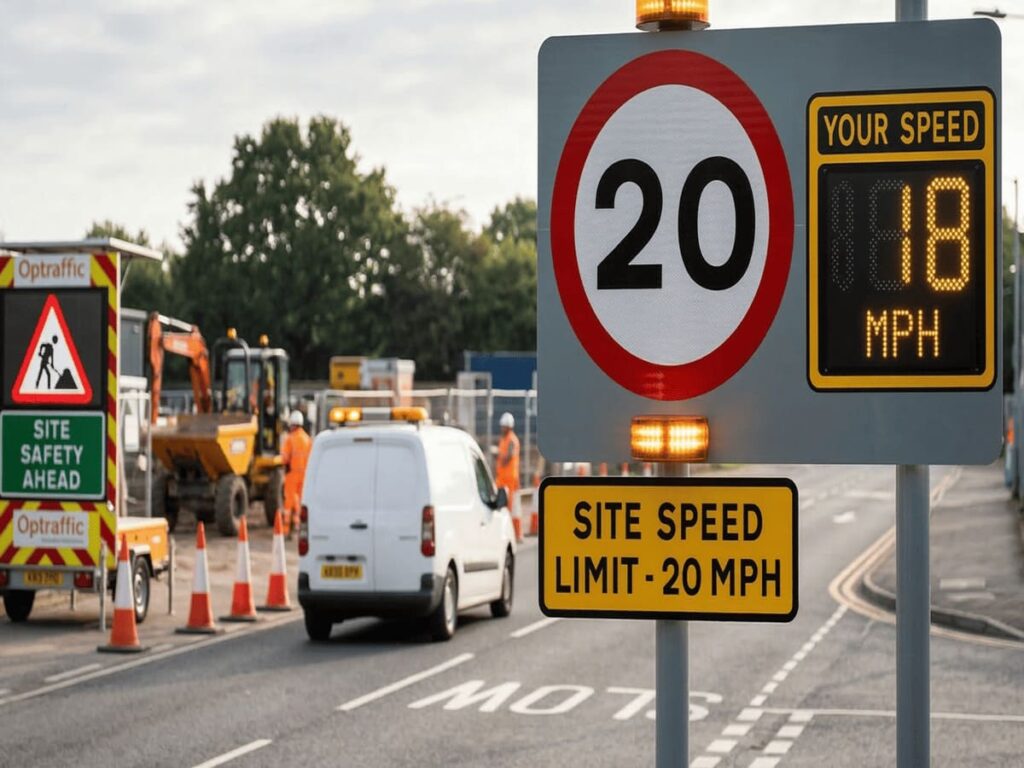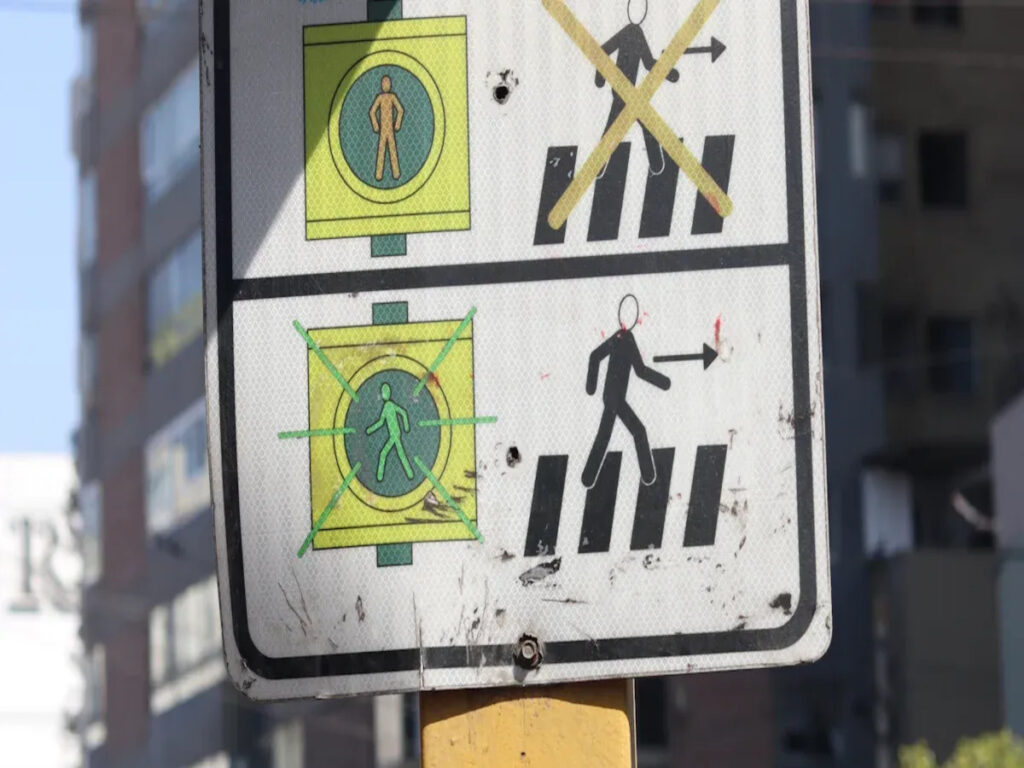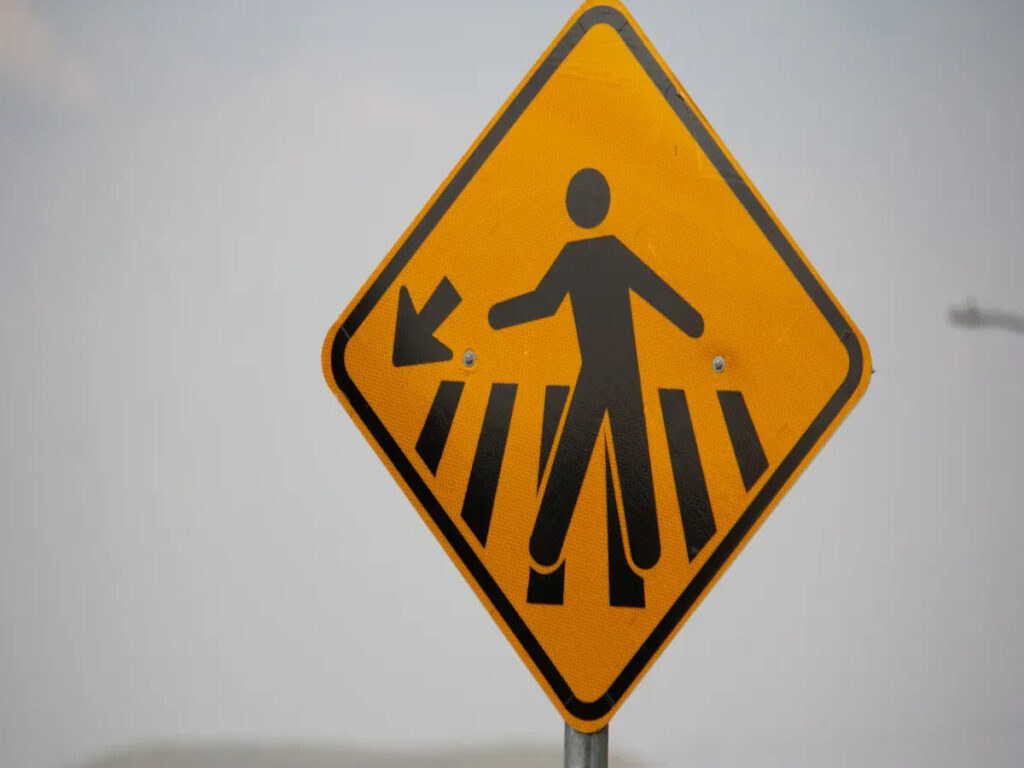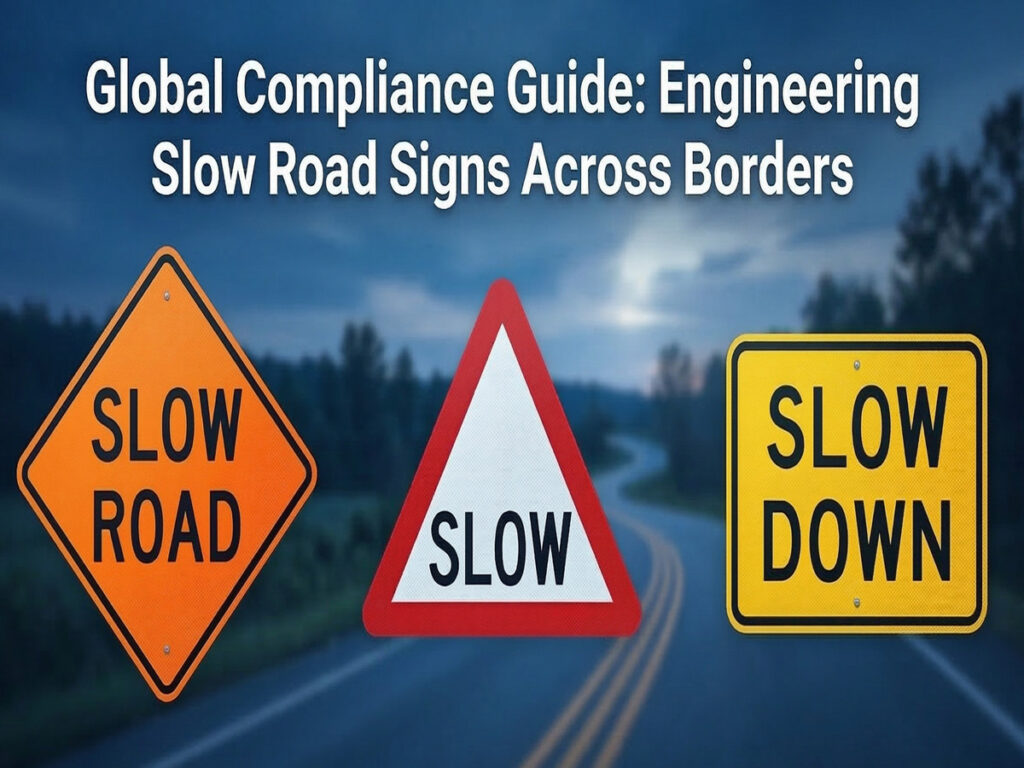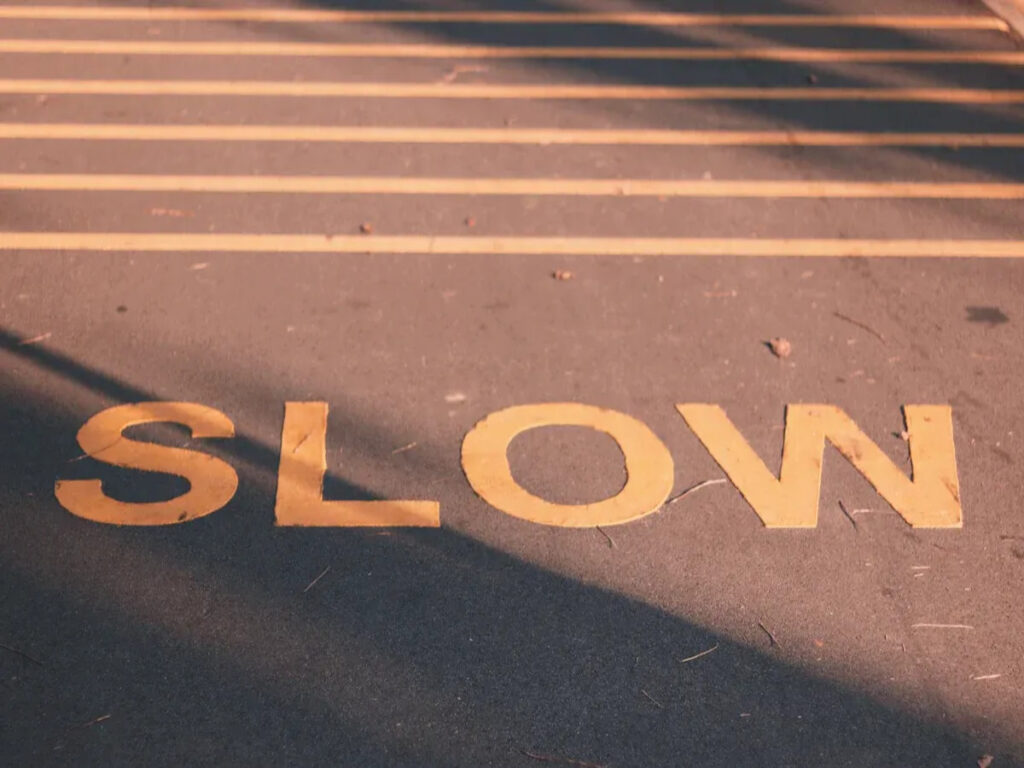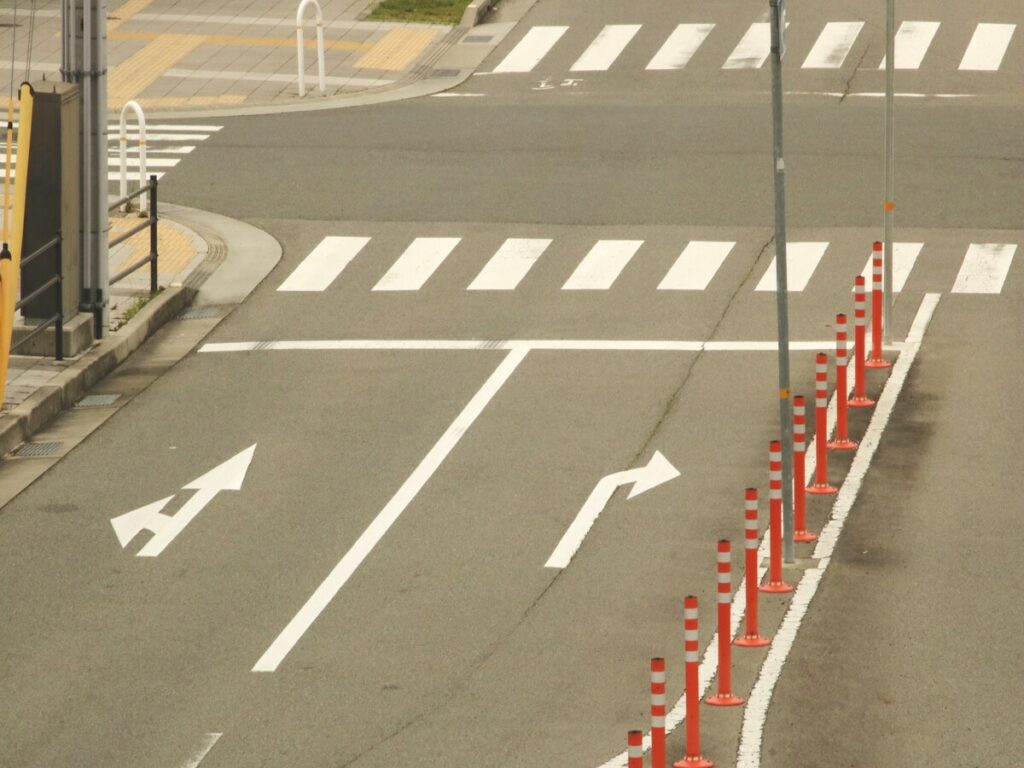
Das Navigieren kniffliger Straßen kann schwierig sein, Wie bei scharfen Kurven oder Bauzonen. Fahrer benötigen klare Schilder, um sichere Entscheidungen zu treffen. Vertikale Größen und Straßenleitungen helfen den Fahrern, besser zu sehen und auf dem richtigen Weg zu bleiben. Zum Beispiel, Verwenden von Mittellinien, Kantenlinien, und vertikale Größen zusammen senken die Verletzungsunfälle durch 45%. Hell, Reflektierende Straßenmarkierungen helfen auch den Fahrern, Besonders ältere, fühle mich sicherer. Jede Methode hat ihre eigenen Vorteile, Die Verwendung beider jedoch häufig funktioniert am besten, um die Straßen sicherer zu halten und Unfälle zu verhindern.
Optraffic ist spezialisiert high-quality Traffic Delineators. Our products are engineered to work seamlessly with existing road markings, providing maximum protection in challenging conditions. By focusing on innovation and durability, OPTRAFFIC ensures that every journey is safer and more reliable, contributing to a smoother traffic flow and fewer accidents.
Key Takeaways
- Vertical posts make roads easier to see and keep drivers safe.
- Lackierte Linien, like lane markers, help organize traffic and avoid mix-ups.
- Combining posts and painted lines makes accidents happen less often.
- Shiny materials on signs and lines help at night or in rain.
- Clear signs and lines guide drivers to make safer decisions.
Understanding Vertical Delineators and Horizontal Markings
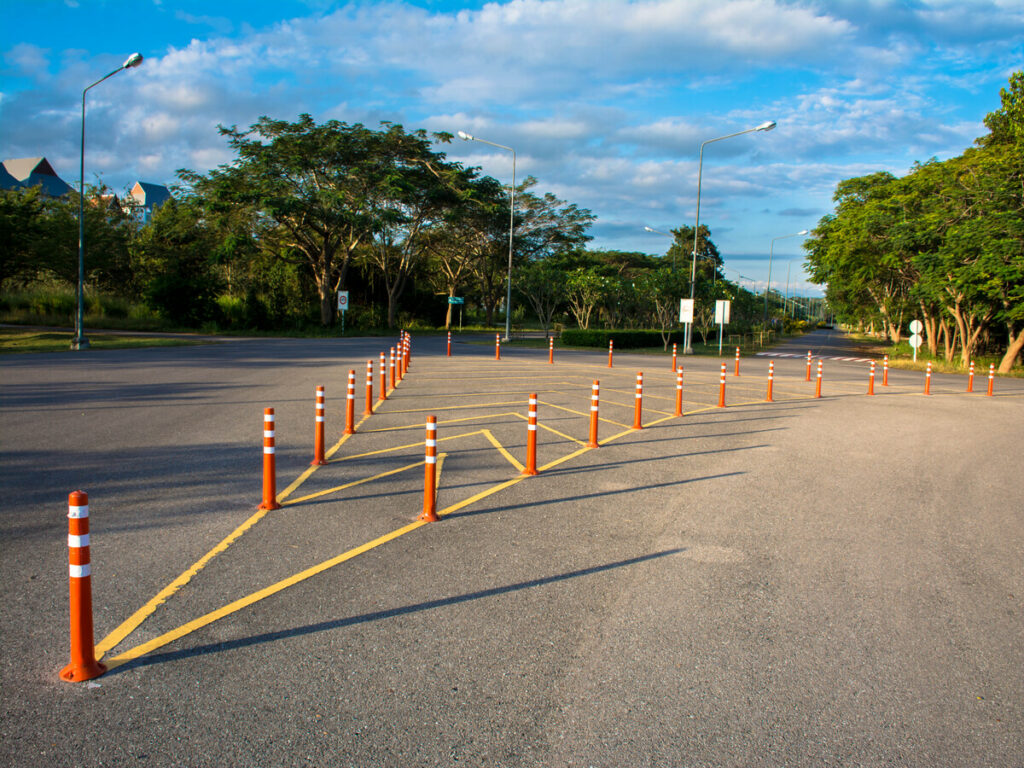
Vertikale Größen
Definition und Zweck
Vertical delineators are tall signs or posts placed by roads. They help drivers see road edges and stay safe. These signs often have reflective surfaces, making them easy to spot at night or in bad weather. Their main job is to improve visibility and guide drivers, vor allem in scharfen Kurven, an Kreuzungen, oder in der Nähe von Baustellen.
Reflective T-post delineators are easiest for drivers to notice. They help all drivers, including older ones, see better.
Gemeinsame Anwendungen
Vertical delineators are used where extra safety is needed. Zum Beispiel:
- Scharfe Kurven: They help drivers see and handle turns better.
- Bauzonen: They warn about changes in the road layout.
- Schnittpunkte: They reduce confusion and guide traffic smoothly.
- Mountain Roads: They make winding roads safer, Besonders nachts.
Horizontale Markierungen
Definition und Zweck
Horizontal markings are lines or symbols painted on roads. They give drivers clear instructions to follow traffic rules and stay in their lanes. These markings use reflective materials to stay visible under car headlights, which is helpful at night.
Road markings and signs are very important on curves. Sie helfen Autofahrern, vor allem, wenn die Sicht schlecht ist.
Gemeinsame Anwendungen
Horizontal markings keep traffic organized and safe. Einige Beispiele sind:
- Lane Divisions: Lines separate lanes and guide cars.
- Stopping Lines: They show where to stop at crossings or lights.
- Speed Reduction Markings: These slow cars down before curves.
- Bauzonen: Temporary lines guide traffic during roadwork.
Keeping edge striping contrast high on curves helps older drivers.
Challenges in Complex Road Conditions
Characteristics of Complex Road Conditions
Beispiele: Scharfe Kurven, Schnittpunkte, Bauzonen
Tricky roads include sharp turns, geschäftige Kreuzungen, und Bauzonen. Each type has its own challenges for drivers. Sharp turns need quick reactions and careful steering. Intersections with many lanes or unclear signs can confuse drivers. This confusion raises the chance of crashes. Construction zones make things harder by changing road layouts. They also add temporary barriers or detours that drivers must navigate.
Eine Studie von Pang und Yu (1981) found 34 von 44 crashes happened in transition zones, showing how risky construction areas can be.
Häufige Probleme: Lane Changes, Schlechte Sicht, Verkehrsfluss
Drivers face many problems in these tricky areas. Changing lanes is dangerous when lines are unclear or traffic is heavy. Bad weather or poor lighting makes it hard to see hazards. Traffic often slows down in these spots, causing jams and frustration.
| Studie | Ergebnisse |
|---|---|
| NTSB (1992) | Fatal crashes increase during construction on two-lane roads. |
| Retting and Farmer (1998) | Special markings slowed cars, making sharp turns safer. |
Importance of Road Safety Measures
Unfälle verhindern
Safety measures are key to stopping accidents. Clear signs and lines help drivers stay safe, even on tough roads. Reflective posts make night driving easier, while road lines guide cars on sharp turns. Neue Technologie, wie 5G systems, also helps reduce crashes. These systems improve communication between cars and roads.
Der 4 Es of safety—Education, Durchsetzung, Maschinenbau, and Emergency medical services—are crucial for saving lives and reducing injuries.
Verbesserung des Fahrerbewusstseins
Good safety measures also keep drivers alert. Signs and lines give real-time updates about road conditions. This helps drivers make better choices. Many crashes happen because drivers are distracted or misunderstand rules. Better guidance reduces confusion and promotes safer driving.
Accurate safety data is important for fixing problem areas. Studies using simulators show how drivers react to different roads. This helps experts design safer streets.
The Role of Vertical Delineators in Complex Road Conditions
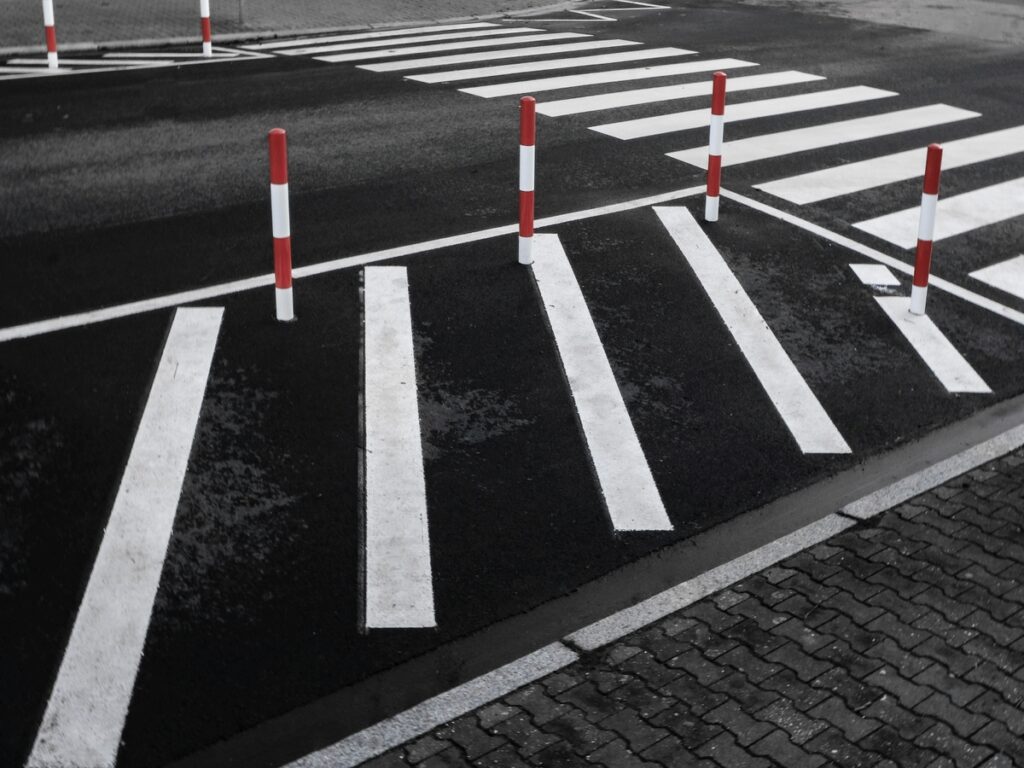
Helping Drivers See and Stay Safe
Placed in Important Spots
Vertical delineators are put in key road areas. These include sharp turns, geschäftige Kreuzungen, und Bauzonen. They help drivers stay safe in tricky spots. Zum Beispiel, side-mounted delineators work well in risky places. A study by Ullman and Dudek (1988) showed drivers liked these for their visibility and guidance.
Reflective Surfaces for Night and Bad Weather
Reflective materials make delineators useful at night or in storms. They shine when car headlights hit them, Straßenränder deutlich sichtbar machen. Safety reports prove their value in improving visibility. Zum Beispiel:
| Behandlung | Lane Straddling Rate | Lateral Distance Shift | Subjective Rating |
|---|---|---|---|
| Behandlung 1 | Niedrig | N / A | 80% good |
| Behandlung 4 | N / A | Shifted away from barrier | 80% good |
| Behandlung 5 | N / A | Shifted closer to barrier | 50% good |
These results show reflective delineators help drivers avoid barriers. Dies senkt die Wahrscheinlichkeit von Unfällen.
Making Roads Safer
Keeping Lanes Separate and Showing Rules
Vertical traffic delineators keep lanes apart and show traffic rules. They act as guides, helping drivers stay in their lanes. This is very helpful in crowded areas or where lanes change often. They also show no-parking zones or speed limits, helping drivers follow rules.
Useful at Intersections and Turns
Intersections and turns are often dangerous spots. Vertical delineators reduce confusion and guide drivers clearly. They also encourage better lane discipline for safety. Studies show closely spaced traffic delineators affect driver behavior. Some drivers feel nervous, but most adjust by staying farther from barriers. This makes delineators a key tool for safer roads in risky areas.
The Role of Horizontal Markings in Complex Road Conditions
Verkehrsfluss lenken
Keeping Lanes Organized
Horizontal markings help keep traffic neat and organized. Lane lines show where to drive, reducing confusion and making traffic smoother. These lines are very helpful in places with many lane changes, like highway ramps. They guide drivers to the right path, making it easier to navigate. Reflective materials make these lines visible at night, so drivers can follow them even in the dark.
Tipp: Look for lane lines when driving in new areas. They guide you and help avoid mistakes.
Temporary Changes in Construction Areas
Construction zones often change how roads are set up. Horizontal markings adjust to these changes by showing new directions. Temporary lines or symbols show detours, Spurwechsel, or slower speed zones. These markings help drivers move safely through construction areas without getting confused. Their flexibility makes them very useful for changing road conditions.
Unfälle verhindern
Avoiding Lane Drifting and Crashes
Clear horizontal markings help prevent cars from drifting out of lanes. They act as visual reminders to stay in your lane. Studies show bright road markings make driving easier, Besonders für ältere Fahrer. If road markings lose brightness, accidents on dark rural roads increase by 23%.
| Studie | Ergebnisse |
|---|---|
| Diamandouros & Gatscha (2016) | Bright road markings improve comfort, Besonders für ältere Fahrer. |
| Carlson et al. (2013) | Dimmer markings increase accidents on dark rural roads by 23%. |
Why Stopping Lines Matter
Stopping lines at crossings or intersections are very important for safety. They show where to stop so you don’t block crosswalks or enter intersections too early. These lines improve traffic flow and lower accident risks. They also protect pedestrians by marking a clear stopping point for cars.
Notiz: Always stop behind the line to keep pedestrians and other drivers safe.
Vertikale Ablagerungen vs. Horizontale Markierungen: Ein Vergleich
Benefits of Vertical Delineators
Better Visual Warnings
Vertical delineators give clear warnings in tricky road areas. Their reflective surfaces make them easy to see at night or in bad weather. Drivers can quickly spot road edges or dangers. Studies show vertical panels work as well as barricades. They also help drivers change lanes earlier, Verbesserung der Sicherheits- und Verkehrsfluss.
| Beweisbeschreibung | Ergebnisse |
|---|---|
| Vertical panels vs. Barrikaden | Vertical panels help early lane changes and are easy to see. |
Research shows reflective materials and bigger signs help older drivers. Reflektierende Pflastermarker (RPMs) increase how far drivers can see, allen helfen.
- Reflective posts help drivers see better at night.
- Größere Zeichen sind leichter zu erkennen, vor allem in Kurven.
Easy Traffic Guidance
Vertical delineators guide drivers through tough road layouts. Their tall design and smart placement make them simple to spot. This is helpful in busy intersections or construction zones. Drivers naturally follow these signs, Verwirrung verringern und Straßen sicherer machen.
Benefits of Horizontal Markings
Clear Lane Boundaries
Horizontal markings show lanes clearly and keep traffic organized. Sie helfen den Fahrern, in ihren Gassen zu bleiben, Verringerung des Absturzrisiken. These markings are cost-effective because they improve safety and traffic flow.
- Thicker lines are easier to see in rain.
- Raised markings reflect light better at night.
Some markings are brighter or raised for better visibility. These features make horizontal markings essential for keeping lanes clear.
Important for Multi-Lane Roads
Horizontal markings are key for managing multi-lane roads. They guide drivers during lane changes and keep cars aligned, especially in fast-moving traffic. Raised pavement markers improve visibility at night, trägt dazu bei, dass der Verkehr reibungslos verläuft.
Drawbacks of Each
Vertikale Größen: Cost and Upkeep
Vertical delineators need regular care to stay effective. Reflective surfaces can wear out, sie schwerer zu sehen machen. They are durable but cost more upfront and need inspections to work well.
| Markierungstyp | Wartungsbedürfnisse | Kostenauswirkungen |
|---|---|---|
| Vertikale Größen | Need regular checks and cleaning | Higher initial cost but last longer |
Horizontale Markierungen: Wetterherausforderungen
Horizontal markings can be hard to see in rain or fog. Paint-based markings fade over time, Besonders nachts. Thermoplastic markings last longer but must stay visible in all conditions to ensure safety.
| Markierungstyp | Sichtbarkeitsprobleme | Kostenauswirkungen |
|---|---|---|
| Paint-based | Fades over time, Besonders nachts | Cheaper upfront but costs more long-term |
| Thermoplastic | Needs to stay visible in all weather | Costs more upfront but lasts longer |
Combining Vertical Delineators and Horizontal Markings
How They Work Together
Schnittpunkte: Vertical Delineators Guide, Horizontal Markings Organize
Intersections can be tricky with many lanes and heavy traffic. Vertical delineators help drivers by showing road edges clearly. Their reflective surfaces make them easy to see at night or in bad weather. Horizontal markings work alongside them to keep lanes clear and organized. Zusammen, they make intersections safer and less confusing.
Studies show using both tools helps drivers see lanes better. Drivers can spot lane edges and navigate intersections more confidently. This teamwork improves visibility and lowers crash risks.
Bauzonen: Vertical Delineators Warn, Horizontal Markings Adjust
Construction zones often change how roads are set up, was die Fahrer verwirren kann. Vertical delineators warn drivers about hazards or detours ahead. Sie sind groß, reflective design makes them visible even in the dark. Horizontal markings adjust to new layouts, showing lane changes or speed limits.
Using both tools together improves safety in these areas. Vertical delineators give quick warnings, while horizontal markings guide drivers through changes. This combination helps drivers move safely and avoid mistakes.
| Evidenztyp | Beschreibung |
|---|---|
| Visibility Help | Vertical delineators show road edges clearly. |
| Continuous Guidance | Horizontal markings keep lanes organized and clear. |
| Safety Boost | Using both tools lowers crash risks and improves safety. |
Why Using Both is Better
Safer Roads and Better Traffic Flow
Combining vertical delineators and horizontal markings makes roads safer. This approach has cut injury crashes by 45% auf vielen Straßen. Speed reduction markings, a type of horizontal marking, also help. Auf Kurven, they slow cars by 1 Zu 3 Meilen pro Stunde, Verringerung von Unfallrisiken.
Drivers benefit from both tools working together. Vertical delineators give clear warnings, while horizontal markings keep traffic moving smoothly. This teamwork creates safer roads for everyone.
Adjusting to Changing Road Conditions
Changing road conditions, like construction zones or sharp turns, need flexible solutions. Vertical delineators and horizontal markings work well together in these situations. Vertical delineators warn about sudden changes, while horizontal markings adapt to new layouts or detours.
Studies show using both tools improves driver control. Zum Beispiel, research found combining reflective markers and post-mounted signs helps drivers see curves better. This approach gives both long-range and close-up guidance, Straßen sicherer machen.
| Studie | Ergebnisse |
|---|---|
| Blaauw (1985) | Suggested reflective markers for centerlines and signs for lane edges. |
| Nemeth, Rockwell, and Smith (1985) | Found better curve visibility with reflective markers and signs combined. |
By addressing both short-term and long-term needs, this method improves safety and adapts to changing roads.
Fallstudien: Effective Use of Vertical Delineators and Horizontal Markings
Städtische Kreuzungen
Reducing Accidents with Both Tools
Städtische Kreuzungen are busy with lots of cars and lane changes. These areas can get confusing, vor allem während der Hauptverkehrszeiten. Vertical delineators and horizontal markings work together to make them safer. Vertical delineators help drivers see lanes clearly. Horizontal markings, like stop lines and arrows, organize traffic and prevent crashes.
Zum Beispiel, intersections with bright vertical signs and clear markings had fewer problems. Fluorescent signs reduced conflicts from 153 Zu 136. Standardschilder, Jedoch, saw conflicts rise from 160 Zu 187. This shows how using both tools improves safety at intersections.
Tipp: Follow lane markings and watch for vertical signs to stay safe.
Mountain Roads
Better Visibility on Curves
Mountain roads are tricky, Besonders nachts oder bei schlechtem Wetter. Vertical delineators and horizontal markings help drivers see better and stay safe. Reflective delineators shine in headlights, Straßenränder deutlich sichtbar machen. Horizontal markings, like edge lines, guide drivers through sharp turns.
Studies found side-mounted delineators work better than top-mounted ones. Retrorefektivität (RL) is key for night driving. A drop of 100 mcd/m²/lx in RL leads to 23% more single-car crashes on dark rural roads.
| Metrisch | Beschreibung |
|---|---|
| Retrorefektivität (RL) | Higher RL helps drivers see better at night. |
| Accident Correlation | Lower RL causes more crashes on unlit rural roads. |
Über 80% of drivers rated reflective delineators highly. This proves they make winding roads safer.
Bauzonen
Temporary Safety Measures
Construction zones change normal traffic patterns, causing confusion and accidents. Vertical delineators warn about changes ahead. Horizontal markings, like temporary lines and arrows, guide drivers through safely.
In studies from New York, Mississippi, und Texas, speeds dropped by up to 5 mph after these tools were added. On two-lane roads, speeds slowed by 1 Zu 3 mph within 90 Tage.
| Lernort | Geschwindigkeitsreduzierung (Meilen pro Stunde) | Zeitrahmen |
|---|---|---|
| New York, Mississippi, Texas | 0 Zu 5 | Immediate and long-term |
| Two-lane road segment | 1 Zu 3 | Erste 90 days after installation |
Using both tools together keeps traffic moving and reduces accidents in construction zones.
Notiz: Watch for temporary signs and markings in construction areas to stay safe.
Vertical delineators and horizontal markings each help make roads safer. Vertical delineators help drivers see better in tricky spots like curves or intersections. Horizontal markings keep traffic organized by showing lanes and stopping points. Zusammen, they form a strong safety system for complex roads.
Studies prove that using both tools improves driver awareness. Zum Beispiel:
- Drivers saw 148% farther with post-mounted delineators (PMDs) and raised pavement markers (RPMs) zusammen.
- RPMs alone helped drivers see 112% farther than just lines on the road.
Horizontal markings are also cost-effective. Their safety benefits are worth much more than their costs, with benefits being about sixty times greater.
Adjusting these tools to fit different roads works best. Whether it’s a busy intersection or a curvy mountain road, using both methods improves safety and traffic flow.
FAQ
1. What are vertical delineators, and where should you use them?
Vertical delineators are tall posts or signs by roads. They show road edges or warn about dangers. Use them on sharp turns, an Kreuzungen, or in construction areas to make driving safer.
Tipp: Reflective delineators help you see better at night.
2. Why are horizontal markings important for road safety?
Horizontal markings, like lane and stop lines, keep traffic organized. They help drivers stay in their lanes and follow rules. These markings are very helpful on busy roads and in construction zones.
Notiz: Follow road markings to avoid mistakes and stay safe.
3. Can vertical delineators and horizontal markings work together?
Ja, they work well together. Vertical delineators warn about dangers, while horizontal markings guide drivers. Zusammen, they improve safety and reduce accidents.
Beispiel: An Kreuzungen, delineators show edges, and markings organize lanes.
4. How do reflective materials improve road safety?
Reflective materials make signs and lines easier to see at night. They shine under headlights, showing road edges, Fahrspuren, and dangers clearly. Dies hilft, Unfälle zu verhindern.
Emoji Erinnerung: 🌙 Reflective signs = safer night driving!
5. What should you do in construction zones with temporary markings?
Follow temporary markings and vertical delineators carefully. They show detours, Spurwechsel, oder Geschwindigkeitsgrenzen. Pay attention to these signs to drive safely.
Für die Spitze: Slow down and stay alert in construction zones to avoid problems.