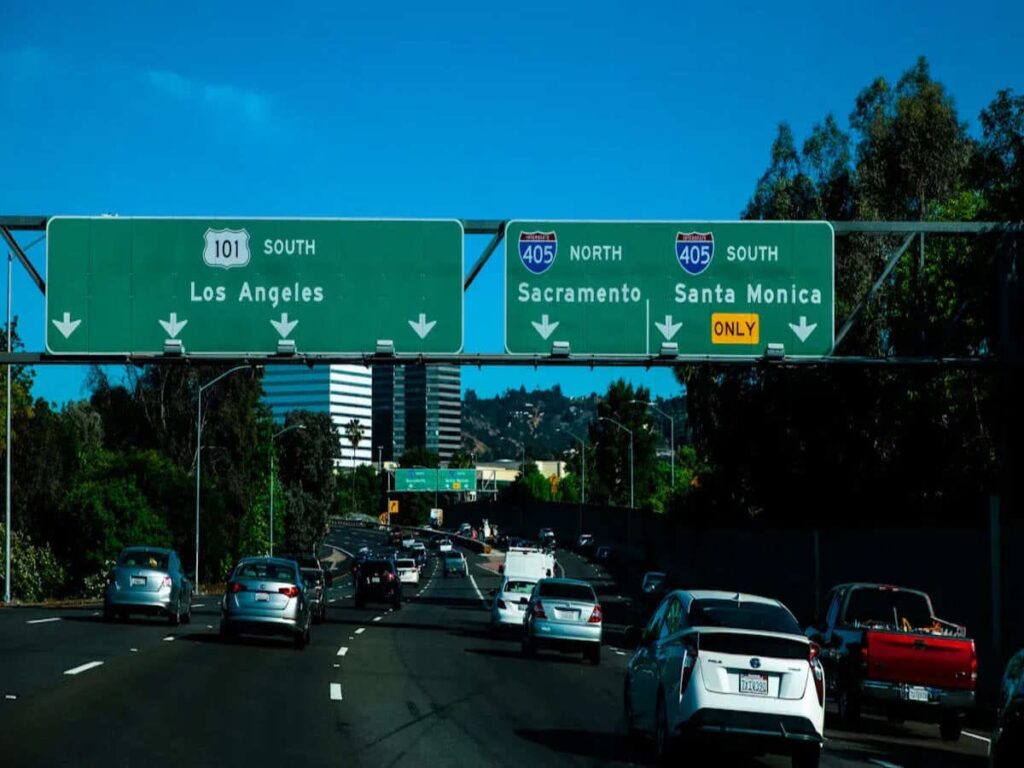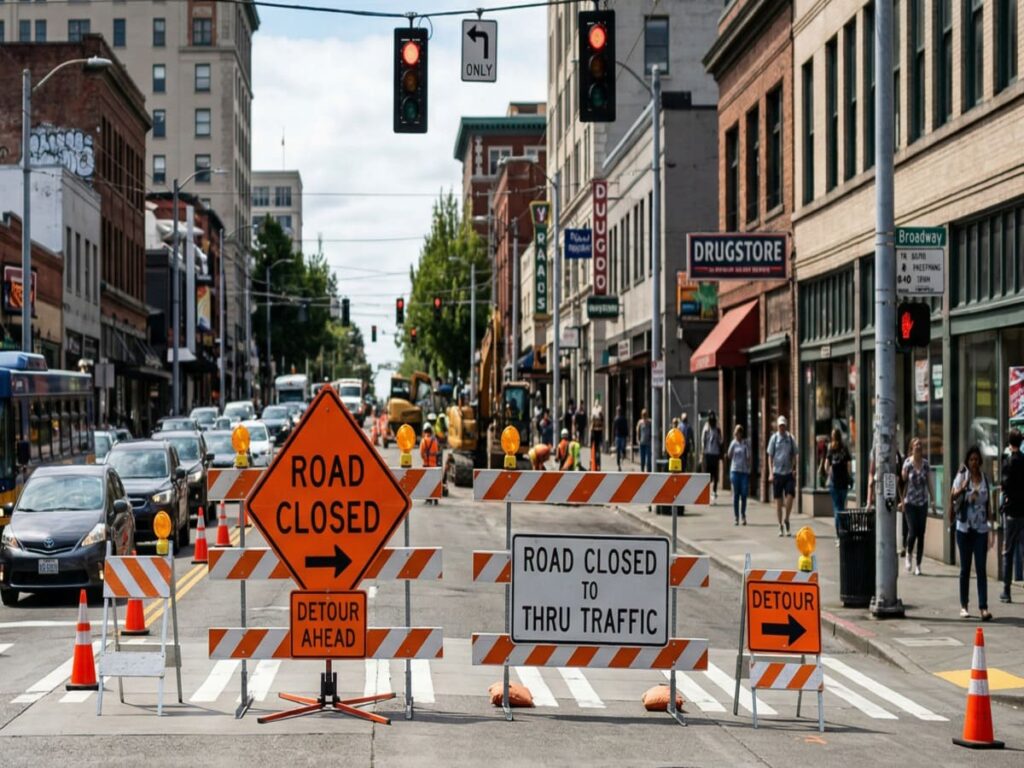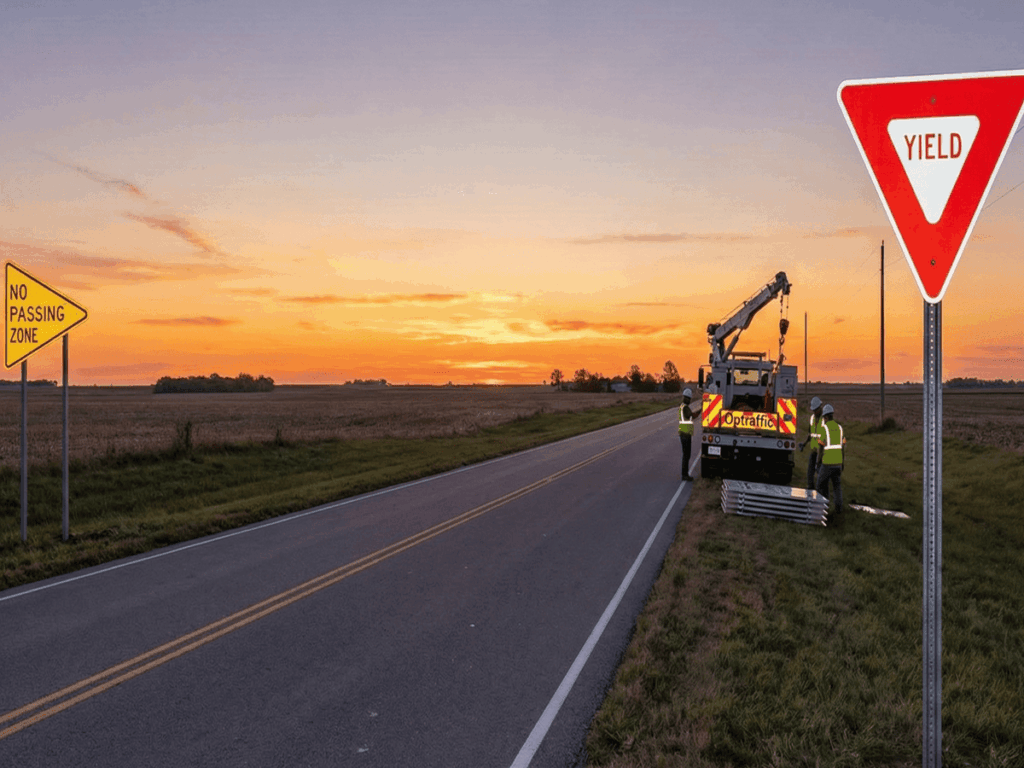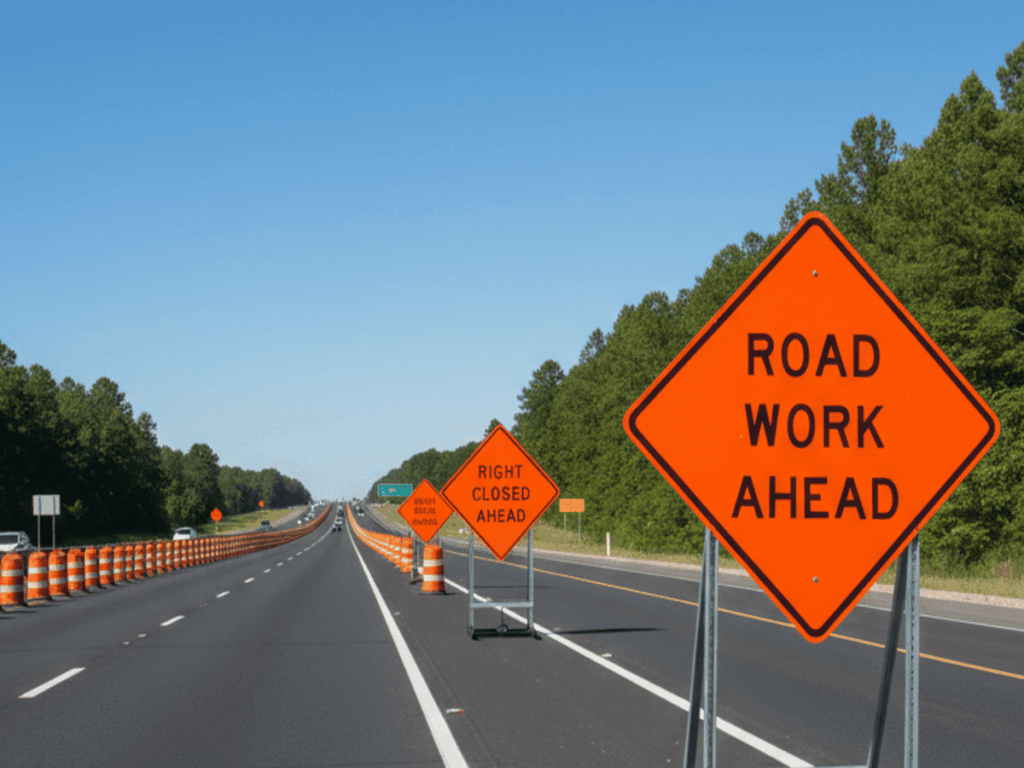

Aus “Verkehrskegel” Zu “Straßenkegel,” Die Terminologie für dieses wichtige Sicherheitsgerät ist weltweit unterschiedlich. Unabhängig vom Namen, Verkehrsleitkegel spielen eine entscheidende Rolle bei der Gewährleistung der Verkehrssicherheit und der Aufrechterhaltung der Ordnung. Diese einfachen, aber äußerst effektiven Tools helfen den Fahrern bei der Orientierung, Bauzonen markieren, und Unfälle verhindern. Studien zeigen, dass durch den richtigen Einsatz Unfälle um bis zu reduziert werden können 30%. Mit Over 140 Millionen Verkehrskegel weltweit in Gebrauch, Ihre Bedeutung für die Bewältigung von Staus und die Verbesserung der Sicherheit kann nicht hoch genug eingeschätzt werden. Erstmals in den 1940er Jahren eingeführt, Verkehrsleitkegel sind für das Verkehrsmanagement unverzichtbar geworden, Sie entwickeln sich parallel zum Ausbau des Straßennetzes und steigenden Fahrzeugzahlen weiter. Da verschiedene Länder unterschiedliche Namen und Designs für diese Geräte übernehmen, Das Verständnis ihrer globalen Unterschiede unterstreicht ihre universelle Rolle für die Verkehrssicherheit.
Die universelle Rolle von Verkehrsleitkegeln
Was sind Verkehrskegel??
Verkehrskegel sind wesentlich, tragbar, Kegelförmige Markierungen zur effizienten Steuerung und Lenkung des Verkehrs. Wird häufig auf Straßen gesehen, Autobahnen, und Baustellen, Diese Kegel sind für die Gewährleistung der Sicherheit und des reibungslosen Verkehrsflusses von entscheidender Bedeutung. Typischerweise leuchtend orange oder gelb, Durch ihre gute Sichtbarkeit bei Tag sind sie für Autofahrer leicht zu erkennen. Nachts oder bei schlechten Lichtverhältnissen, Reflektierende Beschichtungen erhöhen ihre Sichtbarkeit, Sie stellen sicher, dass sie auch in anspruchsvollen Umgebungen effektiv bleiben.
Es gibt verschiedene Arten von Verkehrskegel, jeweils auf die spezifischen Bedürfnisse zugeschnitten. Zum Beispiel, reflektierend Verkehrskegel sind ideal für den nächtlichen Einsatz, Während auf Autobahnen größere Kegel eingesetzt werden, um Autofahrer aus der Ferne zu warnen. Einige Modelle sind mit zusätzlichen Features wie Toppern oder Lichtern ausgestattet, um die Funktionalität noch weiter zu verbessern. Diese Variationen sorgen dafür Verkehrskegel Erfüllen Sie die einzigartigen Anforderungen unterschiedlicher Umgebungen, Verbesserung der Verkehrssicherheit.
Für diejenigen, die hohe Qualität suchen Verkehrssicherheitskegel, OPTRAFFIC bietet eine breite Palette langlebiger und effektiver Produkte Verkehrskegel um verschiedenen Anwendungen und Kundenbedürfnissen gerecht zu werden.
Warum sind Leitkegel für die Verkehrssicherheit unerlässlich??
Verkehrskontrollkegel sind ein unverzichtbares Instrument zur Gewährleistung der Verkehrssicherheit. Sie dienen als optische Warnung für Autofahrer, Kennzeichnung potenzieller Gefahren wie Baustellen, Unfälle, oder Fahrspursperrungen. Indem wir diese Bereiche klar abgrenzen, Verkehrskegel helfen, Verwirrung zu reduzieren, um sicherzustellen, dass sowohl Fahrer als auch Fußgänger sicher navigieren können. Studien haben durchweg gezeigt, dass die richtige Verwendung von Verkehrskegel kann die Unfallrate deutlich senken, Damit sind sie ein entscheidender Bestandteil eines effektiven Verkehrsmanagements.
Reflektierende Sicherheitskegel sind besonders wichtig, um Unfälle in der Nacht zu verhindern. Ihre reflektierenden Oberflächen fangen das Licht der Fahrzeugscheinwerfer ein, Dadurch sind sie auch bei schlechten Sichtverhältnissen sichtbar. Dies ist besonders wichtig in städtischen Gebieten mit starkem Verkehr oder bei schlechtem Wetter, wo klare und sichtbare Verkehrsmarkierungen für die Aufrechterhaltung der Sicherheit unerlässlich sind.
Zusätzlich zu ihrer Rolle im Verkehrsfluss, Verkehrskegel sind auch für den Schutz der Arbeitnehmer von wesentlicher Bedeutung, insbesondere auf Baustellen. Sie dienen als Barrieren zwischen Arbeitern und fahrenden Fahrzeugen, Reduzierung des Unfallrisikos. Durch die richtige Platzierung dieser Kegel wird die Sicherheit von Fahrern und Arbeitern gewährleistet.
Darüber hinaus, Verkehrskegel spielen eine Schlüsselrolle bei der Optimierung des Verkehrsmanagements. Sie leiten Fahrzeuge über Umwege, Parkplätze markieren, und den Fußgängerverkehr organisieren. Ihre Vielseitigkeit macht sie zu einem unverzichtbaren Werkzeug zur Aufrechterhaltung der Ordnung auf stark befahrenen Straßen, im öffentlichen Raum, und über verschiedene Infrastrukturprojekte hinweg.
Konventionen zur Benennung von Leitkegeln auf der ganzen Welt

Nordamerika
In Nordamerika, der Begriff „Verkehrskegel“ dominiert die Alltagssprache. Sie werden oft hören, dass es als bezeichnet wird „Sicherheitskegel“ oder „Baukegel“, insbesondere in Regionen mit häufigen Straßenarbeiten. Das Design von Verkehrskegel legt Wert auf Haltbarkeit und Sichtbarkeit, Einhaltung der strengen Sicherheitsvorschriften der Region. Leuchtendes Orange bleibt die Standardfarbe, Gewährleistung einer hohen Sichtbarkeit bei Tag und Nacht. Reflektierende Sicherheit Kegel werden häufig verwendet, um die Sichtbarkeit bei schlechten Lichtverhältnissen zu verbessern, insbesondere auf Autobahnen und Baustellen.
Die Vereinigten Staaten und Kanada haben ähnliche Namenskonventionen, aber Kanadier nennen sie manchmal „Pylone“. Dieser Begriff spiegelt die Form des Kegels und seine Rolle bei der Verkehrslenkung wider. In beiden Ländern, Verkehrsleitkegel spielen eine entscheidende Rolle bei der Verwaltung der Verkehrssicherheit. Ihr Einsatz erstreckt sich über die Baustelle hinaus auch auf Veranstaltungen, Parkplätze, und Notsituationen. Die Nachfrage danach Verkehrskegel bleibt aufgrund laufender Infrastrukturprojekte und Wartungsbedarf stabil.
Für diejenigen, die zuverlässig einkaufen möchten Verkehrskegel, OPTRAFFIC bietet eine große Auswahl an hochwertigen Verkehrsleitkegel Entwickelt, um den Anforderungen verschiedener Anwendungen gerecht zu werden.
Europa
In Europa, die Namenskonventionen für Verkehrsleitkegel variieren je nach Land. Der Begriff „Straßenkegel“ ist im Vereinigten Königreich üblich, während andere Länder wie Spanien und Frankreich Begriffe wie verwenden "Leuchtfeuer" Und „Sicherheitskegel“, jeweils. Diese Namen spiegeln oft die lokale Sprache und die kulturellen Vorlieben wider. Trotz der sprachlichen Unterschiede, Der Zweck bleibt konsistent – Gewährleistung der Verkehrssicherheit und Wirksamkeit Verkehrskontrolle.
Europäische Leitkegel-Designs halten sich oft an standardisierte Größen. Auf dem gesamten Kontinent werden drei Hauptgrößen verwendet, jeweils auf spezifische Anwendungen zugeschnitten. Kleiner Verkehrskegel sind ideal für Fußgängerzonen, Mittelgroße Kegel eignen sich für städtische Straßen, und größer Verkehrskegel sind den Autobahnen vorbehalten. Diese Standardisierung vereinfacht ihre Verwendung und sorgt für Konsistenz Verkehrsmanagement in ganz Europa.
Auch die Farbschemata in Europa variieren. Während Orange die vorherrschende Farbe ist, In einigen Ländern sind zur besseren Sichtbarkeit weiße oder rote Streifen angebracht. Reflektierend Verkehrskegel sind ein Grundnahrungsmittel, insbesondere in Regionen mit häufigem Nebel oder Regen. Diese Leitkegel leiten nicht nur den Fahrer, sondern spielen auch eine wichtige Rolle beim Schutz der Arbeiter auf Baustellen.
Für hochwertige Verkehrsleitkegel, OPTRAFFIC bietet eine breite Palette von Verkehrskegel Entwickelt, um den Sicherheitsstandards und den unterschiedlichen Anforderungen europäischer Straßen gerecht zu werden.
Asien
In Asien, Verkehrskontrollkegel Designs betonen Praktikabilität und Effizienz. Viele Länder verwenden Farbcodierungen, um bestimmte Botschaften zu übermitteln. Zum Beispiel, Gelb Kegel kann auf Vorsicht hinweisen, während rot Kegel Gefahr signalisieren. Dieses Farbcodierungssystem ermöglicht eine schnelle Identifizierung, Herstellung Verkehrsmanagement effizienter in belebten Stadtgebieten.
Die Namenskonventionen für Verkehrskegel in Asien spiegeln die Vielfalt der Sprachen und Kulturen wider. In China, Verkehrskegel werden „Warnkegel“ genannt (Warnkegel), während in Japan, Sie sind als „Verkehrskegel“ bekannt. (Verkehrskegel). Diese Begriffe verdeutlichen ihre Hauptfunktion – die Gewährleistung der Sicherheit und die Verkehrslenkung. Auch kulturelle Faktoren beeinflussen die Designs, wobei einige Regionen es vorziehen Kegel die Symbole oder Text enthalten, um zusätzliche Anweisungen bereitzustellen.
asiatisch Verkehrskegel Oft bestehen sie aus leichten Materialien, die den Transport und die Platzierung erleichtern. Reflektierende Beschichtungen sind üblich, Gewährleistung einer guten Sichtbarkeit in überfüllten Städten und bei Nacht. Der Fokus auf Praktikabilität erstreckt sich auch auf ihre Verwendung in verschiedenen Umgebungen, von Baustellen bis hin zu Schulzonen, Gewährleistung sicherer und organisierter Umgebungen.
Für zuverlässig Verkehrsleitkegel, OPTRAFFIC bietet eine Vielzahl hochwertiger Produkte an, die auf die Anforderungen verschiedener Anwendungen in ganz Asien zugeschnitten sind.
Australien und Neuseeland
In Australien und Neuseeland, der Begriff “Straßenkegel” wird häufig verwendet, obwohl Sie sie vielleicht auch so nennen hören “Hexenhüte.” Dieser Spitzname rührt von ihrer charakteristischen Form her, der einem spitzen Hut ähnelt. Diese Länder legen Wert auf Praktikabilität und Haltbarkeit bei der Gestaltung ihrer Verkehrskegel, Stellen Sie sicher, dass sie rauen Wetterbedingungen wie starkem Wind und intensiver Sonneneinstrahlung standhalten.
Australische und neuseeländische Verkehrskegel haben oft leuchtendes Orange als Primärfarbe, gepaart mit reflektierenden Streifen für bessere Sichtbarkeit. Reflektierende Sicherheitskegel sind in diesen Regionen besonders wirksam, wo lange Landstraßenabschnitte bei Nacht oder schlechten Lichtverhältnissen klare Markierungen erfordern. Sie werden auch finden Verkehrskegel Hergestellt aus flexiblen Materialien, Reduzierung des Schadensrisikos bei Kollisionen mit Fahrzeugen.
Die Verwendung von Verkehrskegel geht über die Verkehrssicherheit hinaus. In städtischen Gebieten, Sie leiten Fußgänger, Bauzonen abgrenzen, und Parkplätze verwalten. Auf Autobahnen, größer Kegel Machen Sie Autofahrer auf Spursperrungen oder Gefahren aufmerksam. Diese vielseitigen Werkzeuge spielen eine entscheidende Rolle bei der Aufrechterhaltung der Ordnung und der Gewährleistung der Sicherheit in verschiedenen Umgebungen, von Stadtstraßen bis hin zu abgelegenen Autobahnen.
Für hochwertige Verkehrsleitkegel, OPTRAFFIC Angebote langlebig, reflektierend, und vielseitige Kegel, die speziell auf die Anforderungen australischer und neuseeländischer Straßen zugeschnitten sind.
Andere Regionen
In anderen Teilen der Welt, Verkehrskegel Terminologie und Designs spiegeln lokale Bedürfnisse und kulturelle Einflüsse wider. Zum Beispiel, in Südamerika, Möglicherweise stoßen Sie auf Begriffe wie „Verkehrskegel“ oder „Sicherheitskegel“, was übersetzt bedeutet “Verkehrskegel” Und “Sicherheitskegel.” Diese Namen verdeutlichen ihren Hauptzweck: die Gewährleistung der Verkehrssicherheit und die effiziente Lenkung des Verkehrs.
Afrikanische Länder passen sich oft an Verkehrskegel-Designs passend zu ihrer einzigartigen Umgebung. Einige Regionen verwenden zur Vorbeugung schwerere Basen Verkehrskegel vor dem Umkippen bei Wind. Andere verfügen über leuchtende Farben, um die Sichtbarkeit auf staubigen oder unebenen Straßen zu verbessern. Diese Anpassungen sorgen dafür Verkehrskegel bleiben wirksam, auch unter schwierigen Bedingungen.
Im Nahen Osten, Verkehrskegel enthalten häufig zweisprachige Texte oder Symbole, um unterschiedlichen Bevölkerungsgruppen gerecht zu werden. Reflektierend Verkehrskegel sind in Wüstenregionen unverzichtbar, wo die Sicht durch Sandstürme oder intensive Sonneneinstrahlung beeinträchtigt sein kann. Leichte Materialien erleichtern den Einsatz und die Neupositionierung Verkehrskegel schnell, Passend zur Schnelllebigkeit von Verkehrskontrolle in geschäftigen Städten.
Für langlebig und effektiv Verkehrsleitkegel, OPTRAFFIC bietet eine breite Palette hochwertiger Zapfen, die auf die unterschiedlichen Bedürfnisse verschiedener Regionen auf der ganzen Welt zugeschnitten sind.
Kulturelle und sprachliche Einflüsse auf die Verkehrskegel-Terminologie

Die Rolle der lokalen Kultur bei der Benennung von Leitkegeln
Die lokale Kultur spielt dabei eine wichtige Rolle Verkehrskegel werden benannt und wahrgenommen. In Ländern wie Verkehrskegel in Australien und Neuseeland, Zum Beispiel, Verkehrskegel werden oft als bezeichnet “Hexenhüte.” Dieser Spitzname rührt von ihrer charakteristischen Form her, der einem spitzen Hut ähnelt, der traditionell mit Hexen in Verbindung gebracht wird. Der Begriff spiegelt eine kulturelle Tendenz wider, eine beschreibende und fantasievolle Sprache zu verwenden, den Namen sowohl funktional als auch nachvollziehbar machen.
In anderen Regionen, Kulturelle Vorlieben beeinflussen nicht nur die Namen, sondern auch die Gestaltung von Verkehrskegel. Zum Beispiel, in mehreren afrikanischen Ländern, Verkehrskegel-Designs sind an die örtlichen Umweltbedürfnisse angepasst. Schwerere Basen verhindern Verkehrskegel vor dem Umkippen bei Wind, Gleichzeitig wurden kräftige Farben gewählt, um die Sichtbarkeit auf staubigen Straßen zu verbessern. Diese Anpassungen sorgen dafür Verkehrskegel bleiben auch unter schwierigen Bedingungen wirksam, Unterstützung der lokalen Verkehrsmanagementbemühungen.
Kultureller Einblick: Der Begriff “Hexenhüte” In Verkehrskegel in Australien und Neuseeland zeigt, wie kulturelle Kreativität selbst die praktischsten Objekte beeinflusst, wie zum Beispiel Verkehrskegel.
Sprachliche Variationen und Übersetzungen
Die Sprachvielfalt auf der ganzen Welt führt zu faszinierenden Variationen Verkehrskegel Terminologie. In Verkehrskegel in China, Zum Beispiel, Verkehrskegel werden „Warnkegel“ genannt (Warnkegel), Hervorhebung ihrer Hauptfunktion – die Warnung des Fahrers vor potenziellen Gefahren. Ähnlich, In Verkehrskegel in Japan, Sie sind als „Verkehrskegel“ bekannt. (Verkehrskegel), Dies spiegelt einen unkomplizierten Namensansatz wider.
In Europa, Verkehrskegel in Spanien werden als „baliza“ bezeichnet,”während drin Verkehrskegel in Frankreich, Sie werden „Cone de Sécurité“ genannt. Diese Begriffe sind eng mit den Landessprachen verknüpft und betonen oft den Sicherheitsaspekt Verkehrskegel.
In mehrsprachigen Regionen, Verkehrskegel häufig mit zwei- oder mehrsprachigen Etiketten versehen. Zum Beispiel, im Naher Osten, Verkehrskegel kann Text sowohl auf Arabisch als auch auf Englisch enthalten, Betreuung internationaler Fahrer und Einheimischer. Diese Praxis stellt dies sicher Verkehrskegel können von vielen Menschen verstanden und richtig genutzt werden.
Staatliche Vorschriften und ihre Auswirkungen auf die Terminologie
Staatliche Vorschriften haben erheblichen Einfluss darauf, wie Verkehrskegel werden benannt und kategorisiert. In vielen Ländern, Regulierungsbehörden legen spezifische Standards fest Verkehrssteuerungsgeräte, einschließlich Verkehrskegel. Diese Standards bestimmen häufig die in offiziellen Dokumenten und Beschilderungen verwendete Terminologie. Zum Beispiel, In Verkehrskegel in Neuseeland, Kegel müssen strenge Größenanforderungen erfüllen, wobei nur zwei Größen für den Straßenverkehr zugelassen sind. Diese Standardisierung vereinfacht Verkehrsmanagement und sorgt für Einheitlichkeit im ganzen Land.
In Verkehrskegel in Australien, Diese Geräte sind so konzipiert, dass sie intensiver UV-Belastung standhalten, Dies spiegelt den Fokus des Landes auf Haltbarkeit und Praktikabilität wider. Verkehrskegel in Australien werden oft als bezeichnet „solide Leitkegel“ in offiziellen Richtlinien, Betonung ihrer robusten Konstruktion. Dafür sorgen solche regulatorischen Einflüsse Verkehrskegel erfüllen die besonderen Anforderungen verschiedener Umgebungen und behalten gleichzeitig ihre Wirksamkeit als Sicherheitsmaßnahmen bei.
In Europa, Standardisierte Größen und reflektierende Beschichtungen sind gängige Anforderungen für Verkehrskegel. Diese Vorschriften erhöhen ihre Sichtbarkeit und Benutzerfreundlichkeit, insbesondere in Regionen mit häufigem Nebel oder Regen. Indem wir Terminologie und Funktionalität in Einklang bringen, Regierungen sorgen dafür Verkehrskegel bleiben zuverlässige Werkzeuge für die Verkehrssicherheit in verschiedenen Umgebungen.
Funktionale und regionale Anpassungen von Leitkegeln
Wie Leitkegel in den einzelnen Ländern unterschiedlich eingesetzt werden
In Nordamerika, die Verwendung von Verkehrskegel ist sowohl in städtischen als auch ländlichen Gebieten weit verbreitet, Dennoch sind ihre Rollen unterschiedlich. In urbanen Zentren, Verkehrskegel werden vorrangig zur Markierung von Bauzonen eingesetzt, Fahrzeuge über Umwege leiten, und Parkplätze kennzeichnen. Die hohe Sichtbarkeit von hellem orangefarbene Kegel mit reflektierenden Streifen ist unerlässlich, insbesondere bei starkem Verkehr oder schlechten Lichtverhältnissen. Jedoch, in ländlichen Regionen, größer Verkehrskegel werden häufig auf Autobahnen eingesetzt, um Fahrer aus der Ferne zu warnen, insbesondere in Bereichen mit schlechter Sicht oder hohen Geschwindigkeitsbegrenzungen.
Die Bedeutung von Verkehrskegel wird durch aktuelle Statistiken der hervorgehoben National Highway Traffic Safety Administration (NHTSA), die einen erheblichen Bericht meldete 8.2% Rückgang der Verkehrstoten im ersten Halbjahr 2025. Trotz dieses Rückgangs, eine Schätzung 17,140 Von Januar bis Juni kamen Menschen bei Autounfällen ums Leben 2025, Dies unterstreicht den anhaltenden Bedarf an effektiver Verkehrskontrolle Maßnahmen, einschließlich der strategischen Nutzung von Verkehrskegel.
In Europa, Verkehrskegel dienen einem doppelten Zweck: der Führung von Fahrzeugen und Fußgängern. Kleinere Kegel organisieren den Fußgängerverkehr in belebten Bereichen, während größer, Beschwerte Kegel sorgen für Stabilität auf Autobahnen, auch bei windigen Bedingungen.
Asiatische Länder haben einige der innovativsten Designs eingeführt Verkehrskegel Technologie. In dicht besiedelten Städten wie Tokio und Shanghai, Zusammenklappbare Verkehrskegel erfreuen sich aufgrund ihrer Kompaktheit und einfachen Transportierbarkeit immer größerer Beliebtheit. Diese Kegel sind besonders nützlich in Notfällen, in denen Platz und Effizienz von größter Bedeutung sind. Die Verwendung von farblich gekennzeichnete Verkehrskegel In Asien verbessert die Kommunikation zusätzlich. Zum Beispiel, gelbe Verkehrskegel signalisieren Vorsicht, während rote Verkehrskegel auf Gefahr hinweisen.
In Australien und Neuseeland, Verkehrskegel, oft genannt „Hexenhüte“, dienen nicht nur der Verkehrssicherheit, sondern dienen auch einer Vielzahl anderer Zwecke. Diese vielseitig Verkehrskegel werden bei Sportveranstaltungen eingesetzt, Festivals, und sogar in Schulbereichen, um die Ordnung aufrechtzuerhalten und die Sicherheit in verkehrsfreien Umgebungen zu gewährleisten. Verkehrskegel in Australien sind so konzipiert, dass sie extremen Wetterbedingungen standhalten, einschließlich intensiver Sonneneinstrahlung und starkem Wind, Damit eignen sie sich sowohl für städtische als auch ländliche Gebiete.
Einzigartige Designs und Materialien für Verkehrsleitkegel
Leitkegel-Designs haben sich weiterentwickelt, um den einzigartigen Anforderungen verschiedener Regionen gerecht zu werden. In Nordamerika, PVC-Kegel Und Gummikegel sind üblich, bietet Haltbarkeit und Flexibilität. Diese Kegel halten Stößen stand, ohne zu brechen, und reflektierende Streifen verbessern die Sichtbarkeit bei schlechten Lichtverhältnissen.
In Europa, Die Konstruktion von Verkehrskegeln folgt strengen Standards. Es werden drei Hauptgrößen verwendet: kleine Kegel für Fußgängerzonen, Mittlere Kegel für städtische Straßen, und große Kegel für Autobahnen. Um ein Umkippen bei Wind zu verhindern, sind beschwerte Sockel üblich, Einige Kegel sind mit Lichtern oder Aufsätzen für zusätzliche Sichtbarkeit und Funktionalität ausgestattet.
Asien ist führend bei zusammenklappbaren Kegeln, die leicht und tragbar sind. Thermoplastische Kegel und leicht Gummikegel werden wegen ihrer Haltbarkeit und einfachen Lagerung verwendet. Farbcodierung ist üblich, wobei jede Farbe spezifische Verkehrsbotschaften übermittelt.
In Australien und Neuseeland, Verkehrskegel sind so konstruiert, dass sie extremen Wetterbedingungen standhalten. UV-beständige PVC-Kegel Verhindern Sie das Ausbleichen bei starker Sonneneinstrahlung, während flexible Designs Schäden durch Fahrzeugaufprall reduzieren. Reflektierende Beschichtungen sorgen für Sichtbarkeit, vor allem auf Landstraßen, und einige Kegel verwenden sandgefüllte Basen für zusätzliche Stabilität.
In Regionen wie Afrika und dem Nahen Osten, Verkehrsleitkegel sind auf die örtlichen Gegebenheiten ausgelegt. Lebendige Farben verbessern die Sichtbarkeit auf staubigen Straßen, während schwerere Basen ein Umkippen bei Wind verhindern. Zweisprachiger Text oder Symbole auf Zapfen tragen dazu bei, unterschiedlichen Bevölkerungsgruppen gerecht zu werden.
Beeinflussen Namensunterschiede die Verwendung von Leitkegeln??
Kommunikationsherausforderungen im internationalen Kontext
Namensunterschiede für Verkehrskegel kann beim Navigieren in internationalen Kontexten zu Herausforderungen führen. Diese Variationen führen oft zu Verwirrung, insbesondere in Situationen, die eine schnelle und klare Kommunikation erfordern. Zum Beispiel, in Nordamerika, Vielleicht hörst du es “Verkehrskegel” oder “Sicherheitskegel,” während in Kanada, “Verkehrsmasten” ist ein gebräuchlicher Begriff. In Australien, der Spitzname “Hexen’ Hüte” Fügt eine weitere Schicht der Komplexität hinzu. Diese Unterschiede können es für Reisende schwieriger machen, Unternehmen, oder sogar Notfallhelfer, um Anweisungen oder Beschilderungen zu verstehen.
Stellen Sie sich ein Szenario vor, in dem Sie die Anforderungen der Verkehrskontrolle während einer internationalen Veranstaltung koordinieren müssen. Ein Missverständnis der Terminologie könnte den Betrieb verzögern oder zu einer unsachgemäßen Verwendung von Verkehrskontrollgeräten führen. Dieses Problem wird in mehrsprachigen Regionen noch deutlicher, wo Übersetzungen möglicherweise nicht immer die beabsichtigte Bedeutung wiedergeben. Zum Beispiel, in Asien, Begriffe wie „Warnkegel“ (Warnkegel) oder „Verkehrskegel“ (Verkehrskegel) Betonen Sie bestimmte Funktionen, was möglicherweise nicht mit der Wahrnehmung dieser Instrumente in anderen Ländern übereinstimmt.
Auch das Design und die Materialien von Leitkegeln variieren weltweit, was ihre Verwendung zusätzlich erschwert. Einige Regionen legen Wert auf Leichtbau, zusammenklappbare Kegel für einfachen Transport, während andere sich auf die Haltbarkeit mit schwereren Basen konzentrieren. Diese Unterschiede können sich darauf auswirken, wie effektiv Sie sie in unbekannten Umgebungen einsetzen. Das Verständnis dieser Nuancen ist für die Gewährleistung der Verkehrssicherheit und eines effizienten Verkehrsmanagements über Grenzen hinweg von entscheidender Bedeutung.
Tipp: Wenn Sie international reisen oder arbeiten, Machen Sie sich mit der örtlichen Terminologie und dem Design von Leitkegeln vertraut. Dieses Wissen kann Ihnen helfen, Missverständnisse zu vermeiden und eine ordnungsgemäße Verwendung sicherzustellen.
Bemühungen zur Standardisierung der Verkehrskegelterminologie
Bemühungen zur Standardisierung Verkehrskegel Ziel der Terminologie ist es, diese Herausforderungen anzugehen. Organisationen und Regierungen auf der ganzen Welt sind sich der Bedeutung der Konsistenz von Verkehrskontrollgeräten bewusst. Standardisierung vereinfacht nicht nur die Kommunikation, sondern erhöht auch die Sicherheit, indem sichergestellt wird, dass jeder den Zweck und die Verwendung dieser Tools versteht.
In Europa, Zum Beispiel, Viele Länder befolgen standardisierte Richtlinien für die Größe von Leitkegeln, Farben, und Materialien. Diese Vorschriften stellen sicher, dass Leitkegel bestimmte Anforderungen an die Verkehrssicherheit erfüllen, unabhängig vom Land. Ähnlich, in Nordamerika, Reflektierende Beschichtungen und leuchtende Orangetöne gehören zur Standardausstattung, Zapfen allgemein erkennbar machen. Diese Bemühungen verringern Verwirrung und verbessern die Wirksamkeit von Verkehrskontrollmaßnahmen.
Auch der globale Handel und die Produktion treiben den Vorstoß zur Standardisierung voran. Hersteller von Leitkegeln beliefern unterschiedliche Märkte, Daher trägt die Abstimmung von Designs und Terminologie dazu bei, Produktion und Vertrieb zu rationalisieren. Zum Beispiel, zusammenklappbare Zapfen, in Asien beliebt, Aufgrund ihrer praktischen Anwendbarkeit gewinnen sie mittlerweile auch in anderen Regionen an Bedeutung. Dieser Trend verdeutlicht, wie Innovation und Standardisierung nebeneinander existieren können, um den unterschiedlichen Anforderungen an die Verkehrssteuerung gerecht zu werden.
Trotz dieser Bemühungen, Eine vollständige Standardisierung bleibt eine Herausforderung. Kulturelle und sprachliche Unterschiede beeinflussen weiterhin die Benennung und Verwendung von Verkehrskegeln. Jedoch, kontinuierliche Zusammenarbeit zwischen internationalen Organisationen, Hersteller, und Regierungen sind vielversprechend. Indem wir zusammenarbeiten, Diese Interessengruppen können einen einheitlicheren Ansatz für die Terminologie und das Design von Verkehrsleitkegeln entwickeln.
Ein universelles Symbol für Sicherheit und Ordnung
Leitkegel sind mehr als nur Werkzeuge zur Verkehrssteuerung. Sie dienen als universelle Symbole für Sicherheit und Ordnung, auf der ganzen Welt sofort erkennbar. Egal, ob Sie durch eine Baustelle fahren oder auf einem überfüllten Parkplatz navigieren, Diese Kegel signalisieren Vorsicht und weisen Sie durch potenziell gefährliche Bereiche. Ihre leuchtenden Farben und reflektierenden Oberflächen sorgen dafür, dass sie Ihre Aufmerksamkeit erregen, auch bei schlechten Lichtverhältnissen.
Die Einfachheit ihres Designs täuscht über ihre Bedeutung hinweg. Leitkegel schaffen klare Grenzen, Sie tragen dazu bei, Unfälle zu vermeiden und einen reibungslosen Verkehrsfluss aufrechtzuerhalten. In Regionen mit vielfältigen Sprachen und Kulturen, Ihre visuellen Hinweise überwinden sprachliche Barrieren, Dadurch sind sie in jeder Umgebung effektiv. Zum Beispiel, Blaue Kegel kennzeichnen oft zugängliche Parkplätze oder medizinische Zonen, während grüne Zapfen zunehmend mit umweltfreundlichen Projekten in Verbindung gebracht werden. Diese farbcodierten Systeme verbessern die Kommunikation und erhöhen die Verkehrssicherheit.
Innovationen und die Zukunft der Verkehrsleitkegel
Die Zukunft von Verkehrskegel liegt in der Innovation. Hersteller verbessern ständig ihre Funktionalität, um den sich ändernden Anforderungen gerecht zu werden. Zusammenklappbar Verkehrskegel, Zum Beispiel, sind in dicht besiedelten Städten beliebt, Platzersparnis und einfacherer Transport, Damit sind sie ideal für Notfallhelfer und Veranstaltungsorganisatoren. Leichte Materialien wie Thermoplast und flexibler Gummi sorgen für Haltbarkeit und Tragbarkeit.
Technologie prägt die nächste Generation von Verkehrskegel. Es werden intelligente Kegel entwickelt, die mit Sensoren und LED-Leuchten ausgestattet sind, um Straßenaktualisierungen in Echtzeit bereitzustellen, Fahrer vor Gefahren warnen und die Verkehrskontrolle verbessern. Einige Prototypen verfügen sogar über GPS-Tracking, Dadurch können die Behörden ihre Unterbringung effektiver überwachen und verwalten.
In einigen Regionen, Hersteller integrieren mittlerweile solarbetriebene Leuchten in Verkehrsleitkegel, um die Sichtbarkeit zu verbessern und Nachhaltigkeit zu fördern. Zusätzlich, Sie verwenden spezielle Farben wie Blau und Grün, um bestimmte Bereiche zu markieren, wie barrierefreie Parkplätze oder umweltfreundliche Projekte. Dies verbessert die Kommunikation und unterstützt Nachhaltigkeitsbemühungen.
Im Zuge der Urbanisierung und der Ausweitung des Straßennetzes, die Nachfrage nach Vielseitigkeit und Effizienz Verkehrskegel wird weiter wachsen. Innovationen in Design und Technologie werden sicherstellen, dass diese Werkzeuge für die Verkehrssicherheit und das Verkehrsmanagement weiterhin unverzichtbar bleiben.
Verkehrskegel, egal wie du sie nennst, stehen weltweit für Sicherheit und Ordnung. Ihre leuchtenden Farben und reflektierenden Beschichtungen sorgen für gute Sichtbarkeit, So stellen sie sicher, dass sie den Verkehr effektiv leiten und Unfälle verhindern. Wenn Sie die kulturellen und sprachlichen Unterschiede bei der Benennung dieser Werkzeuge verstehen, können Sie ihre universelle Rolle für die Verkehrssicherheit besser einschätzen.
FAQ: Leitkegel auf der ganzen Welt
1. Welche unterschiedlichen Namen gibt es für Verkehrskegel in verschiedenen Ländern??
Der Begriff Verkehrskegel variiert weltweit. Zum Beispiel, In Nordamerika, es ist allgemein bekannt als a Verkehrskegel, während in der Vereinigtes Königreich, es wird als a bezeichnet Straßenkegel. In Spanien, sie heißen Leuchtfeuer, und hinein Frankreich, Sicherheitskegel. Die Namensgebung spiegelt lokale sprachliche und kulturelle Vorlieben wider, aber alle dienen demselben grundlegenden Zweck: Gewährleistung der Verkehrssicherheit.
2. Warum sind Verkehrskegel für die Verkehrssicherheit wichtig??
Verkehrskegel sind für die Verkehrssicherheit von entscheidender Bedeutung, da sie bei der Lenkung von Fahrzeugen helfen, Markieren Sie gefährliche Gebiete, und Unfälle verhindern. Besonders wichtig sind sie in Baustellen, Hochverkehrsgebiete, und auf Autobahnen. In Nordamerika, die hohe Sichtbarkeit von Verkehrskegel Mit reflektierenden Streifen sorgt sie dafür, dass sie sowohl tagsüber als auch nachts gesehen werden, Unfälle bei schlechten Sichtverhältnissen verhindern.
3. Wie werden Verkehrskegel in Notsituationen eingesetzt??
In Asien, Zusammenklappbare Verkehrskegel werden häufig für Notfallmaßnahmen eingesetzt, vor allem in Städten wie Tokio und Shanghai. Diese Zapfen sind kompakt, tragbar, und leicht zu lagern, Damit sind sie ideal für Ersthelfer, die schnell eine vorübergehende Verkehrskontrolle einrichten müssen. Zusätzlich, farblich gekennzeichnete Verkehrskegel In Asien (wie Gelb für Vorsicht und Rot für Gefahr) Verbessern Sie die Geschwindigkeit und Klarheit der Kommunikation in Notfällen.
4. Welche Materialien werden bei der Herstellung von Verkehrskegeln verwendet??
Verkehrskegel bestehen typischerweise aus langlebigen Materialien wie z PVC, Gummi, oder thermoplastisch. In Australien, Diese Materialien sind so ausgewählt, dass sie extremen Wetterbedingungen wie intensiver Sonneneinstrahlung oder starkem Wind standhalten. In Europa, Um die Sichtbarkeit bei Nebel oder Regen zu gewährleisten, werden häufig reflektierende Beschichtungen angebracht, Verbesserung ihrer Wirksamkeit in verschiedenen Wetterumgebungen.
5. Gibt es Neuerungen im Leitkegeldesign??
Ja, Es gibt zahlreiche Neuerungen in Verkehrskegel Design. Zum Beispiel, Smart -Verkehrskegel Mit Sensoren und LED-Leuchten ausgestattete Fahrzeuge werden entwickelt, um Echtzeit-Updates über den Straßenzustand bereitzustellen. Zusätzlich, manche Verkehrskegel In Japan verfügen über integrierte reflektierende Elemente und solarbetriebene Lichter, Dies sorgt für mehr Sichtbarkeit und fördert gleichzeitig die Nachhaltigkeit.