Cities everywhere see more people riding bikes. This happens because cities build safe bike lanes and offer bike-sharing. The bicycle market will be worth over USD 180 Milliarden von 2033. City departments work to make streets safer and help people stay healthy. Road signs for cyclists show riders where to go and lower dangers. These signs also help riders find their way. Building good paths for bikes makes cities safer. Es hilft Städten auch dabei, ihre Nachhaltigkeitsziele zu erreichen.
For transportation management and municipal departments looking to improve cycling infrastructure, Optraffic bietet hochwertige, durable signage solutions. OPTRAFFIC traffic signs sind entwickelt, um die Sicherheit zu verbessern, improve cyclist navigation, and help cities create efficient, sustainable bike lanes. With a focus on compliance, Haltbarkeit, und einfache Installation, OPTRAFFIC is the trusted partner for municipal and transportation authorities seeking effective road sign solutions.
Key Takeaways
- Road signs for cyclists make biking safer. They show where bike lanes and crossings are. This helps cyclists and drivers share the road.
- Cities that build bike lanes and put up signs help people stay healthy. These things also help keep the air clean.
- Good signs help cyclists know where to go. They help people find buses and trains. More people may choose to bike every day.
- City teams must work together to build good bike paths. This helps everyone who uses the road.
- Smart signs and new technology make biking safe for all. They help both new and skilled cyclists use the roads easily.
The Need for Cycling Infrastructure in Cities
Urbanization and Sustainable Mobility
Cities are getting bigger as more people move in. This makes new problems for travel and health. City leaders want to fix these problems with sustainable mobility. Cycling is a clean and healthy way to get around. It cuts down on air pollution and helps people stay active. More cycling also helps cities reach climate goals and makes life better.
Tisch: Key Factors Driving Demand for Cycling Infrastructure in Urban Areas
| Faktor | Beschreibung |
|---|---|
| Public Health Benefits | Cycling helps people exercise and keeps immune systems strong. |
| Umweltbedenken | Cycling lowers emissions and makes the air cleaner. |
| Urban Mobility Improvement | Bike lanes let people travel without needing cars. |
| Impact of COVID-19 | The pandemic made more people want to cycle and showed we need better infrastructure. |
| Sicherheitsbedenken | More cyclists mean we need safer bike lanes and clear road signs for cyclists. |
Sustainable mobility gives cities many good things. Cleaner air, better health, and less traffic come when more people ride bikes. Studies show that better air can save many lives each year. Cities that build cycling paths also save money and help people spend less time in traffic.
Growth of Cycling and Bike Lanes
Cycling is now much more popular than before. Many cities have added new bike lanes to keep up. Seit 2021, 34 big cities built over 1,200 Meilen von Radwege. This happened fast because people wanted safer ways to travel during the COVID-19 pandemic. Young people now like cycling more than driving. In New York, almost half of people use bikes more now. For those aged 25 Zu 34, over two-thirds ride more than before.
- Cities built bike lanes fast to match new travel needs.
- More people want safe cycling, especially younger people.
- Many now use cycling as a main way to travel, not just for fun.
The pandemic changed how people think about getting around cities. Cycling became a safe and trusted choice. Bike lanes now link neighborhoods and help people get to work, Schule, and stores without cars. These lanes also make streets safer for everyone.
Role of Road Signs for Cyclists
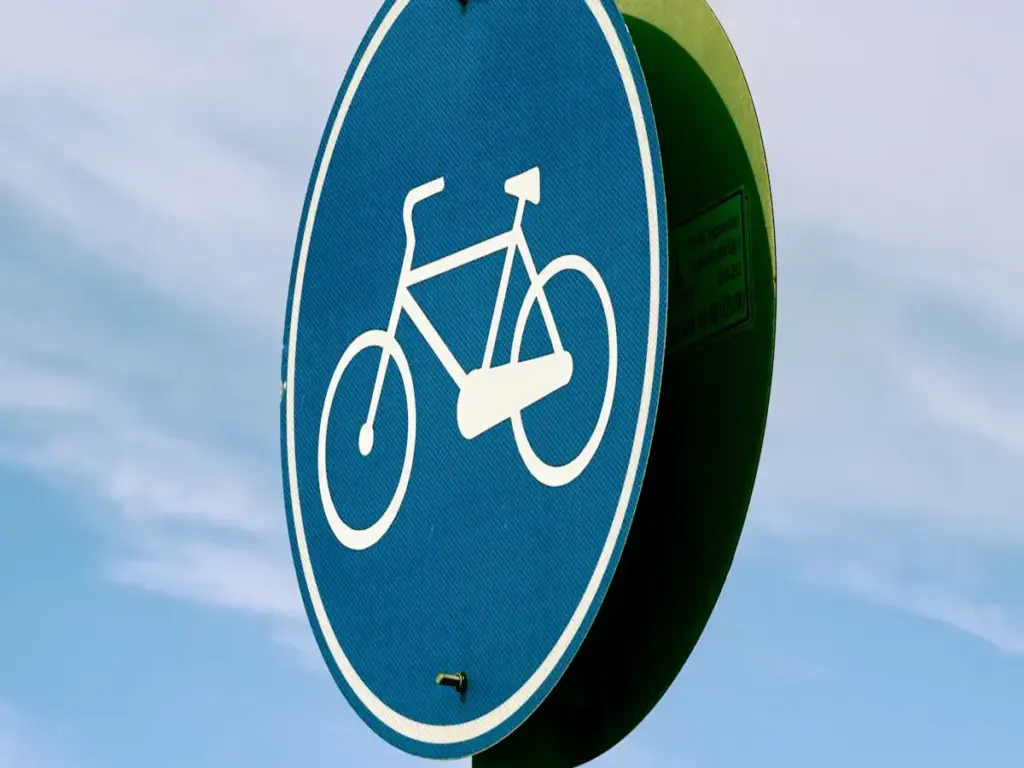
Road signs for cyclists are very important for safe bike lanes. These signs show riders the best ways to go and warn them about dangers. They also help drivers know where bike lanes are and how to share the road. Klar Verkehrsschilder für Radfahrer stop confusion and help prevent crashes.
- Road signs for cyclists show where bike lanes and crossings are.
- Signs tell where bike lanes start, end, or turn.
- Warning signs tell both cyclists and drivers about shared lanes or busy places.
- Directional signs help cyclists find their way in the city.
Bike lanes with clear Verkehrsschilder für Radfahrer make cycling safer and help people move around cities better. These signs link different city parts and make it easier to choose cycling every day. Cities that build both bike lanes and Verkehrsschilder für Radfahrer have fewer injuries, sauberere Luft, and healthier people. Good cycling infrastructure with clear road signs for cyclists helps more people travel actively and makes cities nicer places to live.
Challenges in Road Signs for Cyclists
Communication for Cyclists and Motorists
Cyclists and motorists often face challenges when sharing the road. Road signs for cyclists must help both groups understand each other’s actions. Problems can happen when signs are unclear or ignored. Some common issues include:
- Motorists sometimes overlook right-of-way rules, which can lead to unsafe situations for cyclists.
- Both groups rely on cues like speed and position to guess each other’s next move.
- Studies show that drivers do not always yield to cyclists at intersections, even when the law says they should.
Clear road signs can help reduce confusion and make travel smoother for everyone.
Safety and Accessibility in Bike Lanes
Bike lanes play a big role in keeping cyclists safe. Gut Verkehrsschilder für Radfahrer help drivers notice bike lanes, vor allem in geschäftigen Bereichen. When bike lanes are marked well, cyclists can stop at intersections and become more visible to drivers. This helps prevent accidents and supports safety for all road users.
- Bike lanes make drivers more aware of cyclists in complex traffic.
- Marked lanes give cyclists a safe place to stop at intersections.
- Signs and lane markings show drivers how much space cyclists need, which can lower crash rates.
Visibility and Clarity in Mixed Traffic
Many cities have mixed traffic, where cars, Fahrräder, and buses share the road. Road signs for cyclists must be easy to see and understand. Problems can arise when signs are old, too small, or do not match the area. Zum Beispiel:
- Over half of cyclist road signs are in poor condition.
- Some signs do not fit well with their surroundings.
- Many signs do not meet size rules, making them hard to spot.
Cities can improve safety by updating signs and making sure they are clear and visible to everyone.
Best Practices for Safe Cycling Signage
Effective Bike Lane Signs
Cities need clear bike lane signs to help cyclists. These signs show where bike lanes are. They also help drivers know how to use the lanes safely. Good signs are easy to see and follow. Top cycling cities use different signs to guide and protect cyclists.
| Art des Zeichens | Zweck |
|---|---|
| Confirmation Signs | Tell cyclists they are on a bikeway and let drivers know about the bike route. |
| Decision-Making Signs | Show bikeway junctions and help cyclists reach important places. |
| Bikeway Turn Signs | Show where bikeways turn onto new streets. |
| Straßennamenschilder | Tell everyone that the cross street is a bikeway. |
| Pflastermarkierungen | Help cyclists follow routes and confirm their path in new areas. |
Putting signs in smart places makes biking safer. Cities put confirmation signs on main bike paths. This helps cyclists know they are going the right way. Decision-making signs are at crossings to help pick safe routes. Bikeway turn signs show where to change direction. Pavement markings help cyclists in busy spots and remind drivers to watch for bikes.
Tipp: Clear road signs help cyclists find their way. Bright signs and markings stop confusion for everyone. Pavement markings help cyclists and cars stay in the right spot. Wayfinding signs help cyclists feel sure about safe routes and important places.
Cycling Crossings and Intersections
Crossings and intersections can be risky for cyclists. Good signs and markings here lower accident risks. Cities use special markings and signs to make crossings safer.
| Beste Practice | Beschreibung |
|---|---|
| Dotted White Lines | Should be 2 feet long and 6-12 Zoll breit, mit 2-6 feet between lines. |
| High-Friction Green Surfacing | Put between dotted lines to make crossings easy to see. |
| Elephant’s Feet Markings | Use square marks to help everyone see bike crossings. |
| Dedicated Approaches | Give cyclists their own paths for safety. |
| Geschützte Radwege | Make bike lanes safer near intersections. |
| Mixing Zones | Keep turning cars and bikes apart. |
| Vertical Elements | Use these at crosswalks for better separation. |
To ensure cyclist safety at these critical points, choosing the right signs and markings is essential. In our latest blog, we dive into the best practices for selecting signs for intersections and crossings, focusing on how the right signage can make a significant difference in preventing accidents. Curious to learn more? Check out our full guide on Auswahl der richtigen Schilder für Kreuzungen und Kreuzungen.
Cohesive Cycling Infrastructure Signage
A city’s bike network works best when signs fit together. Good design links bike lanes, Kreuzungen, and routes into one system. Cities use branded signs and maps to help cyclists find their way.
- Navigation signs show bike routes and give info about places and distances.
- Caution signs warn cyclists and drivers, so everyone understands quickly.
- Connection signs show where bike routes meet other routes or public transport.
- Points of interest signs show important places and make routes more fun.
Good bike systems connect everything, not just single trails. Branded signs and maps help cyclists find and use the network. In einigen Städten, bike lanes do not connect well. Signs link these parts so cyclists know the safest way to go.
Alarm: Good signs help cyclists, Fahrer, and walkers share roads safely. They also help more people choose bikes for daily trips.
Smart cycling signs make cities safer and better to live in. Cities should plan for growth with clear, matching, and future-ready signs. This makes cycling easy and safe for everyone.
Planning Road Signs for Future Cycling Growth
Future-Proofing Cycling Infrastructure
Cities need to get ready for more cyclists soon. Good infrastructure should help both new and skilled riders. Planners must make sure facilities are safe and easy to use. They also need to think about how people act at signals and intersections. By looking at risks and how people use roads, cities can make smarter choices.
- Signal timing helps keep intersections safe for cyclists.
- Knowing how cyclists and drivers act at signals helps planners design better roads.
- Studying risks lets planners fix problems before they get worse.
- Facilities should work for beginners and experts.
- Signs should help people find their way and show how to use each facility.
Neue Technologie, like eye-tracking and AI, erleichtert die Anzeichen zu sehen. Some cities use sensors and smart signs to warn cyclists about dangers. These tools help make cycling safer and help everyone feel confident using the network.
Tipp: Educational programs can teach people about new signs and help them get better at cycling.
Collaboration with Municipal Departments
Many city departments need to work together to build a strong cycling network. When planners, Ingenieure, and partners share ideas, they can set clear goals. This teamwork helps cycling projects get better support.
| Beweis | Beschreibung |
|---|---|
| Unified Design Standards | Regional partners make signs look the same everywhere, so cyclists do not get confused. |
- Different partners bring new ideas.
- Working together helps everyone agree on what is important.
- Shared standards make the network easier to use and less confusing.
Fallstudien zur erfolgreichen Umsetzung
Some cities have built good signage systems for cyclists and drivers. These systems use many kinds of signs to guide, warnen, and inform.
| Zeichentyp | Beschreibung |
|---|---|
| Type 1A | Tells motorists and cyclists what route they are on |
| Type 1B | Gibt Anweisungen, Reiseziele, Entfernungen, and route names |
| Type 1C | Adds intersecting route names to the info from Type 1B |
| Type 1D | Shows which way to go when the route changes |
| Typ 2 | Directs cyclists on nearby roads to the bikeway |
| Typ 3 | Names the boulevard instead of a regular street sign |
| Typ 4 | Warns motorists before they cross a bicycle boulevard |
During the pandemic, cities used pop-up bike lanes to test new routes and signs. These quick changes showed that flexible planning helps future growth. Durch das Lernen aus diesen Beispielen, cities can build better infrastructure and keep cyclists safe as the network gets bigger.
Road signs for cyclists help make city streets safer. They also make it easier for people to travel. Experts say cities should focus on cyclist signage. Hier sind einige wichtige Schritte:
- Cities need bike lanes and boulevards just for bikes.
- Intersections should be designed to keep cyclists safe.
- Bike paths should connect well across the city.
- Bike routes should work with public transit.
- Cities should teach and involve the community.
When cities and local groups work together, cycling gets better. In places like Hidalgo County, teamwork helps build good bike infrastructure. City departments and local groups should support clear signs. They should use new money to make cities more connected and livable.
FAQ
What makes road signs important for cyclists in cities?
Road signs help cyclists stay safe and find their way. These signs show where bike lanes start and end. They also warn about busy areas. Cyclists use these signs to avoid danger and reach their destinations. Good signs improve connectivity and make cycling easier.
How do road signs improve connectivity for cyclists?
Road signs link bike lanes, Kreuzungen, und Routen. Cyclists follow these signs to move between neighborhoods. Signs help cyclists find safe paths and connect with public transit. This strong connectivity lets cyclists travel across the city with confidence.
What types of road signs do cyclists see most often?
Cyclists see confirmation signs, turn signs, und Warnzeichen. These signs show bike routes, dreht sich, and shared lanes. Cyclists also see pavement markings and street name signs. Each sign helps cyclists understand where to go and how to stay safe.
How do cities keep cyclists safe at intersections?
Cities use special signs and markings at intersections. Cyclists see green surfacing, elephant’s feet, and dedicated bike signals. These features guide cyclists and alert drivers. Cyclists rely on these signs to cross safely and avoid crashes.
Why should cities plan for more cyclists in the future?
More people choose bikes for daily travel. Cities must plan for growth by adding new signs and bike lanes. Cyclists need safe, clear routes as numbers rise. Good planning supports cyclists and keeps connectivity strong as cities expand.