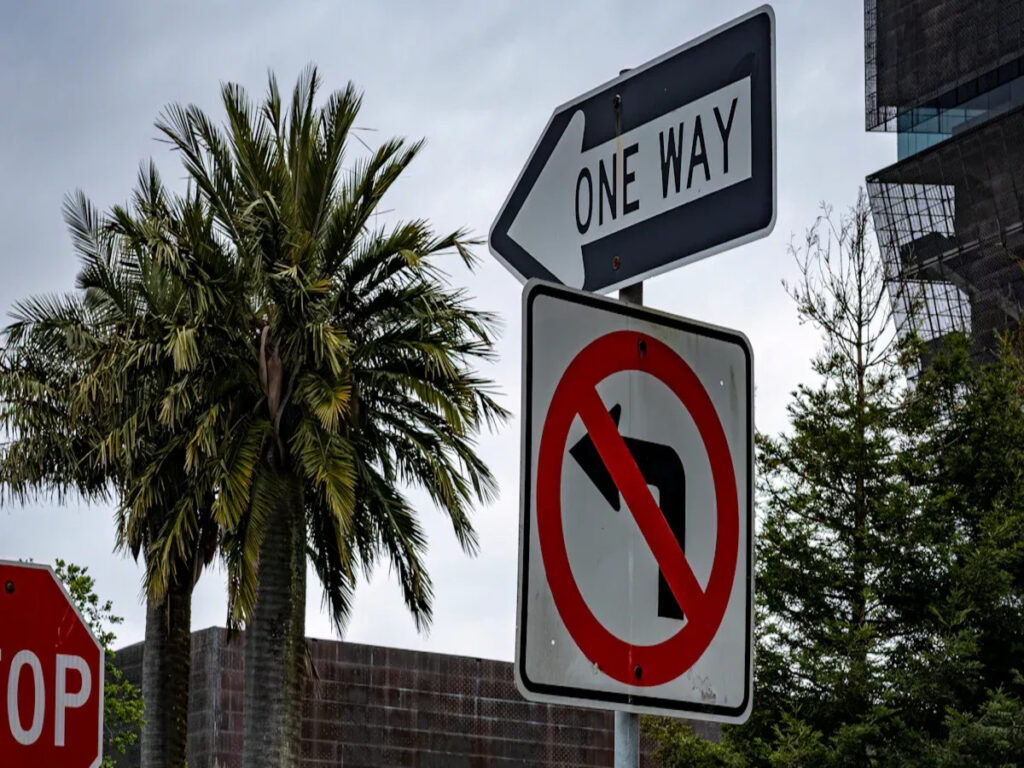
Wenn es um die Verkehrssicherheit geht, Verkehrszeichen sind für die Aufrechterhaltung der Sichtbarkeit von entscheidender Bedeutung, insbesondere bei schlechten Lichtverhältnissen oder schlechten Wetterbedingungen. Jedoch, im Laufe der Zeit, Reflektierende Folien können durch Witterungseinflüsse beschädigt werden, Deshalb ist es wichtig, die Langlebigkeit verschiedener Materialien zu verstehen. HÜFTE (Hochintensive Prismatik) Und Diamantqualität sind zwei gängige Arten von reflektierenden Folien, die für Verkehrsschilder verwendet werden. In diesem Blog, Wir vergleichen die Haltbarkeit im Freien HIP vs. Diamant -Klasse -Zeichen, Wir konzentrieren uns darauf, wie jedes Material der UV-Einstrahlung standhält, Salzsprühnebel, Klimaschwankungen, und mehr. Das Verständnis dieser Faktoren wird Ihnen bei der Auswahl des richtigen Materials helfen, Dadurch reduzieren Sie letztendlich Ihre Gesamtbetriebskosten (Gesamtbetriebskosten) durch Vermeidung vorzeitigen Ausbleichens, Delaminierung, und häufiges Austauschen.
Bei OPTRAFFIC, Wir wissen, wie wichtig es ist, das richtige Material auszuwählen Reflektierende Verkehrsschilder. Ganz gleich, ob Sie Diamond Grade für überlegene Haltbarkeit in rauen Klimazonen suchen oder eine kostengünstigere Lösung mit HIP-Folien benötigen, Unsere hochwertigen Verkehrsschilder sorgen für langfristige Sichtbarkeit und Leistung. Wir bieten MUTCD-konforme Verkehrsschilder, die UV-beständig sind, Küstenluft, und extremes Wetter, Dies hilft Ihnen, die langfristigen Wartungskosten zu minimieren und häufige Austauschvorgänge zu vermeiden.
Garantierte Lebensdauer von HIP vs. Diamant-Schilder nach Klimazone
Der garantiertes Leben Die Anzahl der Verkehrszeichen variiert je nach Klimazone denen sie ausgesetzt sind. Beide HÜFTE Und Diamantqualität Schilder sind auf eine lange Lebensdauer ausgelegt, Ihre Leistung variiert jedoch je nach Umgebungsfaktoren.
Wie sich das Klima auf reflektierende Folien auswirkt
- Diamantqualität Schilder übertreffen in der Regel die Leistung HÜFTE Schilder in raueren Umgebungen. Das liegt daran Diamantqualität Die Folie ist so konstruiert, dass sie extremen Bedingungen standhält, einschließlich hohe UV-Belastung, Feuchtigkeit, Und Temperaturschwankungen.
- In Küstenregionen, Diamantqualität ist resistenter gegen Salzsprühnebel Und ätzende Küstenluft die reflektierende Materialien mit der Zeit beschädigen können.
In Gebieten mit hohe Luftfeuchtigkeit oder häufiger Regen, Beide Materialien funktionieren gut, Aber Diamantqualität ist im Allgemeinen die bessere Wahl für eine längere Lebensdauer.
UV-Belastung und ihre Auswirkung auf die Schilderhelligkeit
UV -Strahlung ist ein Hauptfaktor für die Verringerung der Helligkeit und Wirksamkeit von Verkehrszeichen. Im Laufe der Zeit, Die Einwirkung von UV-Strahlen der Sonne kann dazu führen, dass Schilder ihr Retroreflexionsvermögen verlieren, Dies ist entscheidend für die Gewährleistung der Sichtbarkeit bei Nacht oder schlechten Lichtverhältnissen.
HIP vs. Diamantqualität: UV -Widerstand
- HÜFTE Die Schilder beginnen nach ca. 30 Minuten merklich zu verblassen 5-7 Jahre der Einwirkung von UV-Strahlen. Dies ist auf den Abbau der reflektierenden Mikroprismen im Laufe der Zeit zurückzuführen, was ihre Helligkeit verringert.
- Diamantqualität Schilder sind so konstruiert, dass sie UV-Strahlung widerstehen bis zu 12 Jahre, Sie behalten ihr Reflexionsvermögen viel länger bei und reduzieren den Bedarf an Ersatz deutlich. Das macht Diamantqualität im Laufe der Zeit eine kostengünstigere Wahl, insbesondere für Projekte mit langfristigem Sichtbarkeitsbedarf.
Küstenluft und Salznebel: Auswirkungen auf reflektierende Folien
Küstenumgebungen sind bekannt für ihre Salzsprühnebel Und Feuchtigkeit, was den Materialabbau beschleunigen kann. Für Verkehrsschilder in Meeresnähe, Es ist wichtig, eine reflektierende Folie zu wählen, die diesen rauen Bedingungen standhält.
Salzsprühbeständigkeit: HIP vs. Diamantqualität
- HÜFTE Zeichen, obwohl es in vielen Umgebungen effektiv ist, sind anfälliger für Salznebel, führt zu vorzeitiges Verblassen Und Delaminierung wenn es der Küstenluft ausgesetzt ist.
- Diamantqualität Die Schilder sind speziell dafür konzipiert, Salznebel und Feuchtigkeit zu widerstehen, um sicherzustellen, dass sie auch im Freien ihr Reflexionsvermögen beibehalten Küstengebiete. Ihre fortschrittliche Beschichtungstechnologie bietet einen verbesserten Schutz vor den korrosiven Auswirkungen der Küstenluft, Damit sind sie die bevorzugte Wahl für Verkehrsschilder in Meeresnähe.
Wartungspraktiken zur Verlängerung der Retroreflexion
Die Langlebigkeit von Verkehrsschildern hängt nicht nur vom Material ab; richtig Wartung kann dazu beitragen, die Lebensdauer zu verlängern HÜFTE Und Diamantqualität Blatt.
Grundlegende Wartungspraktiken für eine lange Lebensdauer
- Regelmäßige Reinigung: Schmutz, Trümmer, und Umweltverschmutzung kann die Sichtbarkeit eines Schildes beeinträchtigen. Regelmäßige Reinigung mit milder Seife und Wasser trägt zur Erhaltung des Reflexionsvermögens bei.
- Inspektion: Regelmäßige Kontrollen für Risse, Delaminierung, oder Anzeichen von UV -Schaden Stellen Sie sicher, dass etwaige Probleme frühzeitig erkannt werden, bevor sie die Schilderleistung beeinträchtigen.
- Richtige Lagerung: Wenn Verkehrszeichen nicht verwendet werden, Lagern Sie sie kühl, Eine trockene Umgebung trägt dazu bei, die Belastung durch Umweltstressoren zu verringern.
Während beides HÜFTE Und Diamantqualität kann von der Wartung profitieren, Diamantqualität Aufgrund seiner überlegenen Widerstandsfähigkeit gegenüber Umwelteinflüssen ist tendenziell weniger Pflege erforderlich.
Kernanliegen: Vorzeitiges Ausbleichen und Delaminierung
Zwei der häufigsten Probleme mit Verkehrsschildern sind: vorzeitiges Verblassen Und Delaminierung. Diese Probleme treten auf, wenn die reflektierende Schicht zu zerfallen beginnt, Dies führt zu einer schlechteren Sicht und einem häufigeren Austausch.
Verhindert vorzeitiges Ausbleichen und Delaminierung
- HÜFTE Zeichen sind anfälliger für vorzeitiges Verblassen Und Delaminierung, insbesondere in Gebieten mit extremer Sonneneinstrahlung, Salzsprühnebel, oder hohe Luftfeuchtigkeit.
- Diamantqualität Zeichen, aufgrund ihrer fortschrittliche Beschichtungen und überlegene reflektierende Technologie, widerstehen sowohl dem Ausbleichen als auch der Delaminierung, Bietet eine längere Lebensdauer und erfordert weniger Austausch.
Durch Wahl Diamantqualität, Sie können das Risiko dieser Probleme minimieren und die langfristigen Kosten senken, die mit dem häufigen Austausch von Schildern verbunden sind.
Typisches Beschaffungsverhalten: Lesen von Garantie-PDFs und Fallstudien zum Scannen
Bei der Beschaffung von Verkehrsschildern, Beschaffungsmanager oft rezensieren Garantien, Fallstudien, Und Referenzen um sicherzustellen, dass sie die beste Investition tätigen.
Best Practices für die Beschaffung
- Sehen Sie sich die Garantie-PDFs an: Lesen Sie die Garantiedokumente unbedingt sorgfältig durch, um die voraussichtliche Lebensdauer des Materials zu verstehen, insbesondere unter bestimmten Umgebungsbedingungen.
- Fallstudien scannen: Suchen Sie nach Beispielen aus der Praxis, wie das geht HÜFTE Und Diamantqualität Die Folie wurde in ähnlichen Umgebungen eingesetzt.
- Fragen Sie nach Referenzen: Sprechen Sie mit anderen Kommunen, Auftragnehmer, oder Lieferanten, die diese Produkte in Ihrer Nähe verwendet haben, um Feedback aus erster Hand zu erhalten.
Diese Schritte helfen Ihnen, eine fundierte Entscheidung bei der Auswahl der richtigen Verkehrszeichen für Ihre Bedürfnisse zu treffen.
FAQ: Häufige Fragen zu reflektierenden HIP- und Diamond-Schildern
1. Wie lange halten HIP- und Diamond-Schilder im Freien??
HIP-Zeichen bleiben normalerweise bestehen 5-7 Jahre abhängig vom Klima, während Schilder mit der Güteklasse „Diamond“ bis zu halten können 12 Jahre aufgrund ihrer überlegenen UV-Beständigkeit und Haltbarkeit.
2. Wie wirkt sich UV-Strahlung auf die Helligkeit von Verkehrsschildern aus??
UV-Strahlung führt dazu, dass HIP-Zeichen schneller verblassen, ungefähr anfangen 5-7 Jahre. Diamond Grade-Schilder behalten ihr Reflexionsvermögen für 12 Jahre oder länger, Dies macht sie zu einer besseren langfristigen Investition.
3. Beeinträchtigt Salznebel oder Küstenluft reflektierende Folien??
Ja, Salznebel und Küstenluft können reflektierende Folien beschädigen. Diamond Grade-Schilder sind besser gerüstet, um diesen Auswirkungen zu widerstehen, während HIP-Schilder in Küstenumgebungen anfälliger für Schäden sind.
4. Welche Wartung kann dazu beitragen, die Retroreflexion zu verlängern??
Regelmäßige Reinigung, regelmäßige Inspektion auf Schäden, und eine ordnungsgemäße Lagerung kann dazu beitragen, die Retroreflexion sowohl von HIP- als auch von Diamond-Schildern aufrechtzuerhalten.
5. Was sind die häufigsten Probleme mit der Reflektivität von Verkehrszeichen??
Die häufigsten Probleme sind vorzeitiges Ausbleichen und Delaminierung. Diamond Grade-Schilder sind im Vergleich zu HIP-Schildern weniger anfällig für diese Probleme, was einen häufigeren Austausch erforderlich machen kann.
Abschluss:
Die Langlebigkeit von Verkehrsschildern ist entscheidend für die Gewährleistung gleichbleibender Sichtbarkeit und Sicherheit auf den Straßen. Von Auswahl der richtigen reflektierenden Folie, Sie können nicht nur die Leistung der Schilder verbessern, sondern auch die langfristigen Wartungskosten senken. Während HIP-Folien in gemäßigten Klimazonen gut funktionieren können, Diamond Grade bietet überragende Haltbarkeit, insbesondere unter rauen Bedingungen wie Küstengebieten und Umgebungen mit hoher UV-Belastung.
Die Investition in Diamond Grade-Schilder bedeutet weniger Ersatz, reduzierte Gesamtbetriebskosten, und verbesserte Verkehrssicherheit. Für Beschaffungsmanager, die eine fundierte Entscheidung treffen möchten, Diamond Grade bietet die beste Langlebigkeit, bietet langfristigen Wert und Leistung.