Bei der Verwaltung von Bauprojekten, Für Bauunternehmer und Bauunternehmen ist es wichtig, die richtigen Sicherheitsstandards einzuhalten. “Im Bau” Zeichen Dabei handelt es sich nicht nur um einen Vorschlag, sondern in vielen Bereichen um eine gesetzliche Verpflichtung, um die Sicherheit von Arbeitern und Fahrern auf Baustellen zu gewährleisten. Während die MUTCD legt einen nationalen Standard für die Beschilderung von Straßenarbeiten fest, Jeder Staat kann zusätzliche Vorschriften haben, Daher ist es für Auftragnehmer von entscheidender Bedeutung, zu verstehen, ob “im Bau” Zeichen sind an ihrem jeweiligen Standort gesetzlich vorgeschrieben.
In diesem Blog, Wir werden untersuchen, ob “im Bau” Zeichen sind in den gesamten Vereinigten Staaten gesetzlich vorgeschrieben, wie unterschiedlich die Vorschriften von Staat zu Staat sind, und warum diese Zeichen für Sicherheit und Compliance von entscheidender Bedeutung sind.
Die Bedeutung von “Im Bau” Zeichen
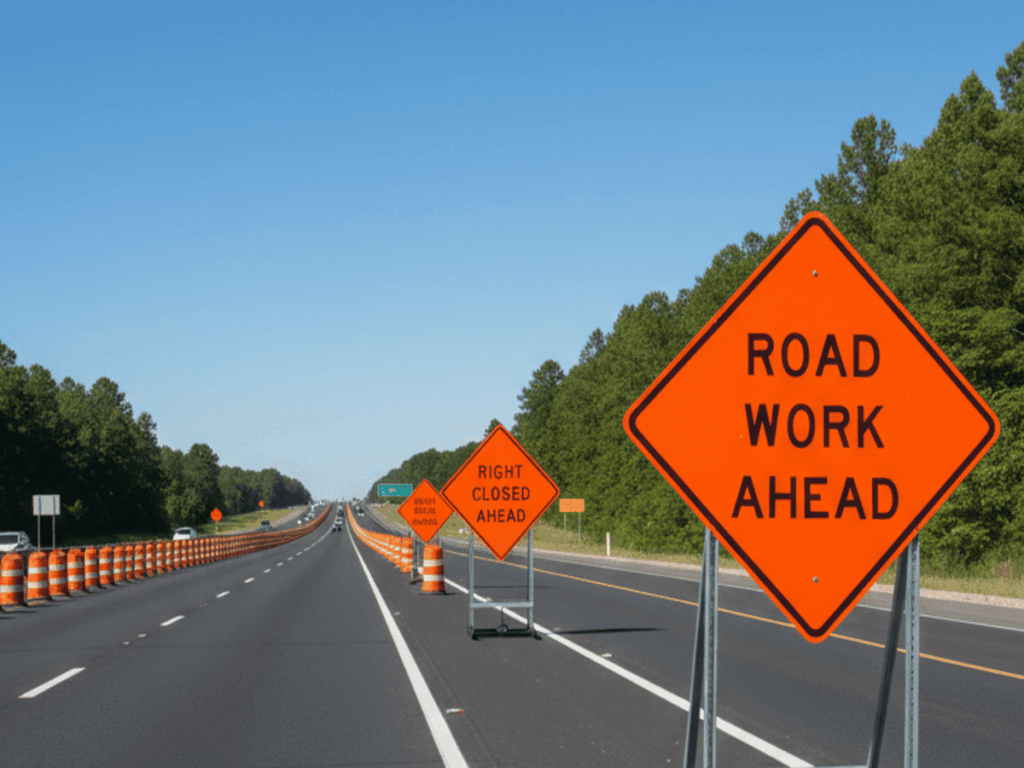
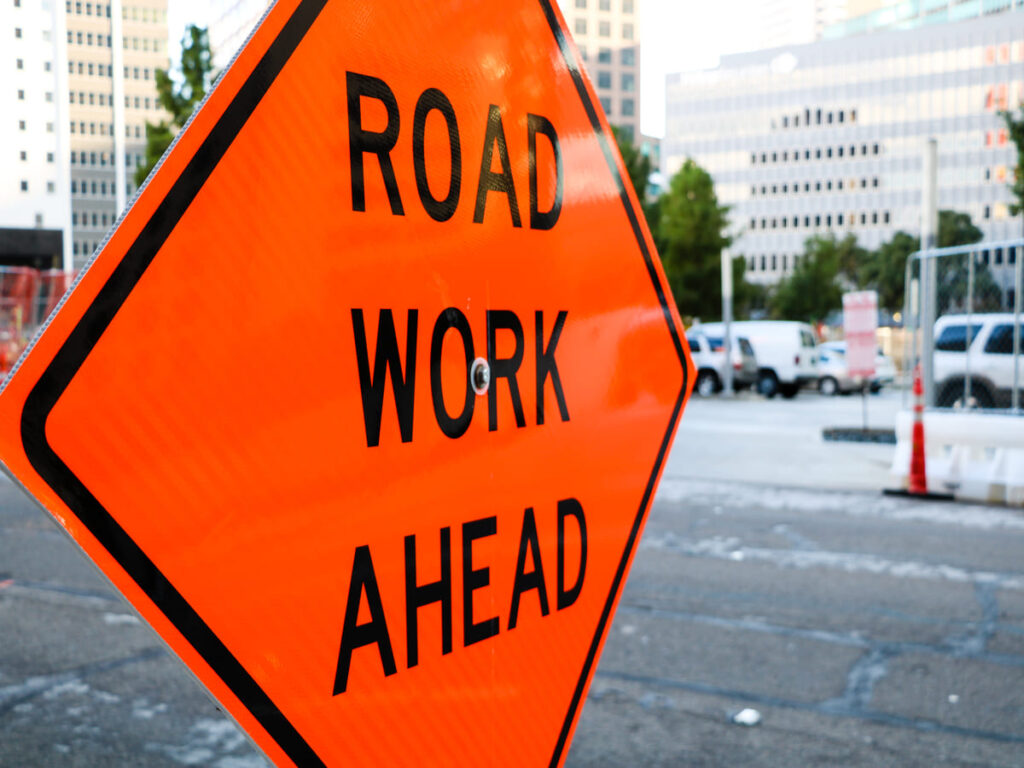
“Im Bau” Warnzeichen warnen Sie sowohl Autofahrer als auch Fußgänger, dass in der Nähe Bauarbeiten stattfinden. Diese Schilder tragen dazu bei, die Risiken in Arbeitsbereichen zu verringern, indem sie Autofahrer im Voraus darauf hinweisen. Dadurch können sie langsamer werden, Wechseln Sie die Fahrspuren, oder Umleitungsrouten folgen. Die rechtliche Notwendigkeit dieser Schilder ergibt sich aus Sicherheitsbedenken und der Notwendigkeit, die Verkehrskontrollvorschriften des Bundes und der Länder einzuhalten.
Die Nichtbeachtung dieser Zeichen kann zu Unfällen führen, Geldstrafen, oder rechtliche Konsequenzen für Auftragnehmer. Eine unzureichende Beschilderung kann zu Verkehrsunfällen oder Unfällen mit Beteiligung von Bauarbeitern führen. Auftragnehmer werden haftbar gemacht, wenn sie Schilder nicht ordnungsgemäß anbringen oder Vorschriften nicht einhalten.
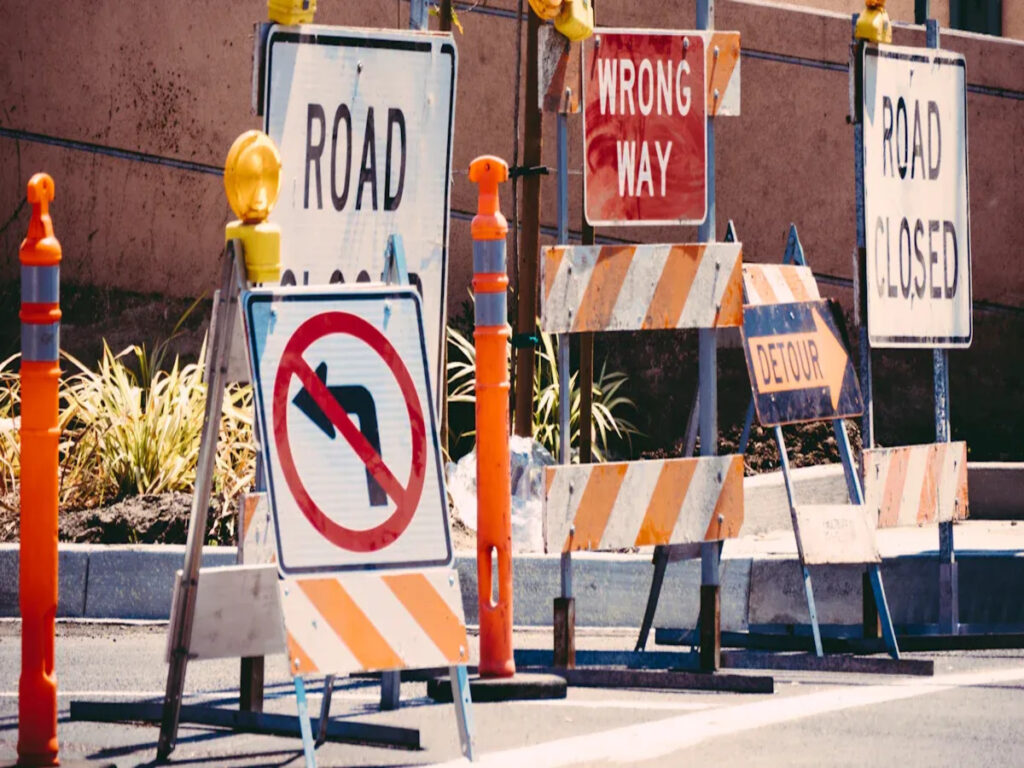
Jedoch, “im Bau” Zeichen sind nur ein Teil einer umfassenden Sicherheitsstrategie. Es gibt verschiedene weitere Warnschilder für Bauarbeiten, die Auftragnehmer anbringen sollten, um die Sicherheit auf der Baustelle weiter zu gewährleisten. Erfahren Sie mehr über diese wichtigen Sicherheitszeichen, Stöbern Sie in unserem Blog weiter Die verschiedenen Arten von Bauwarnschildern verstehen.
Sind “Im Bau” In jedem Staat gesetzlich vorgeschriebene Schilder?
Während die MUTCD einen nationalen Standard für Bauwarnschilder festlegt, Die Anforderungen können aufgrund landesspezifischer Vorschriften unterschiedlich sein. In allen Bundesländern, Es gelten die MUTCD-Richtlinien, Aber lokale Regierungen oder staatliche Behörden erlassen oft strengere oder zusätzliche Regeln.
Hier ist eine Aufschlüsselung, ob Anzeichen von Bauarbeiten sind in einigen Schlüsselstaaten gesetzlich vorgeschrieben:
Kalifornien
Ja, “im Bau” Zeichen sind in Kalifornien gesetzlich vorgeschrieben, und der Staat verfügt über zusätzliche Vorschriften, die über die MUTCD-Standards hinausgehen:
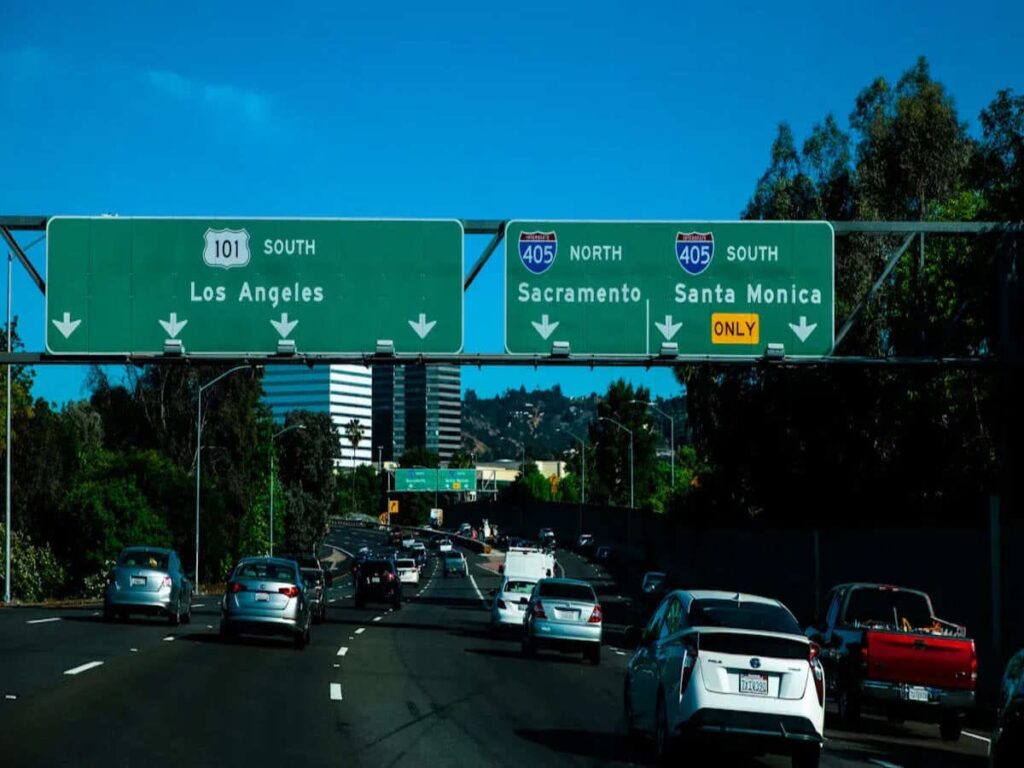
- Verkehrsministerium von Kalifornien (Caltrans) schreibt die Verwendung hochintensiver reflektierender Materialien für Schilder in städtischen Gebieten vor. In Gegenden wie Los Angeles, wo starker Verkehr und Nebel üblich sind, Gut sichtbare Schilder sind von entscheidender Bedeutung.
- Zusätzlich, Caltrans verlangt, dass Schilder frühzeitig und weit vor der Bauzone angebracht werden, insbesondere in Hochgeschwindigkeitszonen.
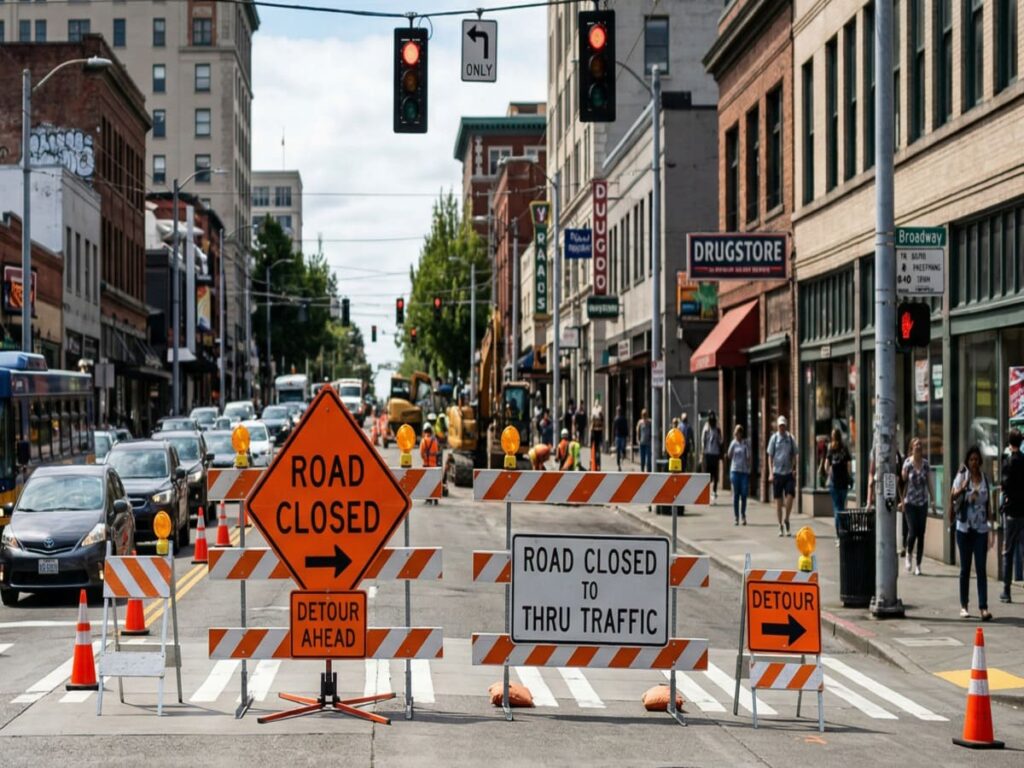
- Auch in städtischen Baugebieten ist die Sicherheit von Fußgängern ein Thema, Daher sind häufig Umleitungsschilder für Fußgänger erforderlich “im Bau” Schilder, wenn Gehwege gesperrt sind.
Contractors must strictly follow the California MUTCD supplement for all work zones. Caltrans inspectors reject flimsy roll-up signs on busy highways. State law penalizes non-compliant site foremen with heavy fines. Optraffic manufactures rigid aluminum construction signs for our industry partners. These durable custom road signs survive heavy coastal winds easily.
New York
Ja, “im Bau” Zeichen sind in New York gesetzlich vorgeschrieben, Sie müssen jedoch den spezifischen Anforderungen der Stadt an städtische Arbeitszonen entsprechen:
- New York City erzwingt zusätzliche Vorschriften zu Schildergröße und -platzierung, um maximale Sichtbarkeit in dicht besiedelten Gebieten zu gewährleisten. Die Stadt verlangt größere “im Bau” Zeichen im Vergleich zu den MUTCD-Mindestwerten, um eine klare Kommunikation in überfüllten Straßen zu gewährleisten.
- Wenn Bauarbeiten Auswirkungen auf öffentliche Räume wie Fußgängerwege haben, Zur Sicherheit der Fußgänger ist eine zusätzliche Beschilderung erforderlich.
- Die New Yorker Vorschriften verlangen, dass Auftragnehmer Verkehrsmanagementpläne beim NYC Department of Transportation einreichen (NYCDOT) zur Überprüfung vor Beginn von Projekten, die sich auf öffentliche Bereiche auswirken.
Texas
Ja, “im Bau” Zeichen sind in Texas gesetzlich vorgeschrieben, allerdings mit besonderen Bestimmungen für ländliche Gebiete:
- In ländlichen Gebieten mit Hochgeschwindigkeitsstraßen, Txdot (Texas Department of Transportation) schreibt die Platzierung vor “im Bau” Im Vergleich zu den MUTCD-Richtlinien liegen die Schilder viel weiter vor den Bauzonen.
- Reflektierende Materialien müssen für die Nachtsichtbarkeit eine hohe Intensität aufweisen, insbesondere auf Autobahnen wie der Interstate 10 und USA. Route 281, wo Geschwindigkeiten erreichen können 70 mph oder mehr.
- Auf Autobahnen und Landstraßen, Schilder müssen außerdem den texanischen Größenanforderungen entsprechen, die größer sein kann als die MUTCD-Mindestwerte, Gewährleistung einer ausreichenden Sichtbarkeit.
Florida
Ja, “im Bau” Zeichen sind in Florida gesetzlich vorgeschrieben, und der Staat erzwingt zusätzliche Vorgaben:
- Das Verkehrsministerium von Florida (FDOT) hält sich an die MUTCD-Richtlinien, fügt jedoch einige weitere Anforderungen für Bauzonen in stark frequentierten Gebieten wie Miami oder Orlando hinzu.
- In Baustellen auf Autobahnen, Erteilung von Mandaten in Florida “im Bau” Zeichen zumindest 1,000 Füße vor der Arbeitszone, Überschreitung der MUTCD-Anforderung.
- In Gebieten, die von Regenwetter betroffen sind, häufig in Florida, Schilder müssen aus Materialien bestehen, die feuchtigkeitsbeständig sind und auch bei starkem Regen sichtbar bleiben.
Pennsylvania
Ja, “im Bau” Zeichen sind in Pennsylvania gesetzlich vorgeschrieben, In städtischen Gebieten gelten jedoch örtliche Vorschriften:
- PennDOT (Verkehrsministerium von Pennsylvania) folgt MUTCD, erfordert jedoch größere Schilder in Städten wie Philadelphia oder Pittsburgh, wo Bauzonen häufig den dichten Verkehr und die Fußgängerwege beeinträchtigen.
- Pennsylvania verlangt außerdem eine begleitende Umleitungsbeschilderung für Fußgänger “im Bau” Schilder, wenn der Arbeitsbereich Gehwege oder Fußgängerüberwege betrifft.
- Im Winter, wenn Schnee und rutschige Straßenverhältnisse an der Tagesordnung sind, In Pennsylvania gelten strengere Regeln für das Reflexionsvermögen, um sicherzustellen, dass Schilder auch bei schlechten Lichtverhältnissen oder Nebel sichtbar sind.
Haben Kommunalverwaltungen zusätzliche Vorschriften für? “Im Bau” Zeichen?
Ja, Kommunalverwaltungen können ihre eigenen Beschilderungsvorschriften über den Staat hinaus erlassen MUTCD Anforderungen. Viele Städte, insbesondere solche mit hoher Verkehrsdichte oder häufigen Bautätigkeiten, Es gibt zusätzliche Regeln, um die Sicherheit und Sichtbarkeit von Baustellen zu gewährleisten.
Zum Beispiel:
- In Los Angeles ist möglicherweise eine spezielle Beschilderung für Straßensperrungen oder Umleitungen in städtischen Gebieten erforderlich, um sowohl Autofahrer als auch Fußgänger effektiv zu leiten.
- In Städten wie Chicago oder New York, Zusätzliche Vorschriften könnten die Größe von Schildern betreffen, Verwendung von Leuchtschildern in bestimmten Bezirken, und höheres Reflexionsvermögen für Sichtbarkeit bei Nacht.
- Lokale Verordnungen können auch die Platzierung von festlegen “im Bau” Erstellen Sie Schilder in Bezug auf die Bauzone und ermitteln Sie, ob in Bereichen mit hohem Fußgängeraufkommen zusätzliche Beschilderungen erforderlich sind.
So stellen Sie die Einhaltung sowohl der MUTCD- als auch der lokalen/staatlichen Standards sicher
Informieren Sie sich vor Projektbeginn über lokale und staatliche Gesetze
Vor Beginn eines Bauvorhabens, Auftragnehmer sollten:
- Konsultieren Sie lokale und staatliche Behörden: Wenden Sie sich an das örtliche Verkehrsministerium (PUNKT) oder kommunale Verkehrsämter, um die spezifischen Vorschriften zu überprüfen Straßenschild im Baus in der Gegend.
- Überprüfen Sie die staatlichen Vorschriften: Auftragnehmer sollten prüfen, ob der Staat über zusätzliche Regeln verfügt, die über die MUTCD-Standards hinausgehen, insbesondere wenn das Projekt in einem stark befahrenen städtischen Gebiet oder einer Landstraße liegt.
Integration von MUTCD in staatliche und lokale Richtlinien
Um die Einhaltung sicherzustellen:
- Koordinieren Sie sich mit lokalen Agenturen: Stellen Sie sicher, dass alle “im Bau” Die Schilder werden vor Beginn der Arbeiten von den zuständigen örtlichen Behörden genehmigt. Einige örtliche Gerichtsbarkeiten erfordern möglicherweise zusätzliche Genehmigungen oder Beschilderungspläne.
- Behalten Sie die Konsistenz der Beschilderung bei: Stellen Sie sicher, dass alle Straßenschild im Baus werden im gesamten Projekt einheitlich platziert, Einhaltung sowohl der MUTCD- als auch der lokalen/staatlichen Standards.
Folgen der Nichtbenutzung des Warnbereichs “Im Bau” Zeichen
Rechtliche Strafen und Geldstrafen
Nichteinhaltung staatlicher oder lokaler Vorschriften für Anzeichen von Bauarbeiten kann dazu führen:
- Geldstrafen: Auftragnehmer können mit Geldstrafen rechnen, wenn sie MUTCD oder landesspezifische Anforderungen an die Beschilderungsgröße nicht erfüllen, Reflexionsvermögen, oder Platzierung.
- Haftung: Auftragnehmer können auch für Unfälle haftbar gemacht werden, die durch unzureichende Beschilderung verursacht werden. Wenn ein Fahrer oder Fußgänger durch unsachgemäße oder fehlende Beschilderung verletzt wird, Auftragnehmer könnten mit rechtlichen Ansprüchen rechnen.
Improper signage exposes your company to severe tort liability during work zone crashes. Insurance providers deny coverage if site foremen ignore OSHA 1926.200 Vorschriften. Daily fines for missing traffic control devices destroy project budgets quickly. Optraffic delivers fully compliant rigid construction signs. Industry partners eliminate these financial risks by choosing our professional-grade safety equipment.
Sicherheitsrisiken durch inkonsistente Beschilderungskonformität
Die Sicherheit von Arbeitern und Fahrern hängt von der Sichtbarkeit der Bauschilder ab:
- Verwirrung beim Fahrer: Inkonsistente oder schlecht platzierte Schilder können Autofahrer verwirren, Dies führt zu verpassten Umleitungen oder plötzlichen Spurwechseln.
- Erhöhte Unfälle: Mangelnde Beschilderung erhöht das Unfallrisiko erheblich, insbesondere in Hochgeschwindigkeitszonen oder Bereichen mit schlechter Sicht.
Abschluss
Zusammenfassend, “im Bau” In den Vereinigten Staaten sind Schilder gesetzlich vorgeschrieben, und die Einhaltung sowohl der MUTCD als auch der staatlichen/lokalen Vorschriften ist für die Gewährleistung der Sicherheit in Bauzonen von entscheidender Bedeutung. Während die MUTCD Bundesrichtlinien bereitstellt, Jeder Staat und jede lokale Gerichtsbarkeit kann zusätzliche Regeln vorschreiben. Auftragnehmer müssen diese Vorschriften verstehen und eng mit den örtlichen Behörden zusammenarbeiten, um sicherzustellen, dass ihre Bauschilder allen gesetzlichen Standards entsprechen. Durch die Einhaltung dieser Anforderungen, Auftragnehmer können rechtliche Komplikationen vermeiden, Unfälle reduzieren, und sicherere Bauumgebungen für Arbeiter und Fahrer schaffen.
Bei OPTRAFFIC, Wir bieten hochwertige, konform Lösungen für die Baubeschilderung Entwickelt, um sowohl MUTCD- als auch lokale Vorschriften zu erfüllen. Unser Sortiment an langlebigen, reflektierend, und gut sichtbare Schilder sorgen für die Sicherheit und Effizienz Ihres Bauvorhabens. Kontaktieren Sie uns noch heute, um mehr darüber zu erfahren, wie wir Ihr Projekt mit zuverlässiger und rechtskonformer Beschilderung unterstützen können.
FAQ
Sind “im Bau” Zeichen, die in jedem Staat gesetzlich vorgeschrieben sind?
Ja, Vorsichtsbereich “im Bau” Schilder sind in jedem Bundesstaat gesetzlich vorgeschrieben. Jedoch, Jeder Staat kann zusätzliche Vorschriften haben, die über die MUTCD-Standards hinausgehen.
Wie kann ich sicherstellen, dass meine Bauwarnschilder den örtlichen Vorschriften entsprechen??
Auftragnehmer sollten sich vor Beginn des Projekts mit den örtlichen Behörden beraten und sowohl die MUTCD- als auch die landesspezifischen Richtlinien prüfen, um die Einhaltung sicherzustellen.
Was passiert, wenn ich die staatlichen oder örtlichen Bauvorschriften nicht einhalte??
Bei Nichtbeachtung können Bußgelder verhängt werden, Strafen, und Haftung für Unfälle, die durch unzureichende oder falsch angebrachte Beschilderung verursacht werden.