
Home

>

Boxed Edge Sign Bipod Leg

>

Boxed Edge Sign Bi-pod Leg

Boxed Edge Sign Bi-pod Leg

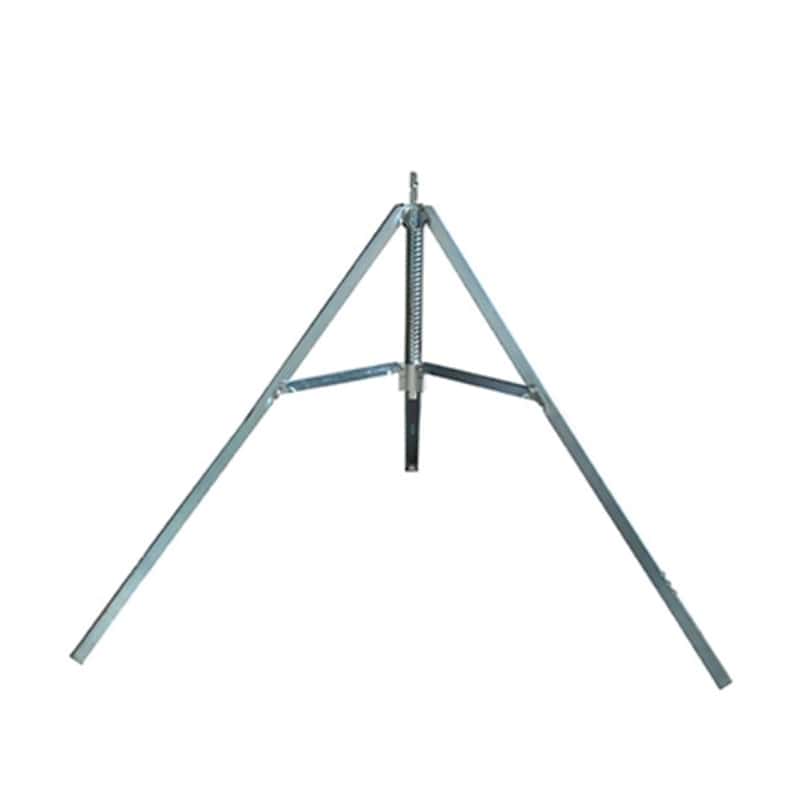
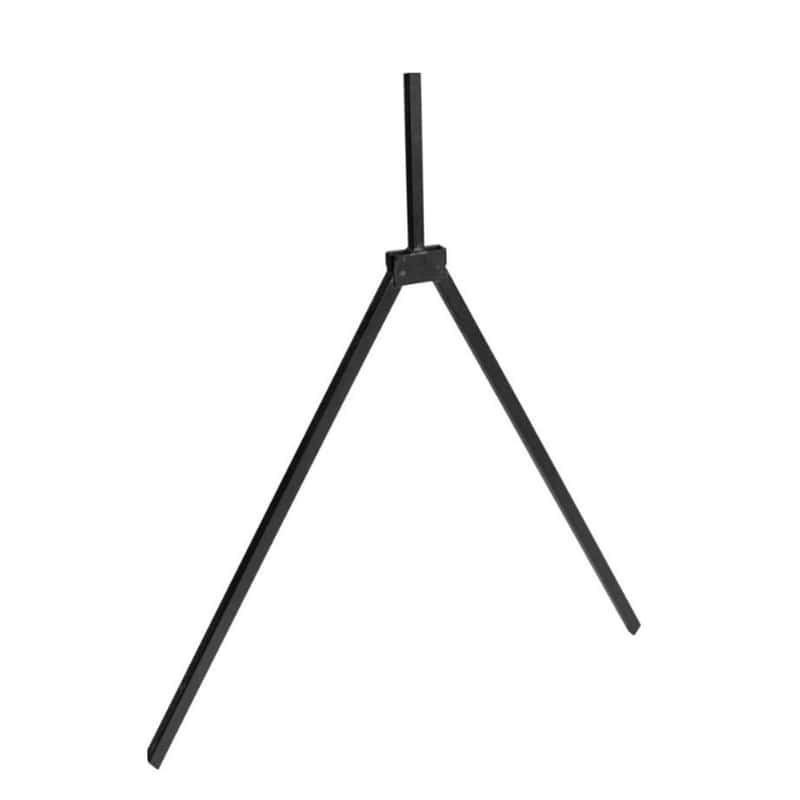
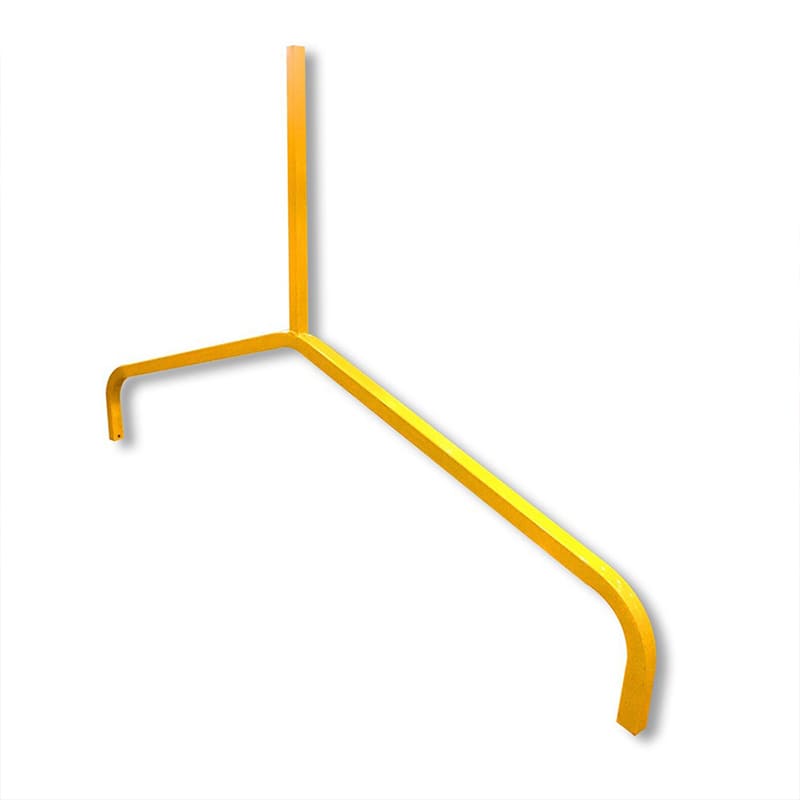
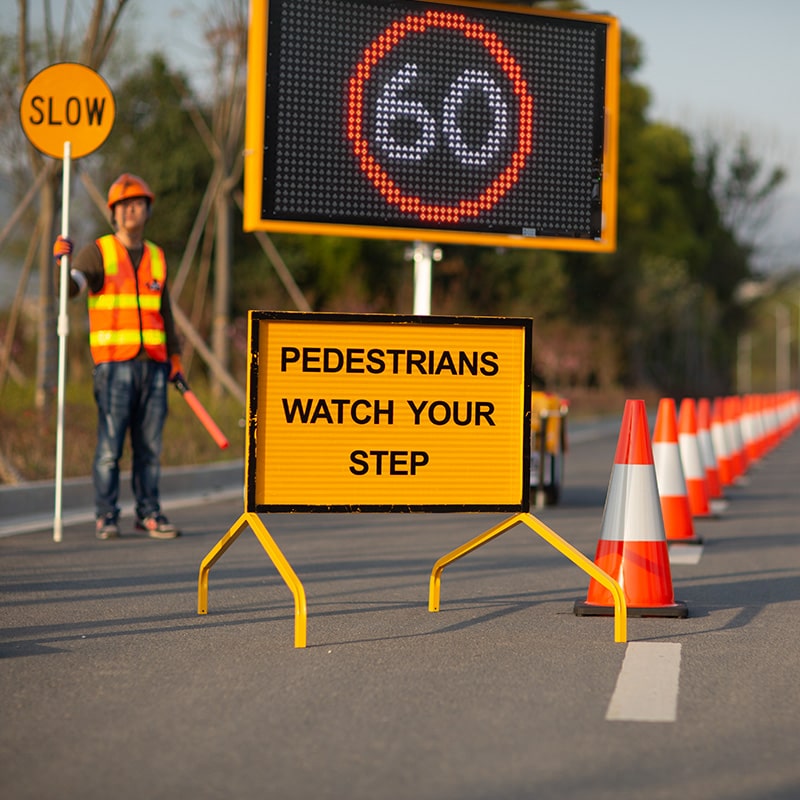
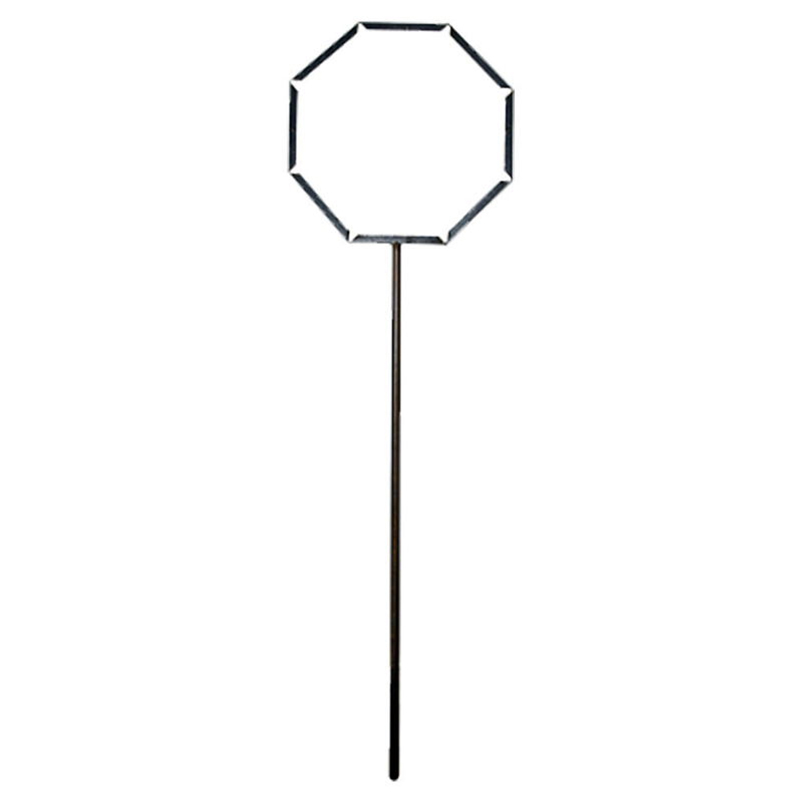
OPTsigns Bipod Legs are removable bipod steel legs specifically designed for boxed edge signs, providing a stable and reliable structure for temporary safety signs. These boxed edge sign legs effectively manage traffic and alert motorists to critical situations such as roadworks, roadway closures, speed reductions, and other hazardous road conditions. With their robust design, they ensure safety and visibility in various environments.

Highlights

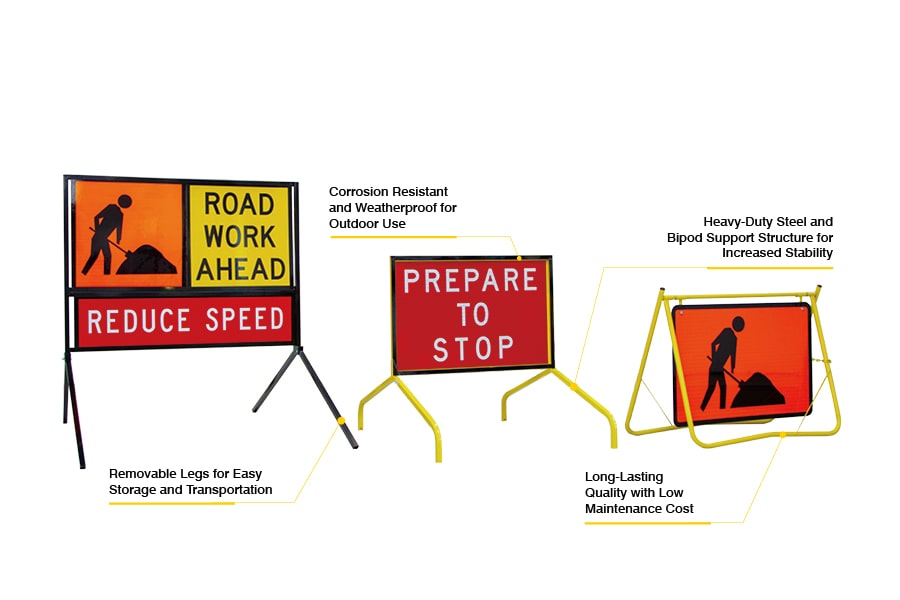
Heavy-Duty Steel and Bipod Support Structure for Increased Stability
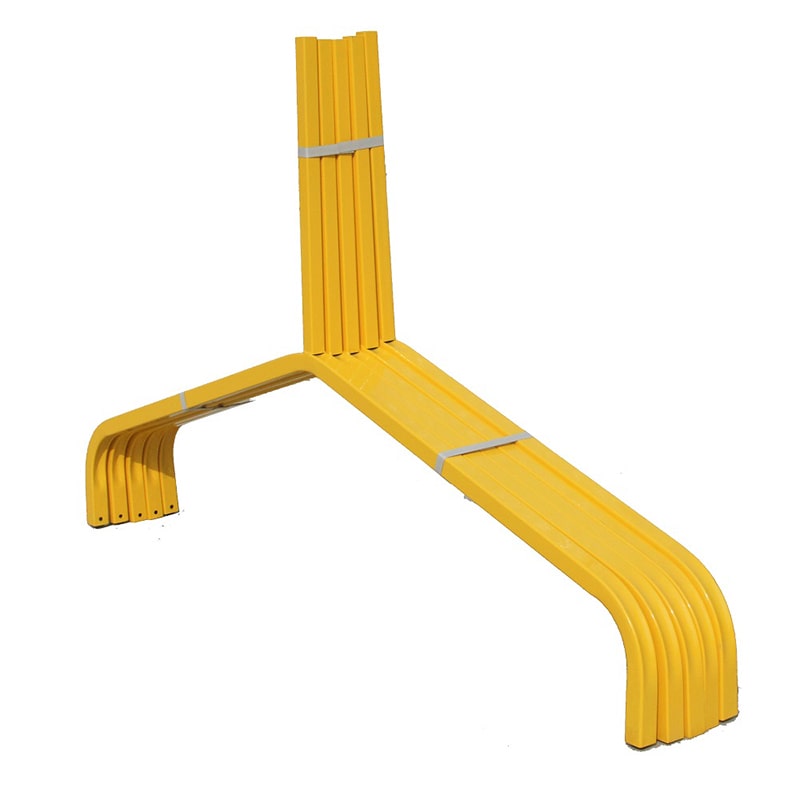
Removable Legs for Easy Storage and Transportation
Corrosion Resistant and Weatherproof for Outdoor Use
Long-Lasting Quality with Low Maintenance Cost
SKU:
2-BESL-01

Product Features

OPTSIGNS | Boxed Edge Sign Bi-pod Leg

OPTsigns Bipod Legs are expertly crafted to enhance the stability of boxed edge signs, ensuring a reliable structure for temporary signs. Featuring a heavy-duty steel and bent-leg frame, these removable bipod legs provide the ultimate support for temporary safety signs, effectively managing traffic and warning motorists of critical situations such as roadworks, roadway closures, and speed reductions. Their design allows for easy storage and transportation, making them ideal for various applications, including temporary construction sign stands.

These boxed edge sign legs are corrosion resistant and weatherproof, making them suitable for outdoor use in all conditions. Their long-lasting quality minimizes maintenance costs, allowing for peace of mind in any environment. With the temporary sign stands-bent leg, traffic control sign stands will remain stable and visible, enhancing safety on the road. Whether for portable traffic sign stands or traffic safety sign stands, OPTsigns provides an exceptional solution to ensure your signs stand strong against the elements.

Get in Touch

Leave a message with your questions and our consultants will reply within 24 hours.

*We respect your confidentiality and all information are protected.

Product Specifications

Size 1210*742mm, Customizable
Weight 1.5kgs
Material 20*20mm/25*25mm Steel
Finish Yellow Powder Coating
Customize Size and Shape

How to Use

To use a Boxed Edge Sign Bi-pod Leg, first attach it to the bottom edge of the sign by securing it with bolts or clips, ensuring stability. Position the boxed edge sign legs to create a stable, wide base. Adjust the legs as needed for uneven surfaces. To prevent tipping, ensure the legs form an angle wide enough for stability, especially in windy conditions. Place the sign in the desired location, checking that it’s firmly set. When finished, disassemble by folding or detaching the bipod legs, making transport and storage easier.

OPTSIGNS | Boxed Edge Sign Bi-pod Leg

Frequently Asked Questions

What is a type 1 barricade?

A Type 1 barricade is a traffic control device used to warn or direct traffic in temporary work zones, road closures, or construction areas. It features a single reflective panel (usually orange or white) mounted on a lightweight frame. Type 1 barricades are designed for low to moderate traffic areas and are often used for shorter-term applications.

What are the 3 types of warning barricades?

Type I Barricade

Design: A lightweight, foldable barricade with one reflective panel, suitable for low-traffic areas.

Application: Often used in urban or short-term construction zones.


Type II Barricade

Design: A larger, more robust barricade with two reflective panels, providing greater visibility.

Application: Commonly used for moderate traffic control in construction sites and road work.


Type III Barricade

Design: The largest barricade, typically with three reflective panels, providing maximum visibility.

Application: Used in high-traffic areas or hazardous zones where maximum warning is needed.

What is the OSHA standard for barricade?

The Occupational Safety and Health Administration (OSHA) sets standards for barricades used in construction and industrial settings to ensure worker safety. OSHA standards for barricades are outlined in 29 CFR 1926.200 and state that:


Barricades must be visible and clearly mark hazards to prevent accidents or unauthorized access.

The barricade must have high-visibility materials, such as reflective sheeting, and be designed to withstand environmental conditions.

Barricades must be stable enough to remain upright and prevent injury if struck by vehicles or equipment.

OSHA regulations require that warning barricades are properly maintained and positioned to protect both workers and the public.

Can Type I barricades withstand windy conditions?

While stable under normal conditions, sandbags or weights can be added for extra stability in windy environments.

Related Products