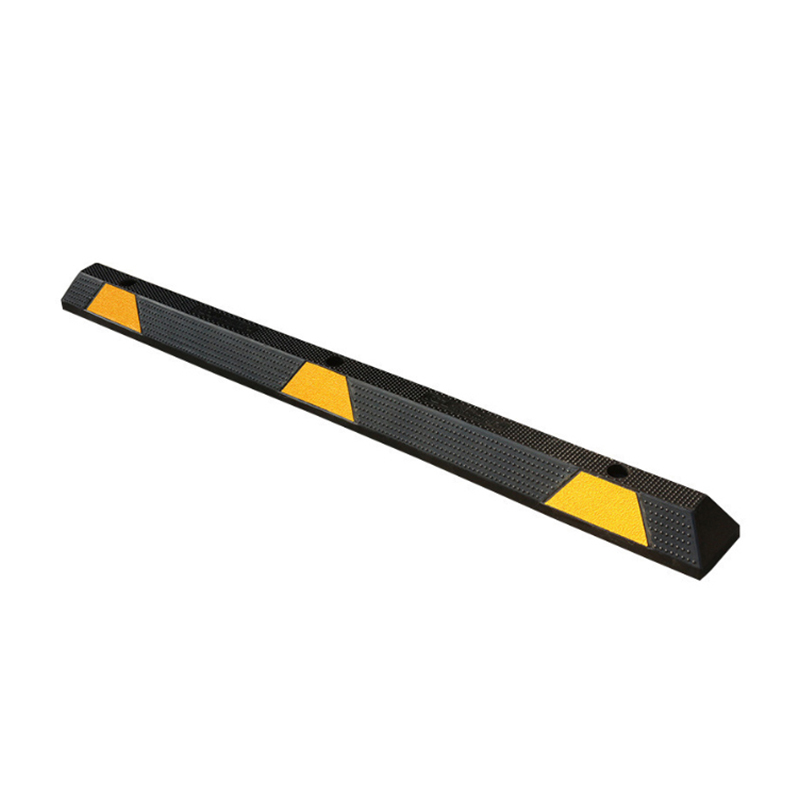
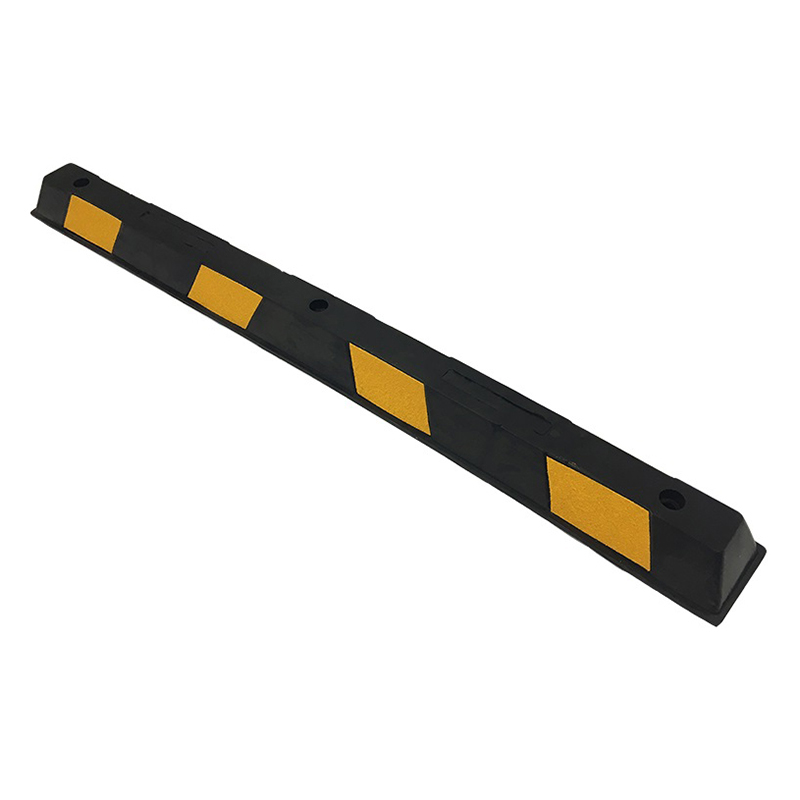
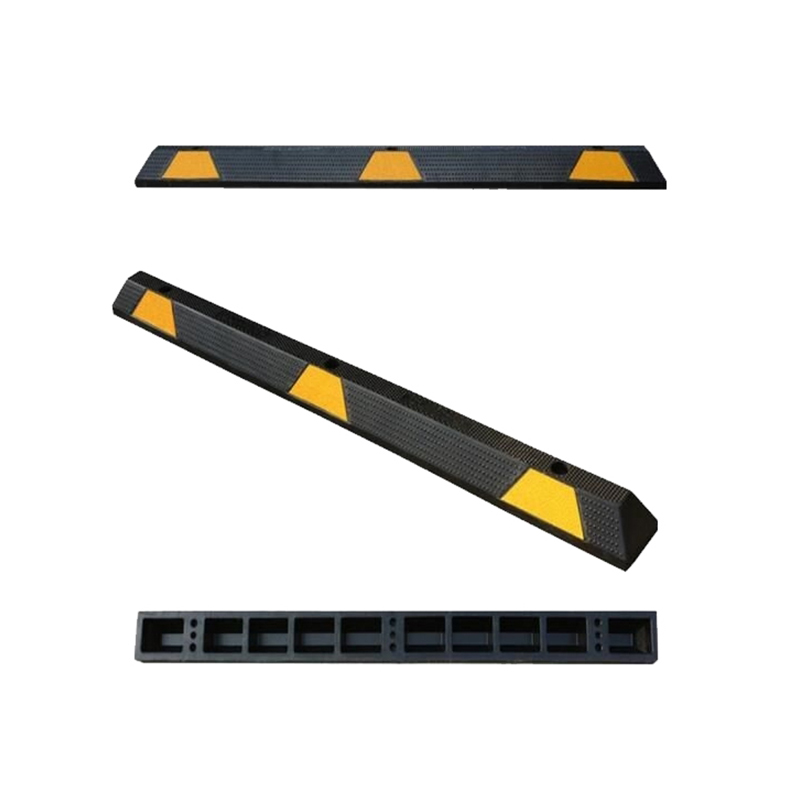
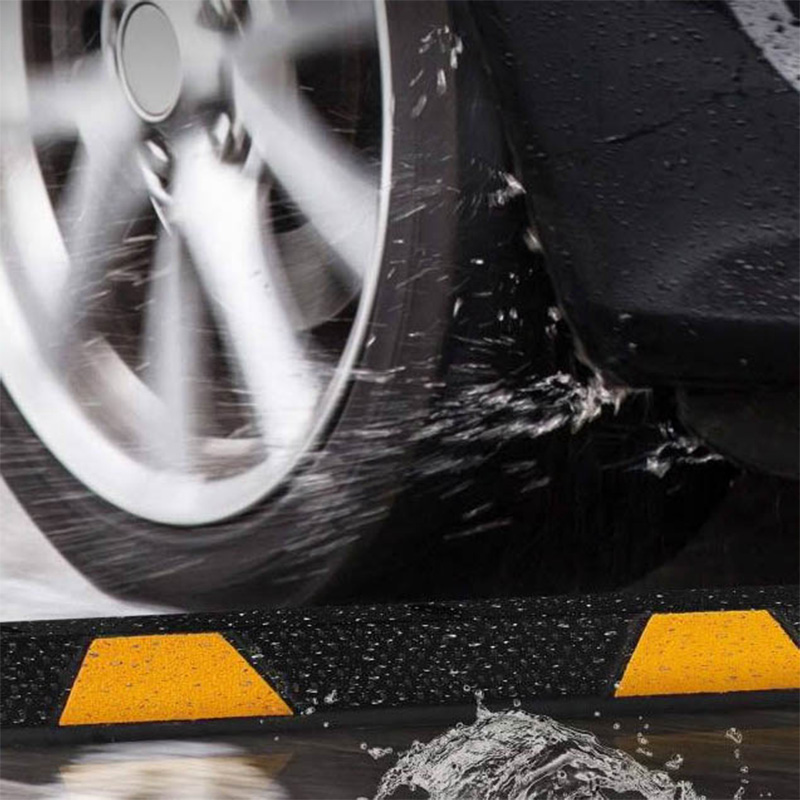
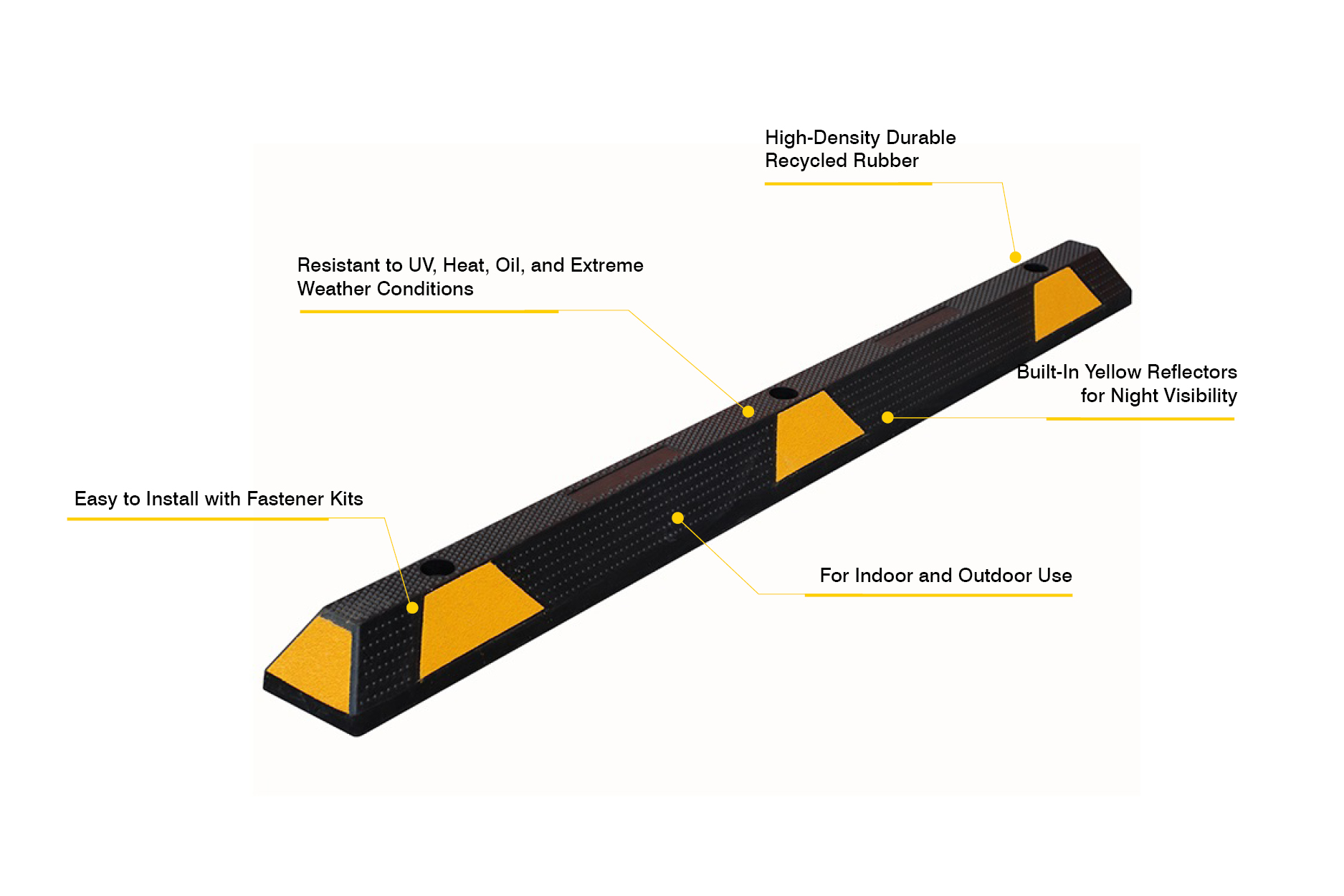
Optsigns Rubber Wheel Stop is the ideal parking solution for any environment. Designed for easy installation on both asphalt and concrete surfaces, these durable wheel stops effectively protect walls, buildings, sidewalks, and curbs from potential damage. Perfect for a variety of settings, including parking lots, garages, warehouses, factories, and other parking areas, our Rubber Wheel Stop ensures safe and efficient vehicle parking while preventing costly repairs.
*We respect your confidentiality and all information are protected.
| Size | 1650*150*100mm |
|---|---|
| Weight | 12kgs |
| Material | Rubber with Smooth Surface |
| Reflector | 6 Yellow Reflective Strips (Double-Sided) |
Using Optsigns car wheel stop is straightforward and efficient. Begin by selecting a suitable location in your parking area, ensuring it aligns with the desired parking space. Next, position the car wheel stop securely against the curb or wall, making sure it is level and stable. For optimal results, fasten the car wheel stop to the asphalt or concrete surface using appropriate anchors or bolts. This will prevent movement and provide reliable protection for your parking area. Once installed, the car wheel stop will effectively guide vehicles into proper parking positions, safeguarding surrounding structures and minimizing potential damage.
It typically indicates a cautionary message, signaling potential hazards. In various contexts, such as marine or outdoor activities, it may denote moderate risk conditions, prompting individuals to exercise caution. For instance, in meteorology, an orange flag can signify increased danger from weather events, like storms or high winds. In the context of flagging, an Orange bunting Flag is crucial for ensuring safety, especially in areas like construction sites or beaches, where conditions can change rapidly.
Warning line flags are used to signal specific conditions. A Red warning flag indicates immediate danger, while an Orange Warning Flag often signals caution or construction. Bicycle safety flags are used for visibility on roads, and reflective flags enhance safety at night. These warning buntings or pennant lines may appear near hazards or road work to alert passersby and vehicles.
Warning flags are visual markers, often used in construction or hazardous areas, to signal potential dangers. They can include orange warning flags, red warning flags, or reflective flags and are often part of a flag line setup to enhance visibility and safety in work zones.
A caution flag is typically a yellow flag used to warn of potential hazards ahead. In traffic management or construction, it can be part of a flagging system or pennant flag string, alerting people to proceed with care.
A red warning flag or red flag warning indicates extreme fire danger due to weather conditions. In safety contexts, flags on line or bunting flags may also be used to mark high-risk areas where extra caution is required.
Yes. Our safety bunting is built to withstand outdoor elements such as sun, wind, and rain, making it a reliable choice for both short-term and long-term use.
Each roll of safety bunting comes in a standard length, typically ranging from 50 to 100 feet, allowing coverage of large areas. You can easily cut and adjust the bunting to suit specific site requirements.