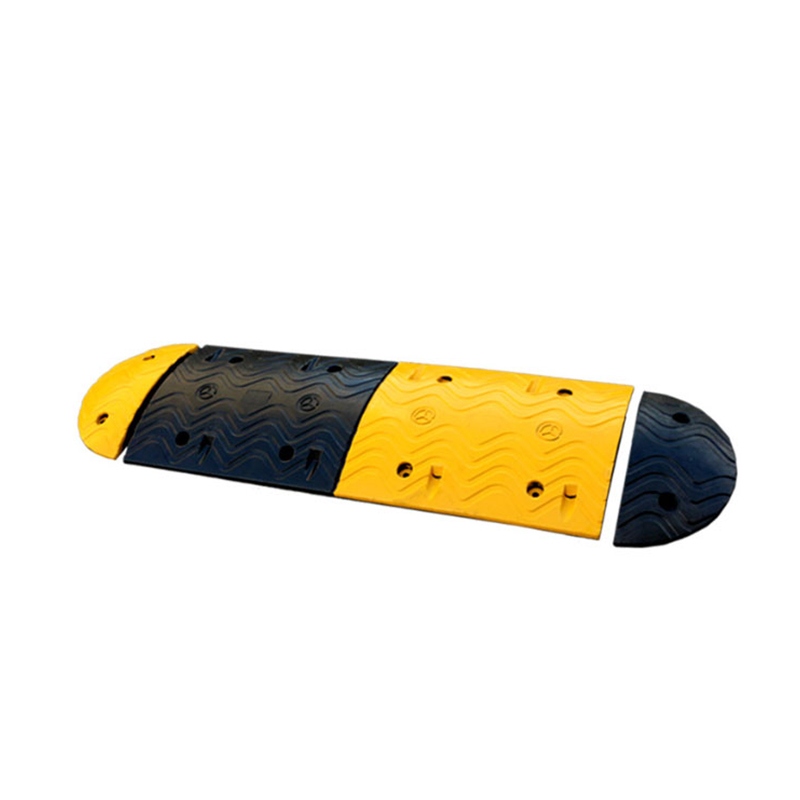
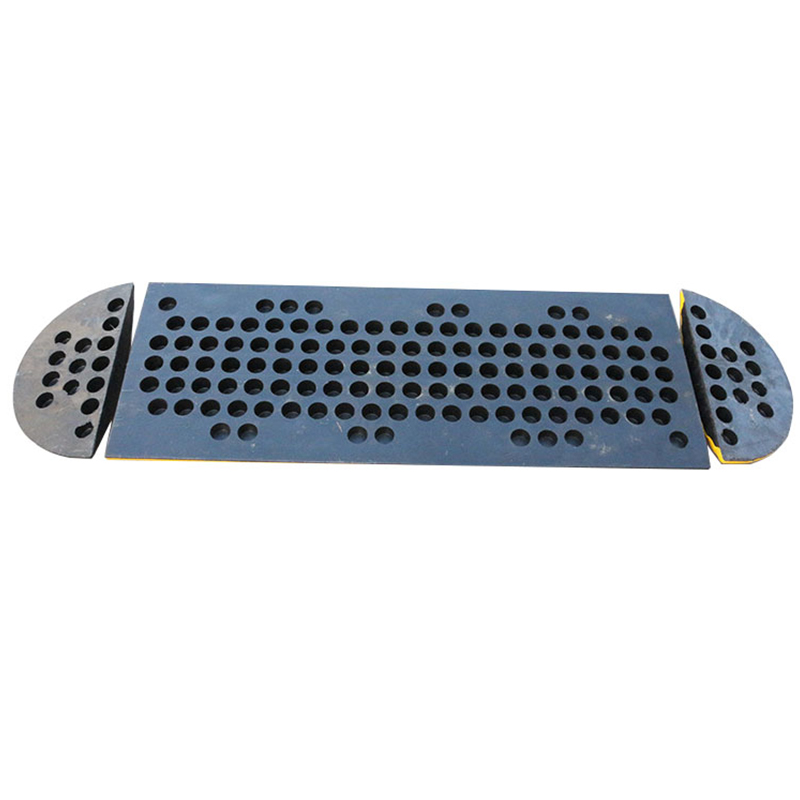
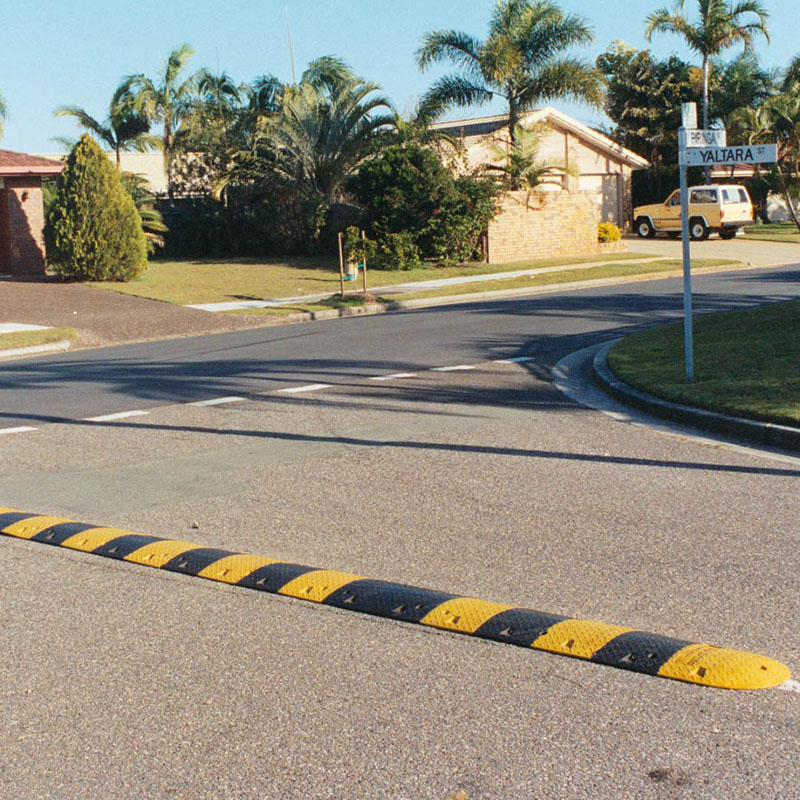
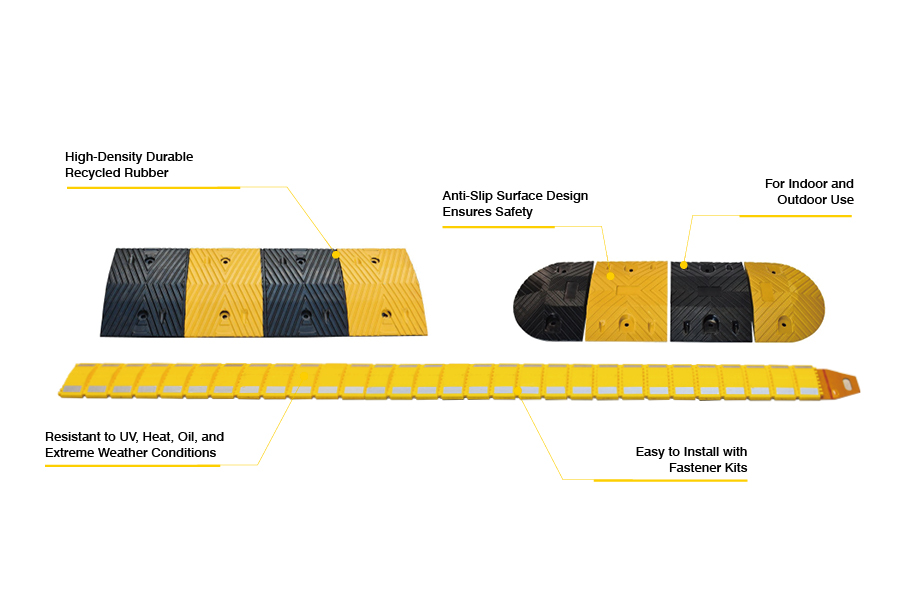
Optsigns speed bump is crafted from high-density recycled rubber, ensuring exceptional durability and resistance to UV rays, heat, oil, and extreme weather conditions. This makes speed bump an ideal choice for maintaining safety and controlling traffic speed in various environments. Whether you need to slow down vehicles in parking lots, school zones, commercial areas, residential neighborhoods, or industrial facilities, our speed bump provides an effective solution. Its robust design not only enhances safety but also contributes to environmental sustainability through the use of recycled materials.
*We respect your confidentiality and all information are protected.
| Size | 1000*380*50mm (Middle, 18kgs), 190*380*50mm (End, 2kgs) |
|---|---|
| Material | Recycled Rubber |
| Colour | Yellow and Black |
| Surface | Anti-Slip Design |
| Load Capacity | 15t |
| Customize | Custom Size and Weight |
Using Optsigns road hump is straightforward. Begin by selecting a suitable location where traffic speed needs to be reduced, such as a parking lot or school zone. Ensure the area is clear of obstacles before installation. Position the road hump parallel to the roadway and secure it firmly in place, following the manufacturer’s guidelines. The road hump should be visible to drivers, so consider adding signage if necessary. Once installed, the road hump will effectively slow down traffic, promoting safety for pedestrians and drivers alike.
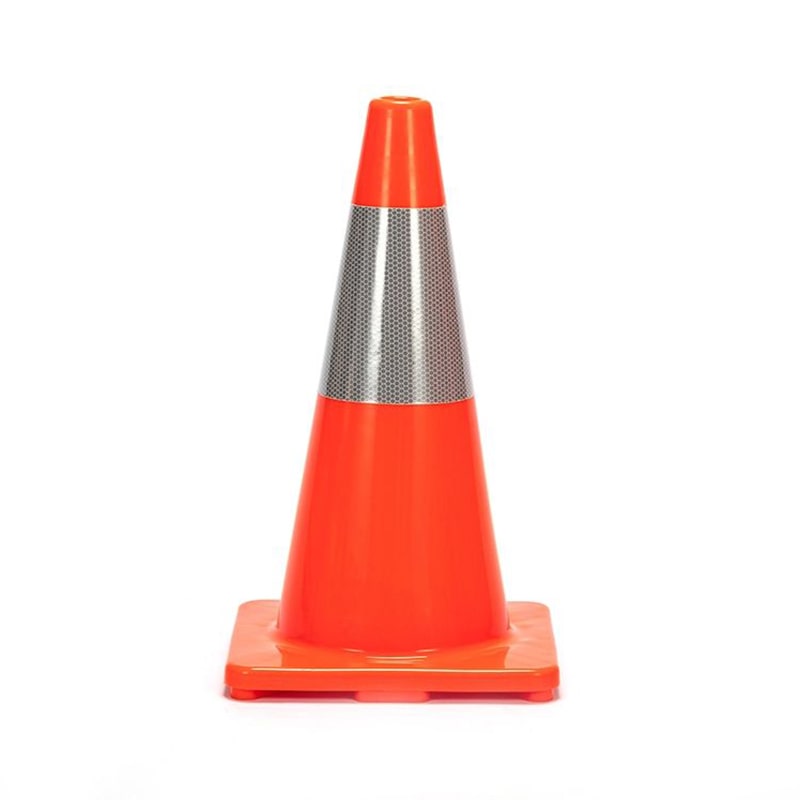
A PE traffic cone, or polyethylene cone, is a type of traffic cone made from durable plastic. These plastic safety cones are lightweight yet resilient, making them ideal for use in various settings such as construction sites and road safety applications.
The base of OPTsigns PE traffic cones is made of rubber, which provides stability and prevents tipping. This durable material ensures that the cone base grips the road effectively, enhancing safety in various environments.
The base of a cone, particularly in traffic cones, is typically designed to be wide and heavy, often made from materials like rubber or plastic. This helps prevent the cones on the road from being easily knocked over, ensuring they remain effective in traffic management.
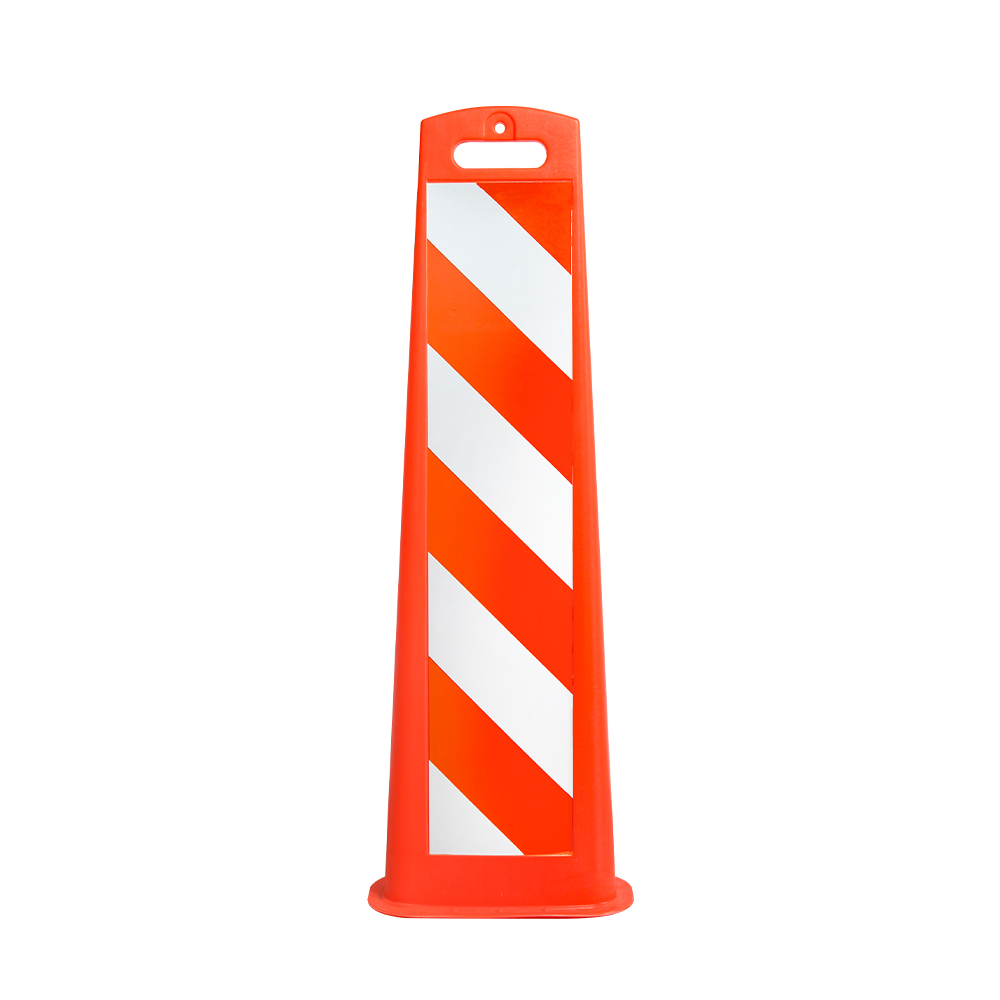
A pylon is generally larger and more robust, often used for permanent or semi-permanent installations, while a traffic cone is more portable and used for temporary traffic control. Colored traffic cones like orange or blue are common for guiding or warning drivers in various situations.
Yes, polyethylene (PE) is a highly versatile plastic known for its durability, flexibility, and resistance to moisture and chemicals. This makes it an excellent choice for products like plastic traffic cones, which require durability for outdoor use and long-lasting performance.