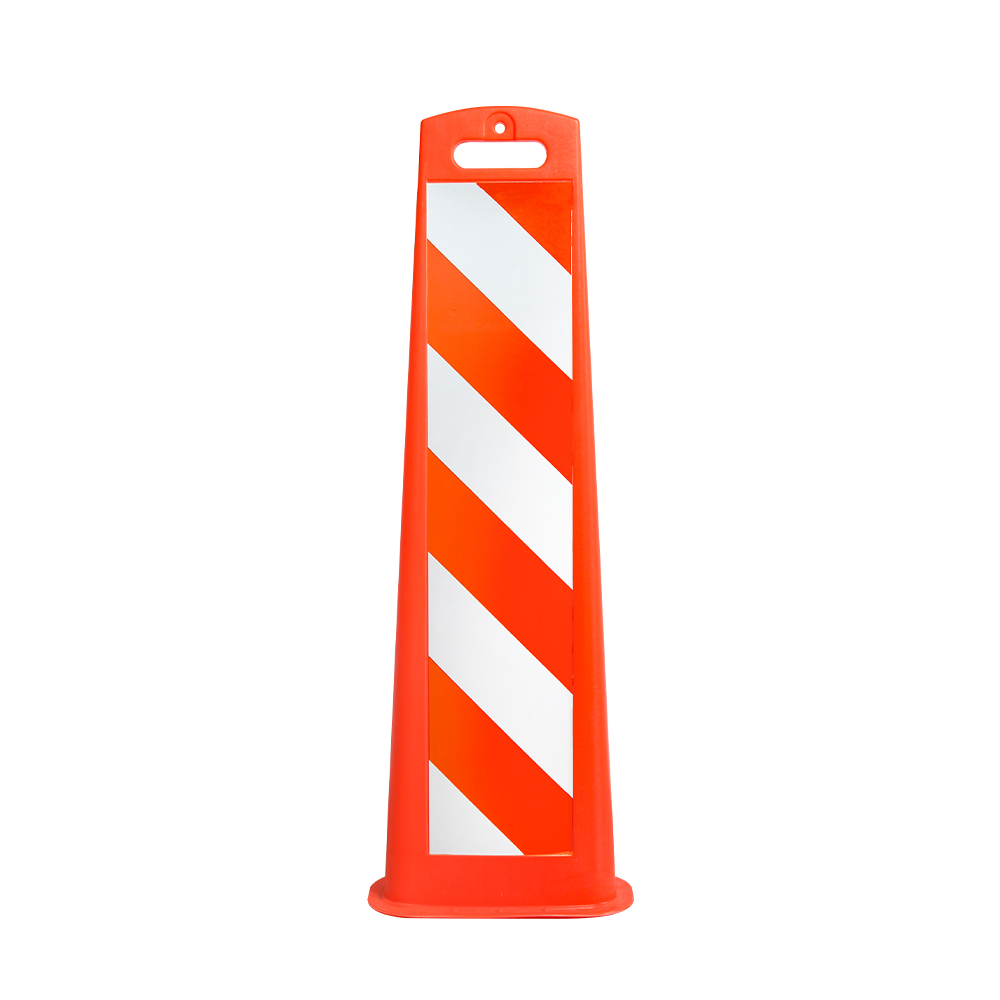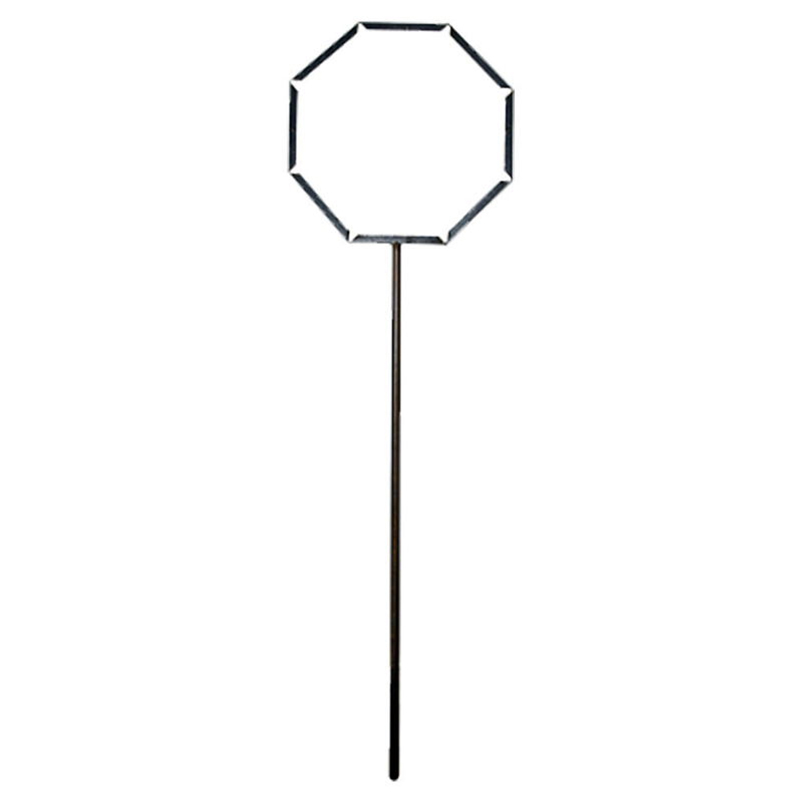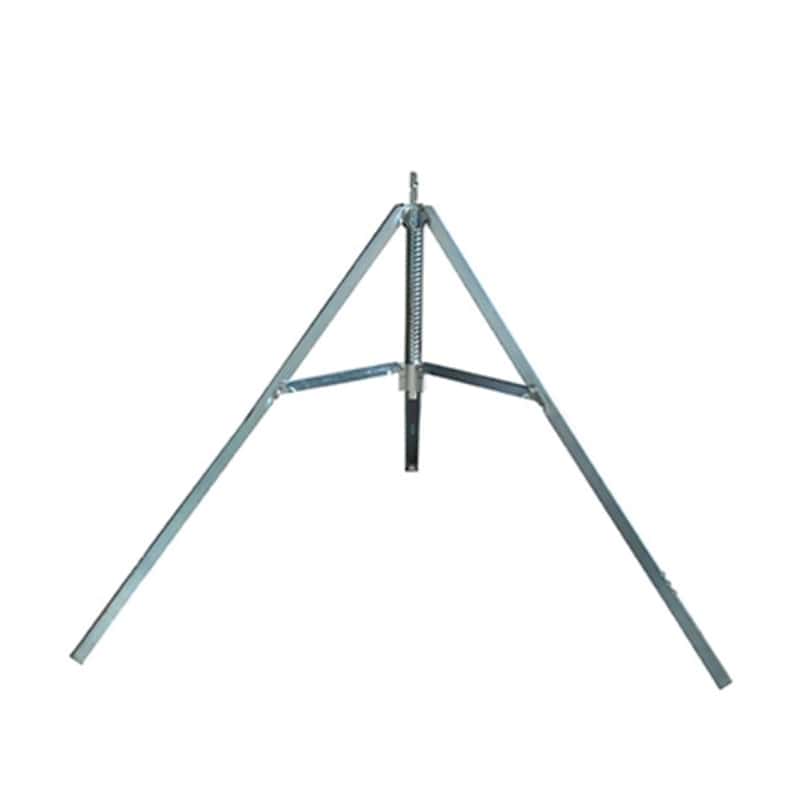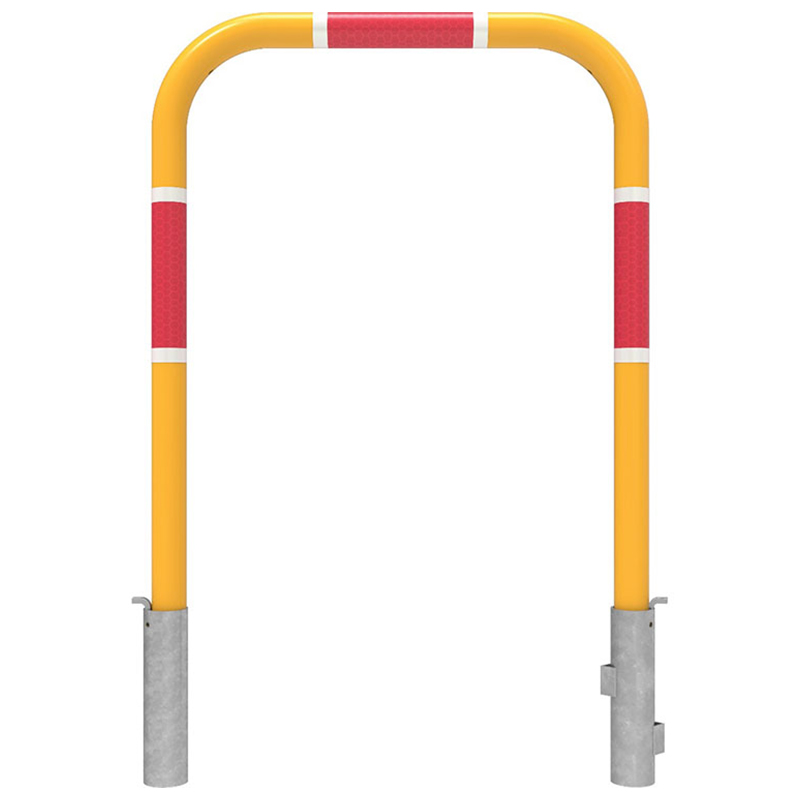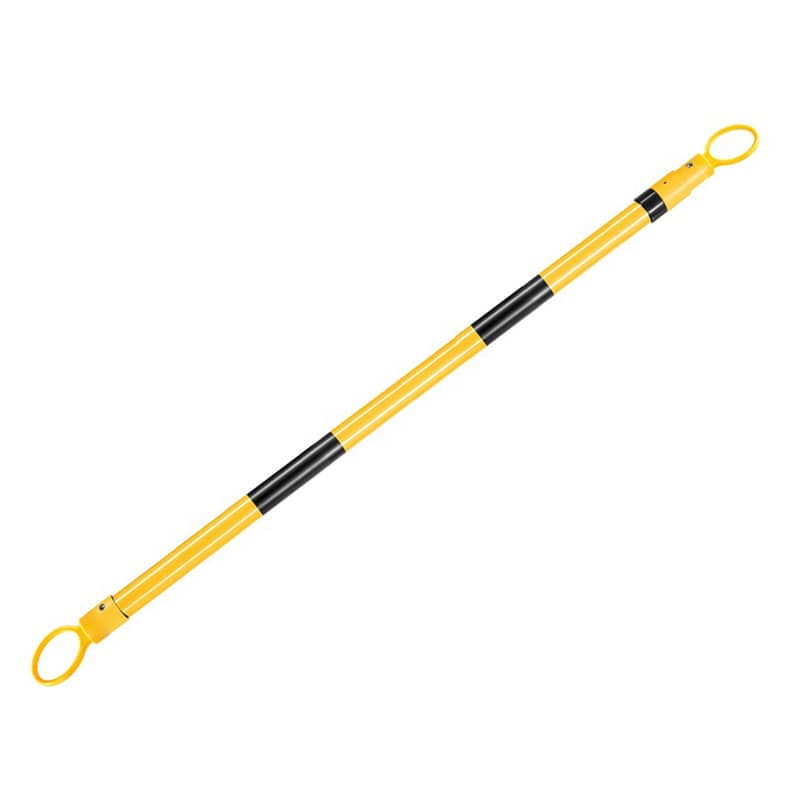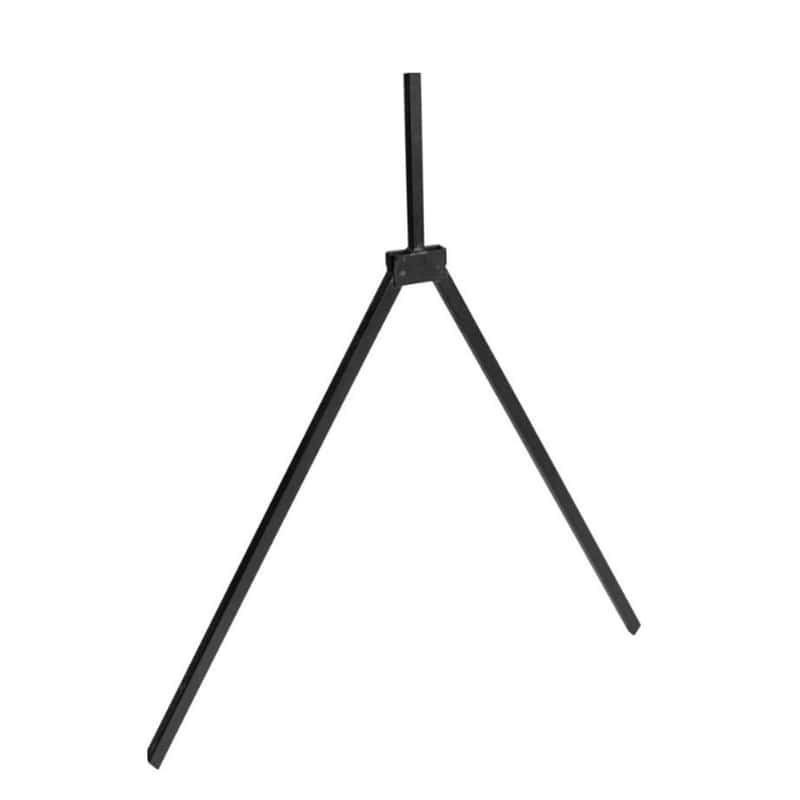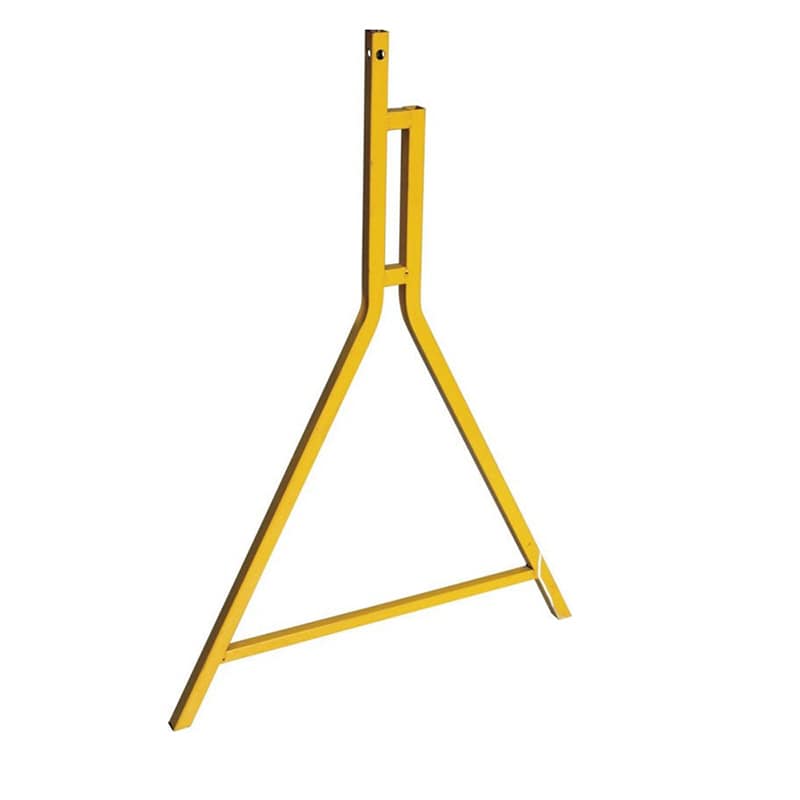
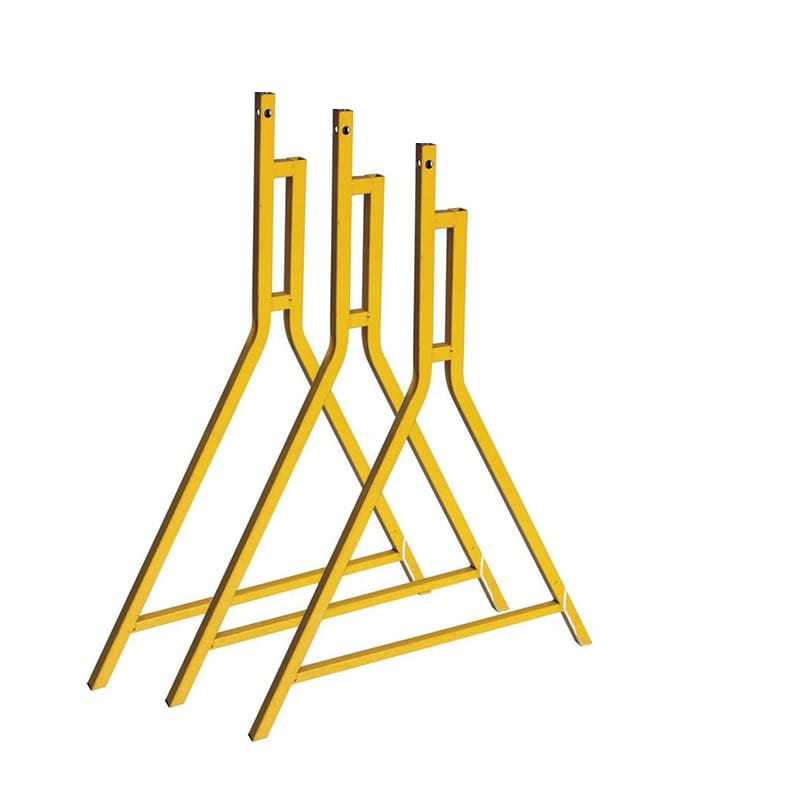
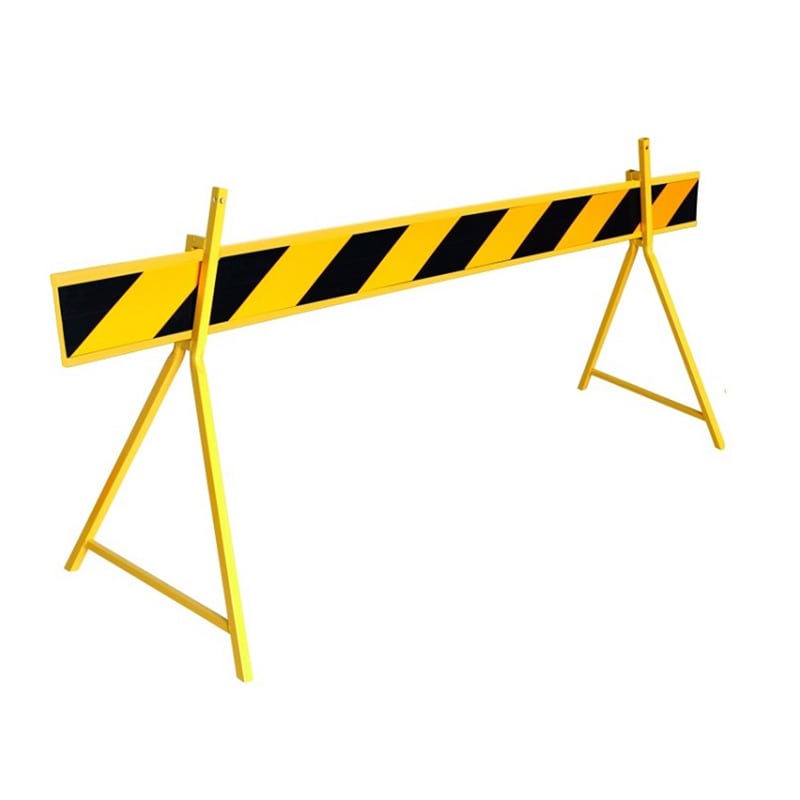

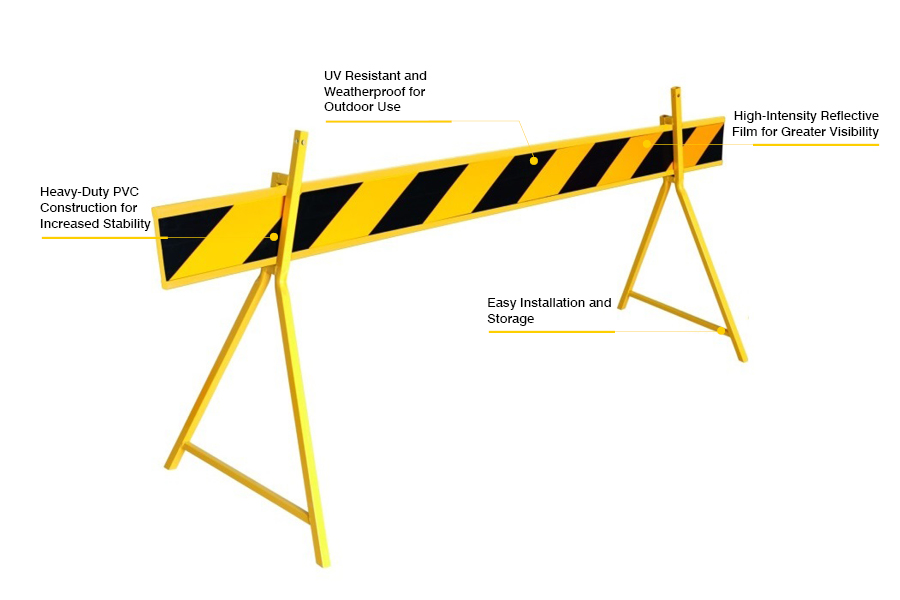
 OPTsigns Barrier Board Legs are engineered for ultimate stability, featuring a robust bipod design and a stable triangle structure. This innovative construction ensures maximum safety for barrier boards at roadworks, parking lots, construction sites, mining operations, demolition worksites, and other hazardous areas. The heavy-duty A-frame steel legs provide enhanced support, making them ideal for demanding environments. Additionally, these A-frame barrier legs are designed to be corrosion-resistant and weatherproof, ensuring long-lasting performance in outdoor conditions.
For added convenience, the A-frame barrier board leg design includes removable legs, allowing for easy storage and transportation. This feature makes it simple to set up and take down, whether at temporary job sites or permanent installations. The durable materials used in the construction of these barrier board stands guarantee long-lasting quality while keeping maintenance costs low. With the combination of stability, durability, and convenience, OPTsigns A-frame leg for barrier board is the perfect solution for anyone needing reliable support in hazardous areas.