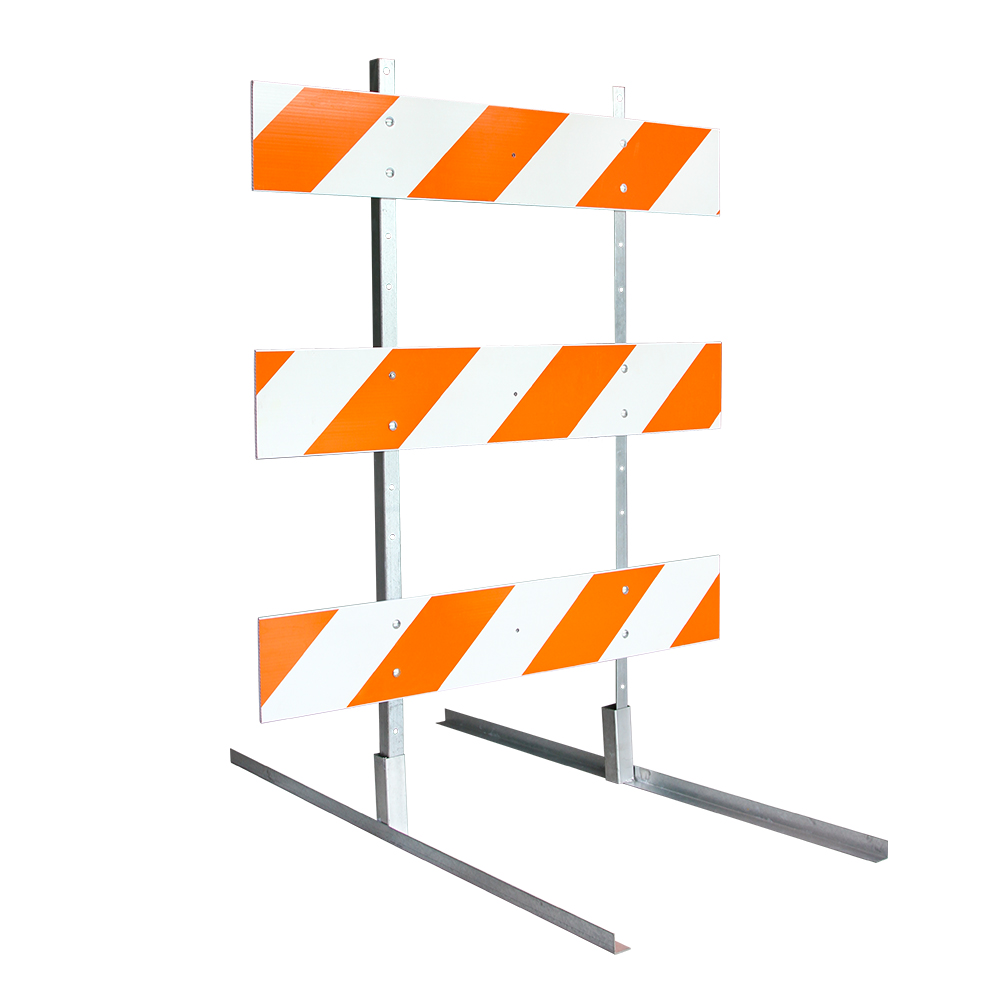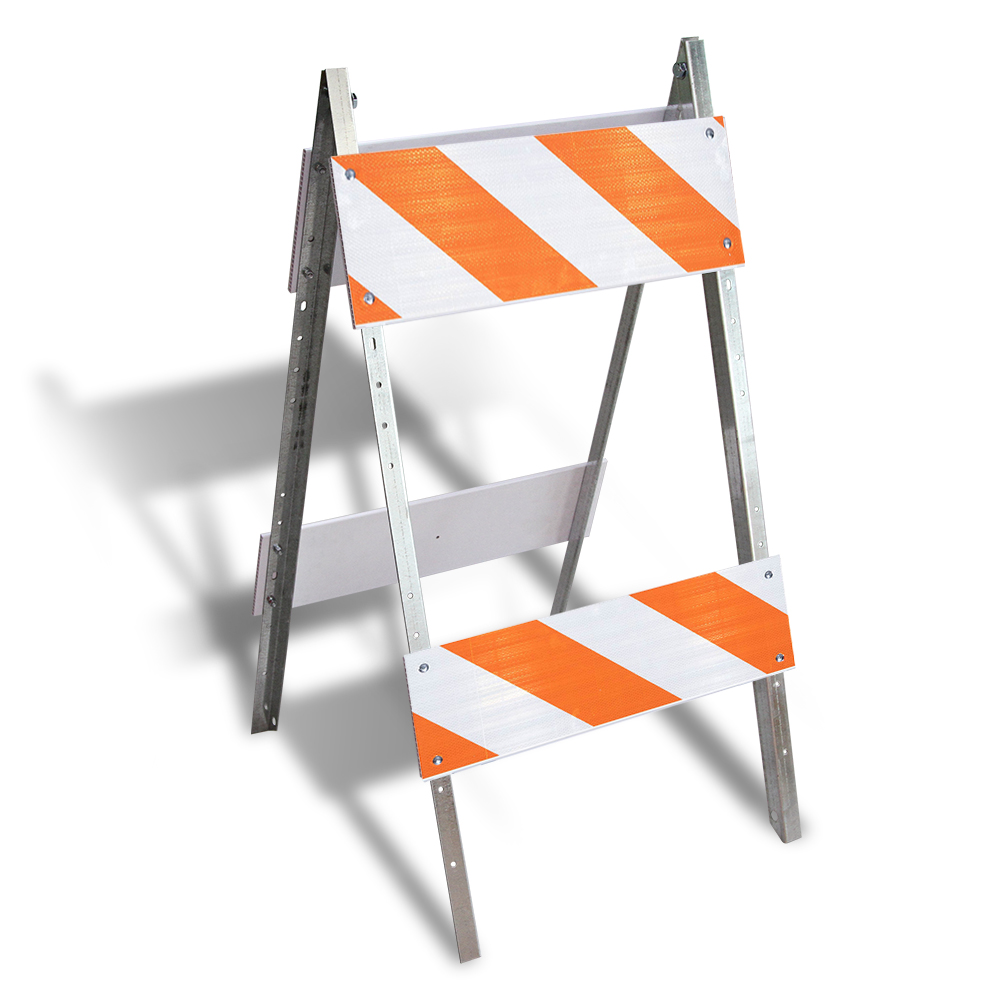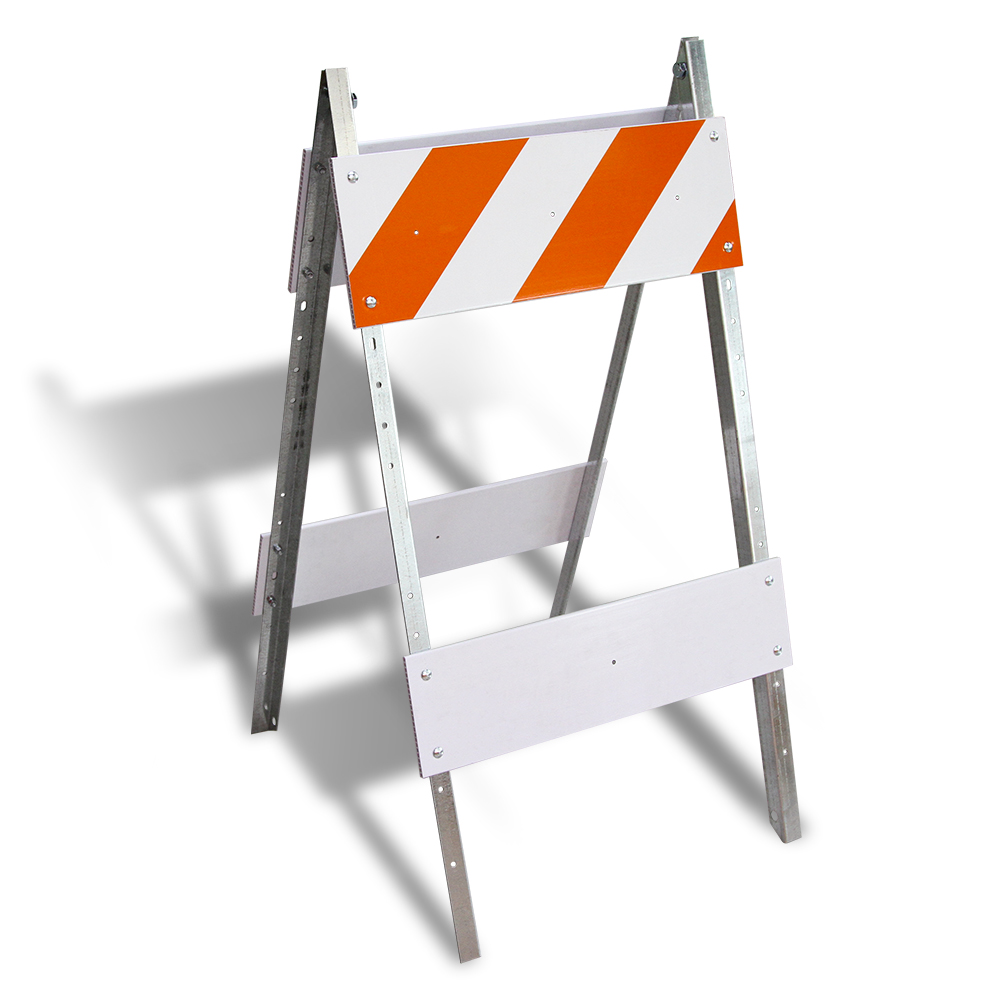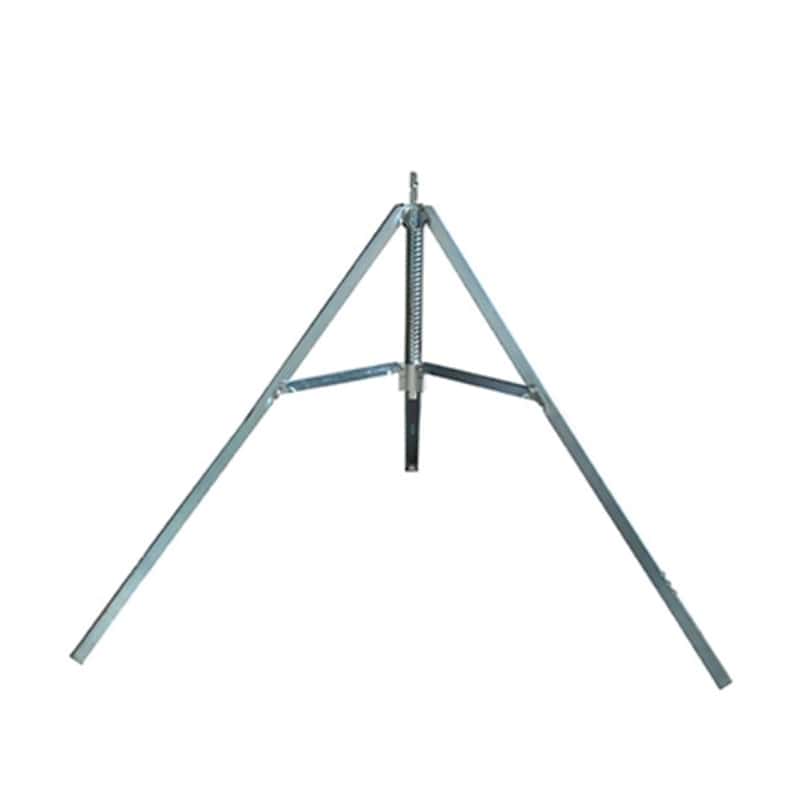
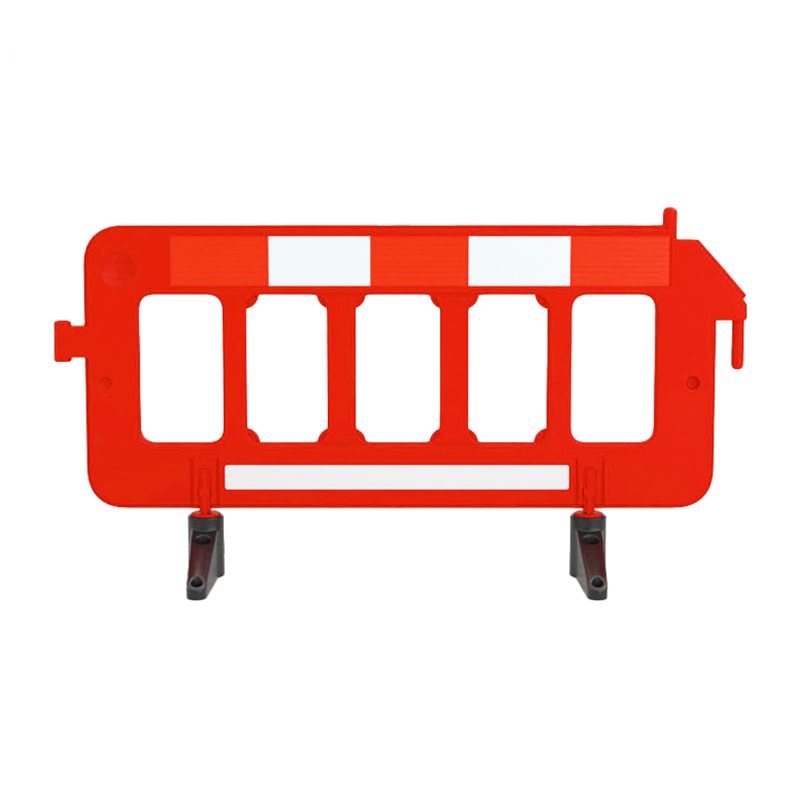
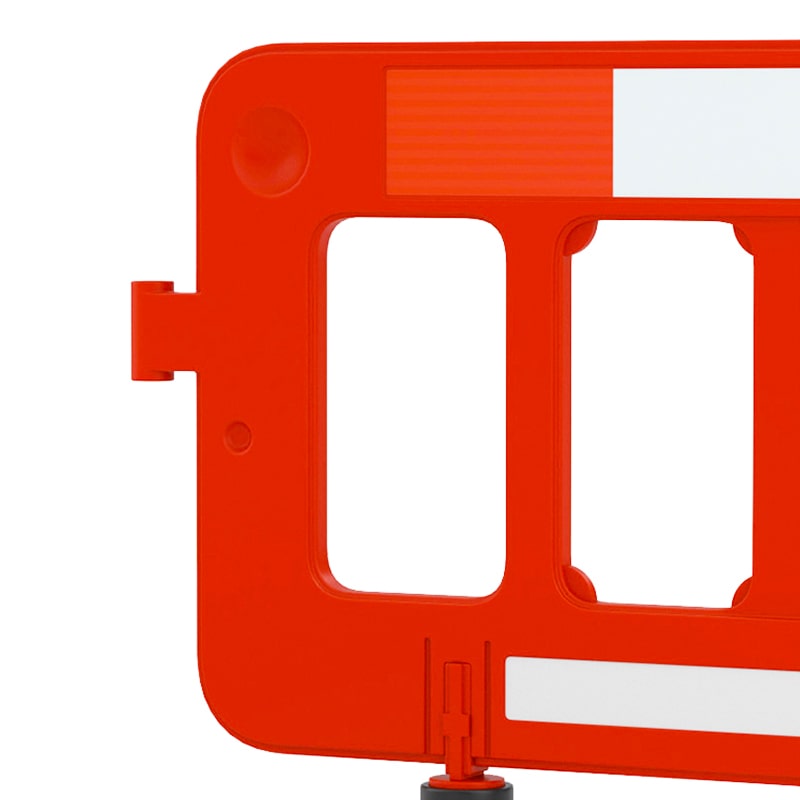
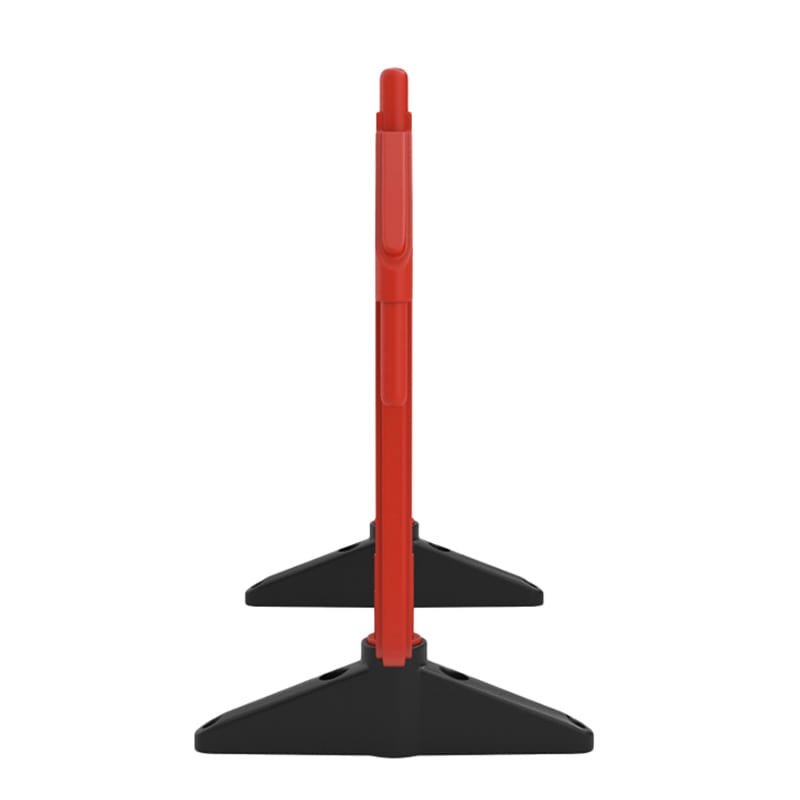
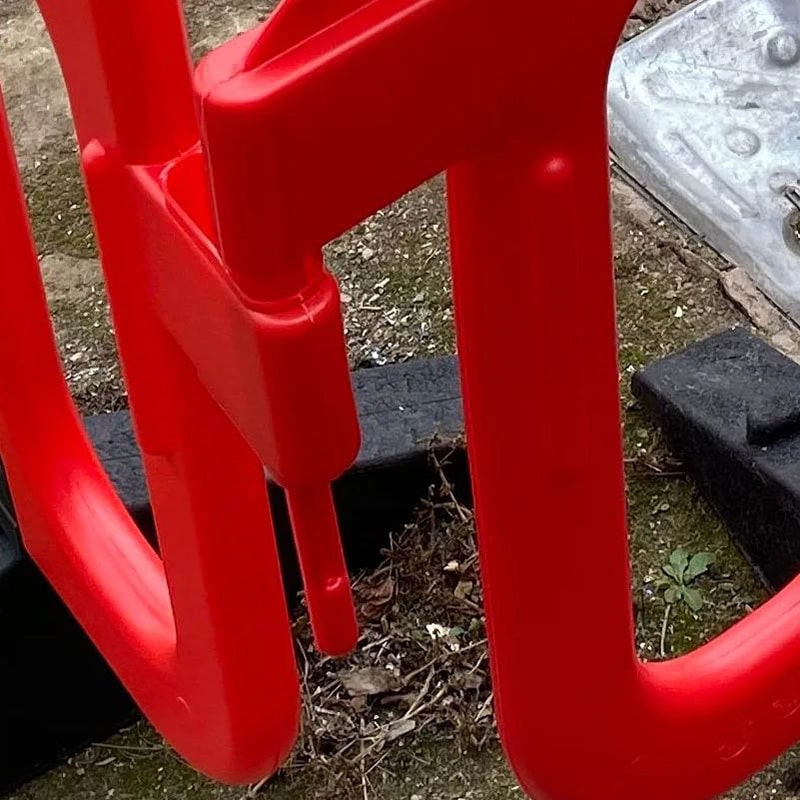
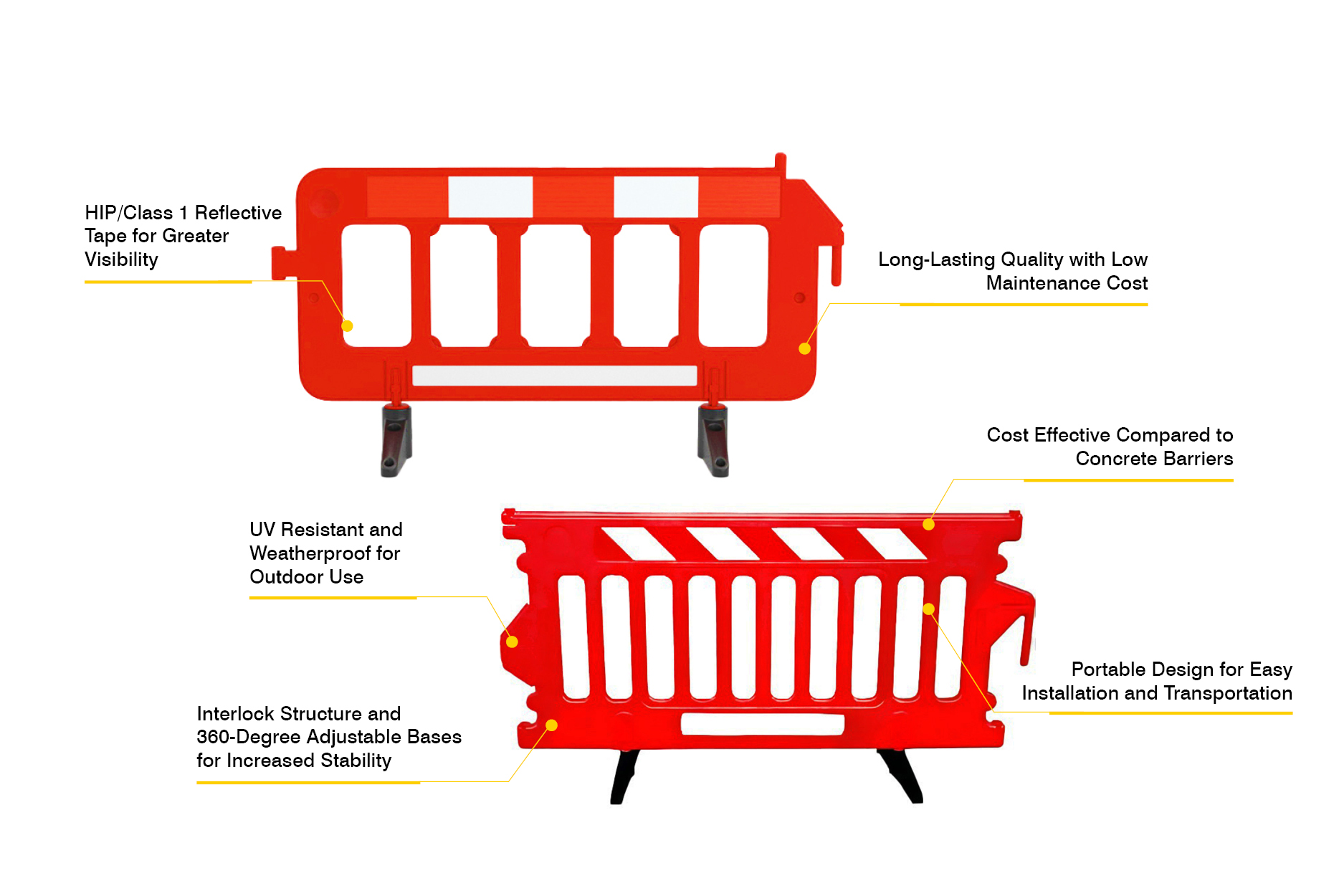
 The OPTsigns plastic safety barrier fence is designed with an innovative interlock structure and 360-degree adjustable bases, ensuring superior stability across various terrains. Its lightweight and portable design make it easy to transport and install, providing an ideal solution for quick deployment at construction sites, parking lots, and events. The HIP/Class 1 reflective tape ensures high visibility even in low-light conditions, making it a reliable choice for controlling pedestrian flow and managing road barrier fence setups.
UV-resistant and weatherproof, this barrier safety fence is built to withstand harsh outdoor conditions while maintaining its long-lasting quality. With lower maintenance costs and cost-effective benefits compared to traditional concrete barriers, the plastic barrier fence offers a sustainable and practical solution for businesses seeking reliable safety products from a trusted barrier fence company.